
Ten crafts that shaped the memory of the world · Episode 6
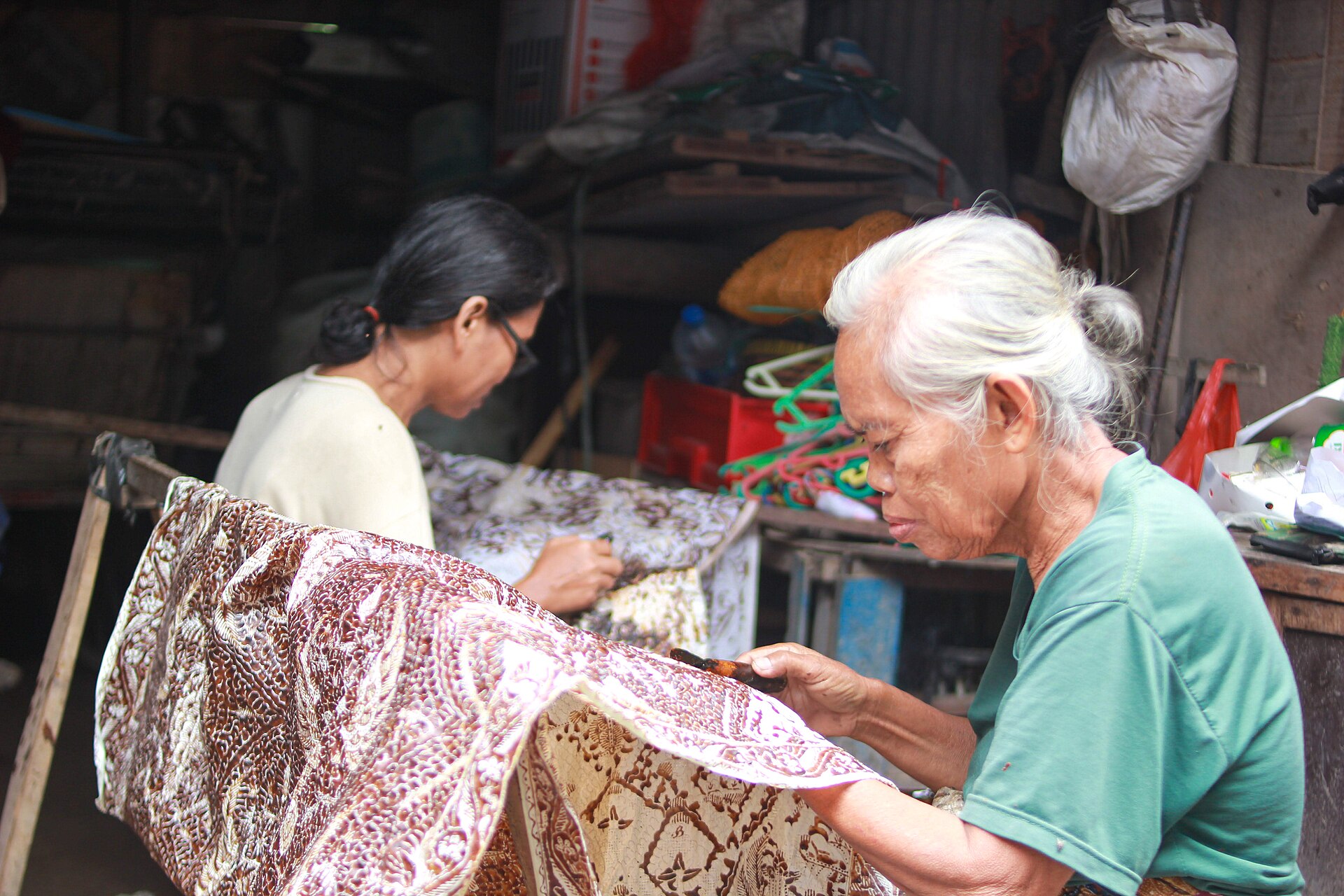
In Trusmi, Cirebon, an older craftswoman bends over cloth while a younger woman repeats the same motion behind her. What passes between their hands is not a ready-made motif but an entire way of seeing: the heat of wax, the pressure of a copper spout, the wait for colour, and the instant when the tool must lift before the line fails. This ordinary workshop scene contains the secret of Indonesian batik. It is not simply decorated fabric; it is memory taught by sitting beside someone who knows.
Why batik is more than a beautiful pattern
UNESCO describes Indonesian batik as cotton or silk marked with hot wax to resist dye, through repeated cycles of waxing, colouring and removing the resist. Technique, however, is only the beginning. Batik accompanies people in baby slings, weddings, work, ceremonies, theatre and funerary cloths. Colour, line and occasion can carry social meaning, turning a piece into a record of life rather than a decorative surface.
A line of wax that leaves no room for hesitation
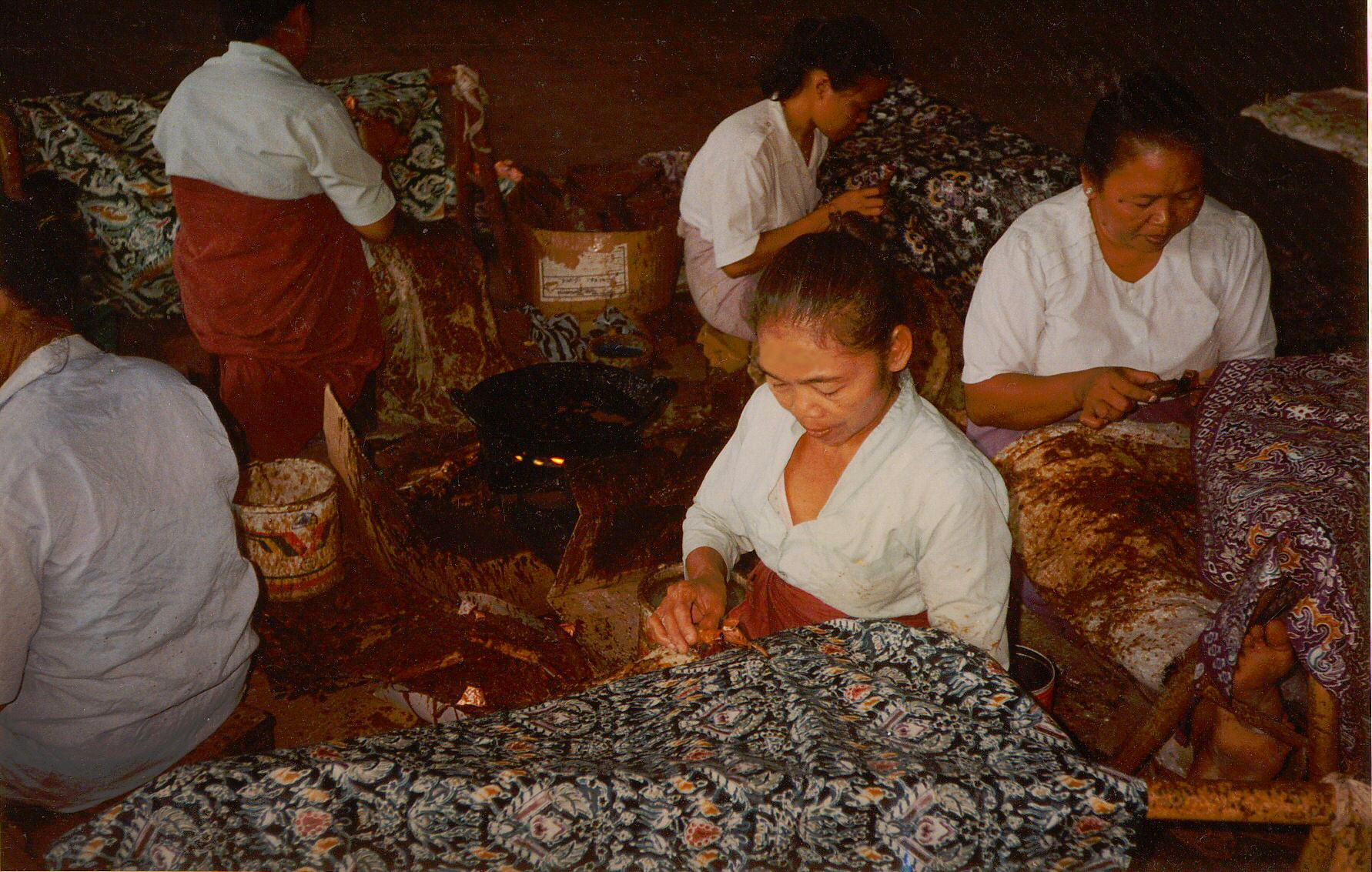
In batik tulis, the maker fills a canting with hot wax and guides its small copper spout over lines drawn on the fabric. The wax must be hot enough to enter the fibres without running. After one dye bath, the areas that must resist the next colour are covered and the cycle begins again; at the end, boiling removes the wax. A small mistake may remain visible, which is why a strong piece contains both the rhythm of the hand and the hours invested in it.
Tulis, cap and print are not interchangeable
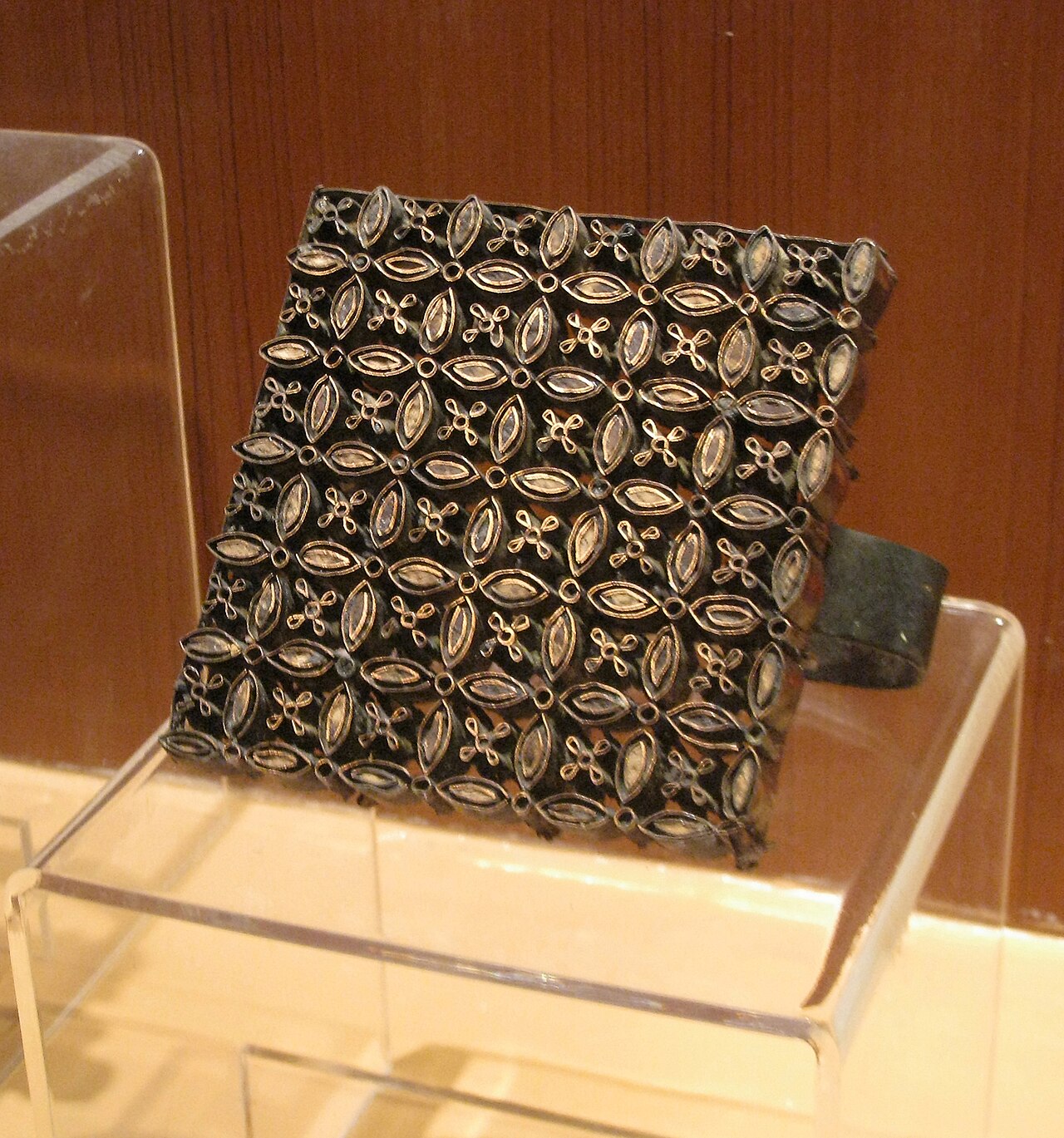
Batik tulis is drawn by hand with the canting and can take weeks or months, depending on scale and complexity. Batik cap applies wax with an engraved copper stamp, allowing faster repetition while still demanding skill in alignment, waxing and dyeing. Machine-printed cloth may imitate the motifs but does not pass through the same wax-resist process. An inexpensive print is not the problem; the problem is selling it as hand-waxed work and charging for labour that never occurred.
A map drawn by courts, ports and villages
There is no single Indonesian batik. Yogyakarta and Surakarta traditions were long connected to court culture and rules surrounding certain patterns. Coastal centres such as Pekalongan, Lasem and Cirebon reveal generations of trade and migration. UNESCO notes Arabic, European, Chinese, Japanese, Indian and Persian influences in batik motifs and colours. Those encounters did not erase local identity; each town absorbed them into a visual language of its own.
Cloth from cradle to farewell
UNESCO records babies carried in batik slings decorated with symbols of good fortune, designs associated with weddings and pregnancy, and other cloths worn in professional and academic settings. This is why “Is the colour attractive?” is too small a question. Ask the motif’s name, where it comes from, when it is worn and whether it has a particular meaning. Contemporary use is possible without turning a living heritage into an anonymous photo backdrop.
Women’s work hidden behind the price tag
Many women draw wax, dye and finish cloth in small workshops or family enterprises, and batik income can be central to a household. UNESCO’s Creative Cities Network describes batik as a pillar of Pekalongan’s identity and economy and links its development to viable livelihoods, especially for women. Buying from an identified workshop or fair cooperative therefore pays for more than a length of cloth: it helps knowledge and income remain in the community.
When Pekalongan realised young people were drifting away
UNESCO says the community saw younger generations losing interest in batik. In 2005 the Batik Museum, education authorities and schools began a programme that used space for local content in Indonesia’s curriculum. Heritage was not reduced to a ceremonial lecture. Students learned drawing, waxing and dyeing through practice and workshop visits. The classroom became a second line of transmission when the household could no longer carry the entire burden alone.
From a local answer to an international safeguarding model
UNESCO inscribed Indonesian Batik on the Representative List in 2009 and placed the Pekalongan education initiative on the Register of Good Safeguarding Practices the same year. Recent monitoring documents continued workshops and programmes across schools, higher education and batik villages. The value of recognition is the bridge it creates between heritage, education and work. A list can open a door; only fair markets and sustained training can keep a craftsperson behind it.
The real rival is not modernity but missing information
Batik can enter contemporary fashion and interiors without abandoning its roots. Damage begins when production methods disappear from labels, industrial printing is sold as tulis, or prices fall until the maker’s time has no value. Workshops also face questions of ventilation, hot wax, dye handling and wastewater. Serious safeguarding combines design education, clear technique and origin labels, safer work and better environmental practice.
Do travellers really cross borders for batik?
Yes—when shopping becomes learning. In Yogyakarta, Pekalongan, Solo and Cirebon, visitors can enter museums and workshops, see cantings and copper caps, try a small design and meet makers. Indonesia’s tourism authorities list hands-on activities in which guests draw, wax and colour a piece to take home. Craft tourism can spread spending among makers, guides, transport and accommodation instead of concentrating it in an anonymous souvenir counter.
How to buy authentic batik without sales mythology
First ask whether the piece is tulis, cap or a combination. Request the region, motif name, fibre, dyes and maker or workshop. Examine both sides: in good wax-resist work, dye penetrates the fibres and the design remains readable from the reverse, while surface printing is often much stronger on one side. Irregularity can support a handmade claim but is not proof by itself. Obtain a written description and receipt, and compare price with labour time rather than fabric size alone.
Caring for the cloth after the journey
Keep batik away from direct sun and damp, and avoid bleach or aggressive detergent. Wash it separately and gently according to the workshop’s instructions, using cool water and mild cleaner when the fibre permits; do not wring hard or use a hot dryer. Antique, silk or high-value pieces deserve a textile specialist. Store the maker, region and technique with the cloth, because those facts are part of its value.
The lesson: heritage survives when the buyer knows who is paid
A machine can repeat a motif in seconds, but it cannot compress years spent learning wax temperature, hand movement and symbolic context. Saving batik does not require rejecting industry or turning workshops into frozen theatre. It requires making differences visible and paying for them fairly. When buyers know the technique, workshop and maker, the cloth stops being a silent souvenir and becomes a relationship between a hand in Java and a wardrobe far away.
Watch UNESCO’s official video on Indonesian Batik
Craft at a glance
| International recognition | UNESCO inscribed Indonesian Batik in 2009 |
|---|---|
| Technique | Hot-wax dye resistance on cotton or silk, with repeated colouring and wax removal |
| Two craft forms | Tulis is drawn with a canting; cap applies wax with an engraved copper stamp |
| Important centres | Yogyakarta, Surakarta/Solo, Pekalongan, Cirebon and Lasem |
| A safer purchase | Written technique, origin and workshop, plus receipt and care instructions |
Questions before visiting
How can I distinguish tulis from printed cloth?
Ask for the technique in writing, inspect front and reverse, colour penetration and repeated elements. Hand variation helps but never replaces an identified maker and receipt.
Is batik cap fake?
No. It is genuine wax-resist batik made with a copper stamp. It differs from fully hand-drawn tulis in labour, construction and price.
Where should I experience batik in Indonesia?
Pekalongan, Yogyakarta, Solo and Cirebon are major options with different visual schools. Choose a museum or workshop that clearly states its programme and technique.
Does every motif carry a meaning?
Many are tied to a region, occasion or value, but meanings change with context. Ask the maker or museum rather than trusting a generic commercial list.
Is batik a suitable gift?
Yes, if you understand the fibre, size and intended use and share the story of the motif and maker. Avoid ceremonial patterns you do not understand.
How should I store it?
Away from sunlight and damp, with gentle separate washing according to the maker’s instructions. Consult a specialist for silk, antique or valuable pieces.
Sources and reference institutions
- UNESCO Intangible Cultural Heritage — Indonesian Batik
- UNESCO Good Safeguarding Practices — Batik education and training in Pekalongan
- UNESCO — Decision 4.COM 13.44
- UNESCO Creative Cities Network — Pekalongan
- UNESCO — Pekalongan monitoring report 2024
- UNESCO — Official video: Indonesian Batik
- Indonesia Ministry of Tourism — Batik workshop in Pancoh, Yogyakarta
- Indonesia Travel — Five batik museums in Indonesia
- Wikimedia Commons — Intergenerational batik making in Trusmi, Cirebon
- Wikimedia Commons — Batik craftswomen handmarking cloth with cantings
- Wikimedia Commons — Batik cap copper stamp
Image credit: Intergenerational batik tulis making in Trusmi, Cirebon, Indonesia, 2026. Ahaetulla / Wikimedia Commons, CC BY-SA 4.0.