



















By Osama Samaha · 26 October 2026
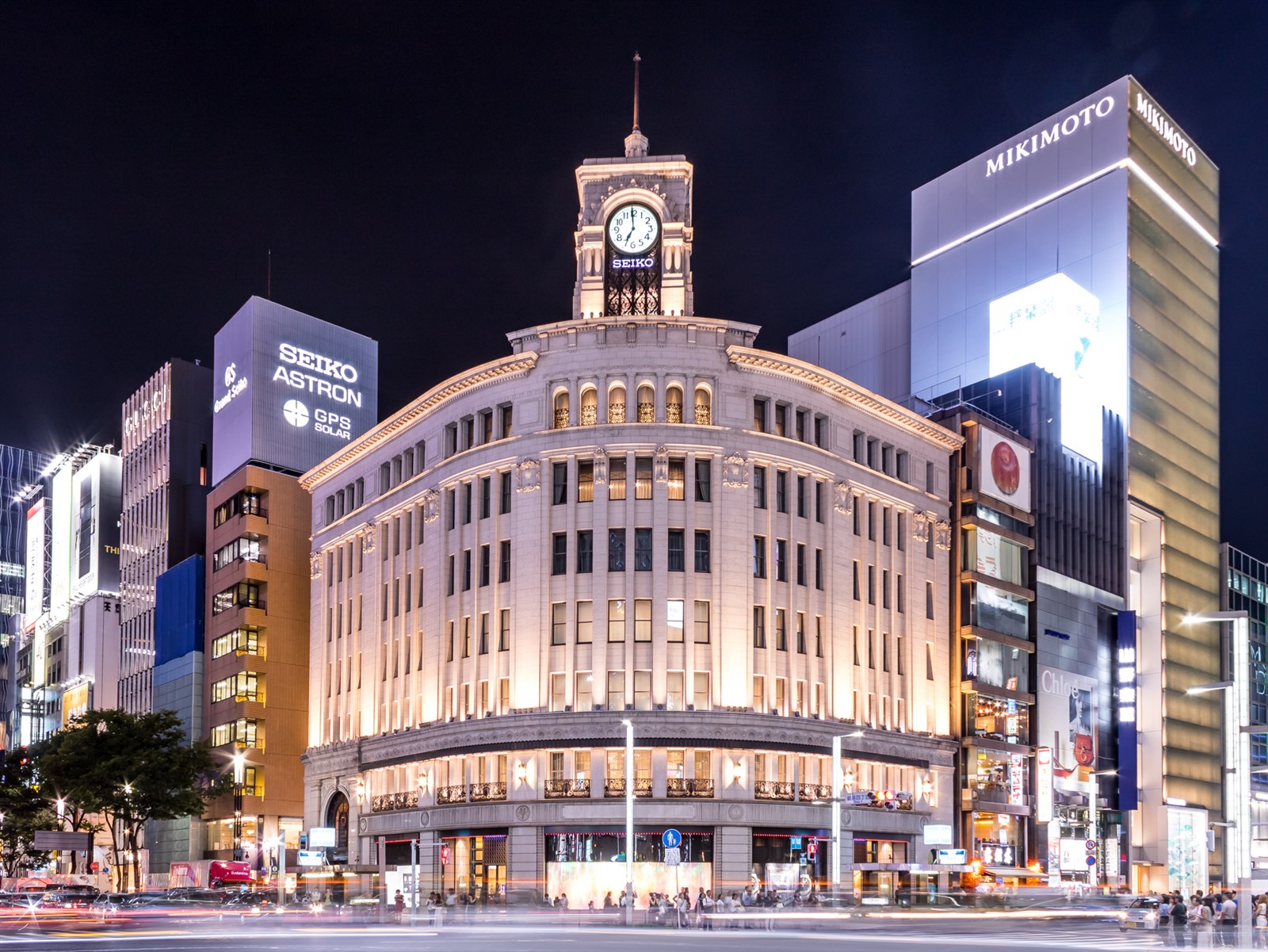
Wako, Ginza, Tokyo, September 2018. Kakidai · CC BY-SA 4.0. Photo source · Licence
A watch in a Ginza window can make the shopping decision feel immediate. From November, the practical question extends to the end of the journey: how will the purchase leave Japan, and what must happen before the suitcase is checked in? Japan’s revised tax-free system makes departure planning part of the buying experience.
The change is tied to the purchase date
Japan National Tourism Organization confirms a move to a refund method for purchases from 1 November 2026. Buyers pay the tax-inclusive price; repayment of the tax equivalent follows departure customs confirmation that the goods are leaving Japan. The relevant dividing line is the transaction date, not when the flight was booked.
For budgeting, treat the full amount paid in the shop as the immediate cost. An expected refund is not money already available for another purchase. Compare the cash requirement as carefully as the advertised price, particularly when several members of a family are shopping.
Questions to ask at the counter
The official Tokyo travel guide identifies a threshold of 5,000 yen before tax, per store per day, for eligible purchases under the revised arrangements. Eligibility conditions still matter. Ask the retailer which documents and transaction instructions apply to you.
Before paying, establish who processes the refund, how it will be delivered, whether fees apply and how completion can be checked. Keep those answers separate from the product warranty and returns policy. A participating retailer is the starting point for the process, not a reason to skip the questions.
Keep goods accessible before bag drop
The Japan Tourism Agency’s traveller instructions put departure verification before baggage check-in and require the purchased goods to be available, with inspection possible. Pack so that the items and paperwork can be presented without unpacking the whole family’s luggage.
We recommend organising the departure file before the final night. Keep receipts and retailer instructions together, decide who carries each purchase and allow time to locate the relevant facilities. A shopping plan that leaves the airport procedure to chance can undermine the convenience of the entire trip.
The real budget for a luxury purchase
Set a yen-denominated spending limit that covers the amount due at purchase. Consider possible card conversion charges, delivery arrangements and additional baggage. Check the card terms with the provider rather than assuming a tax refund cancels out currency costs.
For a high-value item, also consult the customs authority of the country to which you will return. Japanese tax treatment does not automatically remove an import obligation elsewhere. Retain the invoice and product details for warranty, ownership and any declaration that may be required.
Design a shopping day with room to choose
Choose one principal district, request appointments where available and protect time to compare pieces. If the journey depends on a particular size or edition, seek confirmation from the retailer before building the itinerary around it. Availability should not be inferred from a photograph or an old product page.
When arranging a vehicle, specify luggage capacity, stops and schedule flexibility. A chauffeur can organise the journey between addresses, but cannot substitute for the traveller’s official tax procedures. Premium service should make responsibilities more legible, rather than promise shortcuts at customs.
A departure checklist worth keeping
Confirm the international departure airport and consult the current airport and retailer instructions. Keep purchases accessible until the relevant verification has been completed. Record the refund provider’s contact details and follow-up method before travelling home.
There is no single timing promise in this guide for the airport procedure or the arrival of the refund. The route, retailer and any inspection can affect the experience. The useful luxury is knowing the steps before reaching bag drop, with enough time to carry them out calmly.
Practical questions before travelling
What if I buy in October but leave in November?
JNTO links the revised method to purchases from 1 November. Ask the retailer for instructions covering your transaction date.
Is the full refund paid immediately at the airport?
Do not assume that. Confirm the method, timing and any charges with the retailer or refund provider.
Must all purchases go in cabin luggage?
They must be available for the required process before baggage check-in. Airline security and baggage rules also apply.
For a private itinerary, arrival or transfer, ask OUISTARS about available services and their terms before confirming a booking.