














Independent editorial analysis · Information checked through 10 November 2026.
Matti Blume · Wikimedia Commons · CC BY-SA 4.0
Business aviation sells time, privacy and direct access, but it now faces a harder question: can it preserve that value while reducing climate impact? In France, the industrial answer currently centres on sustainable aviation fuel, more efficient aircraft and better operations. The progress is real. It is not zero-emission flight.
What changed in 2025–2026
ReFuelEU Aviation requires a 2% SAF share from 2025, rising to 6% in 2030 and 70% in 2050, with a growing synthetic-fuel component. France has backed four CarbAero projects with €100 million and is examining a double-auction mechanism designed to give producers and buyers long-term certainty.
Dassault tests operations, not slogans
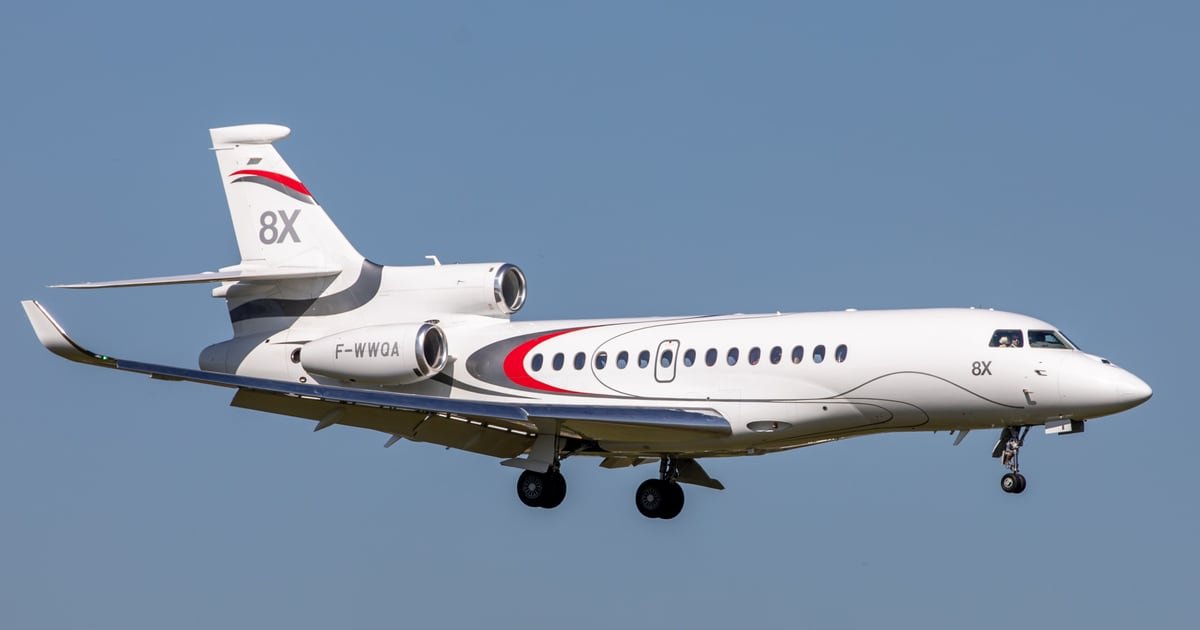
Dassault Aviation says company flights from Le Bourget have used physical SAF blends of roughly 30–35% when available since 2023, reducing the footprint of those flights by an estimated 24–30%. The figures matter because they show both sides: the fuel works in today’s fleet, but the reduction is not 100% and supply remains constrained.
French production is the next contest
Technip Energies, Airbus, Safran and Tereos announced a French SAF-production development project in June 2026. The strategic value goes beyond climate: it involves industry, hydrogen, low-carbon electricity, captured carbon and reduced dependence on imported fossil fuel.
The new luxury is precision
A serious operator should state the actual SAF share, accounting method, aircraft type and empty-leg exposure. Better planning combines passengers, selects the right aircraft and uses the closest practical airports. Operational efficiency must come before a marketing claim.
What it means
Ask for the actual SAF percentage, not theoretical availability. Compare aircraft type, route and empty legs, and request transparent reporting rather than a general green label.
Frequently asked questions
Can Falcon aircraft fly on SAF?
Falcon aircraft can use certified SAF blends, while the industry is working toward higher blends and eventual 100% SAF approval.
Does SAF eliminate emissions?
No. It can reduce lifecycle greenhouse-gas emissions by varying amounts, but combustion and non-CO2 effects remain.