









Independent editorial analysis · Information checked through 10 November 2026.
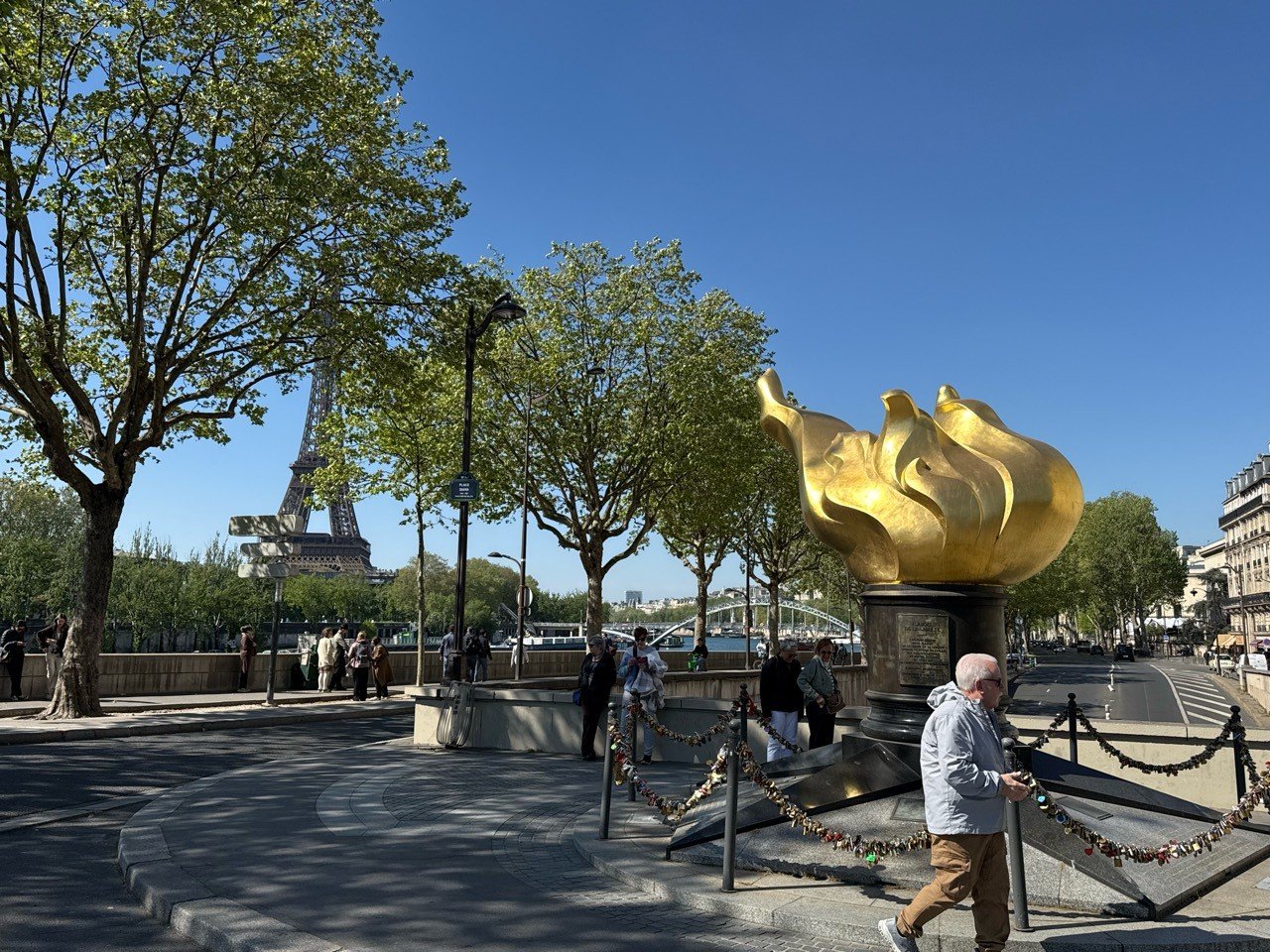
Trougnouf (Benoit Brummer) · Wikimedia Commons · CC BY 4.0
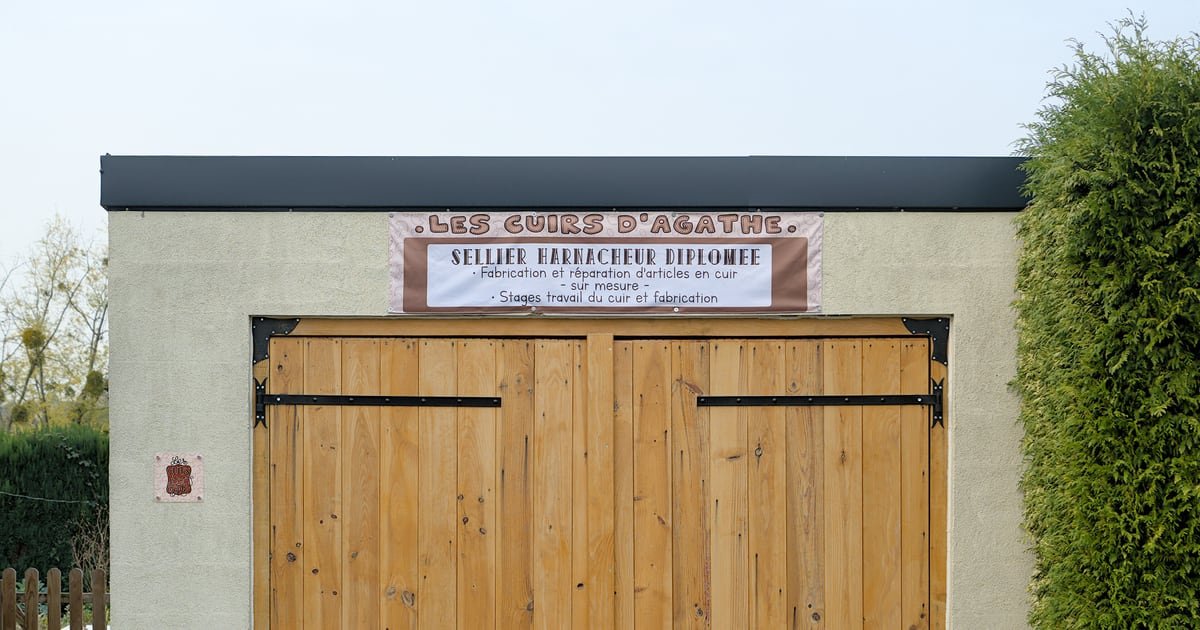
French luxury does not begin with a logo. It begins with a hand able to cut leather, engrave metal, throw clay or restore wood. France therefore treats métiers d’art as more than folklore. They form a productive network of companies and jobs, while carrying culture, export value and skills that are difficult to reproduce.
Small numbers, strategic weight
France officially recognises 281 art professions, from gilding and fan-making to ceramics, glass and restoration. The Culture Ministry estimates close to 50,000 companies, more than 60,000 jobs and around 1,000 training locations. Craft is therefore a distributed regional economy, not a closed Parisian niche.
1,300 companies carry the living-heritage label
The state’s Entreprise du Patrimoine Vivant label identifies companies with rare and exceptional know-how. A 2026 government study counted more than 1,300 label holders across 98% of French departments, with over 300 open to visitors. Half of respondents said the label helped them hold pricing and one third reported higher revenue. It remains a quality signal, not an investment guarantee.
Innovation protects tradition
Tradition survives by adapting. Workshops now use 3D scanning, intellectual-property tools, lower-impact materials and international sales. Programmes such as the Savoir-Faire d’Exception accelerator help companies grow and manage environmental change. The most urgent task is transferring skill before master craftspeople retire.
Tourism restores the value of the workshop
The Culture Ministry says industrial know-how tourism attracts around 15 million visits a year in France. Opening a workshop can create revenue, reputation and understanding of price, but it must protect trade secrets and the artisan’s time. The best experience explains material, tool and duration rather than disguising a shop as a museum.
What it means
Buyers and partners should examine material origin, training, delivery capacity and intellectual property. Travellers should choose official workshop visits or EPV companies that welcome the public.
Frequently asked questions
Is every luxury brand an EPV company?
No. EPV is a state label granted against specific criteria to an entire company for five years.
Is buying a craft object a financial investment?
Not necessarily. Some works may retain value, but purchase decisions should rest on quality, provenance and documentation—not promised returns.