


Tourism Economy dossier · Independent editorial analysis · Checked 11 November 2026
In the Middle East, tourism wealth may begin with land becoming a town, an airport becoming a market, a restaurant becoming a destination, or a hotel chain buying time through acquisitions.
The Gulf is covered separately. Here we examine four models rooted in Egypt, Türkiye and Israel with international reach, focusing on the economic machinery rather than celebrity.
St. Gallen Symposium · Wikimedia Commons · CC BY-SA 4.0
01
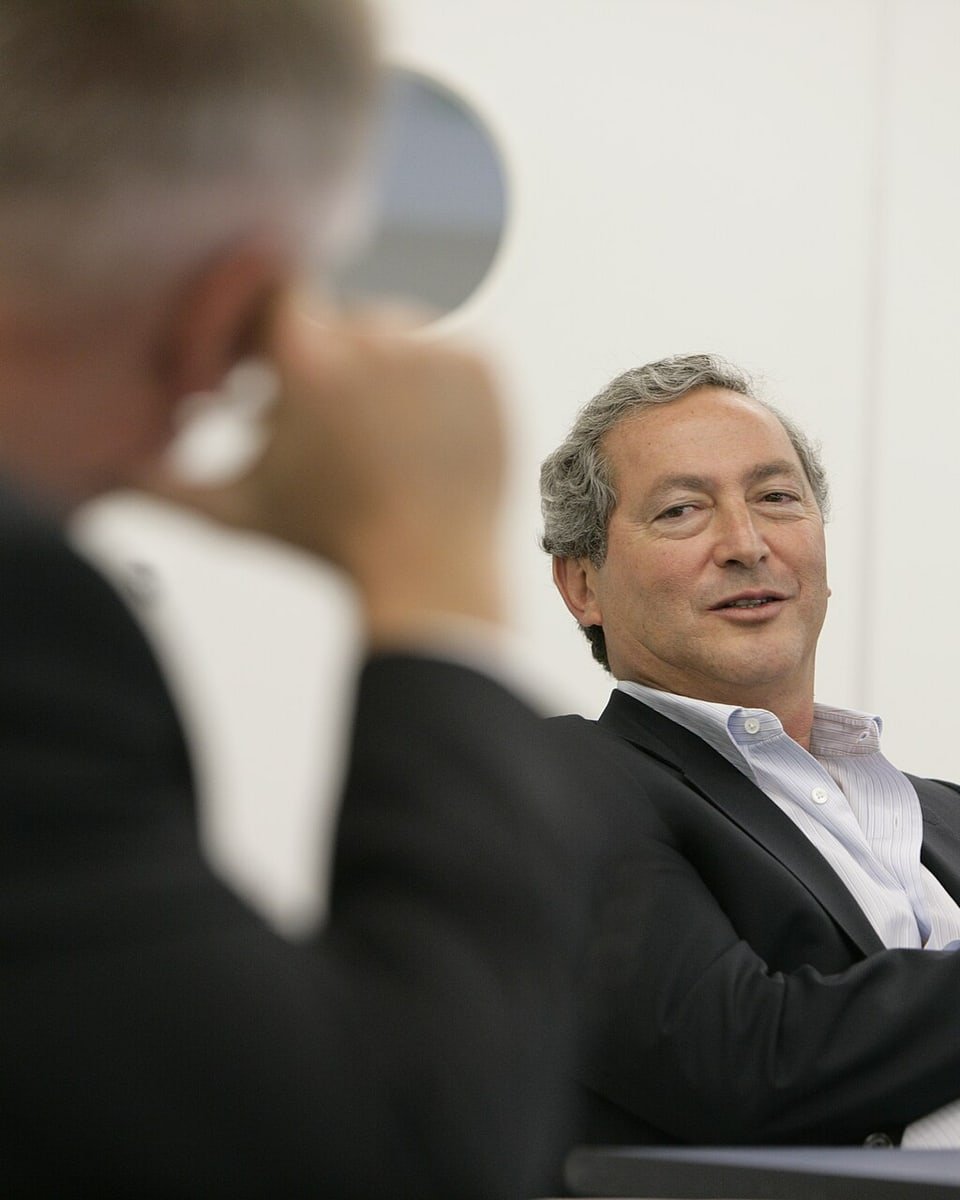
Samih Sawiris: Orascom Development
Wealth snapshot: He returned to Forbes Middle East’s Arab billionaires list in 2026; any wealth figure remains a time-stamped estimate.
Sawiris built integrated destinations rather than standalone hotels. Orascom Development reports more than 100 million square metres of land and 34 hotels with over 7,200 rooms in five countries, alongside homes, marinas and town management.
Five-year editorial outlook
Through 2031, longer stays, destination living and mixed hotel-residential communities may deepen across Egypt, Oman, Montenegro and Switzerland. Currency, financing, water, energy and regional instability are the key risks.
Where is the opportunity?
Suppliers are needed in hospitality training, marinas, utilities, events, restaurants, internal mobility and rental management.
World Economic Forum · Wikimedia Commons · CC BY-SA 2.0
02
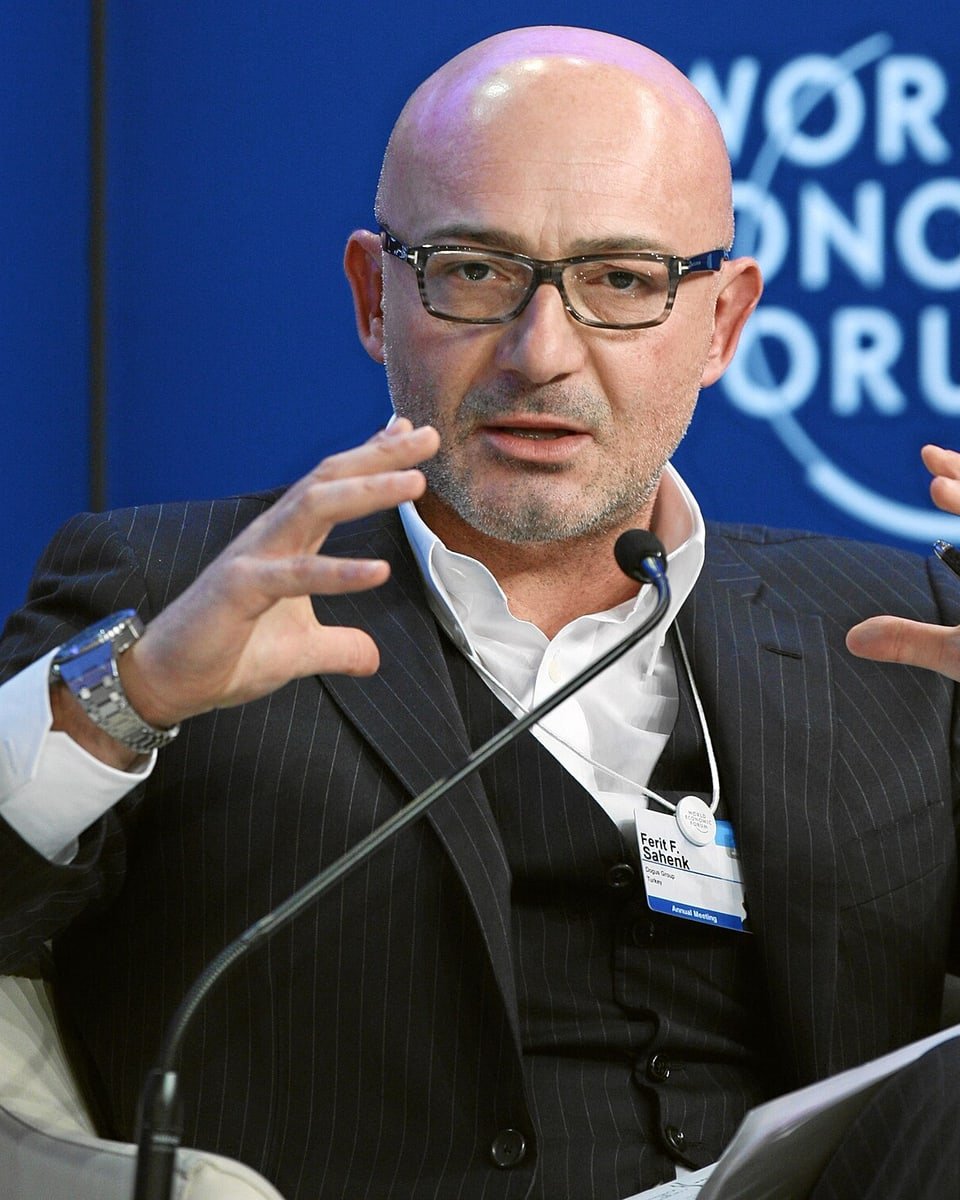
Ferit Şahenk: Doğuş Group and D.ream
Wealth snapshot: Forbes Türkiye estimated his fortune at about $3.2 billion in its 2026 list.
Şahenk builds hospitality around lifestyle: D Maris Bay and Argos in Cappadocia sit alongside global restaurant brands such as Zuma, Amazonico and Coya. Food and entertainment become reasons to travel, not secondary hotel services.
Five-year editorial outlook
The next five years may favour experiential dining, coastal resorts and destinations combining stays with nightlife. Turkish inflation, currency volatility, debt and site selection remain material risks.
Where is the opportunity?
Partnerships can cover food concepts, talent, yachts, seasonal events, executive security and seamless airport-resort-restaurant transport.
Wikimedia Commons · Wikimedia Commons · CC BY 2.5
03
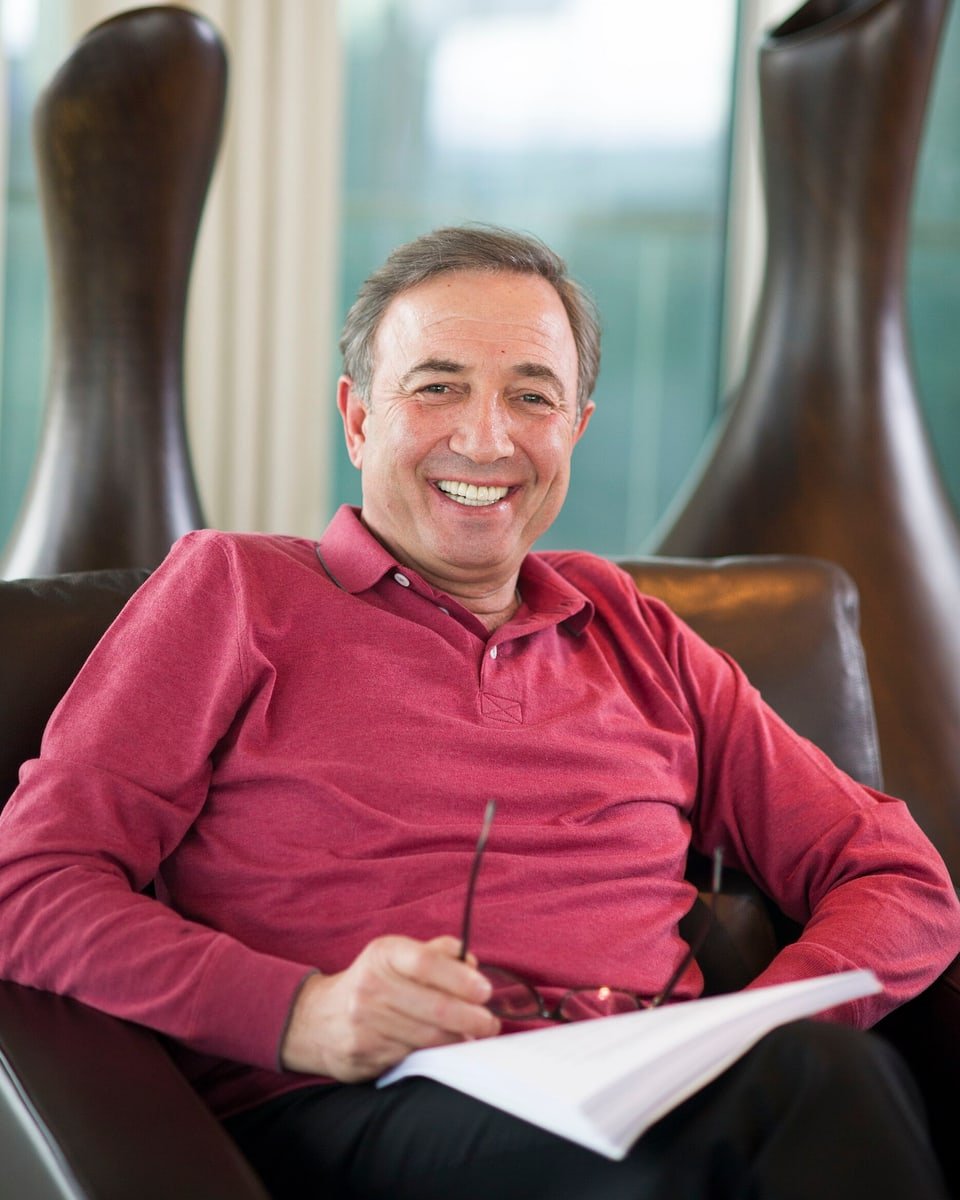
Hamdi Akın: Akfen and the TAV legacy
Wealth snapshot: Forbes estimated his fortune at about $2.3 billion on 10 November 2026.
Akın’s story shows that tourism wealth is also built in infrastructure. He founded the TAV brand in 1997 to develop and operate major airports before selling his stake over time. Airports monetise flows through retail, food, hotels, transport and advertising.
Five-year editorial outlook
Through 2031, the opportunity lies in airport-adjacent real estate, short-stay hotels, integrated mobility, renewable energy and passenger technology. This is an industry scenario, not a claim that Akın will return to airport operations.
Where is the opportunity?
Businesses that reduce transfer time or improve baggage, meetings, food, energy and short stays can address a larger market than hotels alone.
Unknown author Unknown author · Wikimedia Commons · CC BY-SA 3.0
04
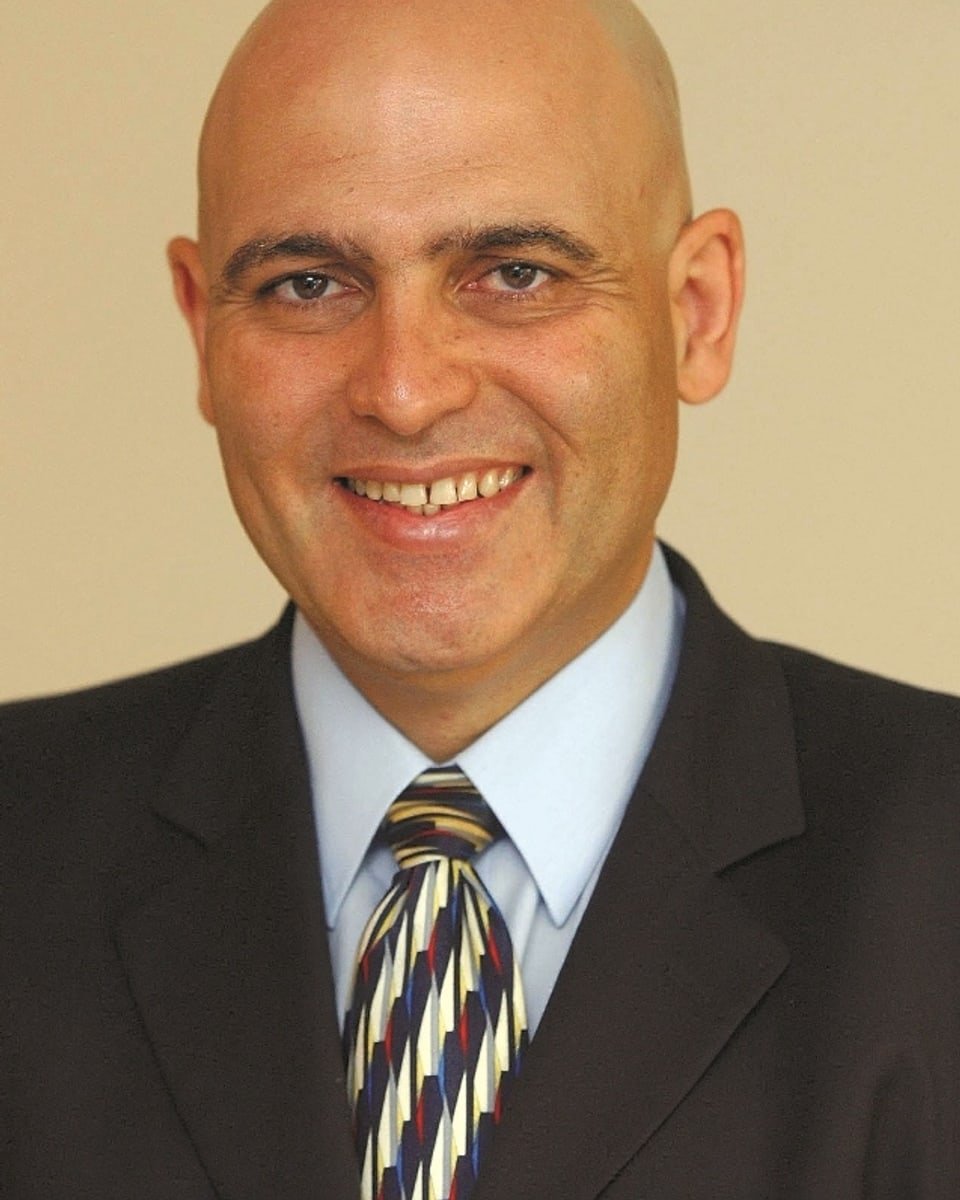
David Fattal: Fattal Hotels and Leonardo Hotels
Wealth snapshot: Forbes estimated his fortune at about $2 billion in November 2026.
Fattal rose from hotel operations to one of the region’s largest private chains. The company reports more than 300 hotels, about 57,000 rooms and over 140 destinations, with a strong European footprint under Leonardo and several boutique and luxury brands.
Five-year editorial outlook
Management has stated a target of 400–450 hotels by 2030. It is a target, not a guarantee. Acquisitions in European cities and a test of the US market may drive growth; rates, renovation costs and uneven quality are the main risks.
Where is the opportunity?
Expanding networks need fit-out, revenue management, content, training, food, mobility and B2B sales for groups and events.
What the next profit pool may look like
The strongest opportunities connect the guest journey: revenue technology, energy, loyalty, wellness, mobility, food, events and multilingual distribution. A credible supplier pitch must quantify additional revenue, lower cost, saved time or access to a defined source market.
Questions readers ask
Is this a definitive ranking?
No. It is an editorial selection of influential wealthy investors and founders representing different tourism business models.
Are the 2031 forecasts guaranteed?
No. They are evidence-based editorial scenarios, not investment advice or promises.

Cite this article
When citing the text or analysis, include the magazine, title, original URL and publication date. Preserve the stated attribution of statistics and photographs.
OUISTARS Travel — Tourism Wealth in the Middle East: Integrated Towns, Airports and Hotel Networks
Published: