





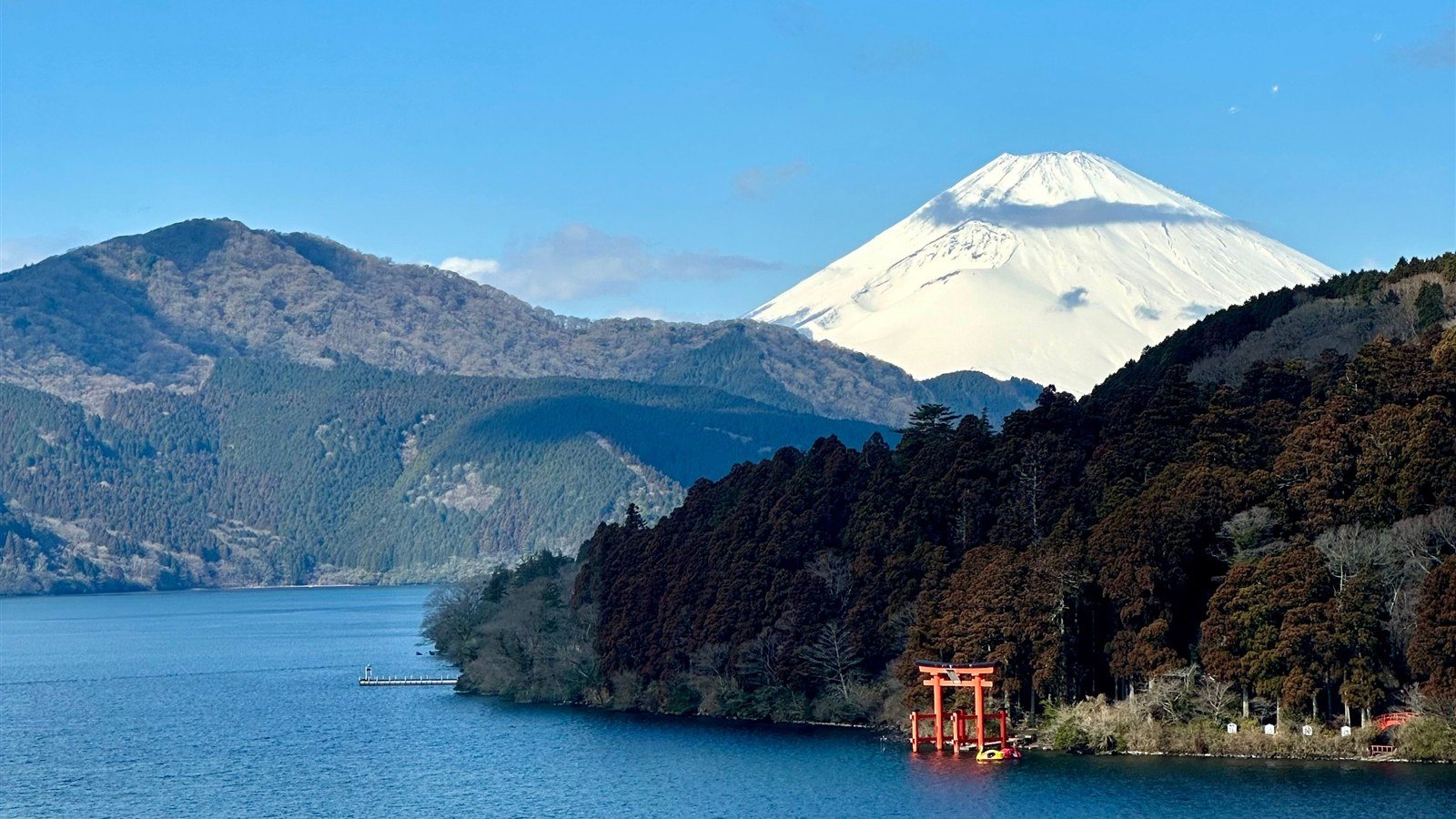

Lake Ashi and Mount Fuji, Hakone, 29 January 2024. Photograph: Natsuko Aoyama / Pexels. Pexels · Licence
For a first visit to Japan in winter 2026–2027, our suggested ten-day route gives Tokyo three days, Hakone two, Kyoto four and departure one. It combines city culture with an onsen stay. Deep snow needs a dedicated destination; neither Tokyo nor Kyoto guarantees it.
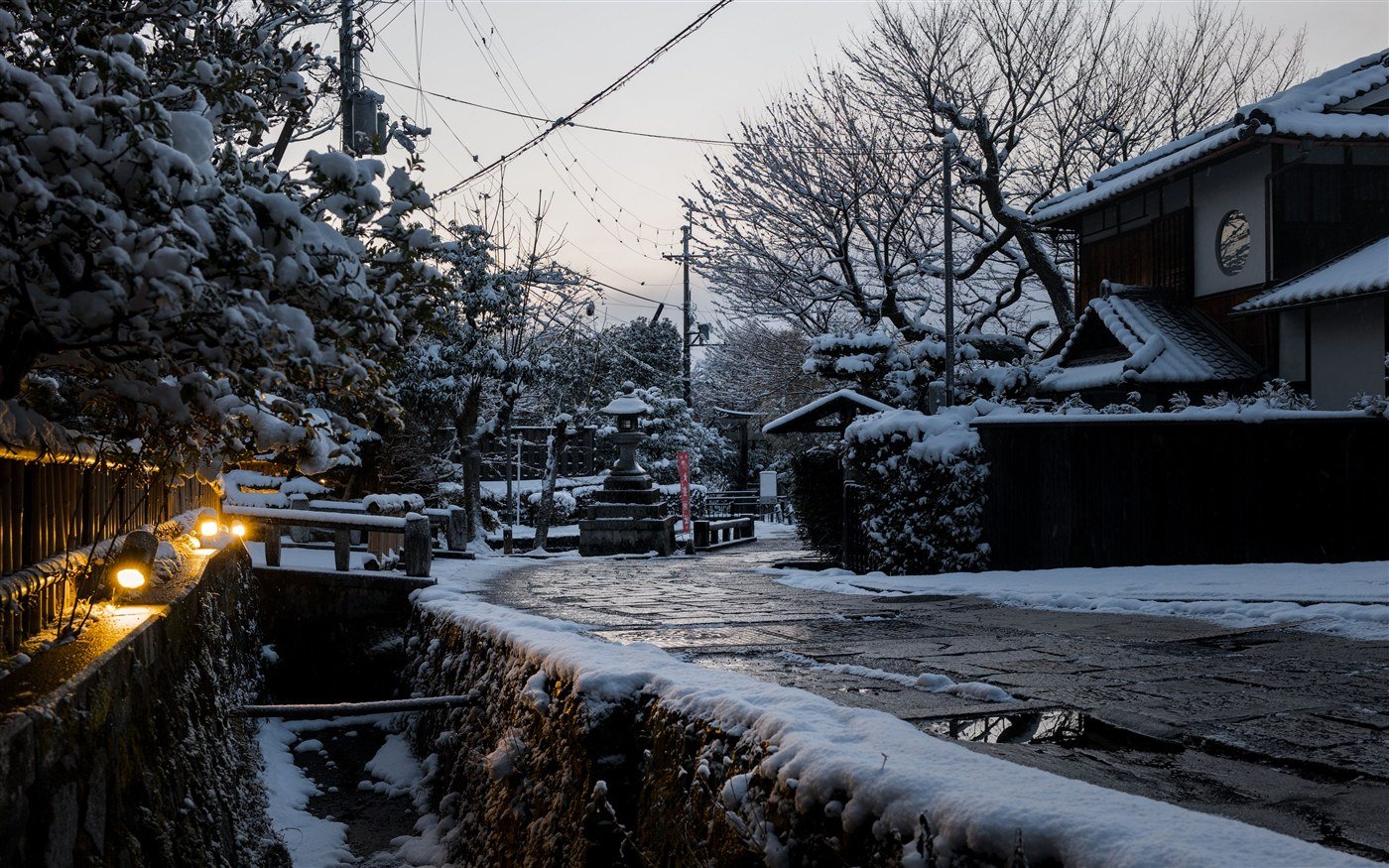
In a photograph of Kyoto, yellow lamplight reaches across wet stone while branches bend beneath fresh snow. The invitation lies in the space between landmarks. That is the starting point for this journey: Tokyo to awaken the senses, Hakone to loosen the timetable, Kyoto to give small details their due. The route is for readers who would rather see a little less and remember a little more.
Planning guide for winter 2026–2027. Sources reviewed 21 November 2026; recheck opening times and services before travelling.
The 10-day Japan winter itinerary at a glance
Days 1–3 · Tokyo · 3 nights
A gentle arrival; pair Asakusa with Ueno, then choose Ginza or Omotesando for another day.
Days 4–5 · Hakone · 2 nights
Travel to a ryokan; allow time for an onsen and a weather-dependent outing.
Days 6–9 · Kyoto · 4 nights
Travel on day six; give Higashiyama, Fushimi Inari and Arashiyama separate days.
Days 10 · Departure
Designed around a Kansai departure; redistribute nights if flying home from Tokyo.
December, January or February?
Choose the month for the experience you want. JNTO’s December guide highlights urban illuminations and warns of busy travel and closures around New Year. If your dates are flexible, compare several weeks rather than anchoring the entire trip to one festive night. Consider January or February if cold weather is part of the appeal; check destination forecasts before committing to outdoor plans.
Tokyo: three days to find your rhythm
Keep arrival day forgiving. Eat near your hotel and save important reservations for the following days. Pair Asakusa and Ueno on day two, then choose one design-and-shopping axis on day three instead of crossing the city repeatedly. The official Tokyo winter guide notes that snowfall in the capital is uncommon. Build your visit around neighbourhoods and evenings, rather than waiting for a white skyline.
Hakone: the stay worth slowing down for
Give Hakone two nights instead of treating it as a photographic stop. Before choosing a ryokan, ask exactly what the rate includes: meals, bathing arrangements, arrival deadlines and privacy. A “private bath” does not automatically mean a natural hot spring inside your room. The Hakone Tourism Association’s winter guide pairs onsen with views of Mount Fuji; the mountain’s appearance still depends on the weather. Keep an indoor alternative rather than making one panorama carry the whole stay.
Your first onsen: choose the right arrangement
JNTO’s bathing guidance explains that conventional communal onsen are used without swimwear: wash before entering and keep your towel out of the water. Tattoo policies vary by establishment. If privacy matters, confirm a private bath and its conditions in writing before paying. Put the phone away and give this hour a break from photographs and appointments.
Kyoto: let one area shape each day
After travelling on day six, spend the evening getting to know your immediate surroundings. Give Higashiyama one day, Fushimi Inari another, and Arashiyama a third—or choose an indoor cultural visit if you want a gentler day. These are planning choices, not a challenge to occupy every hour. Kyoto’s official responsible-travel guidance flags photography restrictions in parts of Gion, temples and restaurants. Read signs, respect private lanes and avoid treating residents as part of a composition.
Where is the snow? Change the map first
If snow is your main reason for travelling, this city-focused route is not the clearest match. JNTO’s winter guide introduces mountain and ski destinations. Choose a dedicated snow stop instead of squeezing an exhausting northern detour into the same ten days. Reduce the city portion and rebuild the route around it. A photograph of white Kyoto records a moment; it does not forecast your visit.
Trains and luggage: buy for the route you will take
Start with the actual journey. Check Hakone’s official access information, then plan onward travel to Kyoto through a suitable station such as Odawara, depending on the service. Compare individual tickets against a pass rather than assuming a Japan Rail Pass will save money. Passholders need a dedicated additional ticket for Nozomi or Mizuho services. Check JR Central’s luggage rules before choosing seats with a large suitcase. Leave room for connections, especially when changing transport with bags.
Budget for nine nights, then decide where to indulge
Begin with three Tokyo nights, two in Hakone and four in Kyoto. Add flights, intercity tickets, local transport, meals, admissions and insurance, with a reserve for changes. Compare a ryokan’s total rate against the meals it includes. Pick the night or two that matters most to you, rather than spreading the same premium across every stay. A conveniently located hotel can give you more useful time than a higher-rated room far from your plans. There is no single honest trip price without dates, room types and cancellation terms.
Before you lock in the bookings
Set arrival and departure first, then the special stay you most want, followed by trains and timed visits. Recheck seasonal opening hours directly and transport status before setting out. Pack layers and comfortable footwear suited to cold, wet days; keep alternatives for rain. If both flights use Tokyo, move one Kyoto night to Tokyo before departure. Avoid making a long-distance train connection the fragile hinge of your flight home.
What you will remember
Fuji may emerge in a clear morning, or disappear behind cloud. You can choose the rhythm in advance: a seat you need not rush to leave, dinner without a race beforehand, a street given the time it deserves. That is the luxury this winter journey makes room for—the part of the day you have not scheduled.
Cite this article
Route and editorial recommendations by OUISTARS Travel. Practical information draws on the official sources linked in the text. Credit the article title and original URL, retaining the attribution of sources and photographs.
Japan in Winter: A Slower 10-Day Journey Through Tokyo, Hakone and Kyoto · OUISTARS Travel
Cite this article
When citing the text or analysis, include the magazine, title, original URL and publication date. Preserve the stated attribution of statistics and photographs.
OUISTARS Travel — Japan in Winter: A Slower 10-Day Journey Through Tokyo, Hakone and Kyoto
Published: