

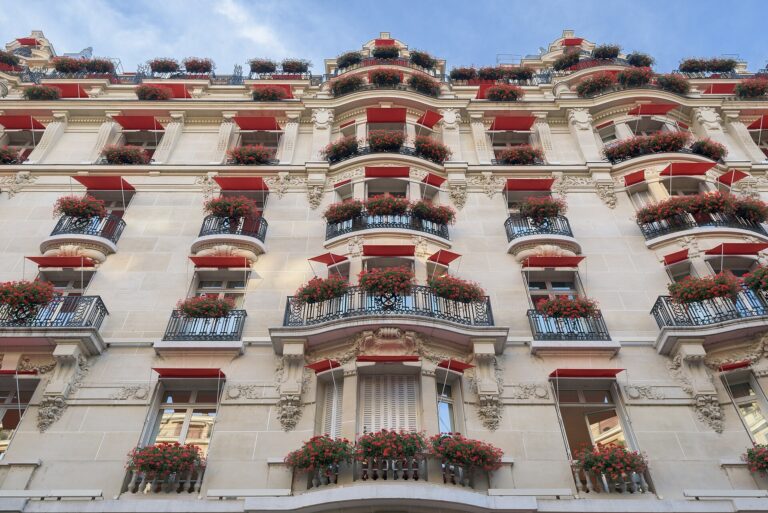


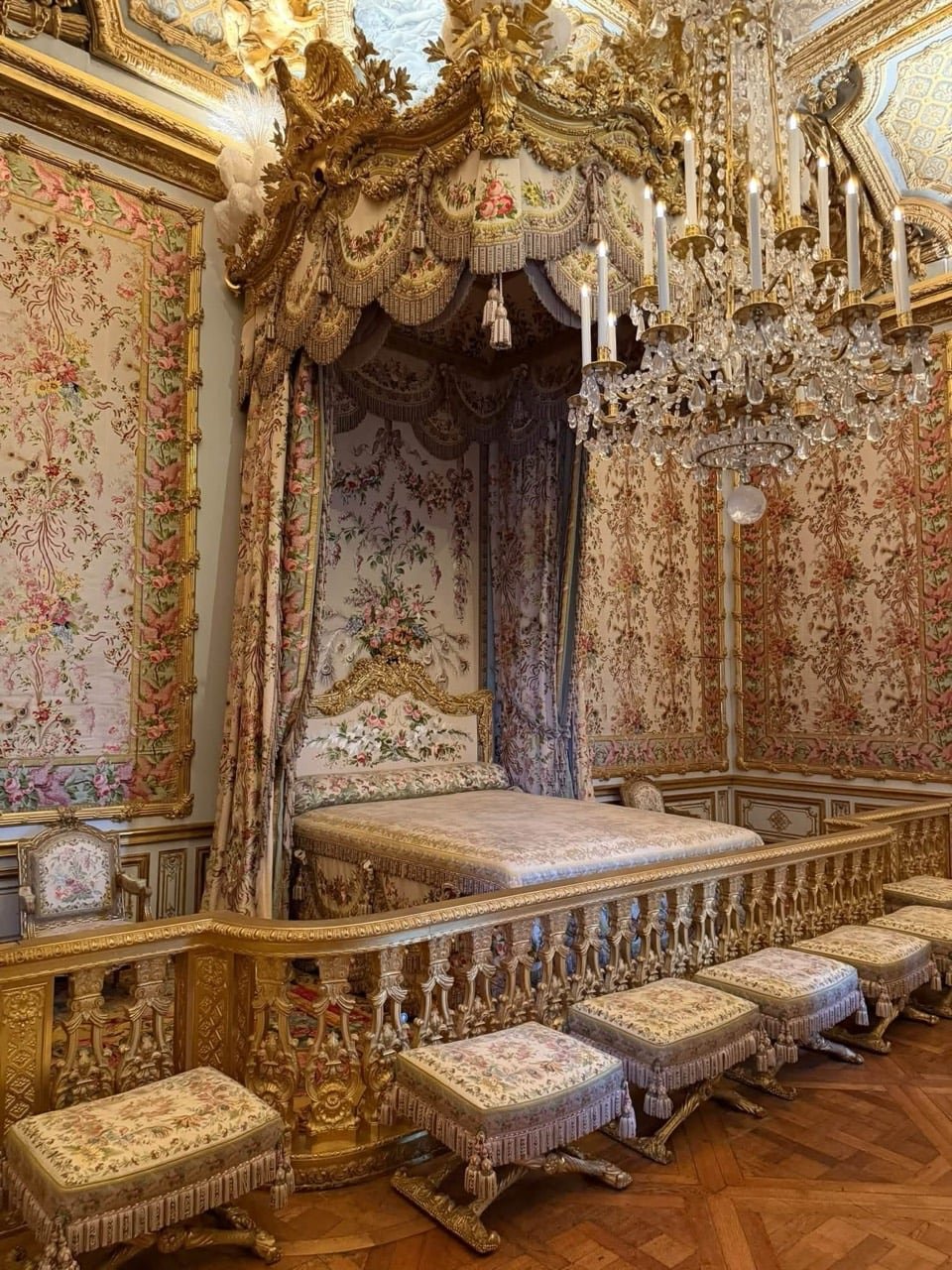

The Queen’s Bedchamber at the Palace of Versailles. Archive photograph supplied to the magazine. The temporary exhibition is at the Petit Trianon.
At Versailles, a queen can reclaim the spotlight without speaking. A dress, a room or a film still is enough to bring Marie Antoinette back into conversation: a woman confined by court life, a symbol of royal excess, or a figure fashion keeps rediscovering?
Sofia Coppola’s Marie Antoinette exhibition at the Petit Trianon runs until 24 January 2027. Marking twenty years since the 2006 film, it gives a winter excursion from Paris a cultural focus beyond the familiar photograph at the palace gates. Official exhibition information.
Why do we keep returning to Marie Antoinette?
The subject invites questions that feel contemporary. How is the public image of a closely watched woman constructed? What happens when her clothes and rooms become symbols? And how should a viewer distinguish historical judgment from the sympathy a film creates?
A beautiful dress cannot acquit or condemn its wearer. It can, however, lead us towards the distance between a person and the image assembled around her. In a culture where pictures travel faster than explanations, that distance remains a compelling subject.
When fashion becomes a way into history
An encounter with history may begin with colour or fabric and expand into questions about court life. Luxury catches the eye; the more interesting question follows. Who was the appearance intended for? Was dressing an expression of preference, a performance of position, or both?
Look beyond whether an outfit is attractive. Consider how a body moves within it, the space between characters, and what a room suggests about rank and privacy. Fashion becomes a language to read rather than an exquisite background to admire.
What does the Sofia Coppola exhibition explore?
Developed with the filmmaker, the exhibition brings together original costumes by Milena Canonero and materials from the production, including props, storyboards, photographs and annotated scripts. Its subject is a cinematic interpretation and the craft behind it; it should not be mistaken for a complete historical biography. The palace’s exhibition announcement.
Compare an object in the display with your memory of the screen. Where does your attention go first? How does a colour suggest pleasure or isolation? What would a scene feel like without its music? These questions make the visit rewarding without requiring a film-studies background.
The Queen’s Bedchamber is a different space
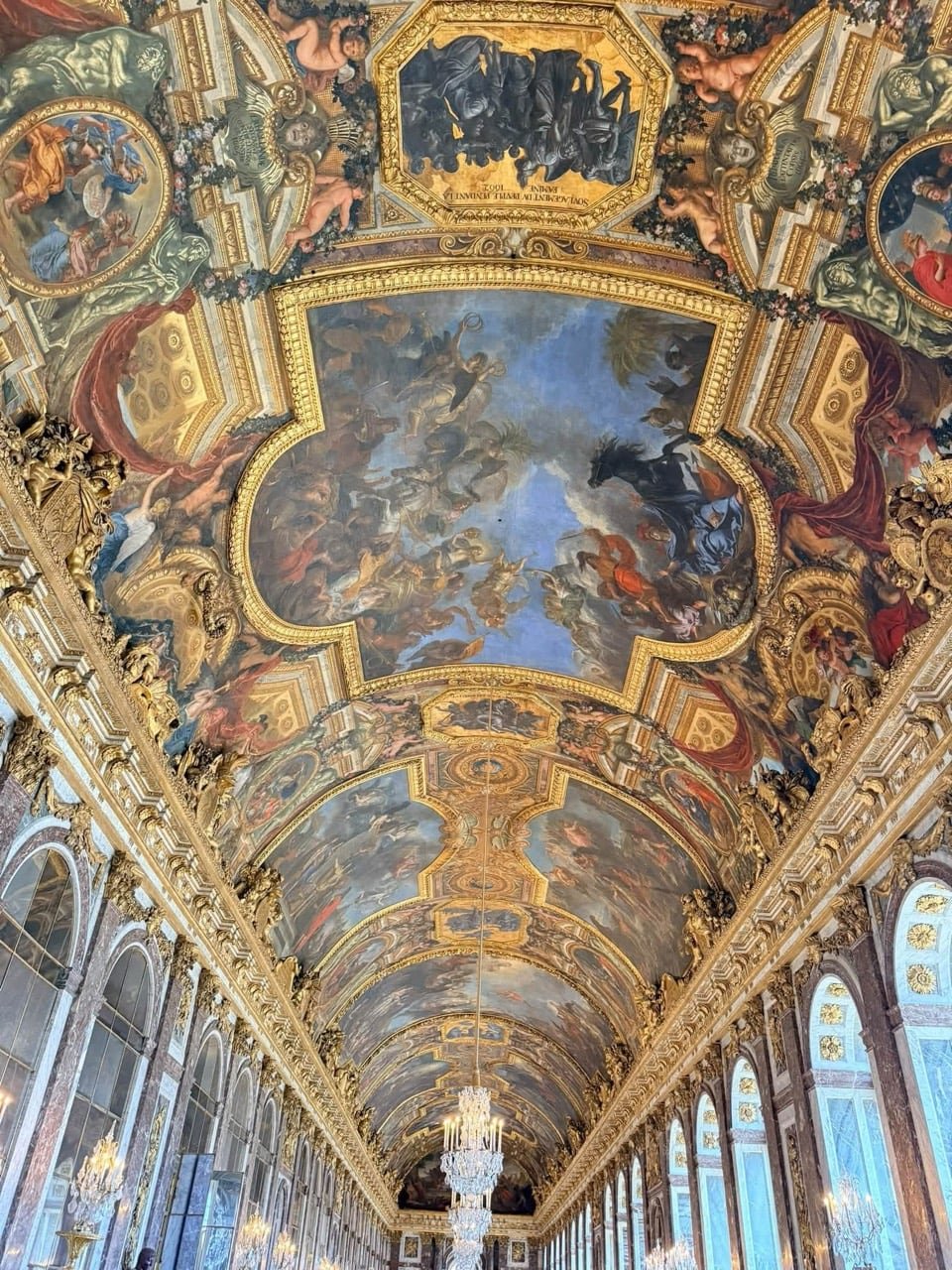
Our opening photograph shows the Queen’s Bedchamber in the main palace; the exhibition takes place at the Petit Trianon. Keeping the distinction clear helps with both ticket choice and the structure of your day.
The palace explains that the room’s fabrics were rewoven from original designs, while the bed and balustrade were reconstructed using historical documents. The room visitors see is therefore not an interior preserved entirely unchanged since the eighteenth century. The Queen’s Apartments: history and restoration.
That distinction adds interest rather than diminishing the setting. A heritage visit also involves looking at how the past is preserved and presented. Notice what has been restored, recreated or placed in context instead of treating every object as an untouched witness.
Planning a winter visit from Paris
Decide what you want to see before choosing a ticket. If the exhibition is your priority, organise the afternoon around Trianon. If you also want the main palace, check that your admission covers both and leave time to move between them. Last admission is not a sensible target for arriving in Versailles.
- Exhibition dates: 22 September 2026–24 January 2027.
- Winter hours: noon–5.30pm; last admission 4.45pm.
- Closures: Mondays, 25 December and 1 January.
The official page lists access through an Estate of Trianon ticket or a Passport. Their coverage differs: check the conditions for your date and visitor category, including any exemption, before paying. A headline price is not automatically the price applicable to every traveller. Official tickets and opening arrangements.
Wear shoes suitable for walking and bring a layer for cold or rain. Avoid an onward reservation that leaves no room for a slower visit. Visitors with access needs should confirm their intended route with the palace: admission to a building does not mean every floor is accessible.
Three ways to get more from the afternoon
- If possible, watch the film beforehand and choose one scene to think about during the visit.
- Concentrate on a small detail—embroidery, a colour, the placement of an object—rather than recording everything on your phone.
- Afterwards, discuss what the visit changed in your interpretation instead of simply choosing the prettiest room.
For a different connection between this destination and fashion, read the night Versailles changed fashion in 1973. For a broader itinerary, consult our Paris cultural agenda, checking the current arrangements for each event.
Questions before you book
Where is the Marie Antoinette exhibition?
At the Petit Trianon on the Trianon estate in Versailles, rather than in the Queen’s Bedchamber shown at the top of this article.
Do I need to see the film first?
You can appreciate the costumes and production materials without doing so, but watching it gives the comparison with the screen greater depth.
Does visiting the exhibition mean seeing all of Versailles?
No. Plan the spaces separately and check your ticket’s coverage; the exhibition and the main palace are not the same visit.
Perhaps Marie Antoinette remains compelling because her image never settles. Each age chooses what it wants to see in her. Versailles offers an opportunity to pause between a figure from history and a queen whom cinema continues to reinvent.
Official palace video: exhibition trailer
Cultural analysis and visit planning; practical information checked on 26 November 2026. Supplied archive photographs do not document a visit to the 2026 exhibition. Confirm current admission arrangements with the palace before travelling.
Cite this article
When citing the text or analysis, include the magazine, title, original URL and publication date. Preserve the stated attribution of statistics and photographs.