










The Cergy-Pontoise memorandum is more than a leisure announcement. It shows a relationship moving from travel flows and French expertise in Saudi Arabia toward Saudi-backed destination development in France.
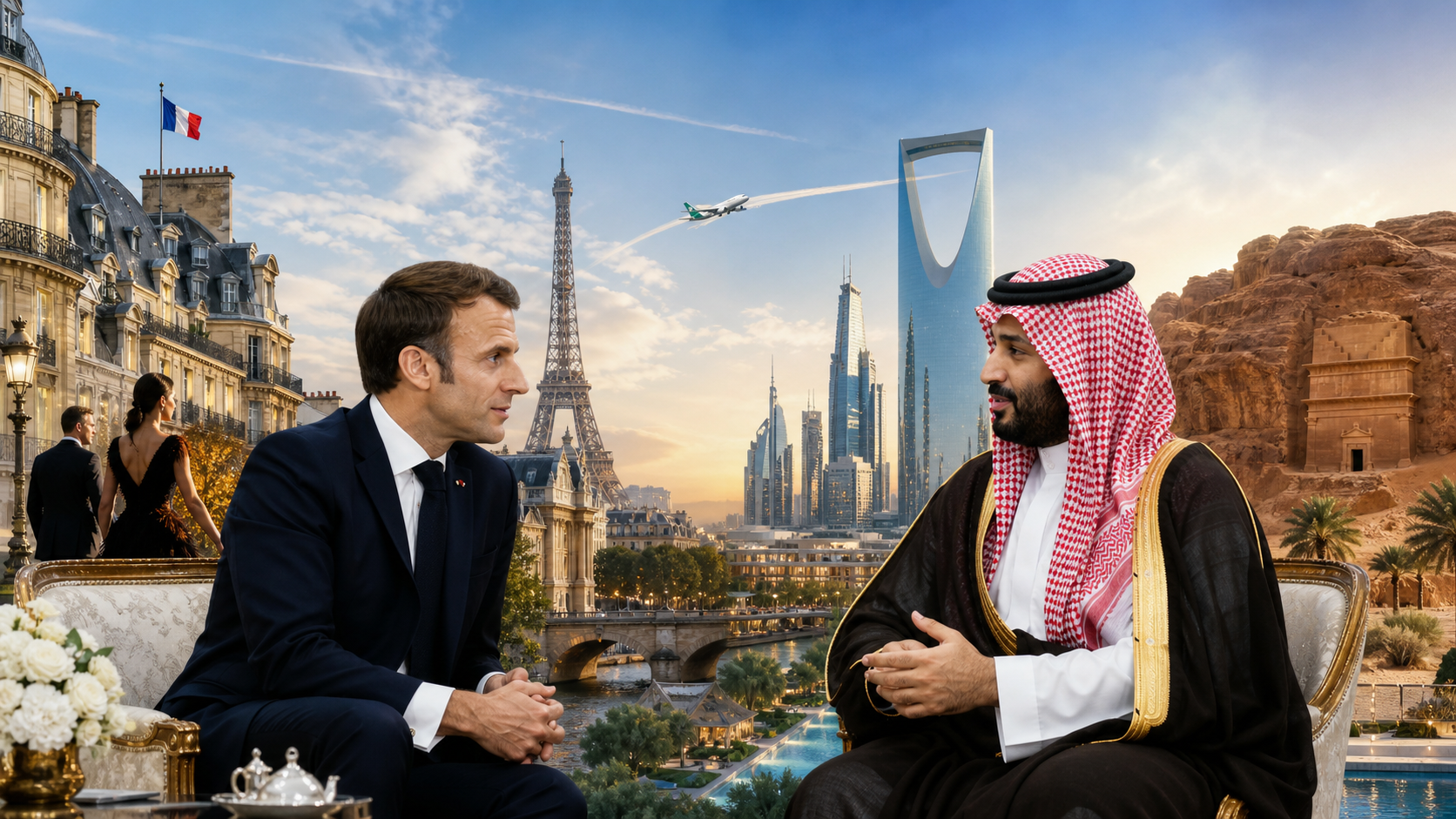
Hero visual: editorial illustration generated for OUISTARS Travel. It is conceptual and is not documentary photography or evidence of a completed project.
Evidence first
Confirmed: France and Saudi Arabia held the first meeting of their Strategic Partnership Council on 24 August 2026; Qiddiya signed an MoU concerning a Cergy-Pontoise mixed-use leisure destination.
Analysis: this demonstrates deeper institutional alignment, not proof that every initial concept will be delivered.
France is still a Saudi travel priority
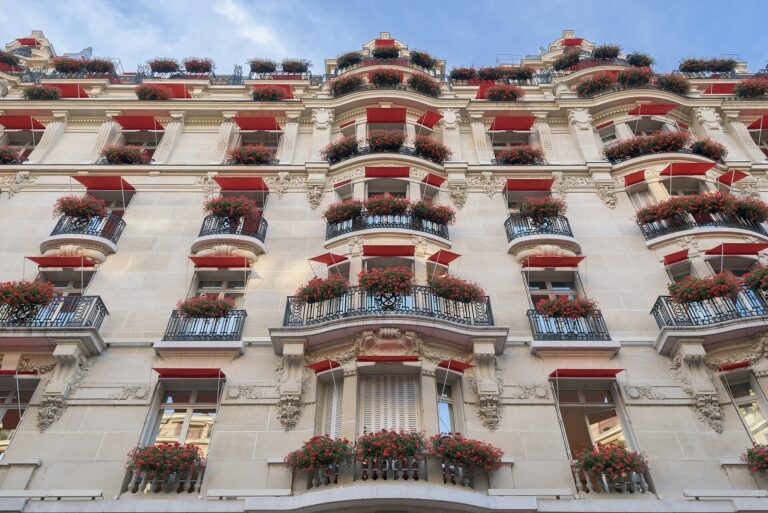
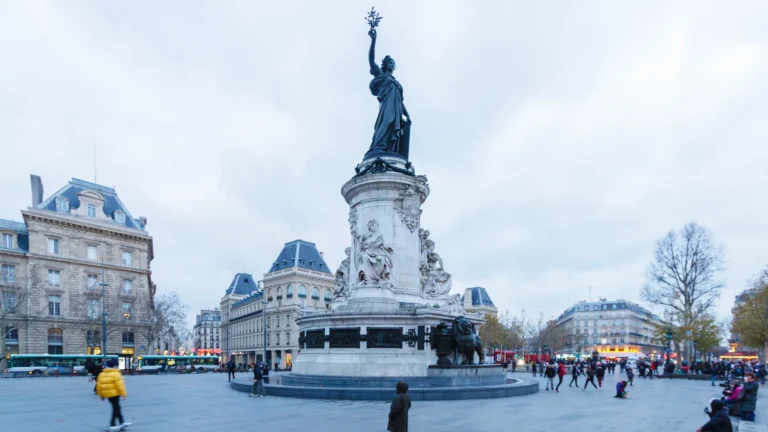
Saudi demand for France is not based on one attraction. It rests on a portfolio: Paris for culture, shopping and hospitality; the Côte d’Azur for summer and private stays; the Alps for winter; business, medical and educational links; family visits; and access to wider Europe.
Visit Paris Region identifies Saudi Arabia as the leading source market in the Gulf and Middle East excluding Turkey. It records 100,000 Saudi visitors in 2024 and 27% growth in the first half of 2025, supported by air capacity. Middle Eastern markets together sent 840,000 visitors to Paris Region in 2024.
Paris Île-de-France welcomed nearly 50 million visitors in 2025 and generated close to €24 billion in tourism impact. Saudi guests enter a mature ecosystem of global brands, specialist advisors and extensive cultural supply.
Air access strengthened the market
Air France launched Paris CDG to Riyadh in May 2025, up to five weekly flights in its launch schedule. Saudia also serves the market. Direct capacity reduces friction for short business trips, family travel and premium connections.
Air access alone does not guarantee growth. Visa processing, fares, geopolitics and seasonal hotel prices matter. Saudi nationals generally require a Schengen visa; France-Visas lists centres in Riyadh, Al-Khobar and Jeddah.
What Saudi travellers value
Luxury with depth
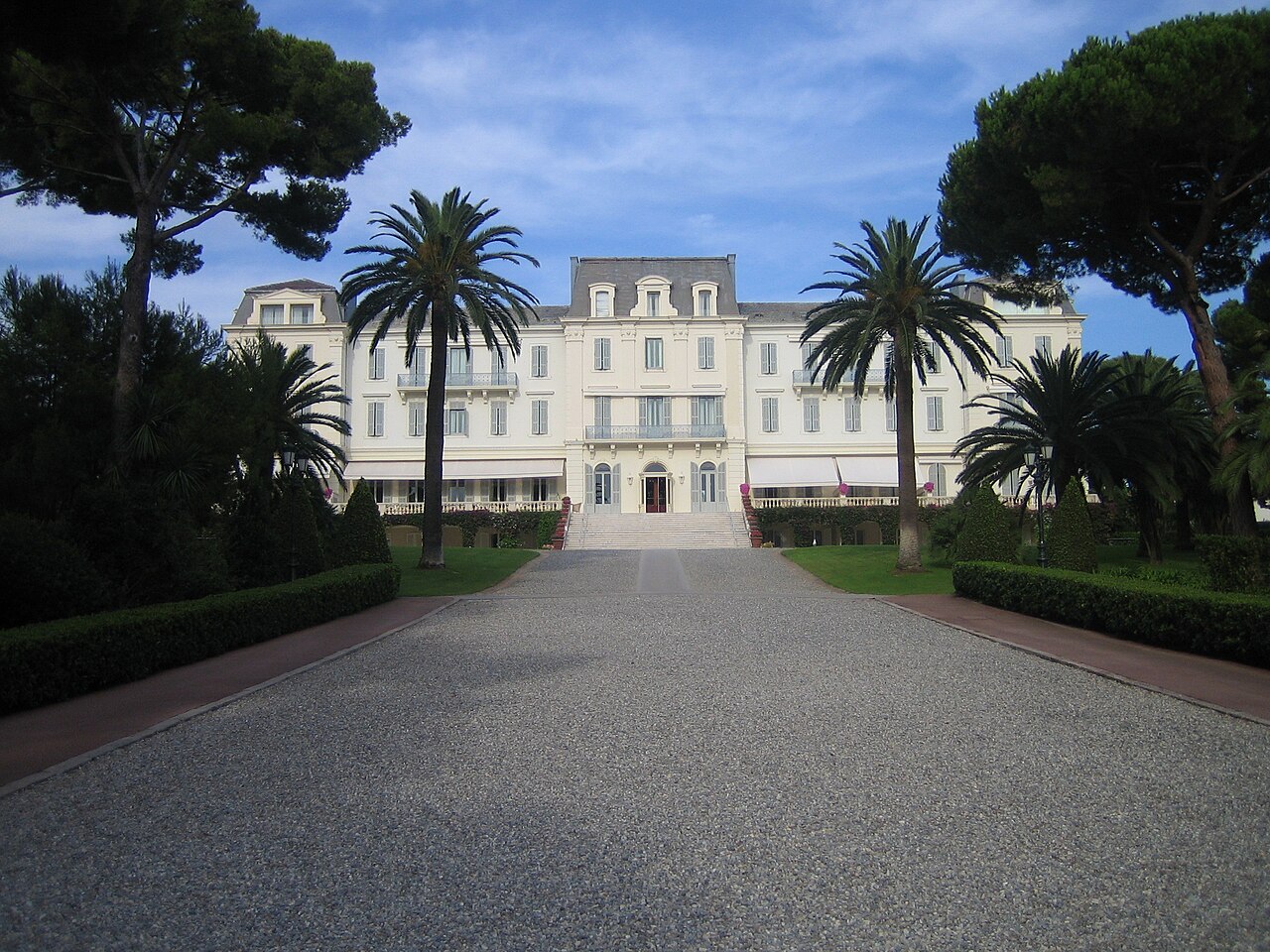
France offers palace hotels, fashion and private shopping, but also craftsmanship, architecture and culture. Premium consumption becomes part of a larger journey.
Multi-generational travel
Connecting rooms, villas, private vehicles, flexible dining and child-friendly experiences matter. Theme parks are one component alongside museums, gardens and regional escapes.
Privacy and accountable service
High-value GCC travel is often intermediated. Families and institutions prefer one coordinator across arrivals, hotels, drivers, restaurants, guides and changes. Arabic communication and cultural fluency are commercial infrastructure.
A multi-destination country
Atout France notes that Gulf travellers favour Paris, the Côte d’Azur and northern Alps while seeking new destinations. Cergy-Pontoise could widen the regional portfolio.
Business ties extend beyond tourism
France Diplomatie describes Saudi Arabia as France’s second-largest trading partner in the Gulf. Its detailed historical baseline records €10.7 billion in bilateral goods trade in 2022. Tourism, urban and high-speed rail, healthcare, agriculture and energy are identified as opportunities.
That 2022 figure is a dated benchmark, not a 2026 total. The strategic direction is wider diversification: transport, water, logistics, culture, hospitality, digital industries and skills.
AlUla created a long-term model
An intergovernmental agreement in 2018 created the French Agency for AlUla, supporting urban planning, architecture, environment, heritage, tourism, education and training. France Diplomatie calls AlUla emblematic.
AlUla shows cooperation can include institutions and capability transfer, not just promotion. Cergy-Pontoise points in the opposite geographic direction: Saudi capital and entertainment know-how exploring a French destination. Together, the two directions suggest reciprocity.
What the new council changes
Summit announcements often fail when no institution owns follow-through. The Strategic Partnership Council can give senior continuity across investment, finance and regulation. For tourism businesses, the signal is that travel, culture, entertainment, sport and investment are increasingly connected.
Why France benefits
- Investment: long-duration leisure capital can create construction and operating demand.
- Regional distribution: a northwest destination could spread tourism beyond central Paris.
- Exports: French hotel, engineering and cultural expertise can build two-way partnerships.
- Talent: training can create transferable attractions and hospitality skills.
- Market intelligence: serving Saudi guests well supports wider GCC competitiveness.
Constraints belong in the strategy
France competes with London, Switzerland, Italy, Spain and new luxury destinations. Inconsistent service, unsuitable room configuration, limited Arabic support and transport friction weaken its advantage. Saudi-linked investment will also face scrutiny on governance, environment, labour and public value. Serious partnership requires transparent answers.
OUISTARS interpretation
The MoU does not rewrite relations by itself. It matters because it combines three converging domains: tourism demand, strategic investment and cultural-entertainment cooperation. If governance and delivery follow, the corridor can become a platform for two-way destination development.
Continue the series
For Saudi and GCC travel to France
OUISTARS concierge and travel coordination supports private and institutional journeys with Arabic-aware planning, chauffeurs, hotel coordination and tailored experiences. Agencies and corporate buyers can discuss white-label and DMC requirements through OUISTARS.
Sources
Élysée, France Diplomatie, Visit Paris Region, Atout France, Air France, France-Visas and Qiddiya. Current and historical figures are dated to prevent false comparisons.
Frequently asked questions
How important is Saudi Arabia to Paris tourism?
Visit Paris Region identifies it as the leading source market in the Gulf and Middle East excluding Turkey, with 100,000 visitors in 2024 and 27% growth in the first half of 2025.
Why is France attractive to Saudi travellers?
Paris combines luxury hospitality, shopping, culture, gastronomy and family leisure, while the Riviera and Alps extend the portfolio.
What does the Cergy-Pontoise MoU signal?
It suggests a more reciprocal relationship: Saudi entertainment capital may develop infrastructure in France while French expertise contributes to Saudi projects.