









Four Paris names dominate hotel searches: Champs-Élysées, Opéra, Eiffel Tower and Le Marais. They are all central enough to work, yet they produce very different days. The best choice is not the district with the most famous postcard; it is the district that makes your repeated journeys easy and your evenings feel right.
The four areas at a glance
Champs-Élysées and the 8th suit luxury shopping, high-service hotels, grand avenues and west-Paris business. Opéra and the 9th offer powerful transport, department stores and a central operating base. Eiffel Tower, the 7th and Trocadéro provide iconic views and calmer residential streets. Le Marais rewards walking, design, food, history and nightlife in a denser, older urban fabric.
Those descriptions are starting points, not boundaries. Hotel results labelled “Eiffel Tower” may be in the 7th, 15th or 16th. “Champs-Élysées” can stretch from the avenue itself to the Golden Triangle or Arc de Triomphe. Always plot the exact entrance.
Champs-Élysées: ceremony, luxury and a western axis
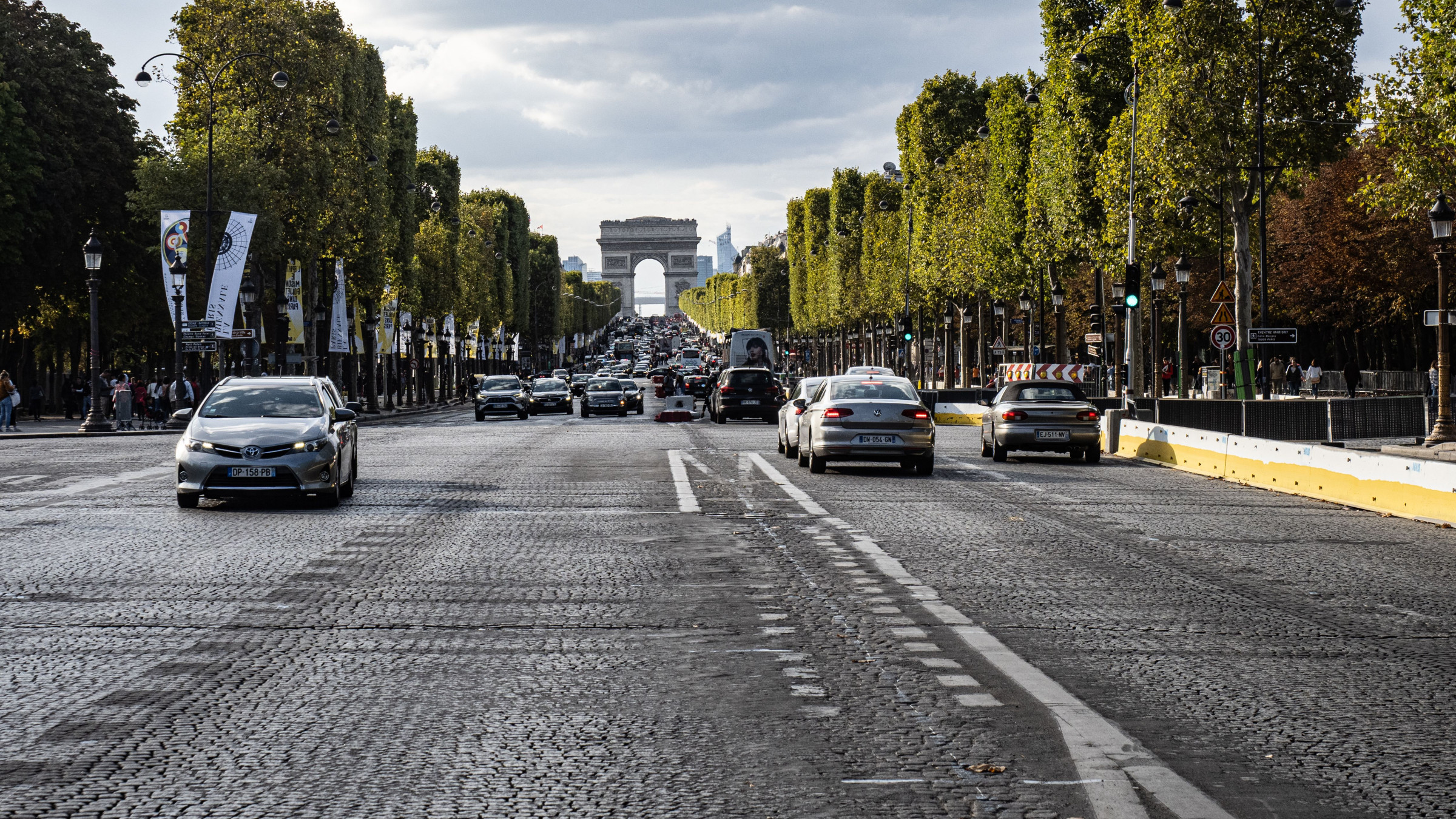
The 8th arrondissement is Paris at its most formal: the Champs-Élysées, Arc de Triomphe, avenue Montaigne, avenue George V, rue du Faubourg Saint-Honoré and major international hotels. Paris je t’aime describes the Golden Triangle between Montaigne, the Champs-Élysées and George V as a centre of haute couture. This is the natural base for luxury retail, high-level meetings in the west and guests who value large-service hotel operations.
Its strengths are arrival theatre, strong concierge infrastructure and easy chauffeur access to many prestige addresses. The trade-offs are traffic, crowds on the main avenue and a polished atmosphere that can feel less intimate. Choose a side street or avenue Montaigne area for refinement; choose nearer Étoile for Arc de Triomphe connections and access towards La Défense.
Best for: premium first impressions, luxury shopping, delegations and western business. Check: street noise, vehicle stopping arrangements and walking distance from the room to the actual avenue.
Opéra: the most versatile transport-led base
Opéra combines the Palais Garnier, Haussmann boulevards, Galeries Lafayette, Printemps and the covered passages. Its practical advantage is connectivity: Métro lines 3, 7 and 8 serve Opéra, while Auber is on RER A and Haussmann-Saint-Lazare links additional suburban services. That makes the area unusually capable for itineraries pulling in several directions.
The hotel range is broad, from compact independents to substantial international properties. The atmosphere changes quickly: grand around Place de l’Opéra, commercial near Haussmann, more residential uphill towards Nouvelle Athènes, livelier towards Grands Boulevards. It is a good compromise when different travellers want shopping, culture, offices and train links.
Best for: short stays, mixed itineraries, shoppers, business travellers and groups needing a clear meeting point. Check: whether “Opéra” is truly walkable, room soundproofing and coach access on narrow streets.
Eiffel Tower and Trocadéro: the postcard with a quieter rhythm
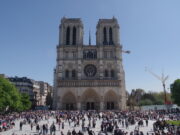
The Eiffel orbit spans distinct experiences. The 7th around Champ de Mars and Invalides feels elegant, institutional and residential. Trocadéro and the 16th offer celebrated tower perspectives, broad avenues and an upscale neighbourhood rhythm. Parts of the 15th can provide a more everyday setting with useful larger-hotel inventory.
This area is compelling for a first visit, a celebration or a guest who wants the landmark to anchor the stay. Yet a tower view is a room-category claim, not a neighbourhood guarantee. It can be full, partial, lateral or visible only from a balcony. Our Eiffel Tower view hotel guide explains how to secure the exact view in writing.
Transport can be less direct for an itinerary concentrated in Le Marais or the eastern stations. The streets may also become very quiet at night. Best for: landmark moments, romance, families seeking calm and diplomatic or institutional visits. Check: exact view language, nearest station, evening dining and walking distance across the large Champ de Mars area.
Le Marais: live Paris on foot
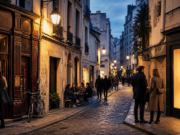
Across mainly the 3rd and 4th arrondissements, Le Marais layers seventeenth-century private mansions, Place des Vosges, museums, Jewish heritage, LGBTQI+ culture, boutiques, cafés and bars. Paris je t’aime calls it village-like, fashionable and made for walking. Staying here replaces some transit with street life.
The reward is intimacy and texture. The constraint is the historic fabric: smaller rooms, fewer full-service hotels, compact lifts, old staircases and difficult vehicle access are common possibilities. A chauffeur may not reach the door at certain times or on certain streets. Our Le Marais cultural guide gives the deeper context.
Best for: repeat visitors, design and food lovers, independent travellers and people who want nightlife close. Check: lift dimensions, air conditioning, weekend noise, luggage drop and the distance to the nearest traffic-accessible street.
Choose according to the trip, not the label
A first-time couple may prefer Trocadéro for the emotional view, while another will enjoy Le Marais because every evening becomes a walk. A fashion buyer may save hours near the 8th. A family can prefer the quieter 15th edge of the Eiffel area if the room is larger. A group may choose Opéra because multiple arrivals can navigate it easily.
Run a simple test: mark the hotel, your three most important appointments, the airport or station route and two likely dinners. Calculate journeys at the actual hours. Then inspect the last 300 metres on foot, because a métro interchange that looks efficient on a map may be tiring with children or luggage.
Our broader complete guide to choosing a Paris hotel and neighbourhood covers the rest of the city and the decision method.
How oui stars can connect the stay
As a France-based travel, DMC and concierge partner, oui stars can compare suitable hotel options by location, category, budget and room configuration for individuals, families, groups and delegations. Reservations can be coordinated with airport reception, Meet & Greet, private chauffeur, luggage and group logistics, excursions and concierge support from arrival to departure.
Every recommendation should be rechecked for the actual dates. Room features, connecting doors, views, access, service hours, rates and availability remain subject to written confirmation by the hotel or relevant supplier.
Frequently asked questions
Which area is best for a first visit to Paris?
Trocadéro delivers the iconic view, Opéra offers versatile transport, and Le Marais gives an immersive walking experience. Choose according to your main daily route.
Is Champs-Élysées the most central area?
It is central to the prestigious western axis, but not to every attraction. Louvre and Le Marais itineraries may be easier from Opéra or Paris Centre.
Is the Eiffel Tower area good for families?
Often yes, especially quieter streets in the 7th, 15th or 16th, but verify room size, food options and station distance.
Can every Eiffel-area hotel guarantee a tower view?
No. The view must be attached to the exact room category and confirmed in writing.
Is Le Marais difficult with luggage?
It can be. Some streets and historic buildings complicate vehicle access, lifts and stairs, so plan the final arrival segment.
Which area is best for business travellers?
Opéra is a strong all-round base; Champs-Élysées and Étoile work well for western Paris and La Défense. The actual meeting location decides.




[…] plan or multiple vehicles. A larger property may operate arrivals and luggage more smoothly. Our four-area Paris comparison explains the daily […]
[…] comparison of four Paris hotel areas explains the geographical personalities; event travel adds a time-and-access […]