










Special report | Updated 14 September 2026
By Osama Samaha, Editor-in-Chief, oui stars Travel
In Saint Catherine, travel does not begin at a hotel door and it does not end on a summit. It begins when the noise of ordinary life recedes—and a road through Sinai’s granite asks a quieter question: what has humanity remembered here, and what are we still looking for?
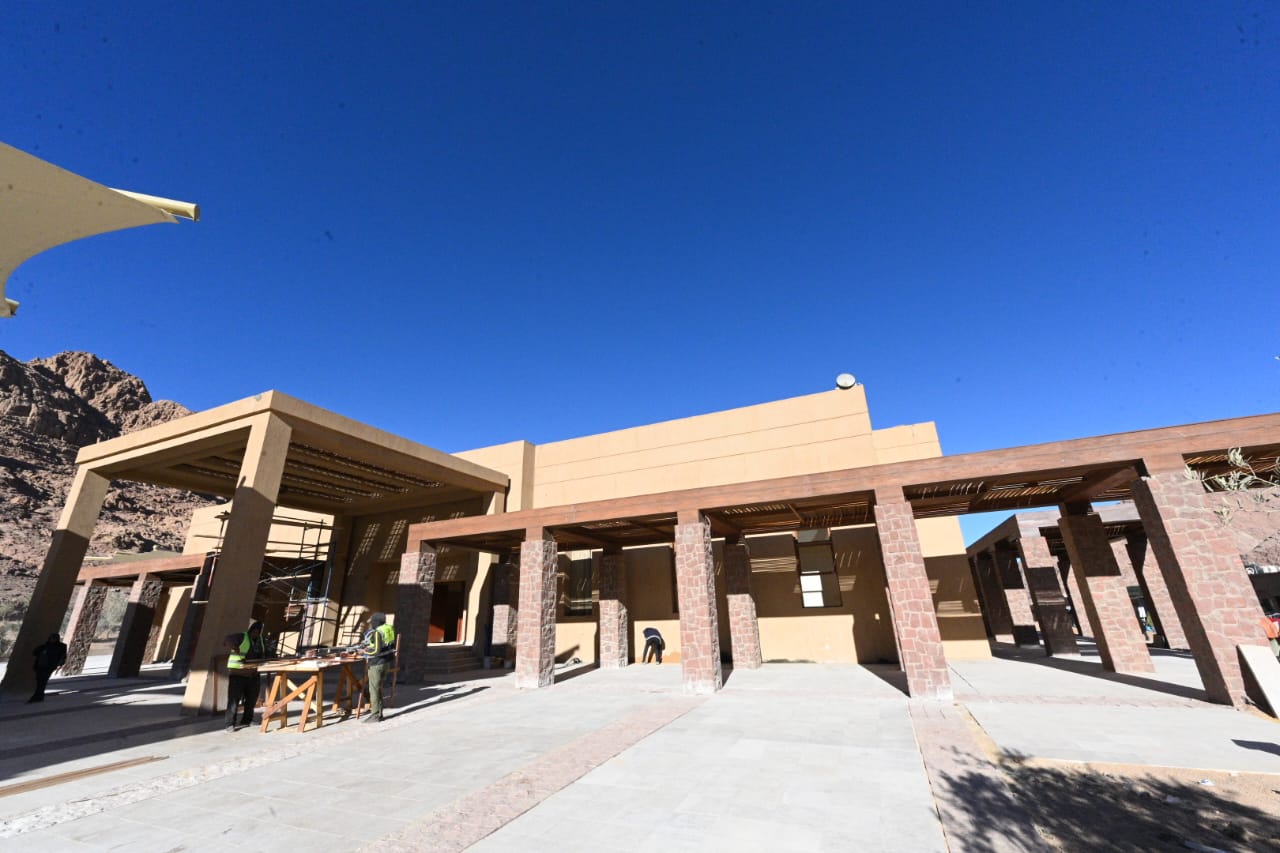
Some destinations invite us to look; others ask us to listen. Saint Catherine belongs to the latter. Mountain, valley, monastery, dawn silence and centuries of pilgrimage form an unusually powerful spiritual geography. Egypt’s Great Transfiguration Project above the Land of Peace is now building a new arrival experience around it. The essential challenge is not simply to finish the buildings. It is to improve access without erasing the qualities that made the place exceptional: stillness, sacred memory and a fragile high-desert landscape.
The memory of Moses: scripture, tradition and place
Moses holds a central place in the Quran. The Quranic Arabic Corpus counts his name 136 times—more than that of any other prophet—and Islamic exegetical tradition includes him among the five messengers of exceptional resolve, the Ulul ‘Azm. The Quran says, “And Allah spoke to Moses directly” (4:164); it evokes the sacred valley of Tuwa (20:12) and the divine manifestation to the mountain (7:143).
“When his Lord revealed His glory to the mountain, He levelled it to dust, and Moses collapsed unconscious.” — Quran 7:143, meaning rendered in English
Precision matters. Scripture does not provide modern coordinates. Identifying today’s Jabal Musa and the landscape around Saint Catherine’s Monastery as the traditional Mount Sinai is a venerable religious and historical identification, sustained by pilgrimage across centuries. It is not an archaeologically conclusive solution to every scholarly debate about Sinai geography.
| Scripture | The Quran and Bible speak of Sinai/Horeb, the sacred valley, revelation and the mountain—within their respective texts. |
|---|---|
| Religious tradition | Jewish, Christian and Islamic memory has long invested the wider Sinai landscape with exceptional significance; Christian pilgrimage established the present monastic site. |
| Historical interpretation | Scholars continue to debate exact routes and locations. There is no single archaeological finding that settles them all. |
| Modern identification | Jabal Musa beside the monastery is presented and visited as traditional Mount Sinai, rising to 2,285 metres. |
This distinction does not diminish the place. It protects it from easy exaggeration—allowing faith, history and travel to meet without pretending they are the same form of evidence.
Saint Catherine at a glance
| Location | The highlands of South Sinai, within the Saint Catherine Protectorate. |
|---|---|
| Town elevation | Approximately 1,600 metres above sea level. |
| Jabal Musa | 2,285 metres, according to Egypt’s official tourism platform. |
| Climate | Dry and high-altitude; nights are far colder than the coast, with frost and occasional snow in winter. |
| Preferred hiking window | Generally October to May, always subject to the forecast. |
| Typical ascent | About 3–4 hours, depending on fitness, route, crowds and weather. |
| Key sites | Saint Catherine’s Monastery, Jabal Musa, Wadi al-Raha and the mountain trails. |
| Project status | About 97.5% complete in the latest official figure, published 20 June 2026. |
| Opening | No final official opening date has been confirmed. |
| New hotels | Construction and operational preparations; no verified public booking channel for the new components as of 14 September 2026. |
| Practical access | Pre-arranged road transfer remains the reliable plan. Do not build an itinerary around Saint Catherine Airport without a confirmed airline service. |
What the Great Transfiguration Project actually includes
Official Egyptian material uses the name Development of the Great Transfiguration Site above the Land of Peace in Saint Catherine. It is not a single attraction. The programme combines hospitality, visitor reception, public spaces, local housing, roads and utilities, flood protection, electricity and communications.
On 20 June 2026, Egypt’s State Information Service reported—following a review by the Tourism and Antiquities Minister—that implementation had reached approximately 97.5%, with investment around EGP 25 billion. That is the newest precise official percentage we found. A presidential meeting on 18 April 2026 discussed specific completion timelines but announced no inauguration day.
The editorial bottom line: the project is far advanced, but it has not been documented as fully inaugurated and operating in its entirety. No final official opening date has been confirmed.
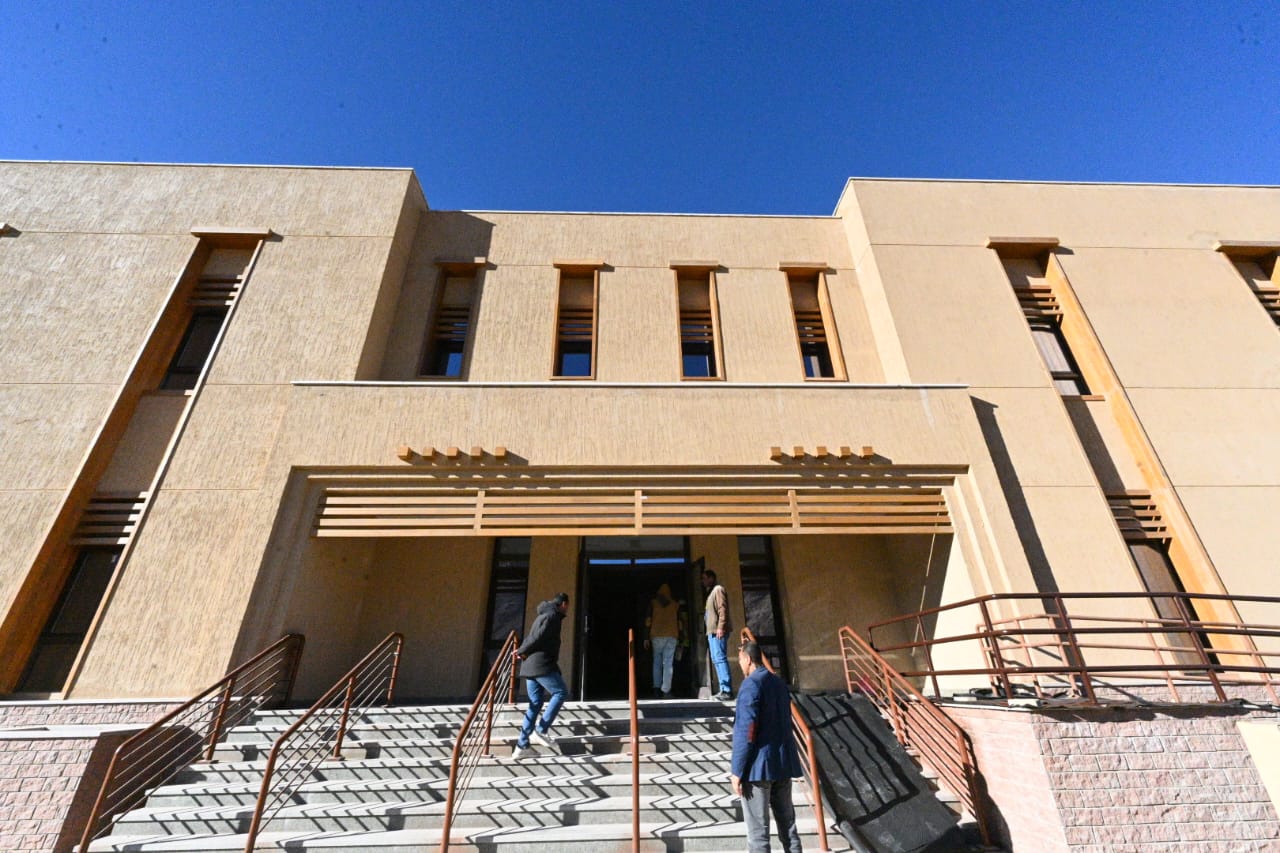
A new visitor centre at the Sacred Valley approach
Housing Ministry material describes a visitor centre of roughly 3,170 square metres at the town entrance. The programme includes information and reception, souvenir shops, administrative and excursion-booking offices, food and beverage, a pharmacy, a planetarium-style 3D presentation, a small lake, landscaped areas and organised parking for coaches, cars and electric vehicles. Its purpose is more than convenience: if operated well, it can organise pressure before visitors enter the most sensitive landscape.
Peace Square and its cultural building
The plan sets out an outdoor square of 12,000 square metres and a 7,300-square-metre building with museum display, theatre, conference hall, café and meeting rooms. Government descriptions say service functions have been placed below ground to reduce visual impact.
Paths, bazaars and civic infrastructure
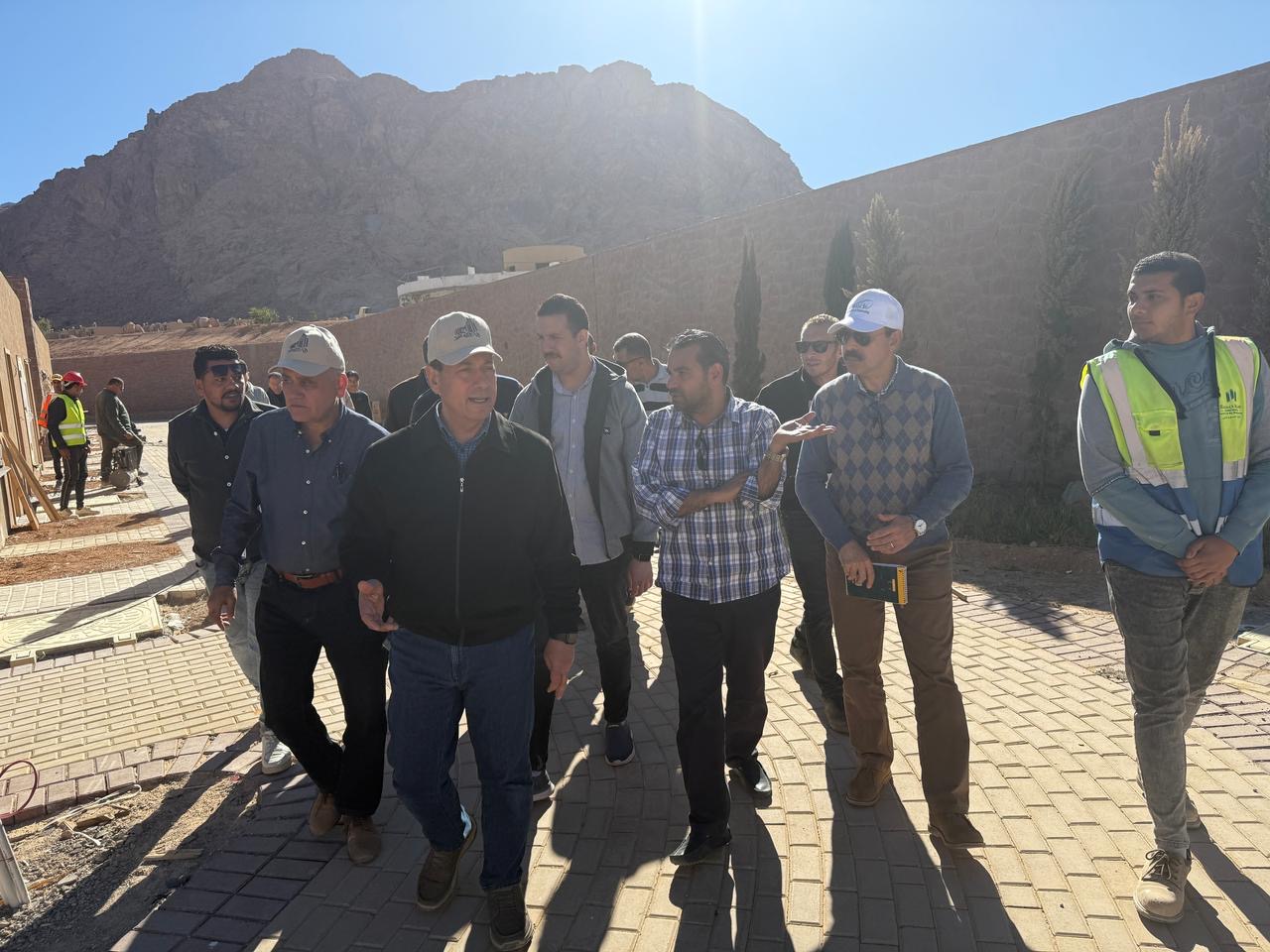
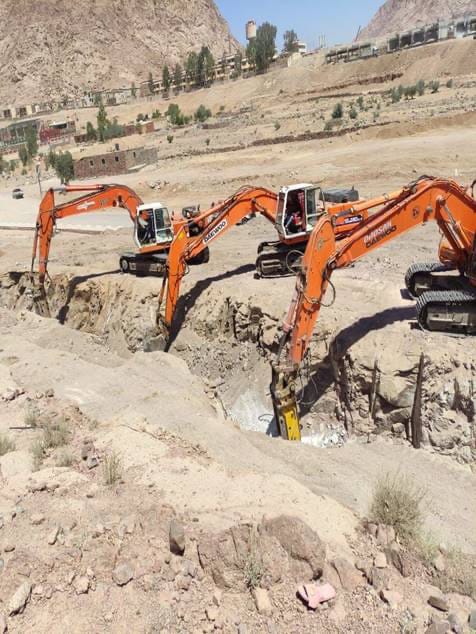
Works also include the Wadi al-Deir pedestrian route, new parking, 16 bazaar units over about 1,500 square metres, a social club, road and utility upgrades and flood-protection measures. Project documents call one connecting walkway the “Moses Path”, designed to evoke a historical route. That is a contemporary interpretive gesture, not archaeological proof of a precise route walked by Moses.
The new hotels: what is verified—and what is not bookable
A development component is not the same thing as an open hotel. As of this report, we found no official public booking page for any of the new properties below.
Integrated Mountain Hotel
Verified scope: 12,900 square metres, 144 rooms and suites, a ground floor plus four levels, pools and accommodation cabins, with views towards the monastery and Wadi al-Raha. Final trading name: not publicly clear. Status: still under finishing works in the last detailed site inspection published on 8 May 2025. Booking: no verified official channel, so none is linked here.
New Eco-Lodge “Extension”
Verified scope: seven buildings in Wadi al-Raha over 39,500 square metres, containing 192 eco-hotel rooms and 56 suites, with a desert garden and a connection to the mountain hotel. Brand/operator: not publicly confirmed for each building. Opening and booking: no current official public channel found.
Existing eco-lodge renovation
The project includes the refurbishment of 74 chalets and Al-Safsafa restaurant. An announcement of works is not an operating notice; we found no sufficiently current official booking page on which to rely.
Mountain tourism resort
Official project material lists four villas and 17 chalets on a plateau overlooking the town and Wadi al-Arbaeen. Government messaging has associated it with rest and local plants; this report makes no medical or therapeutic claims. No final brand, public opening date or official booking page could be verified.
What about Steigenberger? In March 2024, the Cabinet announced management and operation arrangements involving Steigenberger/Deutsche Hospitality for hospitality components at Saint Catherine. By 14 September 2026, however, we could not find a live brand property page specifying the final name and taking reservations. We therefore report the announced agreement without assigning every project component to the brand or calling any of them open.
Heritage protection is not a footnote
UNESCO inscribed the Saint Catherine Area on the World Heritage List in 2002. It describes the sixth-century monastery as one of the world’s oldest Christian monasteries still performing its original function, with exceptional manuscripts and icons set in a landscape of profound spiritual commitment. UNESCO also notes that high visitor numbers can threaten the place’s peace, identity and integrity, while flash floods, rockfalls and winter weather remain physical risks.
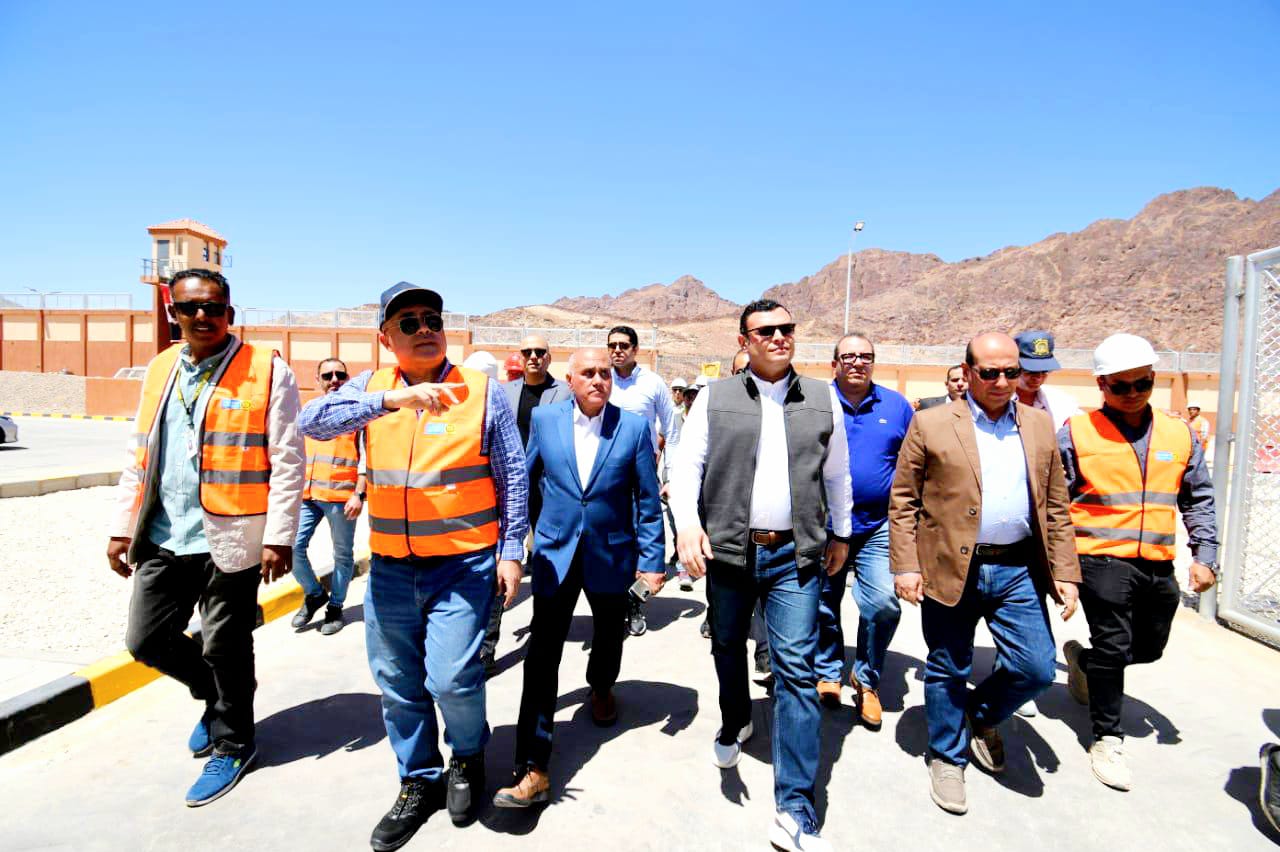
The project’s true test will therefore begin after construction: traffic volumes, waste and water management, night lighting, noise, respect for Bedouin communities and protection of the monastery’s setting and mountain routes. Spiritual value is not poured in concrete. It is often preserved by limits, patience and quiet.
Saint Catherine’s Monastery: a living religious house
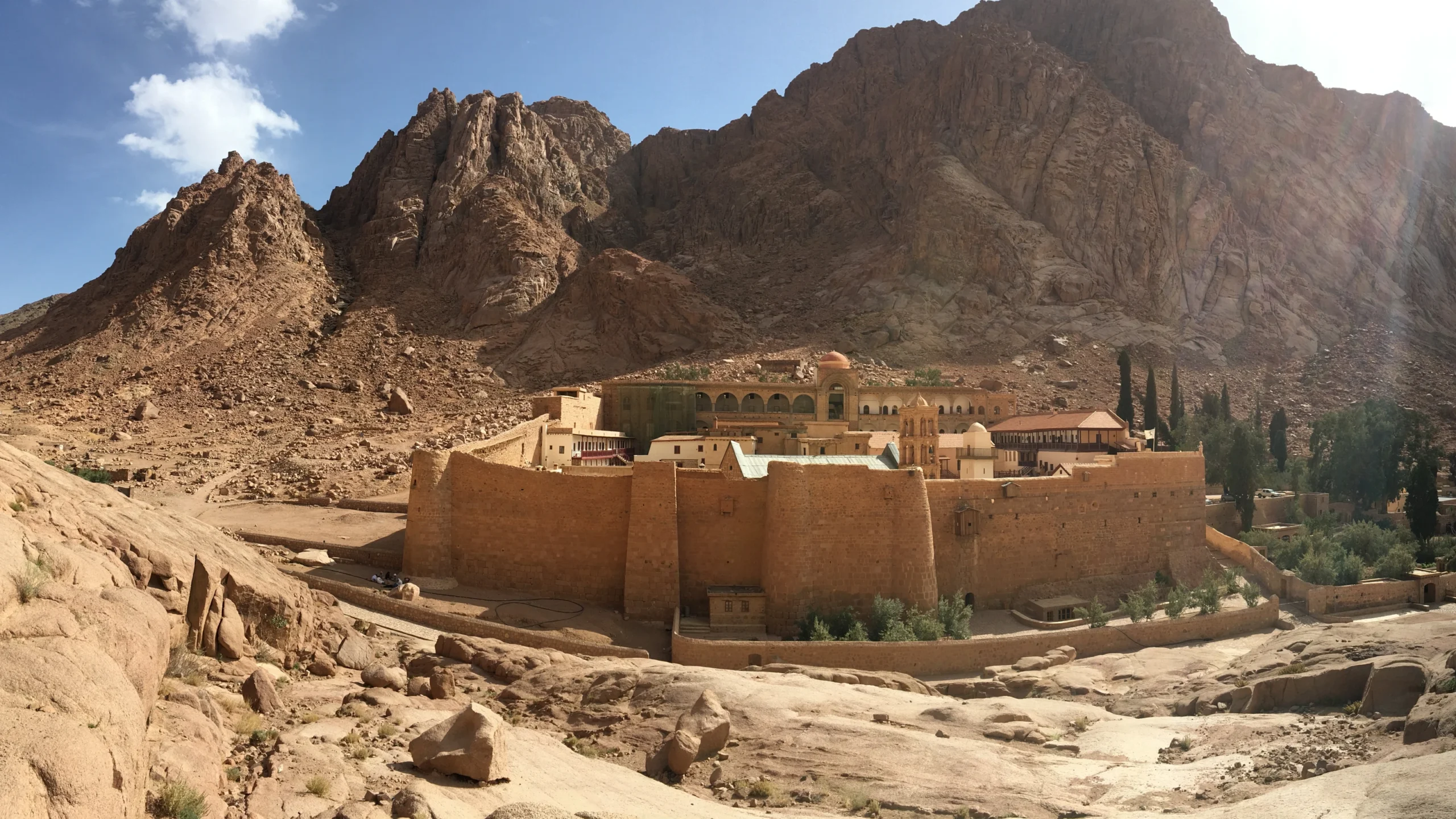
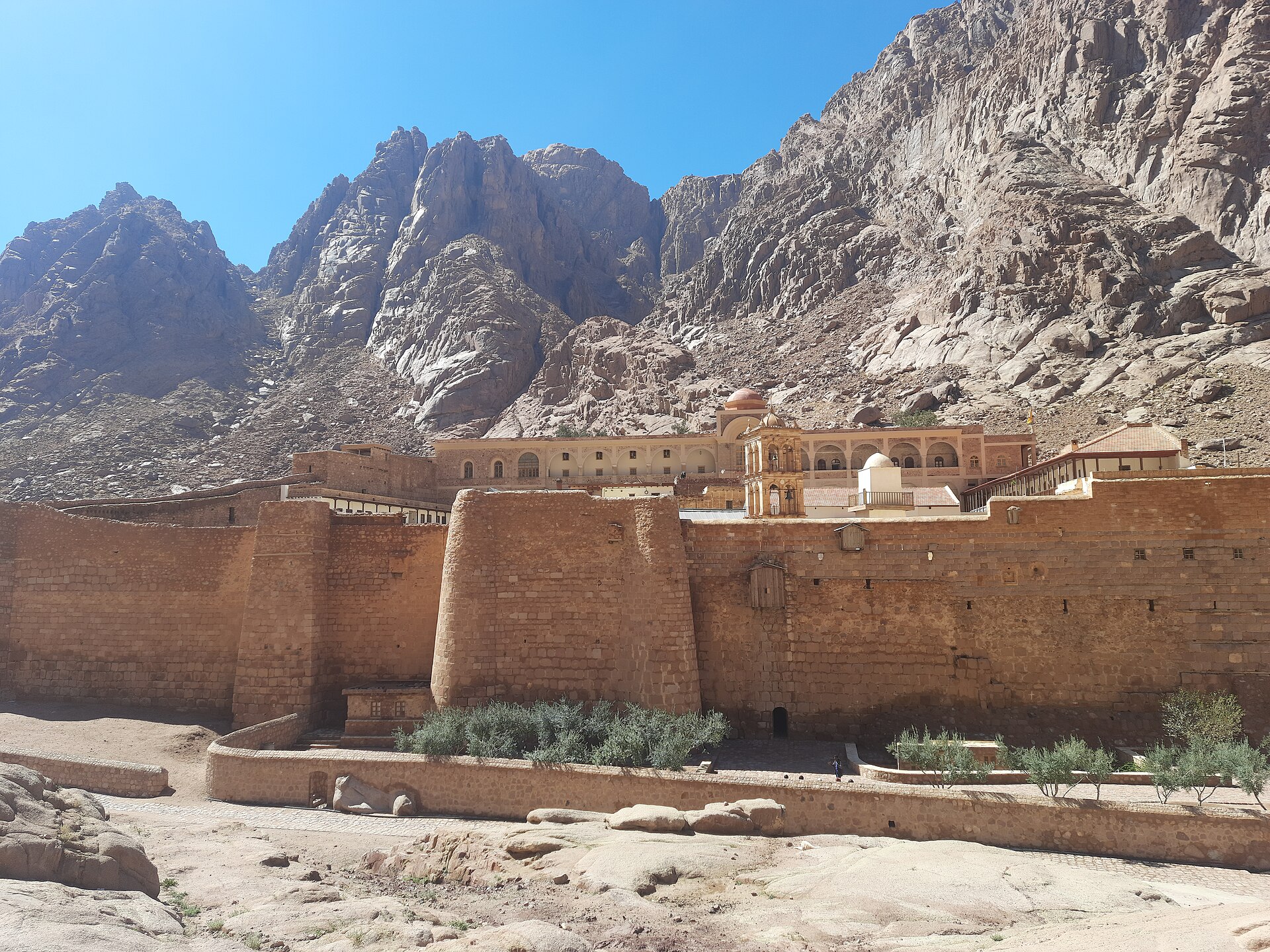
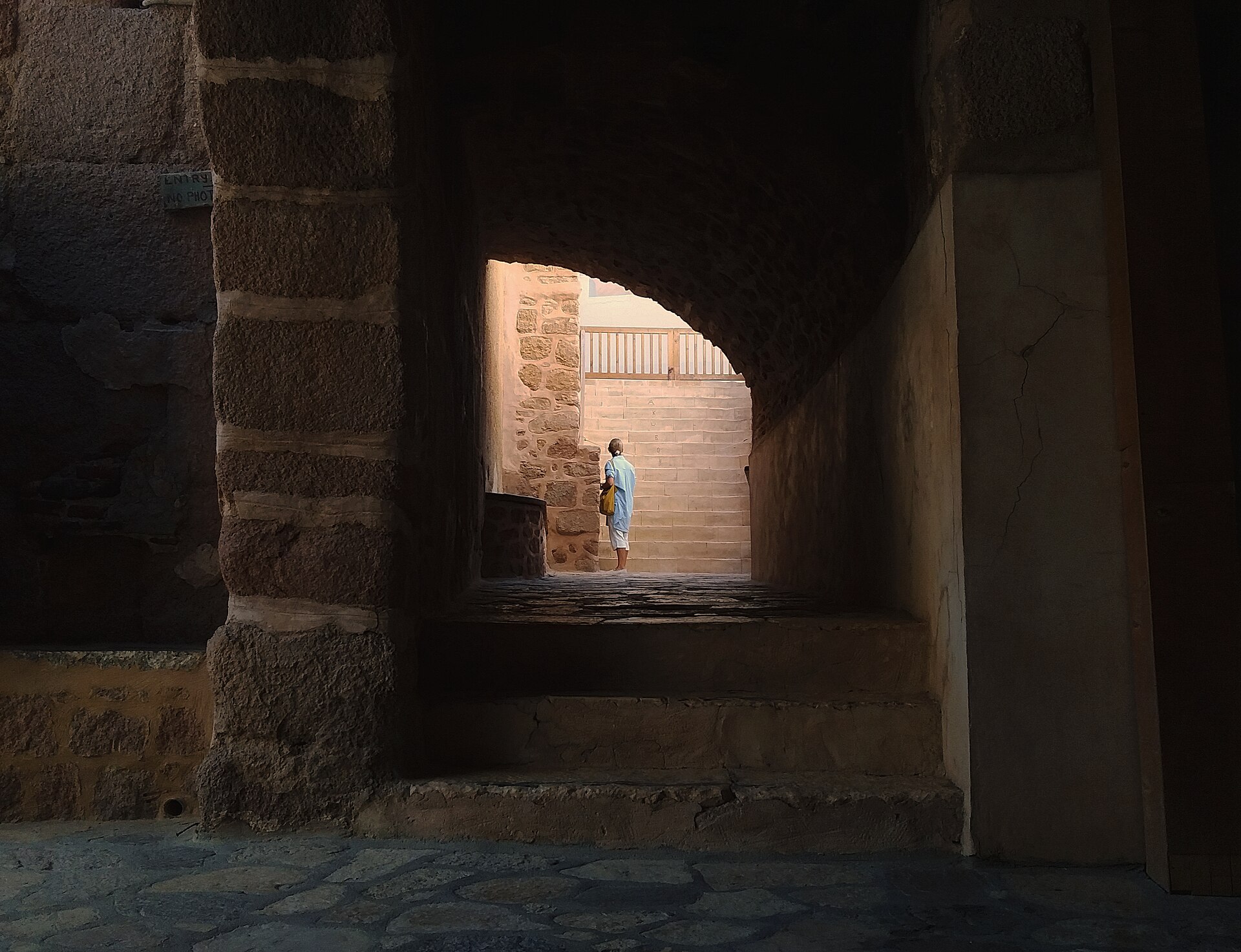
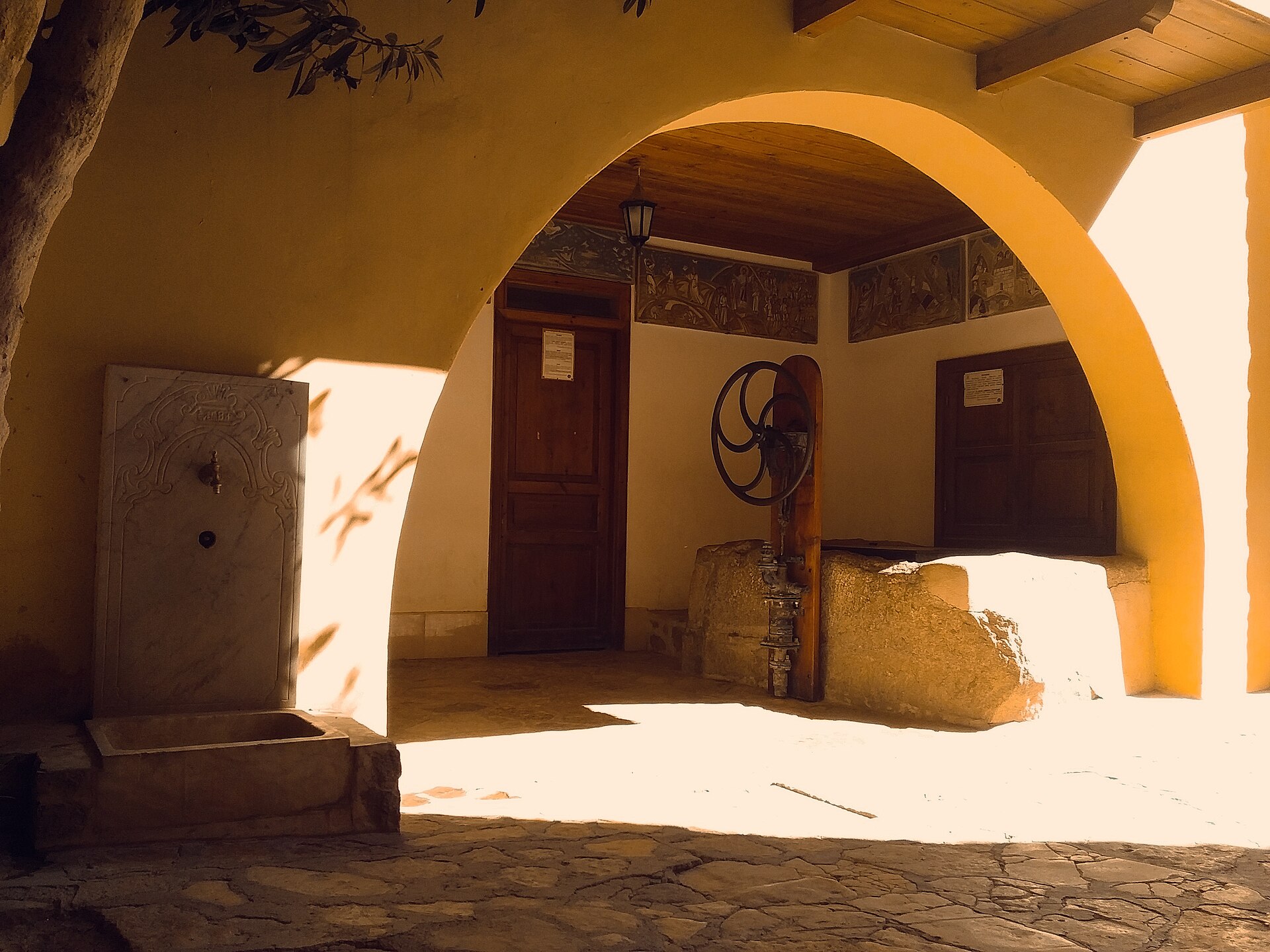
Built under Emperor Justinian between 548 and 565, the monastery contains the Church of the Transfiguration, a major collection of manuscripts and icons, and a Fatimid-era mosque within its walls. That remarkable historical proximity contributes to the site’s symbolism. Yet the monastery is first a religious institution, not a conventional tourist attraction.
Visiting hours published by Egypt’s Ministry of Tourism and Antiquities partly differ from those on the monastery’s own pilgrimage page, which describes visitors as pilgrims and lists closures on Sundays, Fridays and important Greek Orthodox feast days. Check the monastery’s website immediately before travel; dress respectfully, follow photography rules and do not assume arrival guarantees admission.
Climbing Jabal Musa before dawn
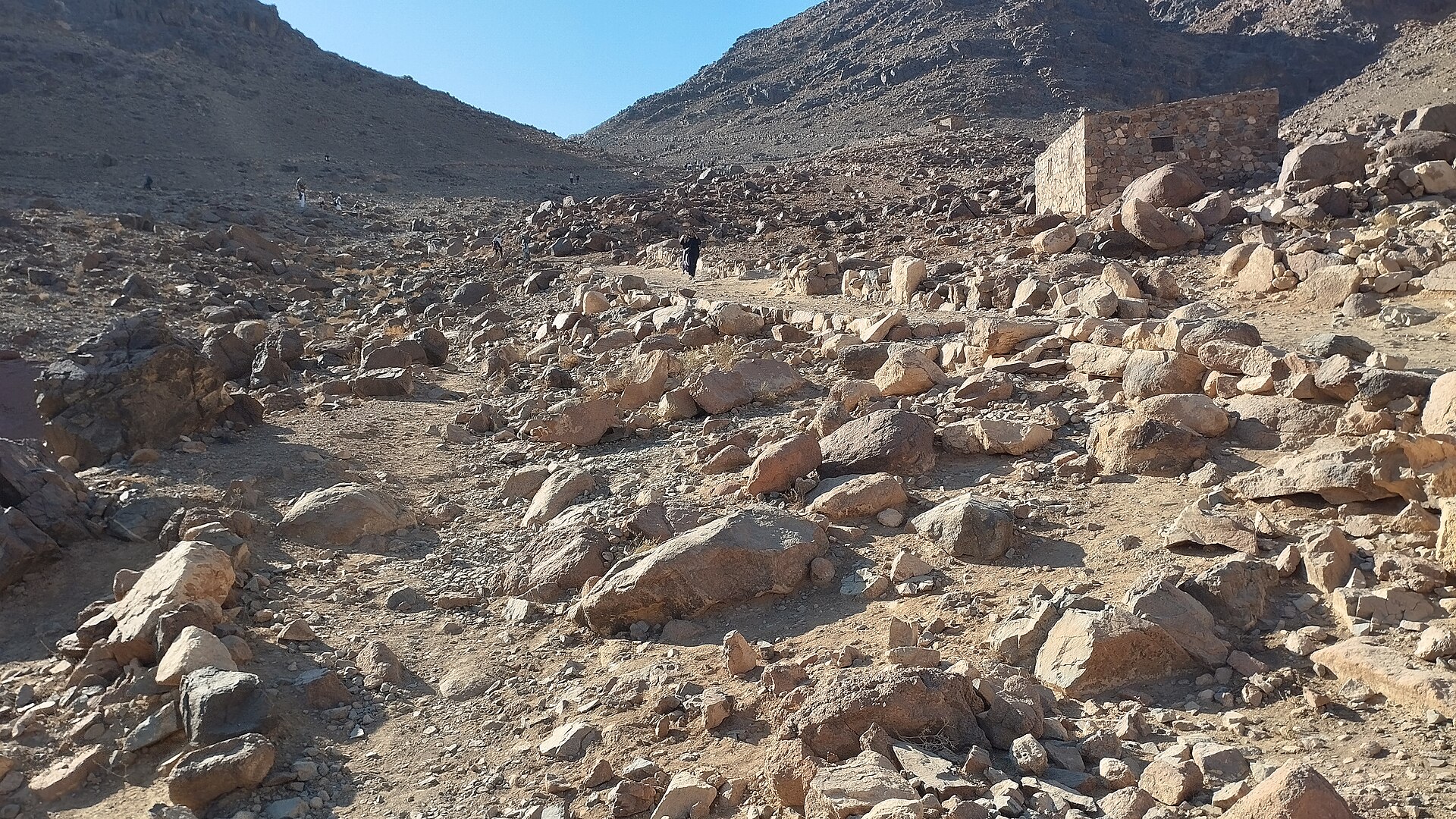
Jabal Musa rises to 2,285 metres. The most commonly used ascent is the gradual Camel Path, followed by a final section of steep, uneven stone steps. The Steps of Repentance are more direct and considerably steeper. Egypt’s official tourism platform gives a typical ascent time of 3–4 hours. One commonly mapped return route is about 11.6 kilometres, but distance changes with the start point and path choice.
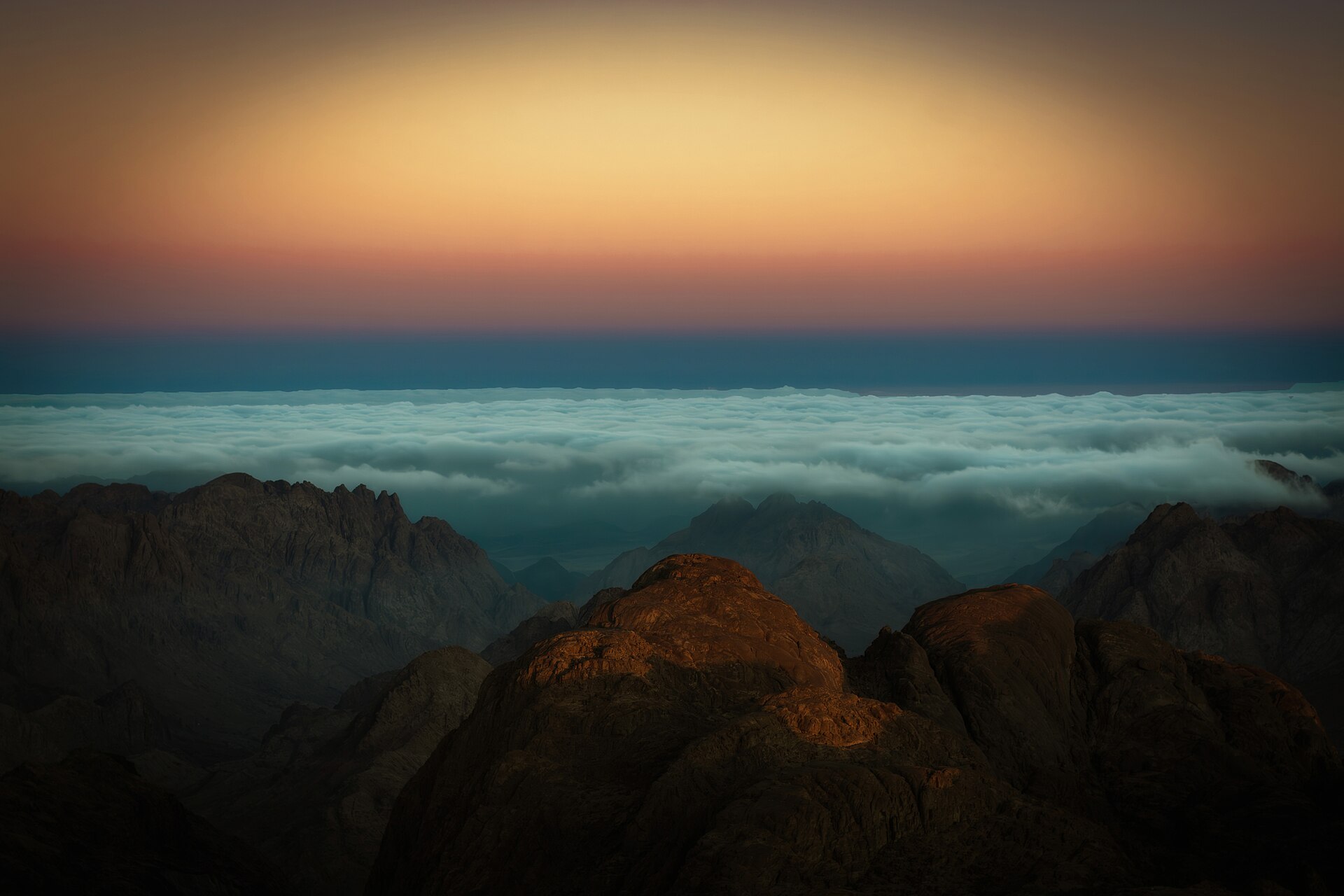
Sunrise is beautiful; the journey to it is nocturnal, cold and sometimes crowded. Summit wind and temperature can feel dramatically different from the Red Sea coast. October to May is generally the more comfortable season, but a high mountain answers to the weather, not the calendar.
Before you climb Mount Sinai
- Confirm trail access, weather and monastery hours before departure.
- Arrange a licensed or locally authorised Bedouin guide; do not make a solo night ascent.
- Carry a headlamp, spare power and a fully charged phone.
- Wear shoes with grip, warm layers, gloves, a hat and a wind-resistant outer layer.
- Bring water and a light snack; kiosks may not always be operating.
- Pace yourself on irregular stones and the demanding final stair section.
- Stay on the path, leave no waste and respect pilgrims seeking silence.
- Check current official travel advice. France advises against driving the coast–monastery road at night; arrange your road transfer in daylight even if the hike itself starts before dawn.
Here begins the inward journey
You may come for scripture, history, walking or the first line of sun. Saint Catherine offers a simpler exercise: be quiet for a while. Put the phone away for an hour. Sit before the mountain without trying to possess it as an image. Notice what becomes audible when notifications stop.
This is not a medical promise or a wellness cure. It is an argument for slow travel: walking, responsibly chosen solitude, cold air, open horizons and time not divided into alerts. Anyone planning an individual retreat should share their route, use qualified local support and respect the protectorate and the community whose home this is.
Getting there: the airport is being developed, but road planning matters
Egypt’s Civil Aviation Ministry says Saint Catherine Airport is undergoing comprehensive development. The airport holding company’s 2025 review refers to a new terminal designed for 600 passengers per hour. We found no official confirmation that the new terminal has entered regular operation, nor a stable scheduled commercial timetable tied to the project’s opening.
Plan a pre-arranged road transfer from an operating South Sinai gateway, verify route conditions, and use a reputable provider. Never purchase an itinerary that depends on a “soon-to-open” airport service that the airline itself does not show.
A simple orientation map
This map shows the broad relationship between Saint Catherine town, the monastery, Jabal Musa and Wadi al-Raha. The marker is approximate and does not represent a project or property boundary.
Map: OpenStreetMap Contributors. Use current navigation and a local guide on the ground.
Official video
The Egyptian Presidency’s verified YouTube channel published the full 16 March 2026 Laylat al-Qadr ceremony. It includes the official documentary sequence screened about the Great Transfiguration at Saint Catherine.
What must not be lost
If the Great Transfiguration Project succeeds, the measure will not be room count or square metres alone. Visitors should arrive more easily, yet still feel that the place is larger than the infrastructure receiving them. They should see the development but hear the wind; understand the difference between scripture and tradition but retain space for faith and wonder; and know that local people benefit without their lives becoming scenery.
Come to Saint Catherine as a visitor, but enter it also as a contemplative and an explorer. Climb if your health and the conditions allow. Sit below if they do not. Read before you arrive. Bring at least one question. The mountain may not answer it—but it may restore your ability to listen.
Osama Samaha
Editor-in-Chief
oui stars Travel
Principal sources and verification note
Last editorial review: 14 September 2026. This report drew on the Egyptian Presidency, State Information Service, Ministry of Housing, Ministry of Civil Aviation, Ministry of Tourism and Antiquities, UNESCO, the official monastery website, Experience Egypt and the Quranic Arabic Corpus. Volatile operational claims—openings, reservations, flights and visiting hours—were treated as unconfirmed unless supported by a current official page.
- State Information Service: progress and investment, 20 June 2026
- Egyptian Presidency: project review, 18 April 2026
- Official Egyptian Real Estate Platform: project components
- Ministry of Civil Aviation: Saint Catherine Airport
- UNESCO: Saint Catherine Area
- Ministry of Tourism and Antiquities: Saint Catherine’s Monastery
- Saint Catherine’s Monastery: pilgrimage information
- Experience Egypt: Saint Catherine and Jabal Musa
- Quranic Arabic Corpus: Moses in the Quran
Additional scriptural and practical references: Quran 4:164 · Quran 7:143 · Quran 20:12 · official mountain trails guidance · mapped Camel Path distance · French travel advice.