








HOTELS | PARIS
Where to Stay in Paris: The Most Popular Areas for Five-Star Hotels
From the Golden Triangle and Place Vendôme to Saint-Germain-des-Prés, discover the Paris neighbourhoods most popular with luxury travellers, business guests and international visitors.
Paris offers many exceptional luxury hotels, but choosing the wrong neighbourhood can create unnecessary traffic, long journeys and an experience that does not match the traveller’s expectations. In Paris, the location can be as important as the hotel itself. The best areas for five-star hotels in Paris are therefore not a fixed ranking: they are a map of different moods, priorities and daily routines.
Table of Contents
- What five-star means in France
- Golden Triangle and Avenue Montaigne
- Place Vendôme, Rue de la Paix and Opéra
- The First Arrondissement
- Saint-Germain-des-Prés
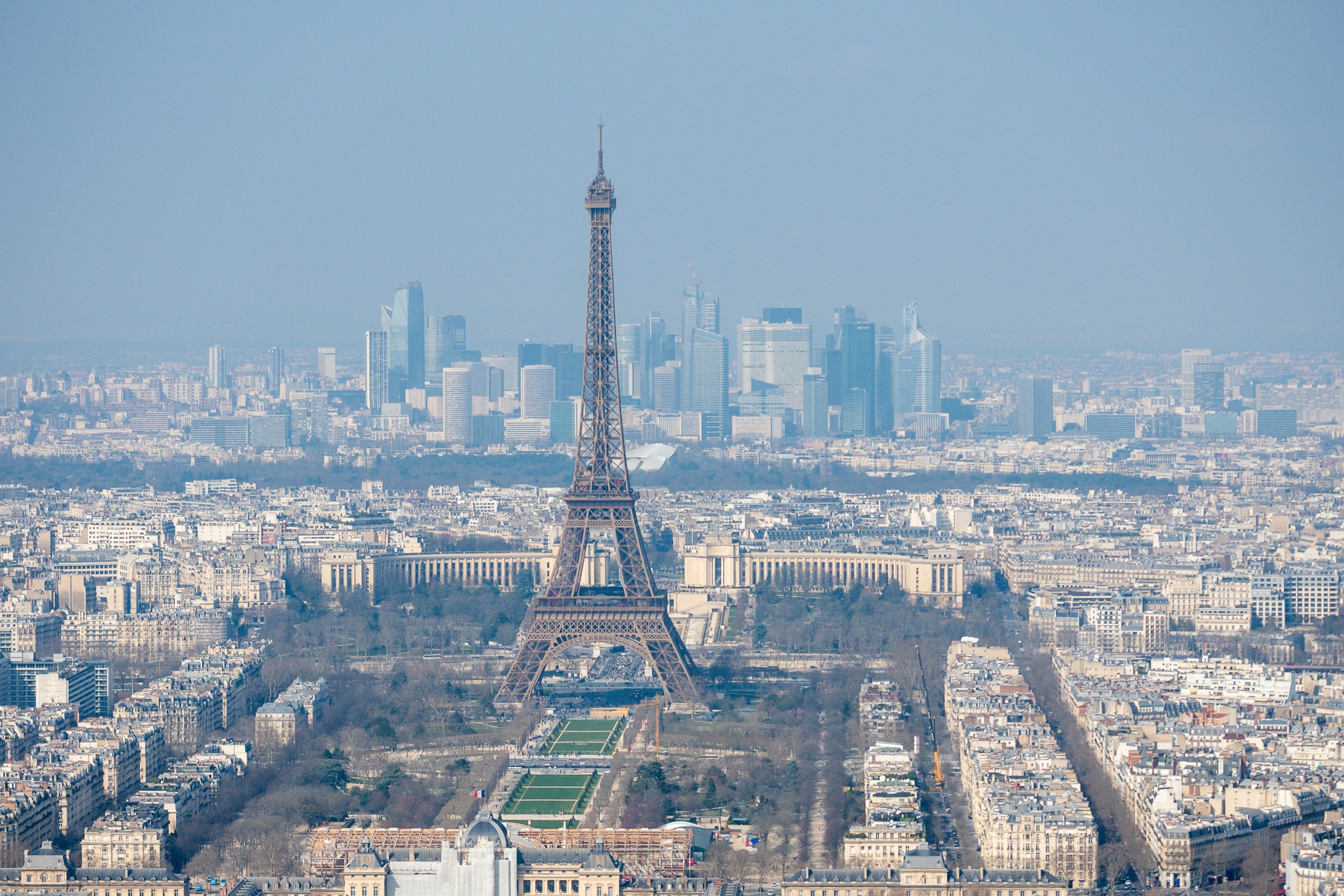
- Eiffel Tower and the Seventh
- The Eighth Arrondissement
- Le Marais
- The Sixteenth Arrondissement
- La Défense and western Paris
- Best area by traveller profile
- Why certain areas attract five-star guests
- Hotel location and Paris traffic
- Questions to ask before booking
What Five-Star Classification Means in France
Atout France awards the voluntary hotel classification for five years against official criteria. Five-star properties may be international brands, historic independents or boutique hotels; the rating measures standards, not personality.
The Palace distinction is rarer and available only to classified five-star hotels with exceptional qualities. Not every grand hotel is a Palace. Check the current official Palace list, not an old guide.
Golden Triangle and Avenue Montaigne: Paris at Its Most Polished
Between Avenue Montaigne, Avenue George V and the Champs-Élysées, the Golden Triangle turns luxury into geography. Couture, dining and the Arc de Triomphe are close. Four Seasons Hotel George V and Hôtel Plaza Athénée hold Palace distinction in 2026.
It attracts luxury shoppers, Gulf travellers, celebrities, business delegations and first-time luxury visitors. It is practical during Paris Fashion Week 2026, when proximity can matter more than room size. Expect very high rates, traffic and crowds during major events.
Place Vendôme, Rue de la Paix and Opéra: Jewellery, Ceremony and Centrality
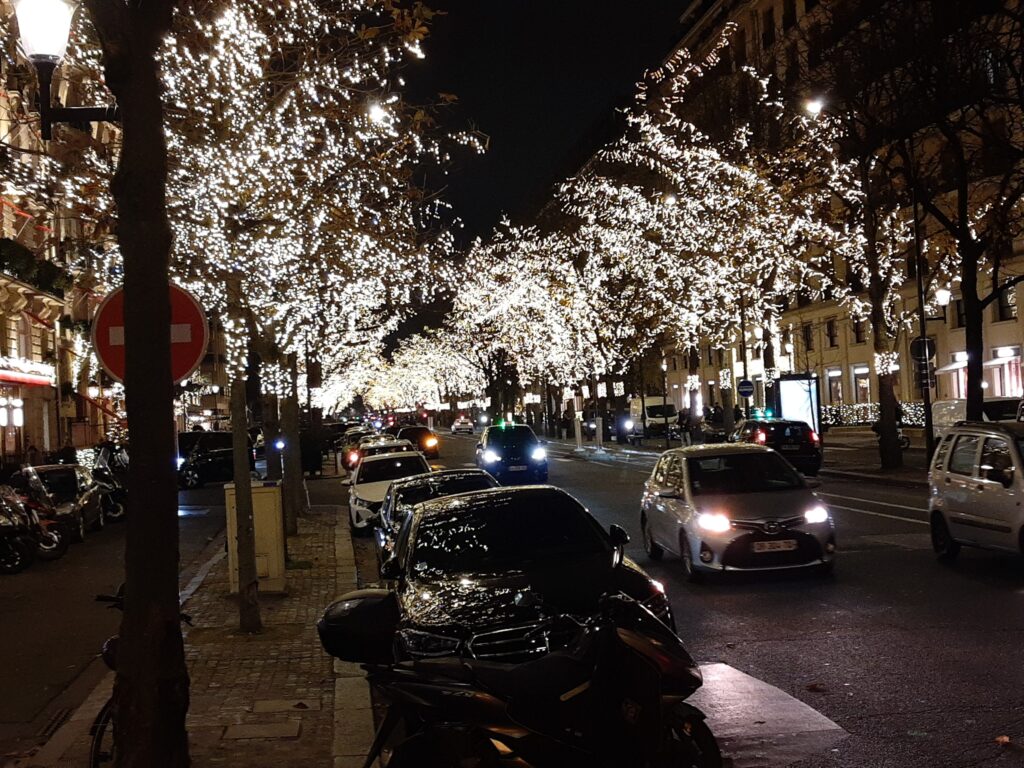
Place Vendôme frames high jewellery houses; Rue de la Paix leads toward Opéra Garnier, with department stores nearby. Le Meurice, beside the Tuileries, is on the current Palace list.
The district suits couples, cultural travellers, shoppers and business visitors. Yet “Opéra” covers a busy zone: confirm the street, soundproofing and room orientation before assuming serenity.
The First Arrondissement: The City as a Museum
The Louvre, Tuileries, Palais Royal, Rue de Rivoli and Seine are walkable. Cheval Blanc Paris, in the restored Samaritaine complex, is a five-star Palace here.
First-time visitors, couples and art lovers can see more without constantly crossing town. Our guide to privacy in modern luxury travel underlines why room position matters: ask whether windows face a courtyard, the Seine or a busy street.
Saint-Germain-des-Prés: Boutique Luxury with a Literary Accent
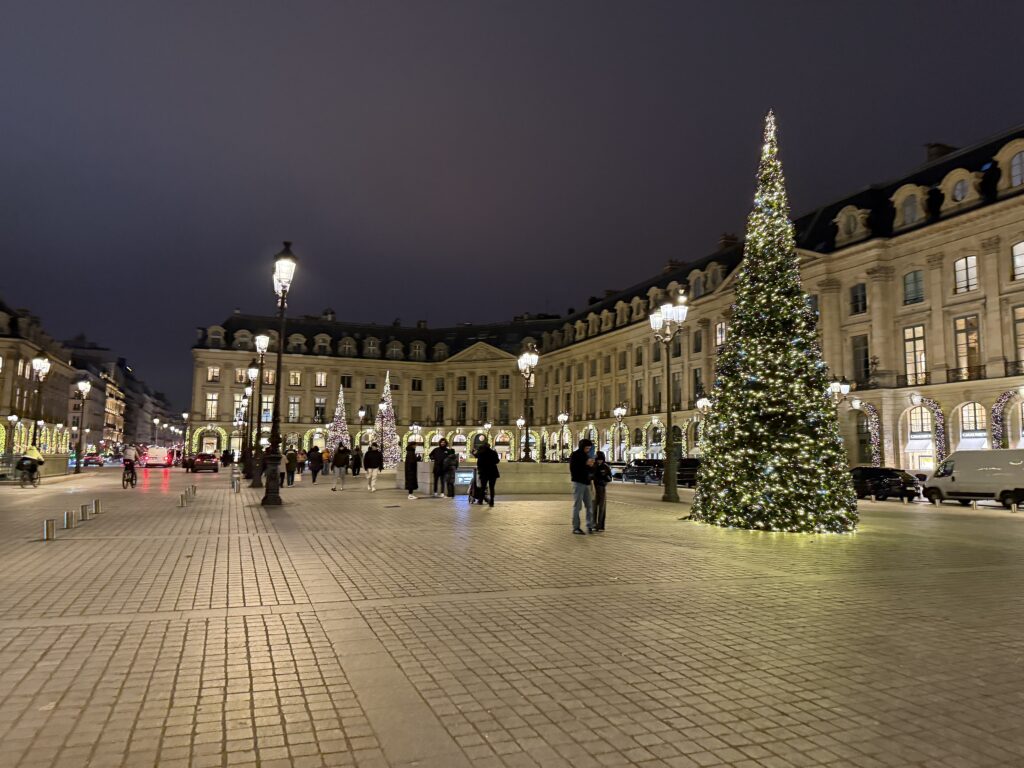
Left Bank cafés, bookshops, galleries, the Luxembourg Gardens and neighbourhood restaurants replace spectacle. Mandarin Oriental Lutetia Paris, a five-star Palace, represents the grander side.
Saint-Germain attracts couples, repeat visitors, writers and art lovers who prefer character to ceremony. Older boutique buildings may have smaller rooms or difficult layouts; compare dimensions, lift access and bathrooms.
Eiffel Tower and the Seventh Arrondissement: Monumental Views, Residential Calm
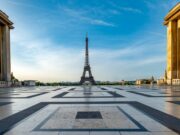
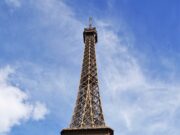
The Eiffel Tower, Invalides, museums and Seine walks appeal to families and cultural travellers. Embassies lend a diplomatic atmosphere; evenings are calmer than around the Champs-Élysées.
Staying nearby does not guarantee a tower view. It may be partial or limited to certain room categories. Request written confirmation. Fewer late-night choices make the area less lively, but pleasantly calm.
The Eighth Arrondissement: Power, Privacy and Parisian Prestige
The Eighth reaches Faubourg Saint-Honoré, Madeleine, the Élysée area and Parc Monceau. Hôtel de Crillon and Le Bristol Paris are current Palaces. Discreet hotels suit executives, delegations, shoppers and privacy-focused guests.
Boutiques, embassies and corporate offices make high-level itineraries efficient. The area can feel formal after business hours. Check walking times: the Eighth is larger than it appears.
Le Marais: Historic Streets for a Younger Luxury Mood
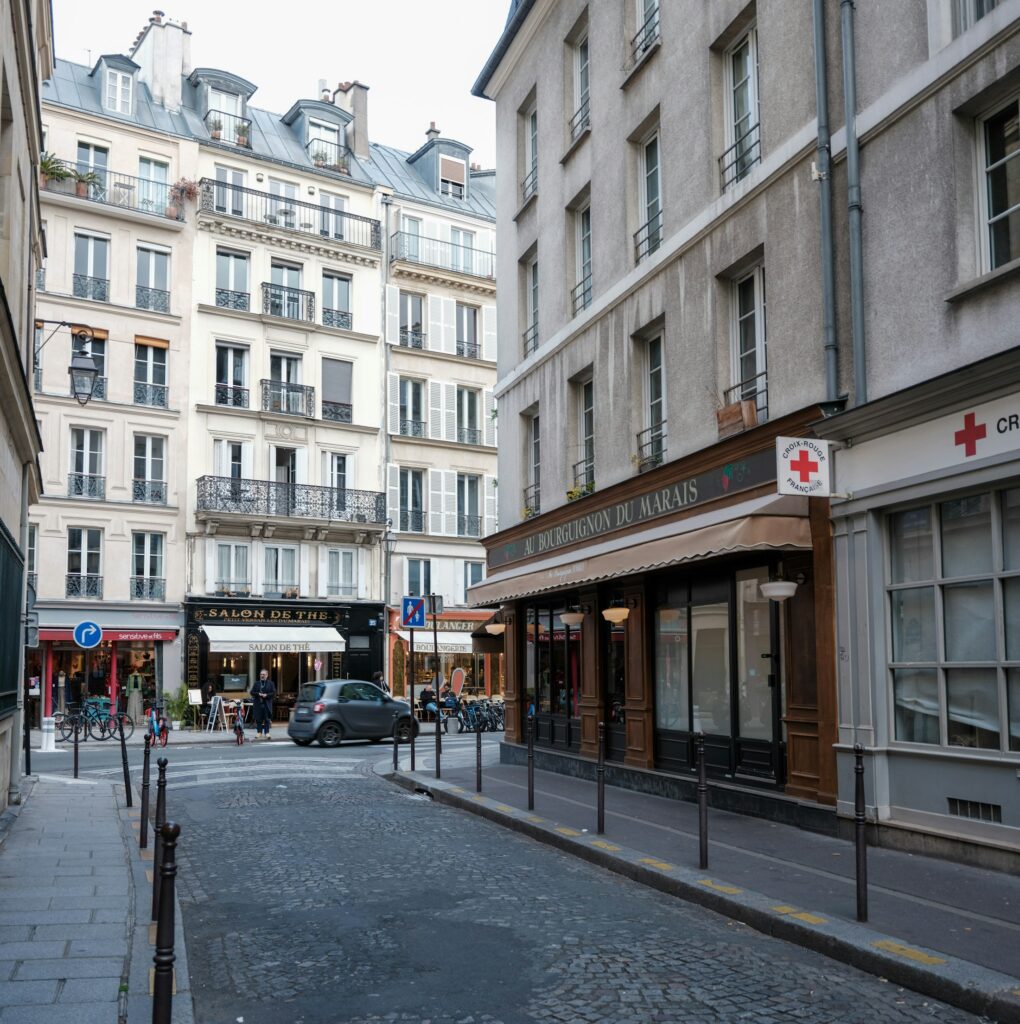
Le Marais offers hôtels particuliers, galleries, independent fashion, restaurants, nightlife and a rich mixture of communities and eras. Its luxury is experiential rather than ceremonial.
There are fewer grand five-star hotels here than around Avenue Montaigne or Place Vendôme. Younger luxury travellers, couples and creative professionals value its boutique scale. Expect weekend crowds, noise, narrow streets and access restrictions.
The Sixteenth Arrondissement: Space, Discretion and Eiffel Tower Perspectives
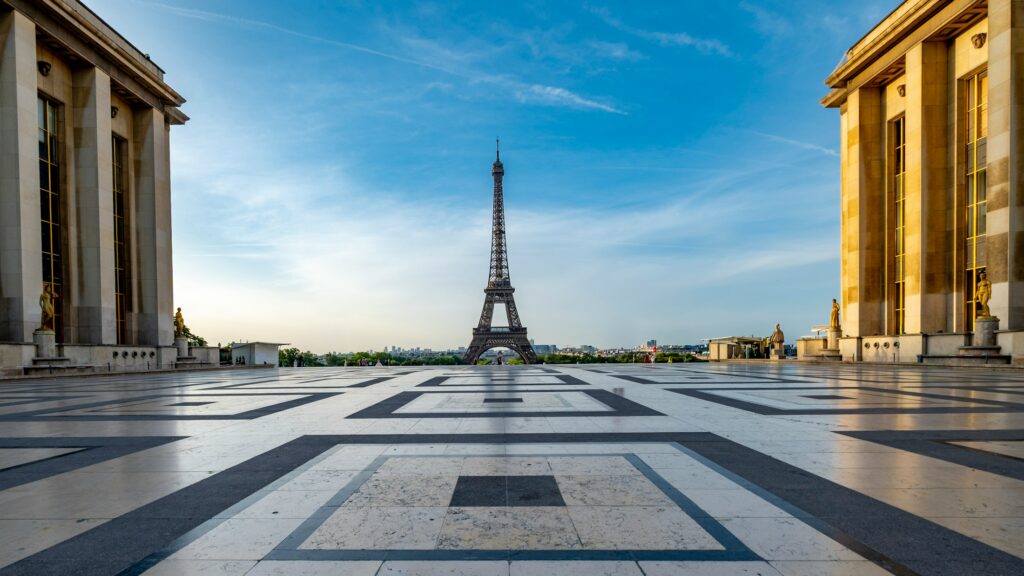
Trocadéro and Passy offer residential elegance, embassies, family-friendly streets and tower viewpoints. Shangri-La Paris and The Peninsula Paris hold five-star Palace distinction in 2026. The area suits diplomats, families, long-stay guests and VIPs.
The Sixteenth feels composed, with more space and privacy but less concentrated dining and nightlife. Choose it when discretion outranks walking to every museum.
La Défense and Western Paris: Built for the Working Week
La Défense serves conferences, exhibitions, headquarters and longer professional stays. Modern hotels, larger rooms and rail links simplify meeting-heavy schedules.
Its towers do not provide historic Paris atmosphere. Decide whether meeting proximity outweighs evenings in the centre; a split stay can offer both.
How to Choose the Best Areas for Five-Star Hotels in Paris by Profile
| Traveller | Strong starting point | Why |
|---|---|---|
| First-time visitor | First Arrondissement | Maximum cultural access on foot |
| Couple | Saint-Germain or Place Vendôme | Intimacy or ceremonial glamour |
| Family | Seventh or Sixteenth | Calmer streets and useful space |
| Luxury shopper | Golden Triangle | Couture and private appointments |
| Business traveller | Eighth or La Défense | Corporate access and efficiency |
| Fashion Week visitor | Golden Triangle or First | Central routes to shows and appointments |
| Art and culture traveller | First or Saint-Germain | Museums, galleries and architecture |
| Nightlife visitor | Le Marais | Restaurants, bars and late energy |
| Gulf traveller | Golden Triangle or Sixteenth | Luxury retail, suites and discretion |
| VIP or privacy-focused guest | Eighth or Sixteenth | Controlled arrivals and quieter settings |
Why Some Areas Attract More Five-Star Guests
Demand follows an ecosystem, not one landmark. Walkability, perceived safety, restaurants and culture shape leisure choices; offices, embassies and venues shape business demand. Retail, discreet entrances and hotel reputation also matter.
Fashion Week, sporting fixtures, fairs and cultural events redraw daily routes. Airport access matters, but no district escapes road disruption. Often the greatest luxury is removing unnecessary journeys.
Hotel Location and Paris Traffic
A kilometre is not a reliable journey time. Rush hours, demonstrations, restrictions, weather, events, airport traffic and Seine crossings reshape routes. Choose a hotel around appointments that cannot move.
Travellers, agencies and hotels may use local destination-management partners such as oui stars to coordinate arrivals and hotel movements. Its Paris airport transfer options complement our guide to planning a premium CDG arrival. Place the guest near the itinerary’s centre, then allow realistic buffers.
Questions to Ask Before Booking
- Is the hotel officially classified five-star, and is that classification current?
- Does it hold the separate Palace distinction?
- Is the advertised view guaranteed for this exact room category?
- Does the room face a busy street, courtyard or construction site?
- Are connecting rooms genuinely available, not merely requested?
- Is the layout suitable for children or reduced mobility?
- What is included in the rate, including breakfast and taxes?
- Are renovations or nearby works taking place?
- Which planned attractions are realistically walkable?
- What is the likely airport journey time at the arrival hour?
- Can a private vehicle reach the entrance easily?
- What are the deposit and cancellation conditions?
The best areas for five-star hotels in Paris protect time and provide the right mood: fashion, art, family calm, corporate precision or a walk home beside the Seine. Choose the neighbourhood first, and the shortlist becomes clear.
Frequently Asked Questions
What is the best area for a first stay in a five-star Paris hotel?
The First Arrondissement makes the Louvre, Tuileries, Palais Royal and Seine walkable. The Golden Triangle better suits couture shopping and grand-hotel glamour.
What is the difference between a five-star hotel and a Palace in France?
Five-star is an official classification. Palace is an exceptional distinction available only to qualifying five-star hotels and reflects qualities including heritage, location and service.
Does a hotel near the Eiffel Tower guarantee a tower view?
No. Views depend on floor, orientation and room category. Request written confirmation of a full, partial or obstructed view.
Which Paris luxury-hotel areas are best for families?
The Seventh and Sixteenth offer calmer streets and space. Confirm room configuration, connecting rooms and daily journey times.
Where should business travellers stay in Paris?
The Eighth suits central meetings and embassies. La Défense is efficient for western headquarters and conferences but lacks historic atmosphere.







_-_2025-01-11_-_1.jpg)