















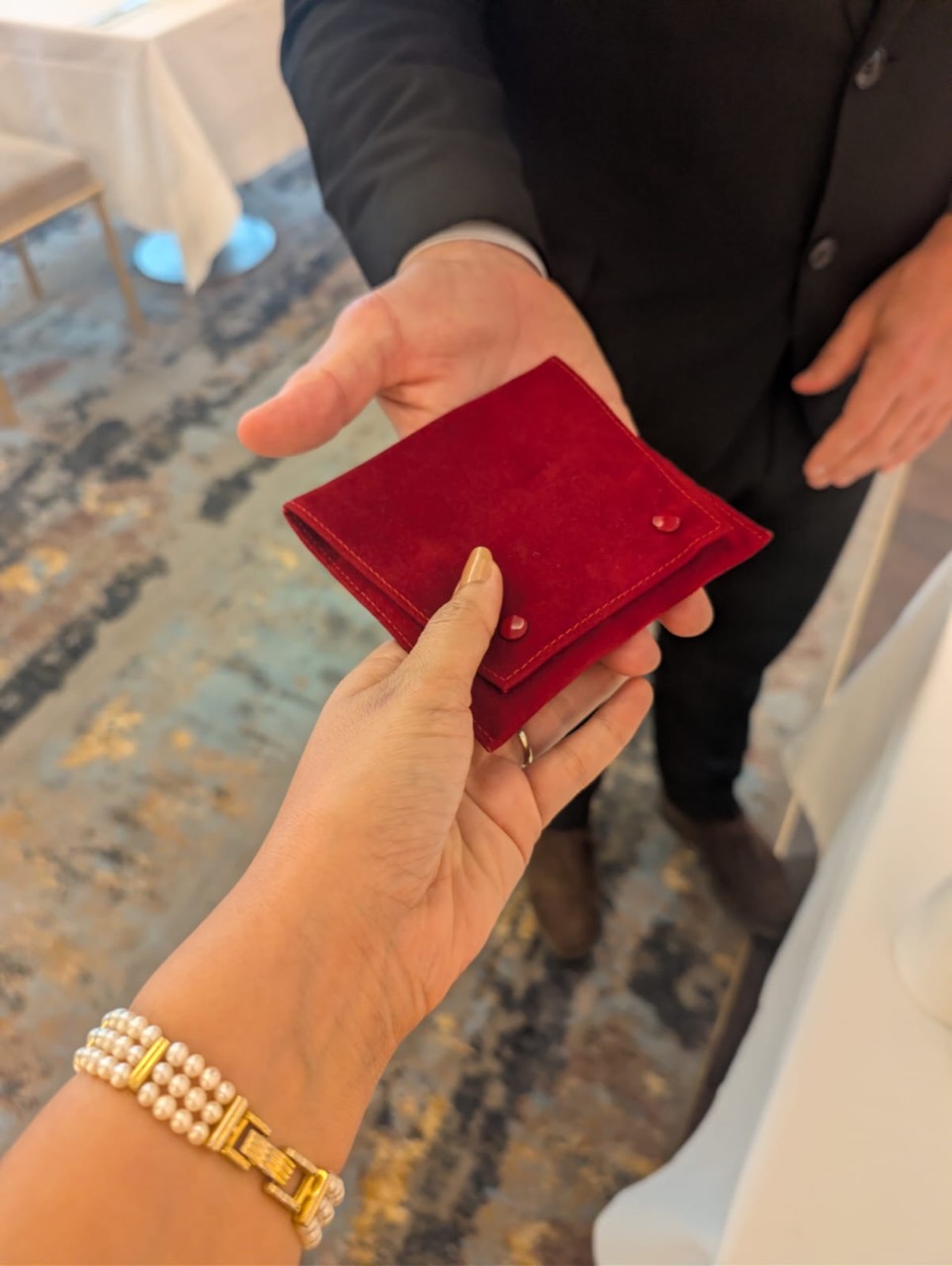

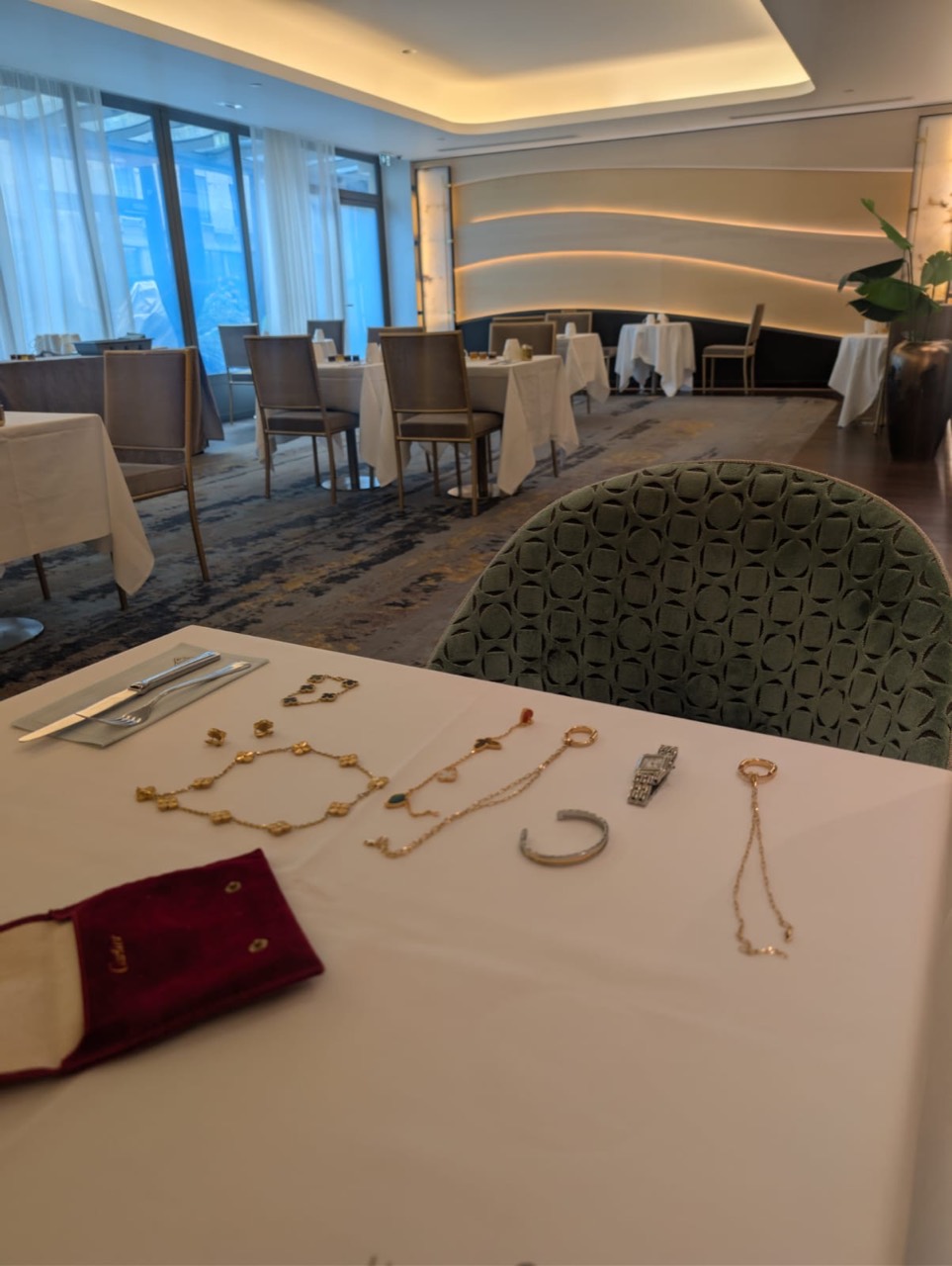
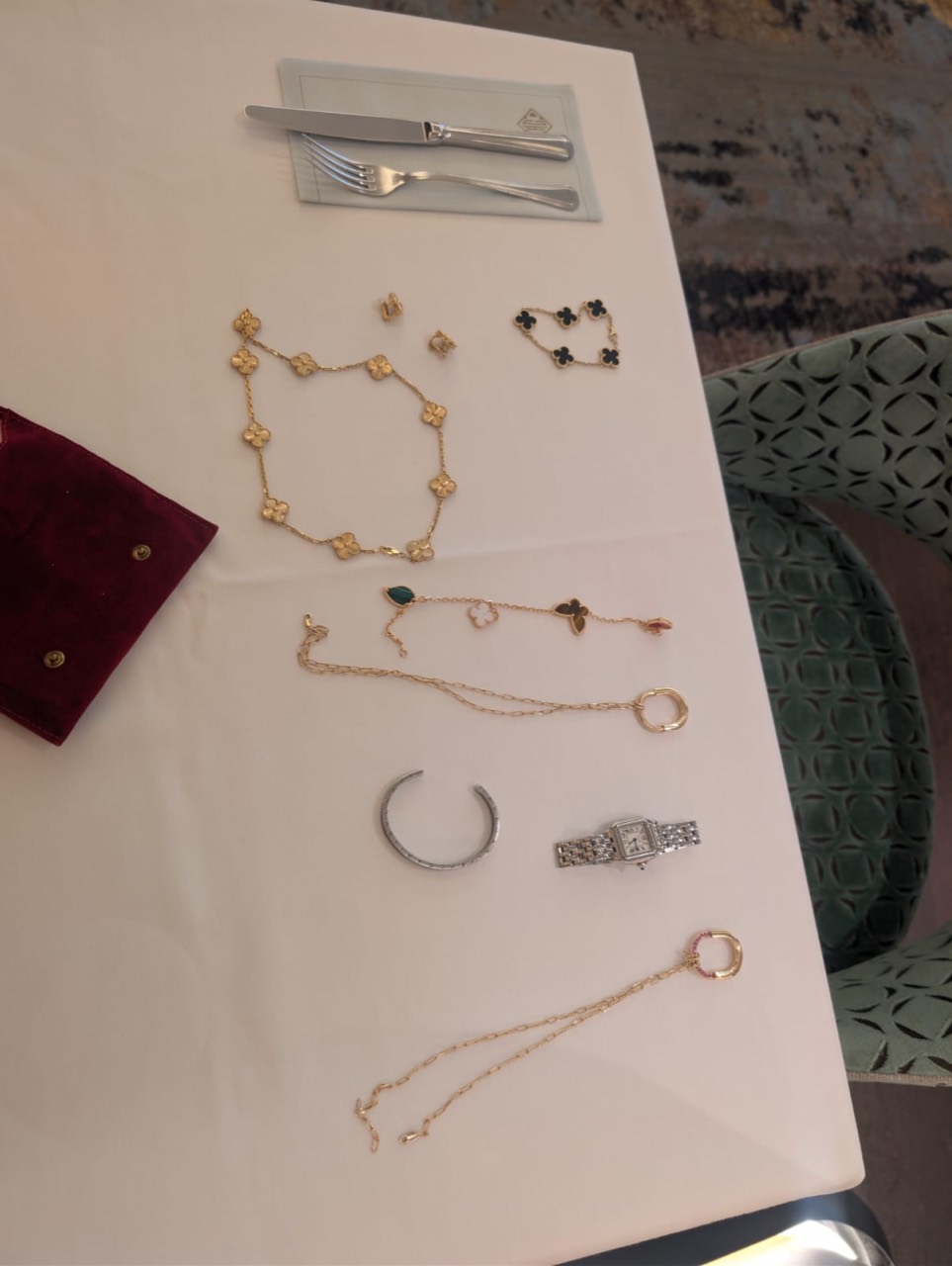
The story began with seven missing pieces and an Arab family searching for answers. It ended in Paris with a quiet handover: the OUISTARS Travel editorial team received the items and delivered them to one of the family’s relatives in the city. No names and no spectacle—only belongings returned and a journalistic, human task brought to its conclusion.
This is the follow-up to our original report about the pieces reported missing after a Paris hotel stay. To protect privacy, we are not publishing the hotel’s name or identifying anyone involved in collection or handover. The purpose is not to reopen accusations, but to record the resolution and extract lessons that may protect another family.
- Seven pieces formed the subject of the follow-up.
- The OUISTARS Travel editorial team received them during the recovery process.
- They were handed to a relative of the Arab family in Paris.
- With that handover completed, the magazine’s role in the case ended.
The handover matters as much as the recovery
Finding valuable property is not, by itself, the end of a responsible process. Closure requires a clear chain: record what was received, keep it intact, identify the person authorised to receive it and close the follow-up only after delivery to the family’s representative.
We have withheld details that could identify the hotel, staff or relative. Privacy is not a gap in this report; it protects the people and property involved and prevents a resolved incident from turning into speculation or unwanted tracking.
Official video: staying safe while visiting Paris
Paris Police produced this visitor-awareness video. It offers general prevention advice and is not footage of the incident reported in this article.
Source: Préfecture de Police, Paris.
The larger lesson: memory is not a security system
Travel for treatment, leisure or family visits disrupts normal routines. Appointments, flights, medication, children and luggage compete for attention. That is precisely when relying on memory alone becomes a weak safeguard, however careful a traveller may normally be.
If you must travel with gold, jewellery, watches, documents or other high-value property, do not make its place in the room an improvised decision. Use a designated protection method, understand the hotel’s written policy and record what you deposit and recover.
The OUISTARS Travel valuables protocol
- Before departure: carry only what is necessary. Photograph each item and keep receipts, serial numbers and valuations in a separate secure file.
- At check-in: ask how the in-room safe differs from the hotel’s central safe or custody service, including liability and insurance limits.
- If handing items to the hotel: use an authorised employee and request a dated written receipt listing the number and condition of the items. Keep a copy.
- If using the room safe: test it, choose a non-obvious code and confirm that it has locked. Do not assume its legal or insurance treatment is identical to a formal deposit with management.
- During the stay: avoid displaying valuables or discussing their value with anyone who does not need to know.
- Before checkout: reconcile the list item by item, include the safe in a written departure check and, where possible, have two family members verify it.
- If something is missing: notify the hotel manager immediately in writing, request preservation of access and CCTV records, report the matter to police and contact the insurer promptly.
What French law says
Articles 1952–1954 of the French Civil Code establish specific rules for hotel liability concerning guests’ luggage and property. France’s Ministry of Economy explains that the outcome depends on the circumstances: property physically entrusted to the hotel or placed in the hotel safe is treated differently from property retained under the guest’s own control in the room, and limits or exceptions may apply.
Room safe or hotel custody?
Do not treat the terms as interchangeable. An in-room safe remains under the guest’s use and may be subject to different operating and insurance conditions. Direct custody by management or a central hotel safe needs a clear record: who accepted what, when, and how it will be returned.
If an establishment declines to accept high-value property or offers no written procedure, do not improvise a hiding place in the room. Ask the insurer about an approved alternative, use a documented specialist custody service or reconsider whether the items need to travel at all.
A three-minute checkout sweep
- safe, custody service and receipts;
- passports, wallets and medication;
- jewellery, watches, devices and chargers;
- drawers, bathroom and wardrobe;
- a final photograph of packed luggage before it is closed.
Three organised minutes can prevent days of calls and anxiety. During medical travel, appoint someone other than the patient to control documents, valuables and the departure checklist.
A happy ending—and an ongoing responsibility
For this family, the story ended with all seven pieces returned. The most useful outcome is to turn the experience into a travel habit: valuables are protected through restraint, documentation, proper custody and a final inventory—not through good intentions alone.
If these steps could protect someone you know, share this report before their next trip. A short checklist may be the difference between a calm departure and a long search.
Questions travellers search for
What should I do if jewellery goes missing from a Paris hotel?
Notify the hotel manager in writing immediately, provide descriptions, photographs and receipts where available, and ask the hotel to preserve access and CCTV records. If the items remain missing or theft is suspected, report it to police and contact the insurer promptly.
Does missing jewellery mean it was stolen?
No. An item may be forgotten, moved, misplaced or stolen. Use accurate words such as “missing” or “unaccounted for” until evidence establishes what happened.
Is a hotel liable for jewellery stolen from a room in France?
Liability depends on the circumstances, how the valuables were kept and whether they were formally entrusted to the hotel. Articles 1952–1954 of the French Civil Code govern these situations; document the deposit and loss and obtain specialist advice if a dispute develops.
Is an in-room hotel safe enough for gold and jewellery?
It is preferable to leaving valuables unsecured, but it may not have the same evidential or insurance status as formal custody or the hotel’s central safe. Ask for the written policy and obtain a detailed receipt for anything handed directly to management.
Read next: our complete hotel jewellery and safe-checkout protocol.
Official sources
- French Ministry of Economy: hotel stays, guest rights and hotel liability
- Legifrance: French Civil Code, Articles 1949–1954
- SignalConso: consumer reporting and guidance