
















The runway is Fashion Week’s public face. The balance sheet is scattered across Paris. A ten-minute show can require months of work, hundreds of suppliers and a temporary city within the city. When fashion arrives, money moves through palace hotels, production agencies, restaurants, venues, model agencies, photographers, luxury stores, security teams and chauffeur fleets.
The scale is substantial, although published estimates are dated and should be read carefully. The City of Paris cites roughly €1.2 billion in annual fashion-week and trade-show spillovers. An older FHCM/Institut Français de la Mode study separated about €440 million linked to visitors, events and showrooms and €1.164 billion including Market Week. These are ecosystem estimates, not the revenue of the runway organisers.
The first winners sell space and time
Venues earn from more than rent. Grand Palais, Palais de Tokyo, museums, private mansions and industrial spaces can generate technical, security, cleaning and restoration work. Production houses such as Bureau Betak coordinate staging, lighting and logistics; smaller specialists supply sound, rigging, flowers and temporary staff. Every minute before doors open has a price.
Hotels become operating headquarters
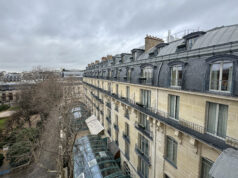
Palaces and five-star properties sell suites, but the valuable product is operational flexibility. Brands need garment storage, assistants’ rooms, early arrivals, privacy and cars at short notice. Buyers use lobbies for meetings; celebrities require controlled entrances; press teams work across time zones. Revenue spreads into breakfast, room service, laundry, meeting rooms and concierge.
Restaurants and nightlife monetize the network
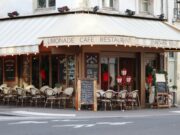
A show creates attention; dinner converts it into relationships. Tables at established addresses, private dining rooms and hotel bars become deal-making spaces for buyers, editors and executives. Nightclubs and after-parties produce venue, staffing, beverage, security and transport income. The winners are businesses that combine discretion with the ability to absorb late changes.
Models are visible; agencies carry the machinery
Model agencies, casting directors, stylists, make-up artists and hair teams are paid across multiple engagements, but intense competition and long days mean the value is not distributed equally. Photographers and video crews may work for brands, publications or agencies; content then circulates globally, creating a second economy of media impact. FHCM’s digital work with Launchmetrics illustrates how runway value now extends far beyond seats in the room.
Retail captures the visitor after the show
Luxury boutiques around avenue Montaigne, rue Saint-Honoré and Place Vendôme benefit when clients combine appointments with purchases. Department stores, showrooms and multi-brand retailers also monetize the concentration of buyers. Yet footfall alone is not enough: private appointments, multilingual sales teams, tax-free expertise and delivery to the hotel decide who captures spending.
Mobility is the hidden nervous system
Fashion Week schedules are geographically fragmented and frequently revised. Chauffeur companies, dispatchers and concierge teams turn time into a sellable service. A missed show or delayed fitting can cost more than the journey itself. Premium mobility therefore competes on coordination, driver quality and confidentiality—not merely on vehicle class.
Who really makes money?
Large houses buy reach and brand power; suppliers earn project revenue; hospitality captures international spending; platforms and media monetize attention. But margins depend on contracts, overtime, cancellation risk and capacity planning. The durable opportunity belongs to companies with repeat relationships across seasons.
Paris Fashion Week is not one event. It is a recurring temporary economy that rewards trust, speed and precision. The runway creates the image; thousands of operators turn that image into revenue.
Economic figures are historical ecosystem estimates from official City of Paris and FHCM materials and are not presented as a current audited total.