


















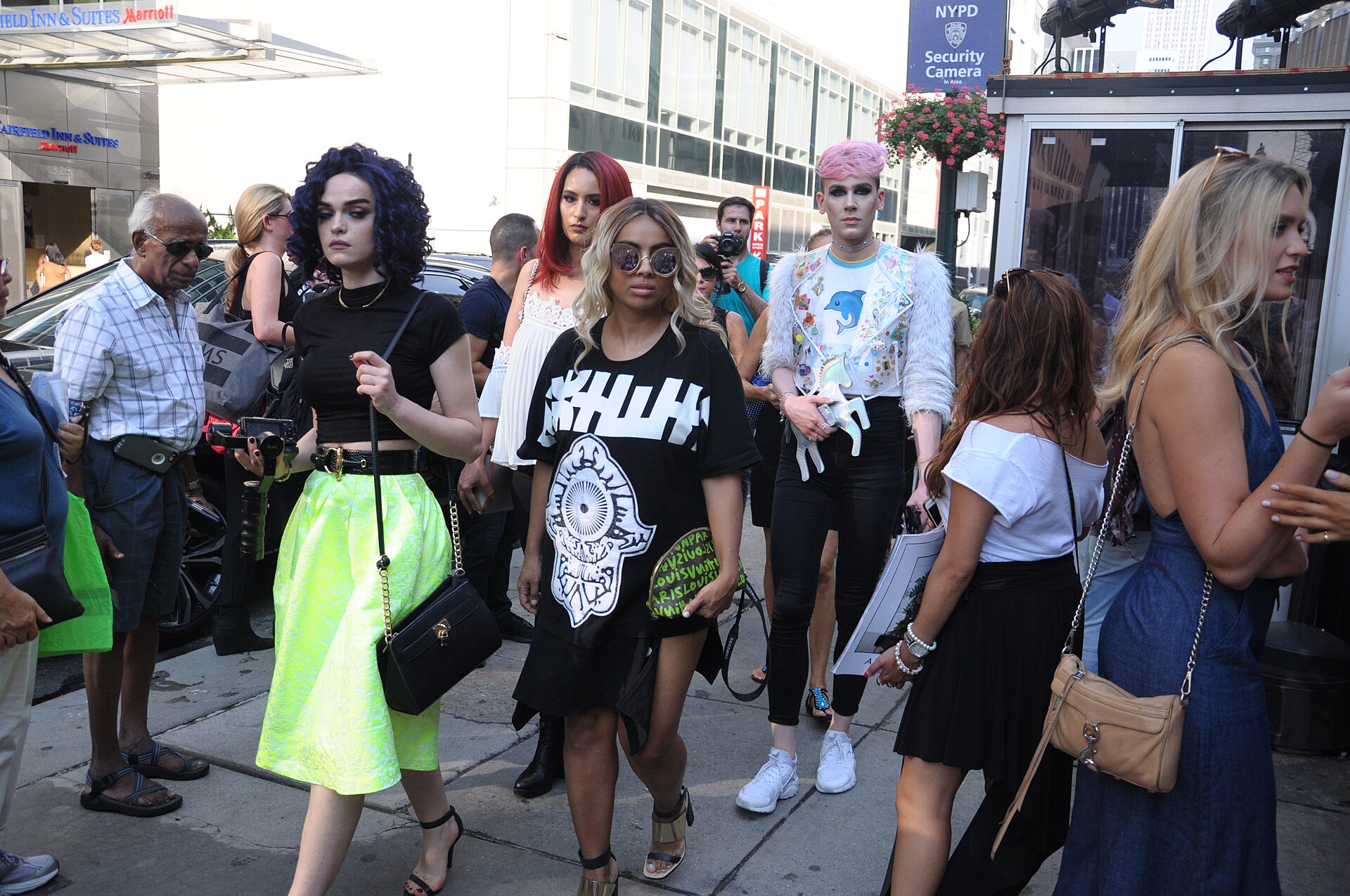
If Fashion Week were judged by phone screens, New York might already be winning. Its stars arrive, clips ignite and clothes enter culture before the runway cools. Yet when the industry wants ceremony, craft and the final word on luxury, it still flies to Paris. Has buzz become more powerful than prestige?
New York excels at immediacy: attitude, personality and tomorrow worn today. Paris builds myth. This is velocity against authority—and each city increasingly borrows the other’s weapons.
Two Calendars, Two Kinds of Fashion Power
The contrast begins with time. The preliminary CFDA schedule places New York Fashion Week from 10–15 September 2026, with 70 runway shows and presentations. Ralph Lauren and Coach show on 9 September; Michael Kors appears on the official schedule, and Tommy Hilfiger returns. Paris follows from 28 September–6 October 2026 on the provisional FHCM calendar.
New York’s compression creates urgency. Paris feels cumulative: editors arrive with opinions formed in New York, London and Milan, and Paris has the privilege—and burden—of changing them last.
Paris Has the Empires; New York Has the Icons
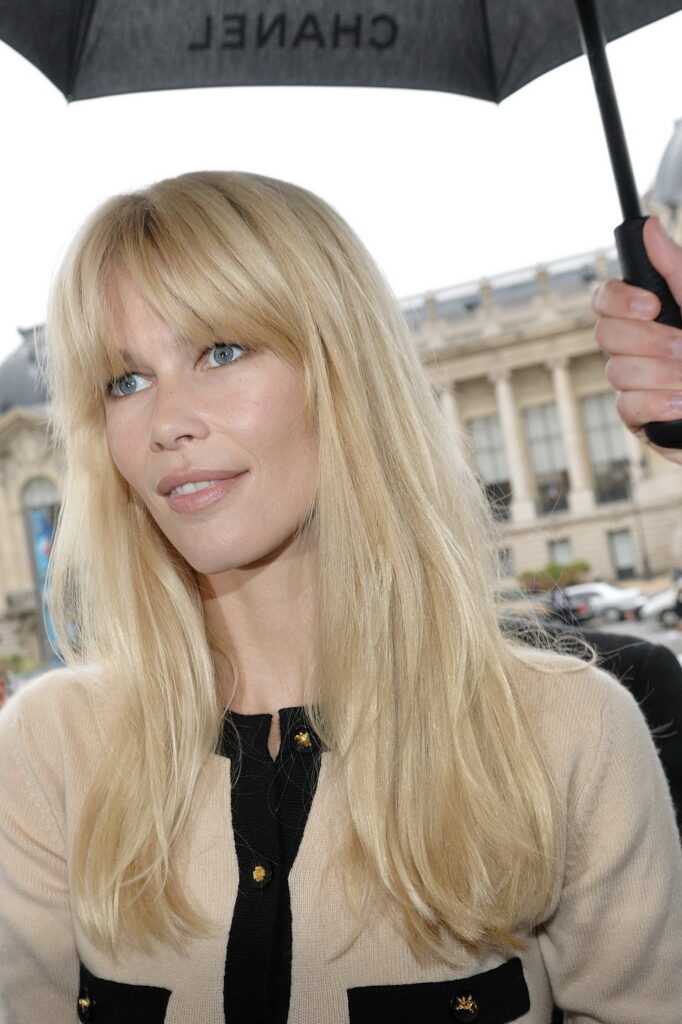
Paris has an advantage no algorithm can invent. Louis Vuitton, Chanel, Dior, Saint Laurent, Hermès and Balenciaga project entire luxury universes. Handbags, couture salons, ambassadors and monumental sets reinforce one mythology. The city’s power is institutional as well as aesthetic.
The FHCM coordinates a dedicated official Haute Couture Week, placing ateliers and made-to-measure creation at the heart of Parisian authority. New York produces exceptional custom fashion, but no equivalent official couture ecosystem. That distinction still matters.
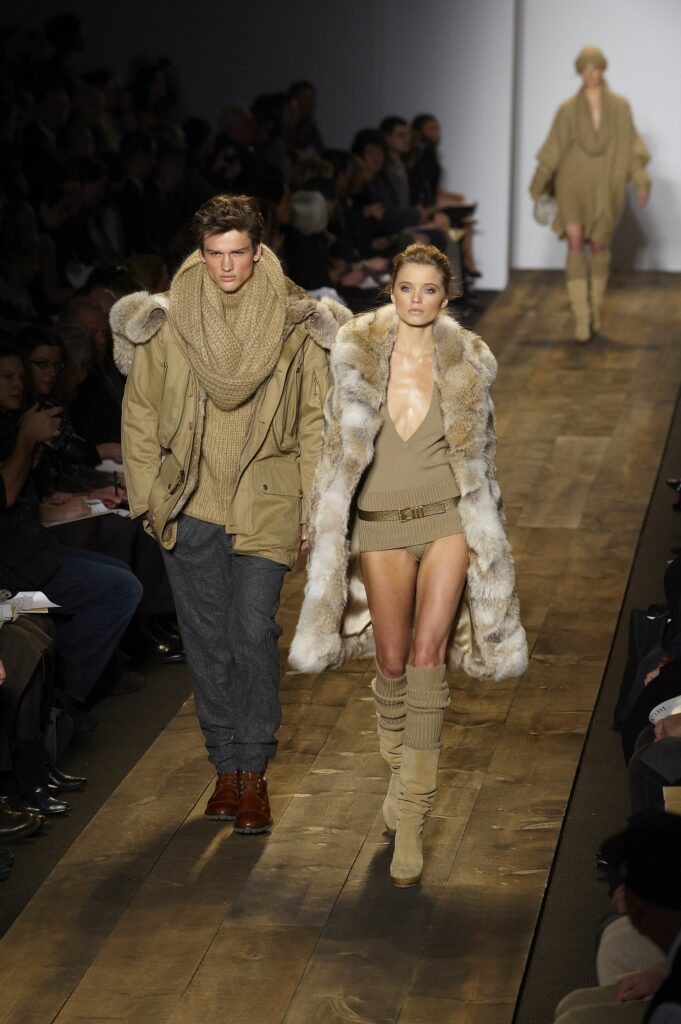
America answers with everyday aspiration. Ralph Lauren turns an idealised life into clothes; Michael Kors understands metropolitan ease; Coach converts leather heritage into youth culture; Tommy Hilfiger makes pop spectacle democratic. Marc Jacobs remains New York’s disruptor, influential even on his own calendar. Commerce does not cancel imagination.
Is New York Winning Celebrity, Social Media and Street Style?
Often, yes—at least at first. New York’s entertainment, music and media worlds overlap naturally. Celebrity attendance feels like cultural collision: a star leaves a downtown venue and enters the show’s news cycle. Famous models add velocity when an off-duty look becomes more shareable than the runway.
New York street style is argumentative. Tailoring meets sportswear; vintage collides with a new bag; personality defeats total-look loyalty. The city rewards apparent spontaneity, even before a dozen cameras.
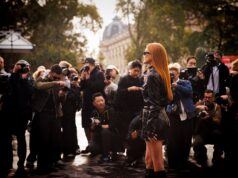
Paris creates ritual. Arrivals at Chanel or Dior carry weight; Saint Laurent makes the skyline a signature. Outside, buyers, models and ambassadors meet architecture already loaded with meaning. New York may produce the faster spike; Paris produces the image luxury wants to keep.
Runway Creativity, Emerging Designers and Commercial Reality
New York is a launchpad
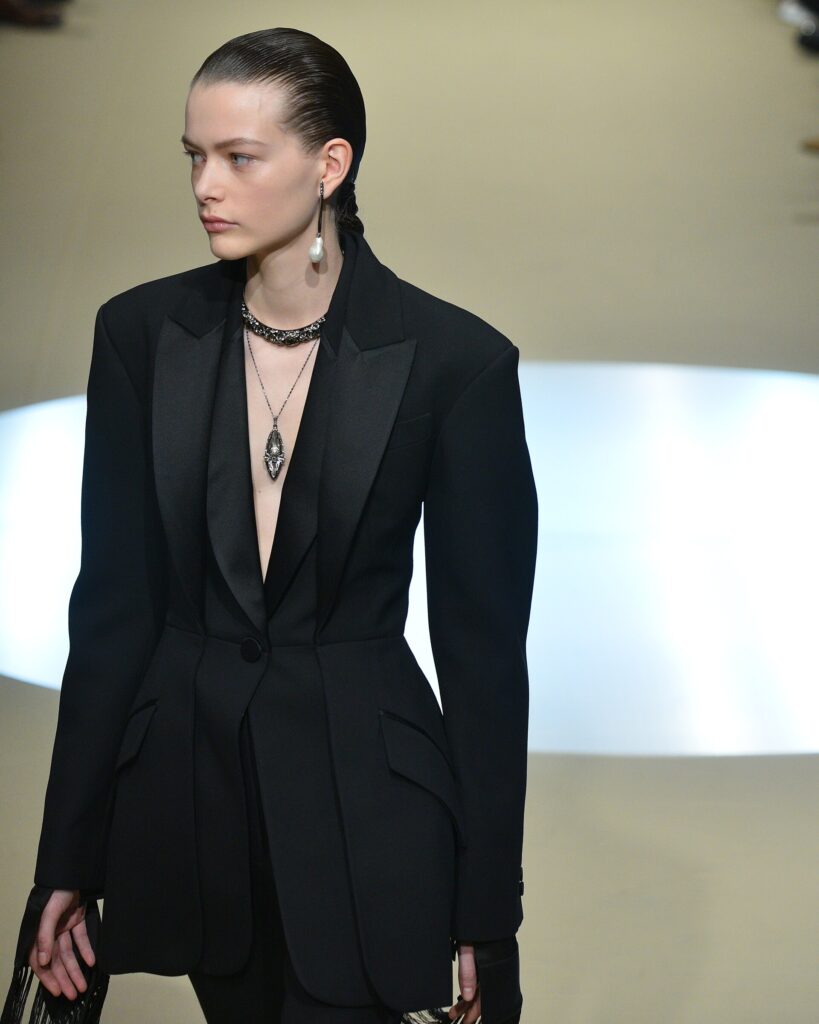
The CFDA calendar mixes established businesses, first-time participants and Fashion Fund finalists. An emerging designer can show between known names, meet retailers and turn attention into orders quickly. New York’s creativity often comes from limitation: smaller budgets produce unconventional locations and ideas built to travel digitally.
Paris is a consecration
Paris cultivates talent, but the prize is international validation. An independent voice competes with Louis Vuitton’s scale and Hermès craftsmanship; that contrast can sharpen originality. Our guide to why Paris became fashion’s capital explains how this authority accumulated.
Commercial influence is split. New York turns cultural relevance into wearable product. Paris controls luxury desire, image-making and global investment. One asks, “Will people buy it now?” The other, “Will the world desire it later?” Great designers answer both.
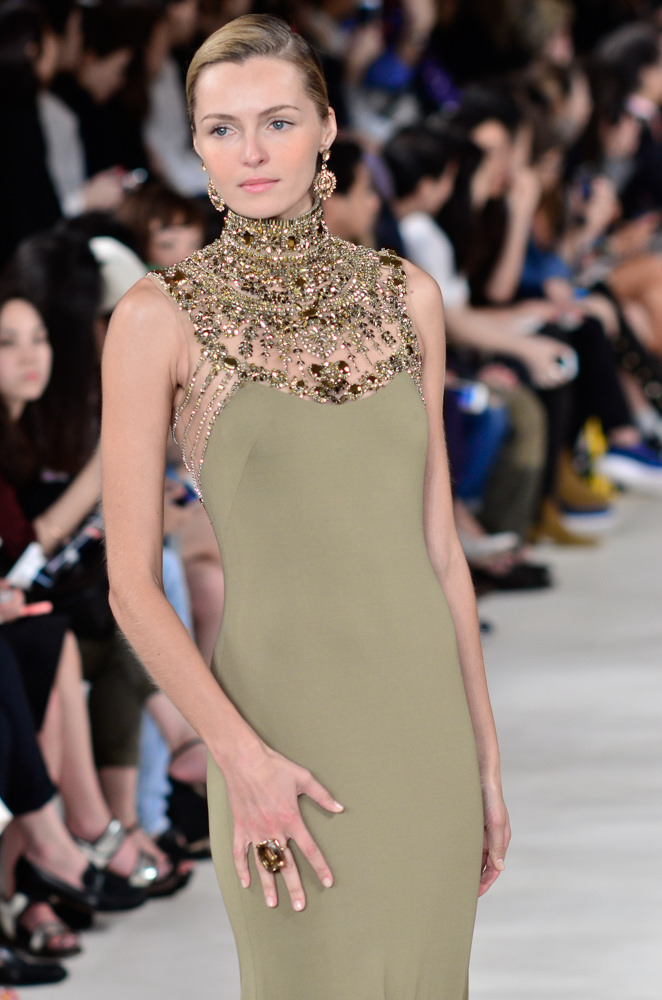
Paris vs New York Fashion Week: The Visitor Experience
| Question | New York | Paris |
|---|---|---|
| Atmosphere | Fast, direct, commercially charged | Ceremonial, international, layered with history |
| Venues | Studios, galleries, warehouses and city landmarks | Palaces, museums, courtyards and unexpected industrial spaces |
| Street style | Individual, experimental, sportswear-aware | Polished, directional and luxury-led |
| Professional rhythm | Compressed days and rapid follow-up | Longer distances, late shows and showroom re-sees |
| Defining strength | Cultural speed and commercial instinct | Luxury authority, craft and global prestige |
New York rewards buyers with a clear appointments grid and immediate order notes. Paris requires travel buffers and showroom re-sees. Media professionals need filing windows and backup power; VIP guests need confirmed invitations, identification and host contacts. Neither city rewards assumptions at the door.
Paris visitors can use the women’s visitor guide and complete 2026 calendar. Those carrying samples or managing dense schedules often pre-arrange airport transfers, event transportation or a private chauffeur. A destination specialist such as oui stars can coordinate logistics without promising house-controlled access. See the premium CDG arrival guide.
The Verdict: Buzz Is Not the Same as Rule
New York may be winning more moments. Its best shows move quickly through celebrity culture, street style and social media, and its commercial intelligence makes fashion feel present rather than remote. Dismissing that as mere “buzz” would misunderstand how influence now works.
Paris, however, still defines the symbolic summit. Its concentration of luxury houses, atelier culture, Haute Couture and global press gives it an authority no viral metric can fully reproduce. Paris does not win every show or every conversation. It remains the place where fashion most deliberately crowns itself.
Neither city needs the other to lose. New York keeps fashion urgent, plural and alive; Paris protects fantasy, craft and memory. Fashion needs both pulses: the American beat that accelerates culture and the Parisian cadence that gives it consequence.
Paris vs New York Fashion Week FAQ
Is Paris Fashion Week more important than New York Fashion Week?
Paris has greater authority in global luxury and Haute Couture, while New York has exceptional commercial reach and immediate cultural influence. Importance depends on the professional objective.
Which Fashion Week creates more social media buzz?
New York often generates faster celebrity and street-style conversation. Paris can produce larger luxury spectacles and images with a longer editorial life.
Why is Haute Couture associated with Paris?
Paris has a dedicated official Haute Couture Week coordinated by the FHCM and an exceptional concentration of specialist ateliers and historic couture houses.
Which city is better for emerging fashion designers?
New York offers close access to American media, retailers and development programs. Paris offers powerful international validation, but competition and production expectations can be more demanding.
When are the September 2026 Fashion Weeks?
The preliminary CFDA schedule runs from 10–15 September 2026, with several major shows on 9 September. Paris womenswear is scheduled from 28 September–6 October 2026.
Follow oui stars Travel Magazine for independent Paris, France and international fashion travel reporting.
OUISTARS event transport: For time-sensitive shows and appointments, explore the OUISTARS Paris Fashion Week chauffeur service with professional drivers and coordinated vehicle availability.





.jpg)


.jpg)
