




THE STORY BEHIND THE HOTEL · FRENCH RIVIERA SEASON · 07/12
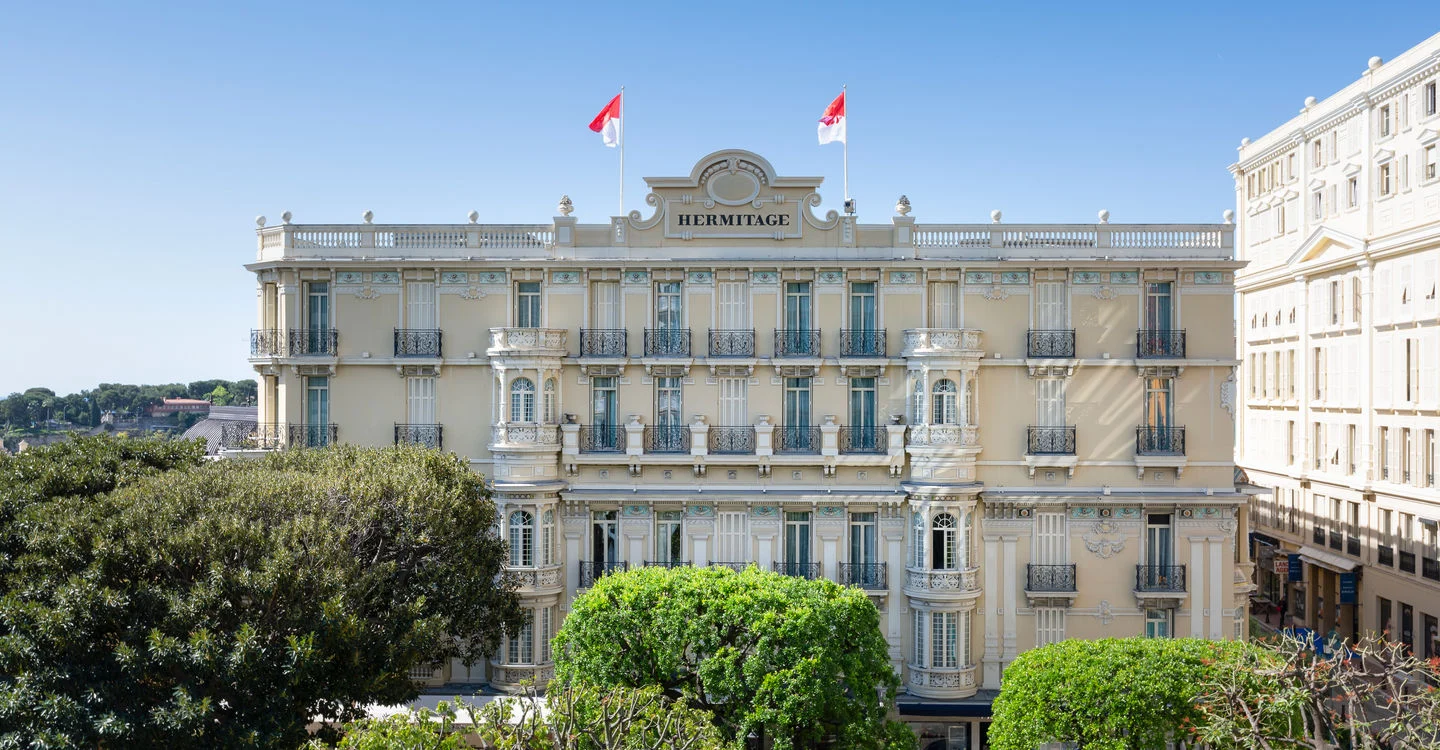
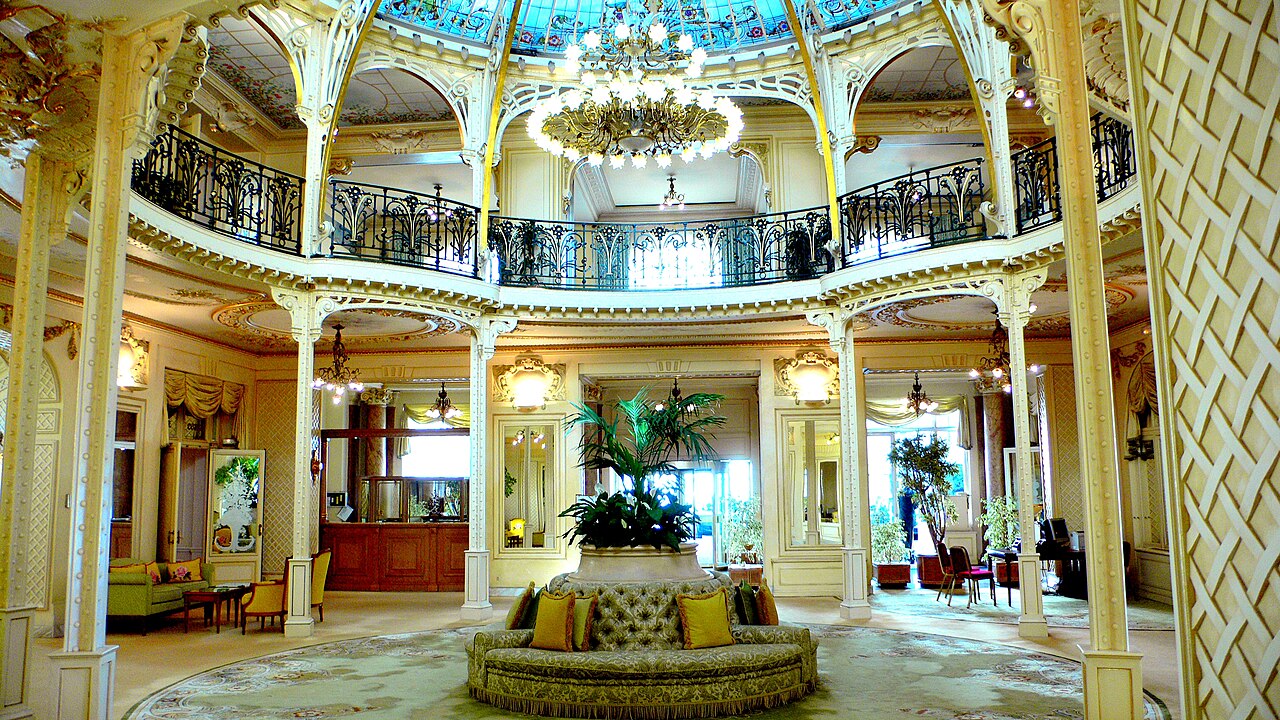
If the Hôtel de Paris performs on Casino Square, the Hermitage keeps its voice lower. Its great surprise is overhead: a winter-garden cupola associated with the Eiffel workshops, floating above a palace that turned privacy into its most enduring luxury.
How the hotel was born
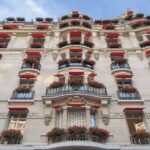
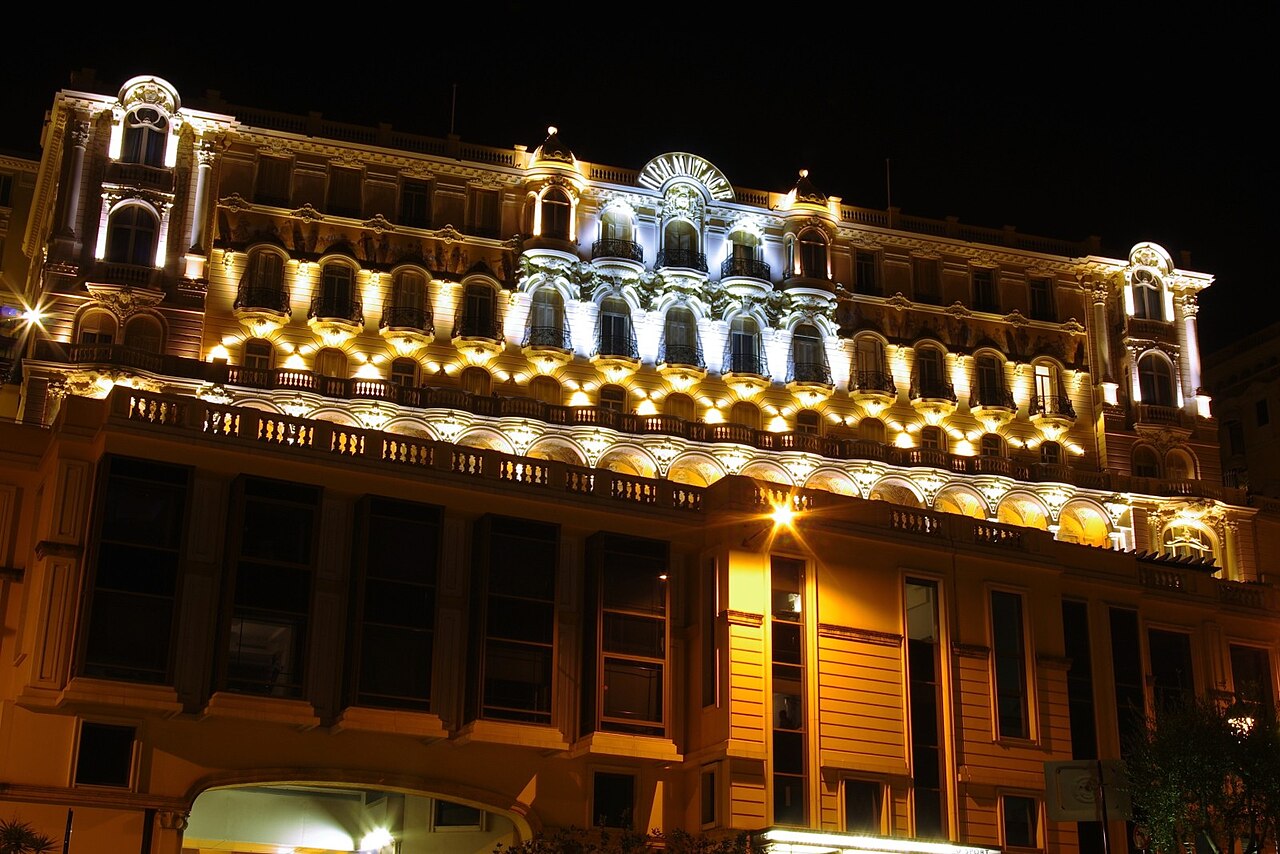
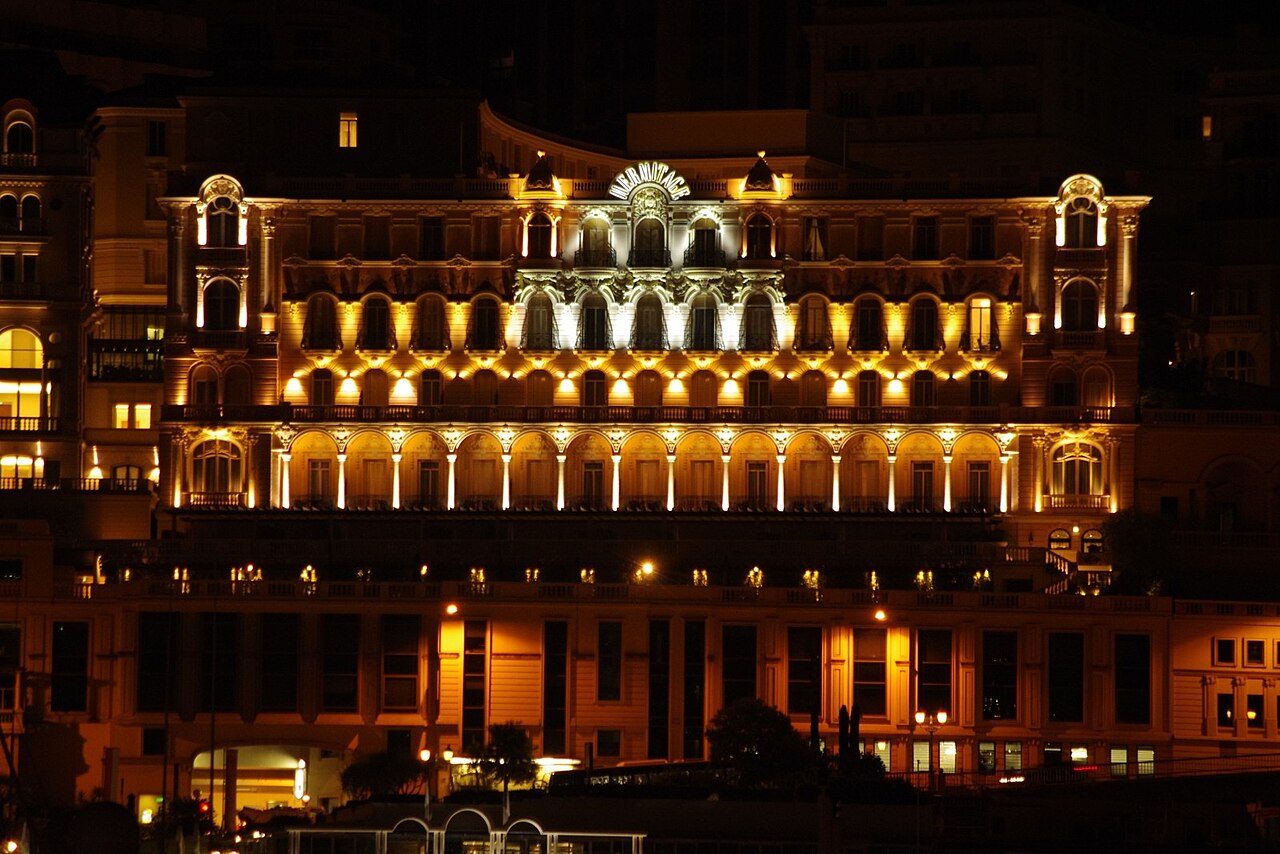
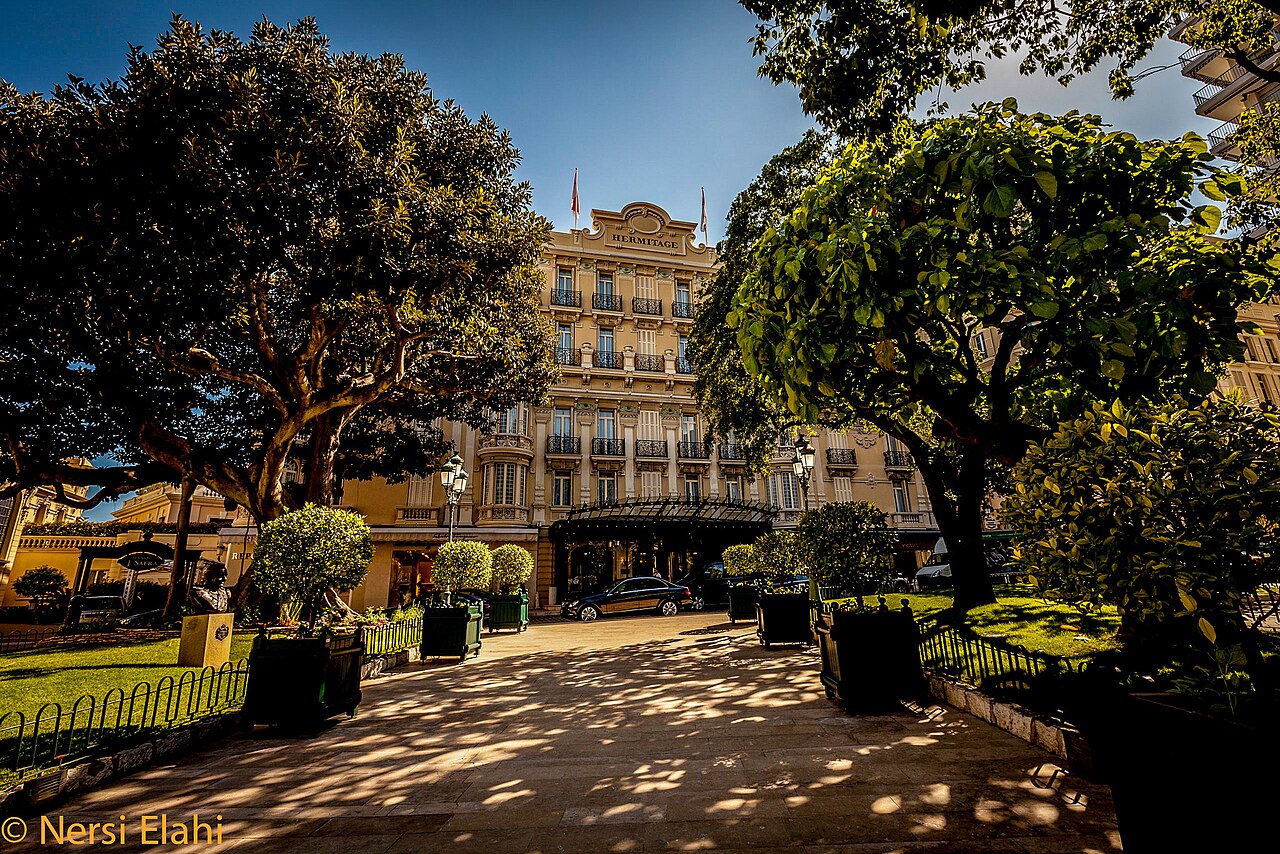
The Hermitage emerged in the 1890s from a group of buildings shaped by Monegasque architect Jean Marquet. Around 1900 it was transformed into a grand resort residence at the moment Monte-Carlo was refining its urban identity. The proposition differed from the extrovert Hôtel de Paris: an elegant, residential retreat connected to the same social world.
Architecture: a building that explains the place
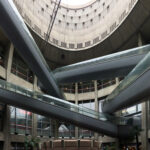
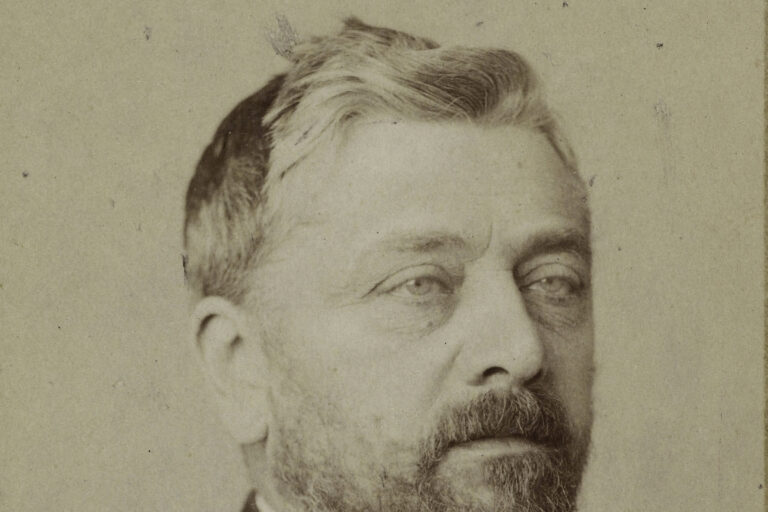
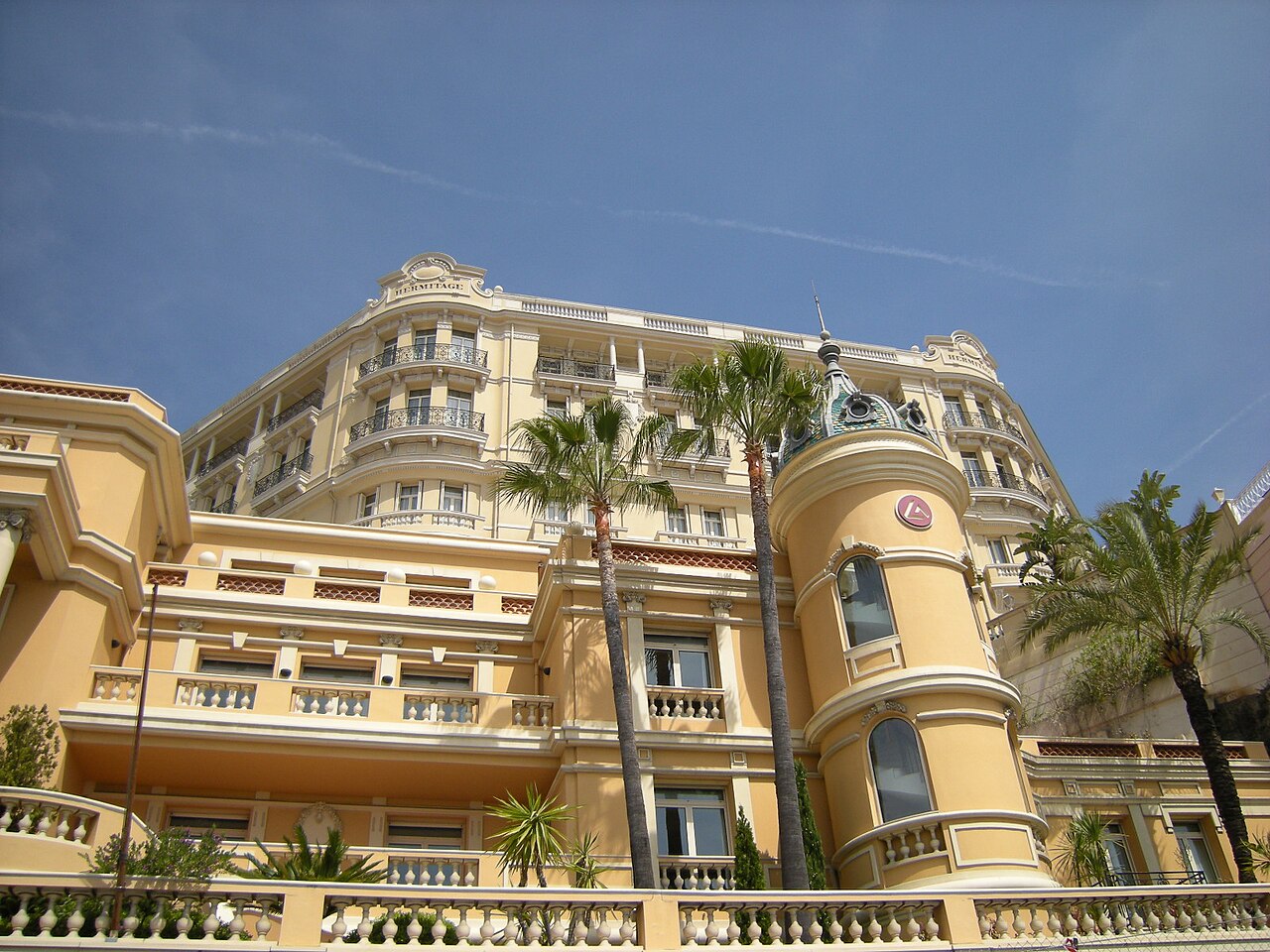
Its Belle Époque language reaches a peak in the Salle Belle Époque, whose frescoes by Prix de Rome painter Gabriel Ferrier evoke the decorative worlds of Fragonard and Boucher. SBM’s historical account attributes the glass roof’s structure to the Eiffel school and Gustave Eiffel’s workshops. Light, structure and ornament meet without the weight of a conventional palace ceiling.
The turning points
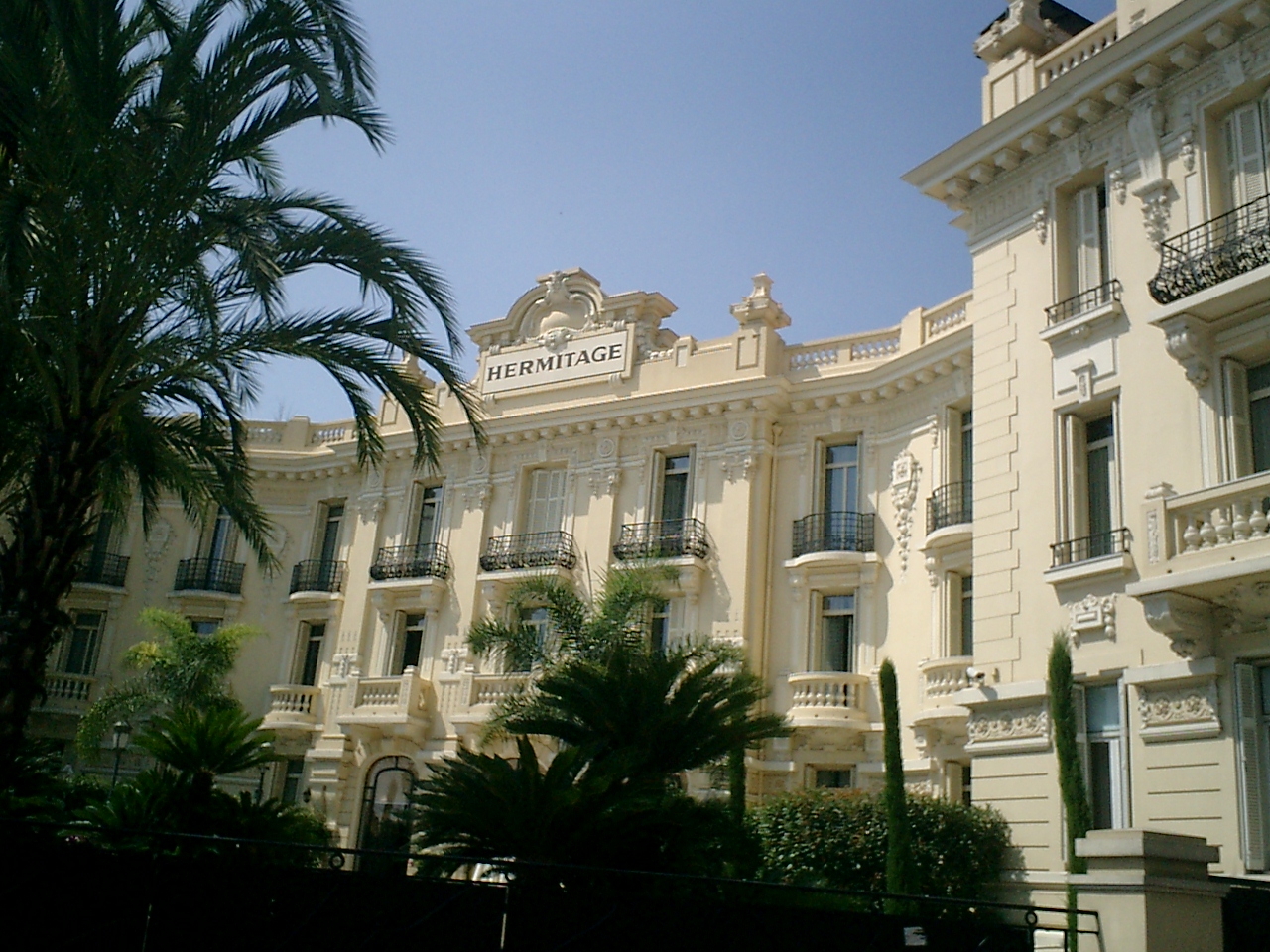
The hotel passed through Monaco’s wars, post-war reinvention and the rise of modern resort culture. Its identity was safeguarded through a major 1970s restoration by André Levasseur, then expanded in 2004 by architect Joseph Iori with interiors by Pierre-Yves Rochon. The additions allowed the Hermitage to grow while retaining the scale of a private grand house.
IF THESE WALLS COULD TALK
Stand beneath the Winter Garden dome and the most interesting story is engineering, not celebrity. Iron ribs hold delicate panes above palms and marble, turning industrial technique into atmospheric luxury. The effect embodies the Belle Époque bargain: modern structure hidden in plain sight, made to feel effortless.
The documented names
The Hermitage’s official material emphasises dynasties of architecture, decoration and hospitality more than a parade of names. That restraint suits the house. Its famous neighbour attracted spectacle; the Hermitage’s documented identity is discretion itself, a reason public figures could pass through with fewer traces.
The difficult chapters
Discretion can make history harder to narrate, and expansion can dilute intimacy. The restorations therefore had to solve a paradox: protect fragile frescoes, glass and proportions while adding the infrastructure expected of a modern palace. The tension between secrecy and scale remains central to the experience.
Restoration without amnesia
Levasseur’s work rescued the Belle Époque vocabulary; the 2004 extension and Rochon interiors gave it a contemporary residential rhythm. More recent updates continue room by room, including Diamond Suites and renewed public spaces, without attempting a single dramatic stylistic break.
The hotel today
Pavyllon Monte-Carlo by Yannick Alléno, the Crystal Bar, Limùn and direct access to Thermes Marins place dining and wellbeing at the centre. Guests can move underground toward the spa and Casino Square, a practical piece of Monaco urbanism that preserves the sense of retreat above.
Watch the story in motion
Why travellers still choose it
Choose the Hermitage when you want central Monte-Carlo without living directly on its stage. It offers Casino Square within minutes, sea views and palace services, but its courtyards, corridors and winter garden feel more residential than theatrical.
Practical location
The hotel is on Square Beaumarchais, a short walk from Casino Square and the harbour via Monaco’s lifts and passages. Monaco–Monte-Carlo station is nearby; Nice Côte d’Azur Airport is about 30 kilometres away.
Across Casino Square, its neighbour offers another reading of Monaco. Our Hôtel de Paris Monte-Carlo story follows the hotel’s origins and the history beneath its wine cellars.
At a glance
- Address: Square Beaumarchais, 98000 Monaco
- Official hotel website
Let OUISTARS shape the stay
A story can explain why a hotel matters; choosing the right room, dates and arrival plan is a different craft. OUISTARS can compare room and suite options, coordinate the route from airport or station, and help shape the wider Riviera itinerary—while keeping this article editorially independent.
Ask OUISTARS on WhatsAppExplore OUISTARS concierge
Editorial selection is independent. No partnership, sponsorship, complimentary stay or endorsement is implied. Availability, rates, taxes and cancellation terms must be confirmed before commitment.
Research desk: primary and authoritative sources
- Monte-Carlo SBM — official Hôtel Hermitage press kit
- Monte-Carlo SBM — official history
- Hôtel Hermitage — official hotel page
- PrivateUpgrades on YouTube — independent hotel tour
All Wikimedia Commons images are used under the licence shown in each credit. Official hotel imagery, where used, is editorially credited and must be re-cleared for commercial print or paid reuse.
Osama Samaha
Editor-in-Chief — OUISTARS Travel


.jpg)


.jpg)
.jpeg)
.jpg)