


















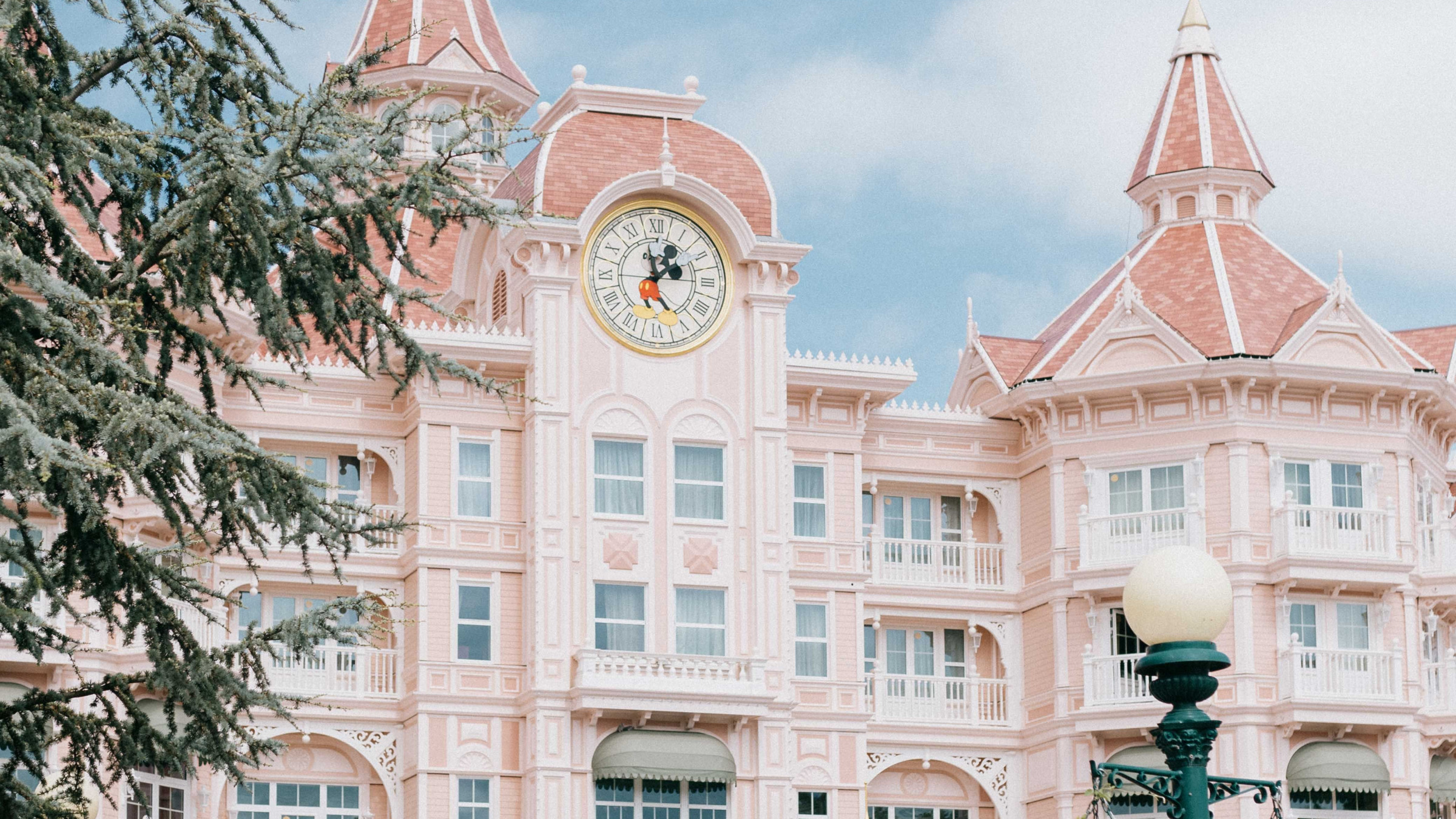
A family hotel in Paris is not simply a hotel that accepts children. It is a place where the room, the building and the location make daily life easier for everyone. A beautiful address can become exhausting when the lift will not take a stroller, breakfast starts after your early museum slot, or a so-called family room is one standard room with every free centimetre occupied by a sofa bed.
The right choice depends on the age of the children, the number of real beds required, the length of the stay and the journeys the family will repeat. This guide turns those needs into a practical hotel brief, then compares the Paris areas and accommodation formats that can meet it.
Editorial update: 3 September 2026. Hotel specifications were checked against official hotel or tourism sources. Room configurations, services and availability can change, so confirm the exact category and terms before payment.
The five decisions that determine whether a family stay works
Start with five answers before looking at hotel photographs: how many separate sleeping surfaces are essential; whether a cot or high chair is required; whether connecting rooms must be guaranteed; how much food preparation the family needs; and which two daily journeys matter most. Add any accessibility, allergy, refrigeration or quiet-room requirement to the written brief.
Paris je t’aime, the official tourism office, identifies several relevant formats for families: hotels with communicating rooms, rooms for three or four guests, aparthotels and furnished accommodation. The important point is that occupancy labels are property-specific. A child may count toward maximum occupancy even when sharing an existing bed, and a cot may not be allowed in every room category.
Family room language: what the labels really mean
| Label | What it may mean | What to confirm in writing |
|---|---|---|
| Family room | One larger room with several beds or a sofa bed | Exact floor area, bed sizes, occupancy and whether beds remain open all day |
| Connecting rooms | Two rooms with an internal door | Guaranteed connection, not merely adjacent rooms; bed configuration in both rooms |
| Suite | A bedroom plus sitting area, or one open-plan room | Whether the door separates sleeping zones and whether the sofa bed is made nightly |
| Aparthotel apartment | Studio or multi-room unit with kitchen facilities | Number of closed bedrooms, kitchen equipment, housekeeping schedule and reception hours |
| Triple or quadruple | Three or four permitted occupants | Whether all beds are permanent and which ages qualify under the child policy |
Do not rely on a booking-engine thumbnail. Ask for the category name, maximum occupancy, floor area in square metres, exact beds, bathroom count, lift access and the possibility of a bath or walk-in shower. If connecting rooms are critical, the confirmation should say “connecting”, not “nearby”, “same floor” or “subject to allocation”.
Which Paris areas work best for families?
The 7th and 15th arrondissements are strong when the Eiffel Tower is central to the trip. The 15th is particularly practical for supermarkets, neighbourhood restaurants and aparthotel inventory. The 5th and 6th give families a highly walkable Left Bank base near the Luxembourg Garden, the Seine and major museums, although historic buildings can mean compact rooms and small lifts.
The 1st offers exceptional efficiency for the Louvre, Tuileries and central river walks. That convenience often carries a price and does not guarantee generous bedrooms. The 12th around Gare de Lyon, Bercy and Nation can deliver a calmer residential rhythm, useful transport and easier eastbound travel. The 17th can work for Porte Maillot, western Paris and families who value local streets over a landmark view.
For a fuller street-by-street decision, begin with our complete guide to choosing a Paris hotel and neighbourhood. The family version of the decision is simple: reduce transfers, choose a flat final approach where possible, and keep one reliable meal or grocery option close to the hotel.
Three verified accommodation models
Yooma Paris Eiffel: one-room capacity for larger families
Yooma Paris Eiffel’s official site places the hotel at 51 quai de Grenelle in the 15th arrondissement and presents rooms designed for two to six guests. Its family proposition includes play spaces, while its accessibility guide reports four adapted rooms. The nearby Bir-Hakeim Metro station and Champ de Mars-Tour Eiffel RER C station create useful connections, but families should still map lifts, steps and service status for their precise route.
This model can suit parents who prefer everyone in one room and value child-oriented common areas. Confirm whether the chosen configuration uses bunk beds, the permitted ages, and how much open floor remains once all beds are occupied.
Novotel Paris Centre Tour Eiffel: conventional hotel service with defined capacities
The official Accor listing currently describes several relevant categories: a 26-square-metre classic family room with a queen bed and single sofa for up to three guests; a 30-square-metre superior room with a queen bed and double sofa for up to four; and a 34-square-metre junior suite for up to four. These are useful specifications, not an availability promise.
This model can work when a family wants a staffed full-service hotel and recognisable room categories. Ask whether the sofa bed can remain open, whether breakfast is included for every occupant, and whether two rooms can be truly interconnected if the party is larger.
Aparthotel Adagio Paris Centre Tour Eiffel: kitchen and multi-room flexibility
Adagio’s official listing describes 375 apartments ranging from studios to three-room apartments for up to six people, with equipped kitchens and a 24-hour reception. For a longer stay, the value is not only space. A refrigerator, basic cookware and a separate living zone can lower the friction of breakfast, snacks, bottles and different sleep schedules.
Read the plan carefully. “Three rooms” in French apartment terminology generally counts the living room plus two bedrooms, not three bedrooms. Confirm housekeeping frequency, towel changes, dishwasher or laundry facilities, cot availability and what is included in the booked rate.
Hotel or aparthotel: choose according to the rhythm of the stay
A hotel is usually stronger for frequent housekeeping, on-site assistance, breakfast service and short stays. An aparthotel becomes compelling when food routines, laundry, naps or longer occupancy make a kitchen and living area more useful than daily hotel service. Neither format is automatically more luxurious or more economical.
- Choose a hotel for a two- or three-night city break, daily room servicing, concierge support and a central itinerary.
- Choose an aparthotel when the family wants breakfast at its own pace, refrigerator space, more than one living zone or a stay long enough to benefit from domestic facilities.
- Choose connecting rooms when privacy and two bathrooms matter more than sharing one larger room.
- Choose one large room only when the layout remains usable after every bed is open.
Transport: the last 500 metres matter most
Paris has a dense public transport network, but a line on a map does not show stairs, narrow gates, crowded platforms or a broken lift. A direct bus may be easier with a stroller than two Metro connections. Line 14 is the only Metro line described by Île-de-France Mobilités as fully wheelchair accessible from end to end; accessible trip planning should consider buses, trams and suitable RER routes as well as the hotel entrance.
Test the actual route from the airport or station to reception. Our Paris airport transfer guide explains the difference between CDG, Orly and Le Bourget journeys. For families continuing east, use the dedicated CDG to Disneyland Paris guide with children and luggage.
For a chauffeur transfer, provide the number and ages of children, required child seats, stroller dimensions, luggage count and flight details before confirmation. French restraint rules depend on the child’s age and size, and the appropriate seat must be specified rather than assumed.
The family hotel checklist before payment
- Occupancy: every adult, child and infant is recorded on the reservation.
- Beds: permanent beds, sofa beds, bunks and cots are listed with dimensions where necessary.
- Connection: an internal connecting door is guaranteed if essential.
- Bathroom: bath or shower, separate toilet, step-free access and number of bathrooms are confirmed.
- Building: lift access reaches the booked floor and the stroller fits the lift.
- Food: breakfast hours, children’s pricing, allergies, refrigeration and nearby groceries are understood.
- Climate: air conditioning or heating arrangements are confirmed for the travel dates.
- Noise: courtyard, high-floor or quiet-room preferences are requested, without treating a request as a guarantee.
- Terms: cancellation, deposits, city tax and charges for cots or extra beds are visible in the final total.
- Arrival: reception hours, luggage storage and late-arrival procedure match the transport plan.
How to compare value without being misled by the nightly rate
Compare the total for the whole party, not the price of the first room shown. Two standard rooms may cost more than a large apartment but deliver two bathrooms and daily service. A distant option may look cheaper until transfers, taxis and lost time are added. A room with breakfast may still exclude older children under the property’s policy.
Paris applies a tourist tax by accommodation category and person. Treatment of minors and the amount due should be checked in the final booking terms and against current official guidance. Never assume a search result includes taxes, breakfast, extra beds or refundable conditions.
The best value is the arrangement that protects sleep, reduces daily transport and avoids a forced second booking. For a short stay, location can be worth more than a few extra square metres. For a week with young children, a kitchen and separate bedroom may transform the experience.
A realistic day test
Before booking, rehearse an ordinary day. Can one adult collect breakfast while the other helps the children? Is there somewhere safe for a stroller? Can a sleeping child be carried from the lift without stairs? Is the return from dinner simple? If one child naps, can the rest of the family remain awake without whispering in darkness?
Then rehearse the difficult day: rain, delayed luggage, an early timed ticket and a tired child. A family-friendly hotel should still work then. This exercise often reveals that a less photogenic apartment near a direct route is a better premium choice than a famous address that creates repeated friction.
Where OUISTARS fits into the planning
OUISTARS is a France-based destination management and concierge company. For families, individuals, larger groups and delegations, its role can include matching a hotel to location, category and budget; coordinating reservations; arranging airport reception, Meet & Greet, chauffeurs and luggage logistics; and connecting accommodation with excursions and day-by-day concierge support.
That coordination is most useful when the brief is precise. Share children’s ages, room relationships, dietary needs, mobility constraints, vehicle-seat requirements and the fixed points of the itinerary. Hotel services, room assignments, rates and availability remain subject to the property’s written confirmation.
Editorial verdict
For most families, the winning Paris hotel is not the one with the longest amenity list. It is the one that makes mornings calm, gives every traveller a credible place to sleep and removes unnecessary transfers. The 15th is a dependable starting point for space and Eiffel Tower access; the central Left Bank works for walking; the 1st maximises short-stay efficiency; and the 12th rewards practical eastbound itineraries.
Choose the room plan before the décor, the route before the postcode, and the written confirmation before the promise. Then use our three-day Paris itinerary to test whether the address supports the trip you want to take.
Frequently asked questions
Which area of Paris is best for families?
The 15th is a strong all-round choice for residential services, Eiffel Tower access and aparthotels. The 5th and 6th suit walkable cultural trips, the 1st suits very short central stays, and the 12th can be practical for Gare de Lyon, Bercy and eastbound travel.
Can a family of five stay in one Paris hotel room?
Some properties offer rooms or apartments for five or six, but many standard rooms cannot legally or safely accommodate that number. Search by exact occupancy and obtain written confirmation of every bed and guest.
Are connecting rooms guaranteed?
Only when the hotel explicitly confirms an internal connecting door for the booked categories. Adjacent, nearby or same-floor rooms are not the same arrangement.
Is an aparthotel better than a hotel with children?
It can be for longer stays, food routines and separate sleep schedules. A conventional hotel may be better for short stays, daily service, breakfast and continuous on-site assistance.
Should a family stay near the Eiffel Tower?
Stay there if the tower, western Paris and calm residential evenings fit the itinerary. Do not choose it solely for the name if most planned activities are in the east or require repeated connections.
What should parents confirm before booking?
Confirm total occupancy, bed types, connecting status, floor area, bathroom layout, lift access, cot policy, breakfast terms, air conditioning, taxes, cancellation conditions and the exact arrival route.







[…] should compare a larger room outside the postcard centre with two smaller central rooms. Our Paris hotels for families guide explains why usable layout often matters more than the star […]