




Opinion and analysis — Osama Samaha
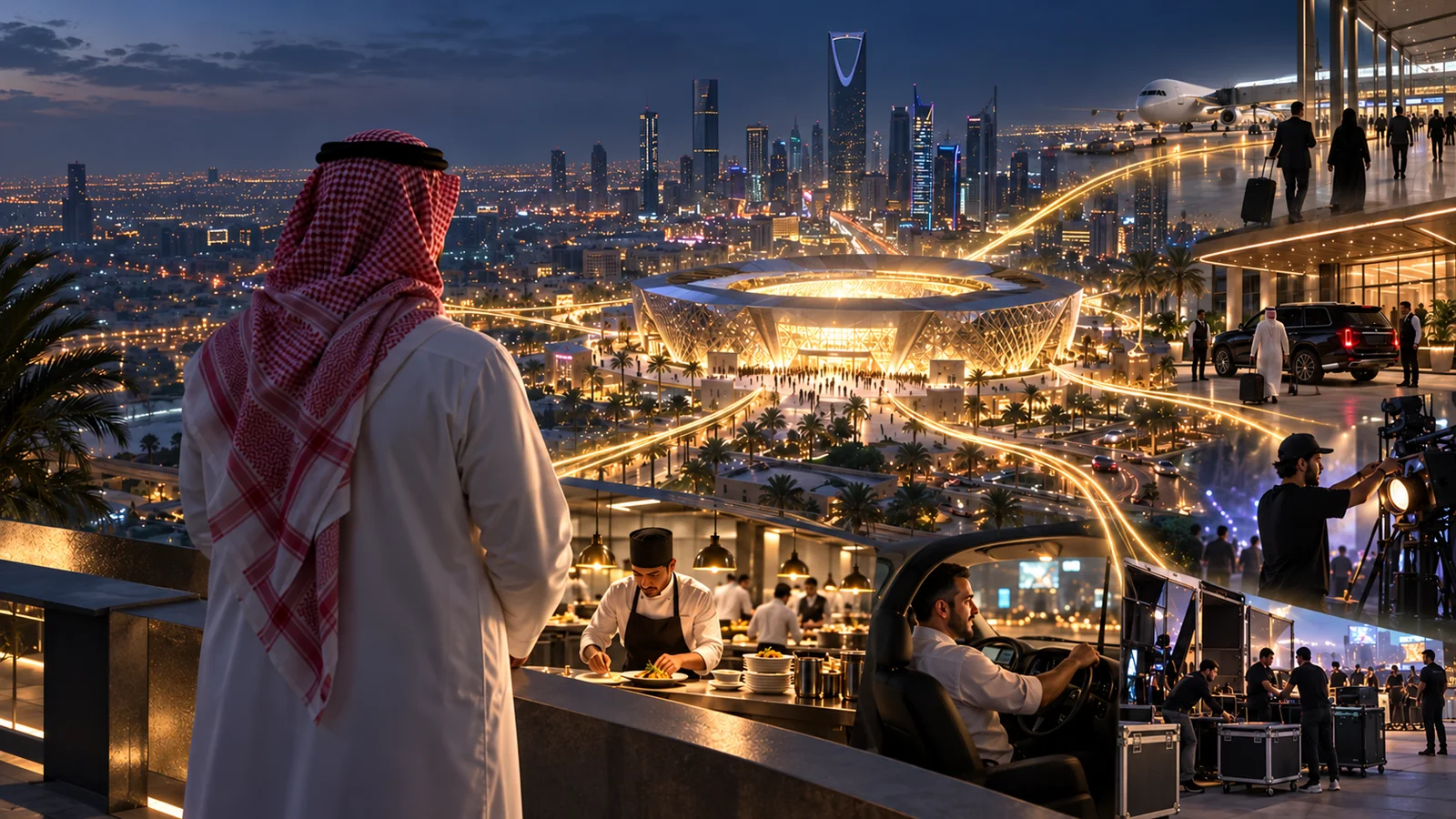
Before the star enters the arena, other people have already been working for hours. An airport team handles a new wave of arrivals. A hotel prepares late check-ins. A chef increases the night’s orders. A lighting technician runs through a programme learned on the job. None of them will dominate the photograph shared the next morning, yet each belongs to the event’s value as surely as the name on the poster.
This is the most revealing way to read Turki Alalshikh’s impact. He does not simply put a show on a stage. At its most successful, the show sets an entire city in motion. Ticket revenue is only the first transaction; money then moves through hospitality, transport, production, security, advertising and broadcasting until it becomes a wage, a contract or somebody’s first credible break.
The event begins at the airport
The audience sees a two-hour fight or one night of music. The economy sees a much longer sequence: aircraft carrying teams and supporters, occupied hotel rooms, extra restaurant covers, trucks moving equipment, temporary hires, ticketing systems and media crews. Even a visitor who never enters the arena may spend in the city because the event supplied the reason to travel.
That supply chain can now be measured, although the figures require careful attribution. At the government briefing for Riyadh Season 2025, organisers reported more than 2,100 participating companies, 95% of them Saudi, working through 4,200 private-sector contracts. The same announcement cited more than 25,000 direct and 100,000 indirect jobs across operations, production and services. These are official organiser figures rather than an independent impact study, but they reveal the scale of the network around the season. Saudi Press Agency.
The famous name wins the headline. The durable economy is found in the companies that learn, the people who are paid and the skills that remain after the applause.
From importing a night to owning the expertise
The easiest criticism of Saudi Arabia’s entertainment drive is that it buys finished spectacles. That view stops at the front of the stage. The more useful questions are different: who built the set, managed the crowd, produced the broadcast, negotiated the rights and will be able to deliver the next event with a larger share of Saudi expertise?
In March 2024, Riyadh hosted Saudi Arabia’s first professional snooker event, according to the World Snooker Tour. UFC arrived in the Kingdom for the first time that June. The 2018 Greatest Royal Rumble in Jeddah staged WWE’s first 50-man Royal Rumble and opened a long-term partnership. In May 2024, Oleksandr Usyk left Riyadh as the first undisputed four-belt heavyweight champion. These were not isolated sports headlines. Each required travel, hospitality, security, production technology and international media operations. World Snooker Tour, UFC, WWE, Saudi Press Agency.
The money that used to travel
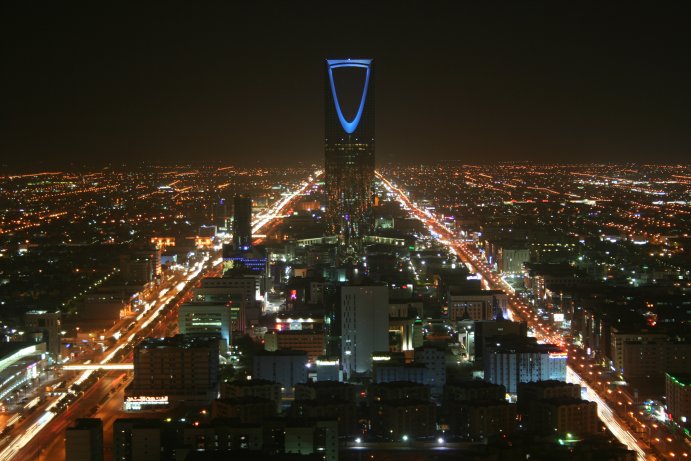
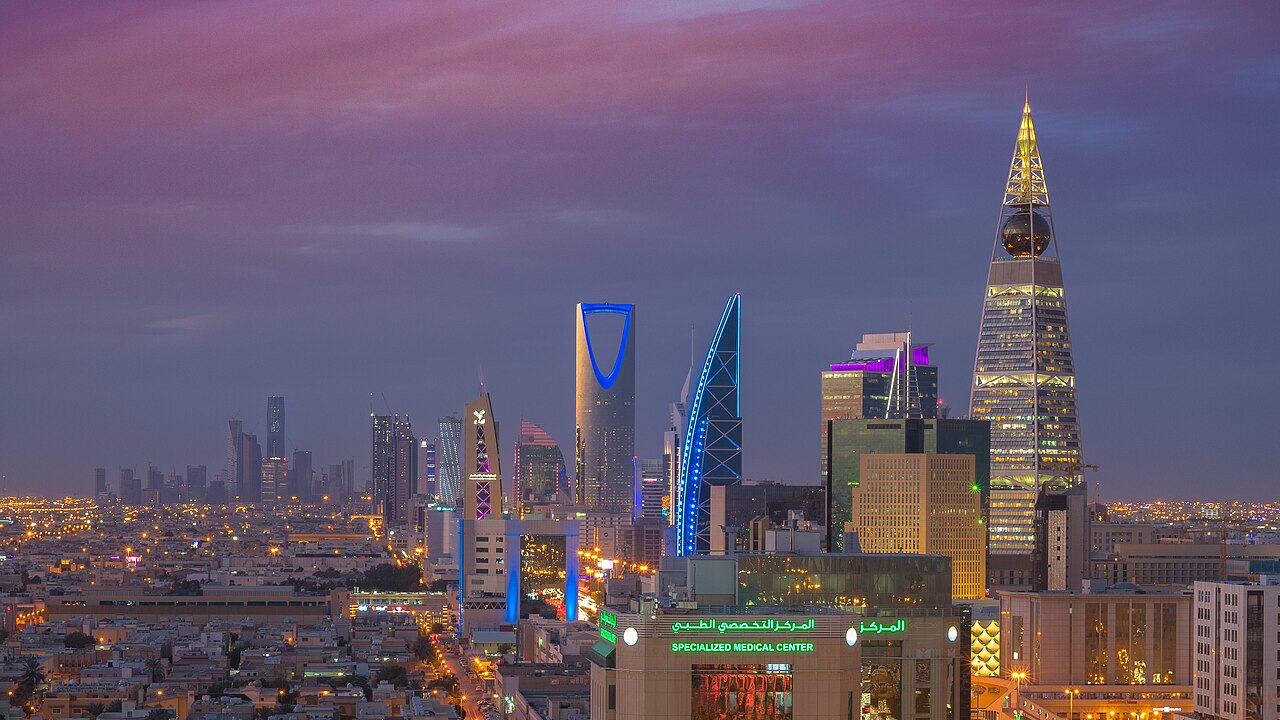
For years, a Saudi fan wanting a global event often booked a flight and hotel abroad, then spent in another city’s restaurants and shops. When the event comes to Riyadh, part of that spending stays in the Kingdom. The more important reversal is the inbound visitor arriving with new money and a reason to extend the trip.
It would be wrong to credit Riyadh Season with Saudi tourism as a whole. Pilgrimage, business, visiting friends and relatives, coastlines, heritage and sport all shape the market. Entertainment is one growing reason to travel. In 2024, the Ministry of Tourism reported roughly SAR284 billion in combined domestic and inbound tourism spending, including SAR168.5 billion from inbound tourism. That is a national total, not a season result, but it shows the economy in which large events are competing for a share. Saudi Ministry of Tourism.
Who works behind the image?
There is no need to invent a worker’s story or manufacture a quotation. The emerging professions are visible: crowd management, experience design, ticketing, safety, lighting, sound engineering, hospitality, live translation, talent relations, sponsorship, visitor data and broadcast production.
Any one of those careers may begin with a short contract. The economic value appears when a contract becomes a record of experience, and experience becomes a permanent job or a company capable of bidding for larger work. In that sense, the event is also a working school. A Saudi technician beside an international production team leaves with more than that night’s wage; the benchmark has changed.
This is where Alalshikh and the institutions around the project face the harder test. Attracting the global name is stage one. Stage two is ensuring Saudi workers do not remain at the edge of production, and that knowledge, authority and intellectual property move locally alongside support work.
Turki Alalshikh and the business of attention
Alalshikh’s clearest talent is his understanding of attention as an economic asset. A fight does not begin at the bell, and a concert does not begin when the lights go down. The story starts with the announcement, grows through anticipation and turns the city itself into part of the product.
He is not operating alone. Vision 2030 established economic diversification and quality of life as national priorities; public institutions built the framework, private companies delivered the work, and the Saudi audience gave the experiment its energy. The reported 95% share of local companies in Riyadh Season 2025 matters because it shifts the story from one powerful negotiator to a market learning how to execute.
What the arena lights do not tell us
A serious assessment cannot stop at impressive totals. A direct job may be permanent or seasonal. An indirect-job number is an economic estimate that needs a published method. Visits are not necessarily unique people. Brand value is not cash revenue, and media attention is not proof of a positive return on public spending.
The next phase therefore requires sharper disclosure: how many jobs continued beyond the season, how technical wages changed, how many Saudi suppliers became lead producers, and what proportion of event spending remained inside the local economy. Those questions do not diminish the achievement. They are how a promising market protects itself from becoming impossible to measure.
After the last spectator leaves
The screens at Kingdom Arena will go dark. The fighter will fly home. Lighting rigs will be dismantled before dawn. Yet the real effects leave more slowly: a company has completed its largest contract, a young technician has added an international production to a CV, a hotel sold a room, a restaurant opened another shift and a driver found a full night’s work.
That is the difference between a large show and an industry. The show is measured by what happened on stage. The industry is measured by what remained outside it.
Turki Alalshikh did not invent the event economy. He recognised early that Riyadh could become one of its capitals. His more consequential legacy will not be the number of stars who arrived, but the number of Saudi people and companies able to produce the next event themselves.
Osama Samaha
Editor-in-Chief — OUISTARS Travel
Editorial independence: This is an independent opinion and analysis article. No partnership, sponsorship or commercial relationship with the General Entertainment Authority, Riyadh Season or the people and organisations mentioned is implied. Company and employment figures are attributed to the season’s official announcement and kept separate from national tourism statistics.