

Opinion and analysis: Osama Samaha | Paris, Monday, October 19, 2026
Police taking to the streets sends a clear and decisive message: there is no place for thieves or vandals, and French streets will not be surrendered to those who burn and loot. Police presence means security; without security there is no tourism, no confidence in hotels and restaurants, and no visitor who feels that Paris remains the city the world knows.
On October 19, two days after the violent scenes of Saturday the 17th were broadcast around the world, police returned visibly and firmly to French streets. This is not theatre. It is the message the public needed: the state is present, the law is present, and those who burn, loot or attack will not be allowed to own the city.
Police on the streets: a message that there is no place for thieves
A shopkeeper who sees a patrol outside opens with greater confidence. A visitor who sees police on major routes moves between hotel, museum and restaurant without feeling abandoned. Tourism is an industry of confidence before it is an industry of bookings.
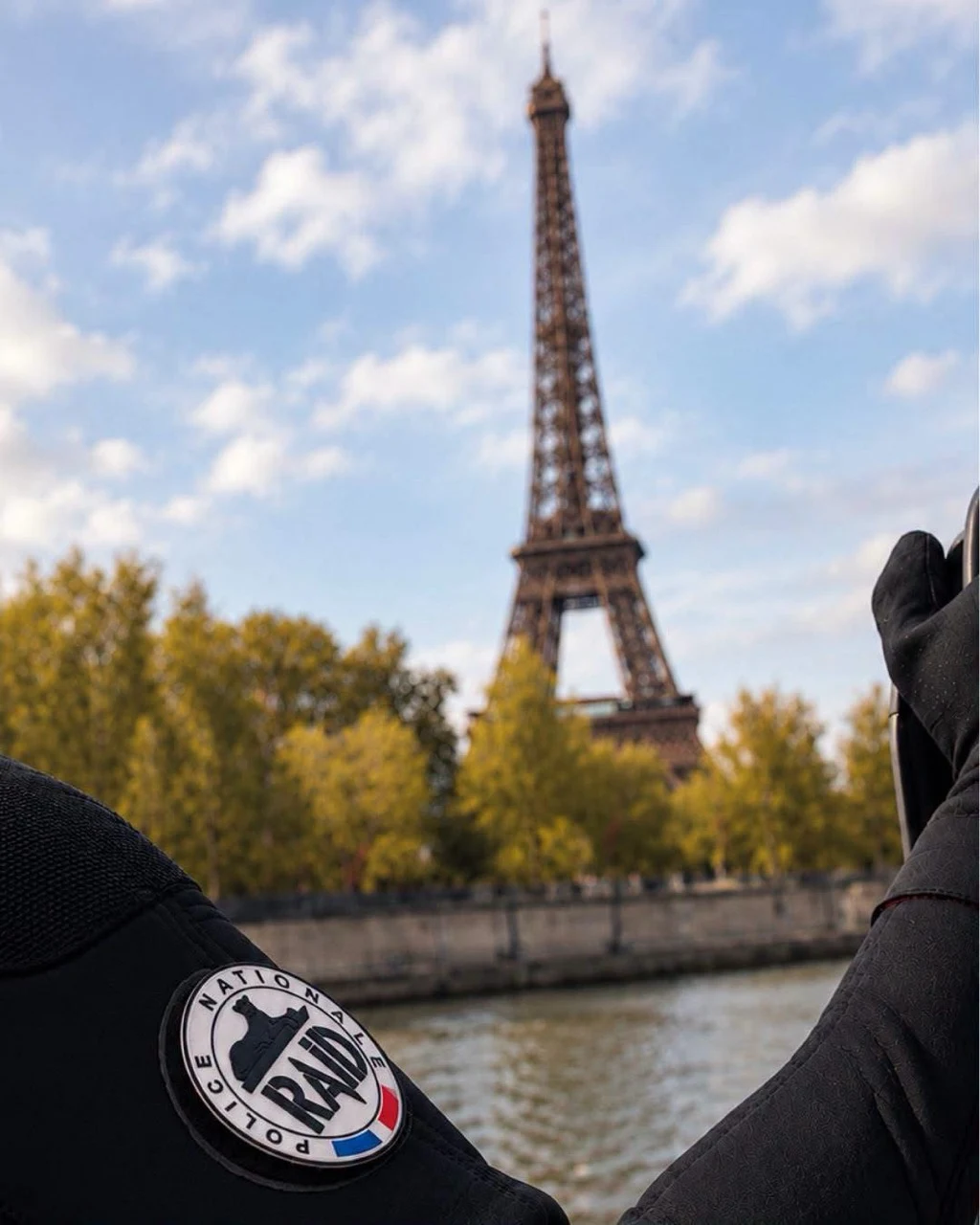
Firmness does not mean lawless anger. It means early deployment, clear command, protection of sensitive sites, evidence-based arrests and swift, fair justice. Professional police protect peaceful demonstrators from violent groups as surely as they protect shops, city halls and vehicles.
The events of October 17 must not be softened
Hundreds of thousands marched over purchasing power, wages, schools and public services, and the overwhelming majority were peaceful. Yet violent groups turned parts of the demonstrations into scenes resembling street warfare: fires, burned cars and motorcycles, smashed windows, looted shops, attacked public buildings and blocked roads.
Vehicles and shops were attacked in Paris; a tourist office burned in Lyon’s Place Bellecour; shops and a municipal police facility were damaged in Marseille, where people briefly entered City Hall; Limoges lost part of its historic City Hall to fire. Violence or attempted incursions were reported in Bordeaux, Lille, Calais and Brest, with disorder in Rennes, Toulouse, Montpellier and Grenoble. In Nice, a count attributed to the prefecture reported about forty arrests after looting and damage.
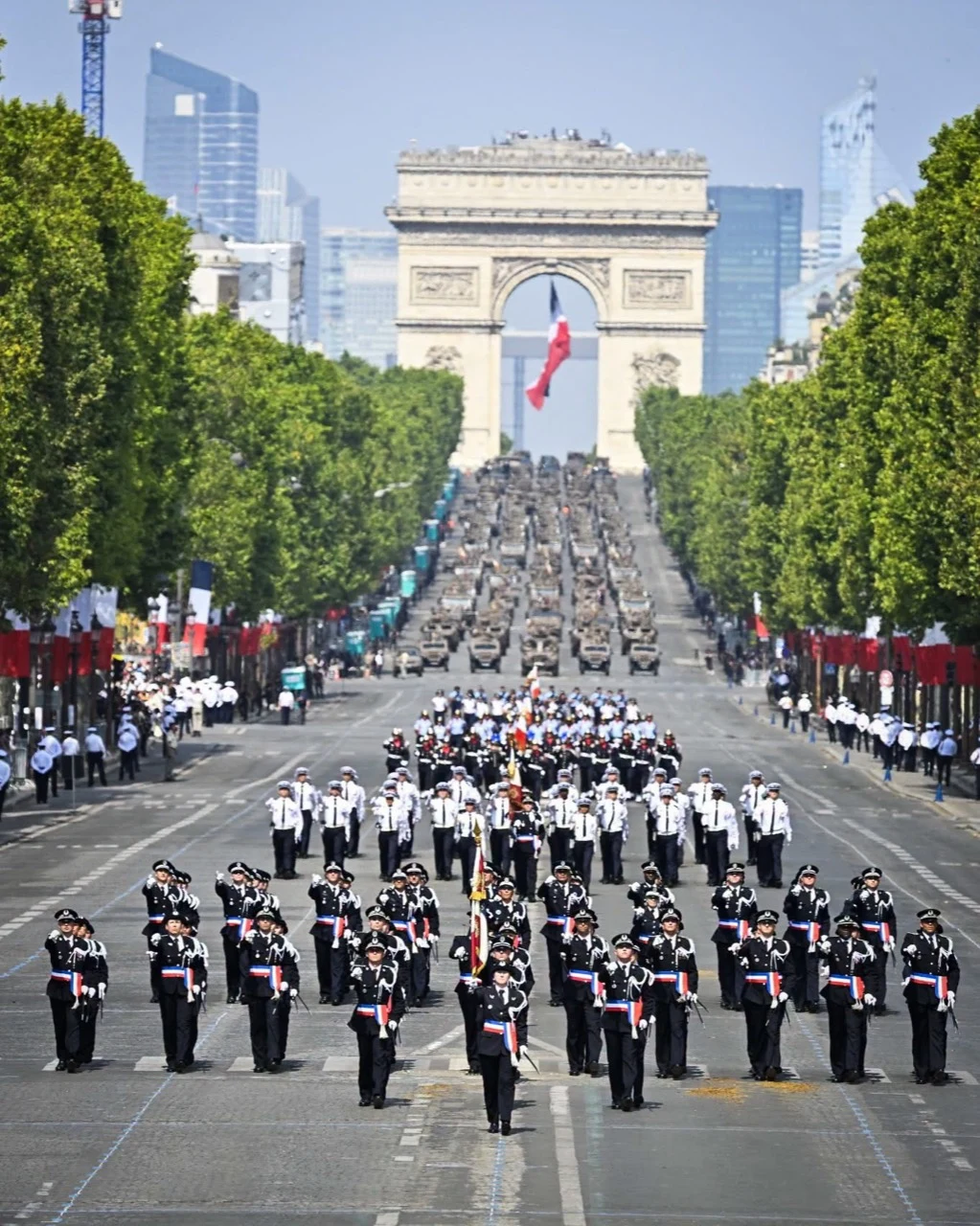
Anyone who burns France and loots its people’s businesses is not acting like a citizen who protects the country, whatever that person’s name or origin. Loyalty cannot be read from a face or skin colour. Conduct and evidence establish responsibility, and courts determine guilt.
A protester is not a rioter, and a rioter does not represent the protest
Government must hear the citizen seeking a better life and be unyielding toward the vandal and thief. Confusing the two wrongs peaceful demonstrators and gives criminals a political cover they did not earn. Demonstration is a right; burning a city hall, smashing a shop or stealing property is a crime.

October 19: Paris is working again, but the lesson is not over
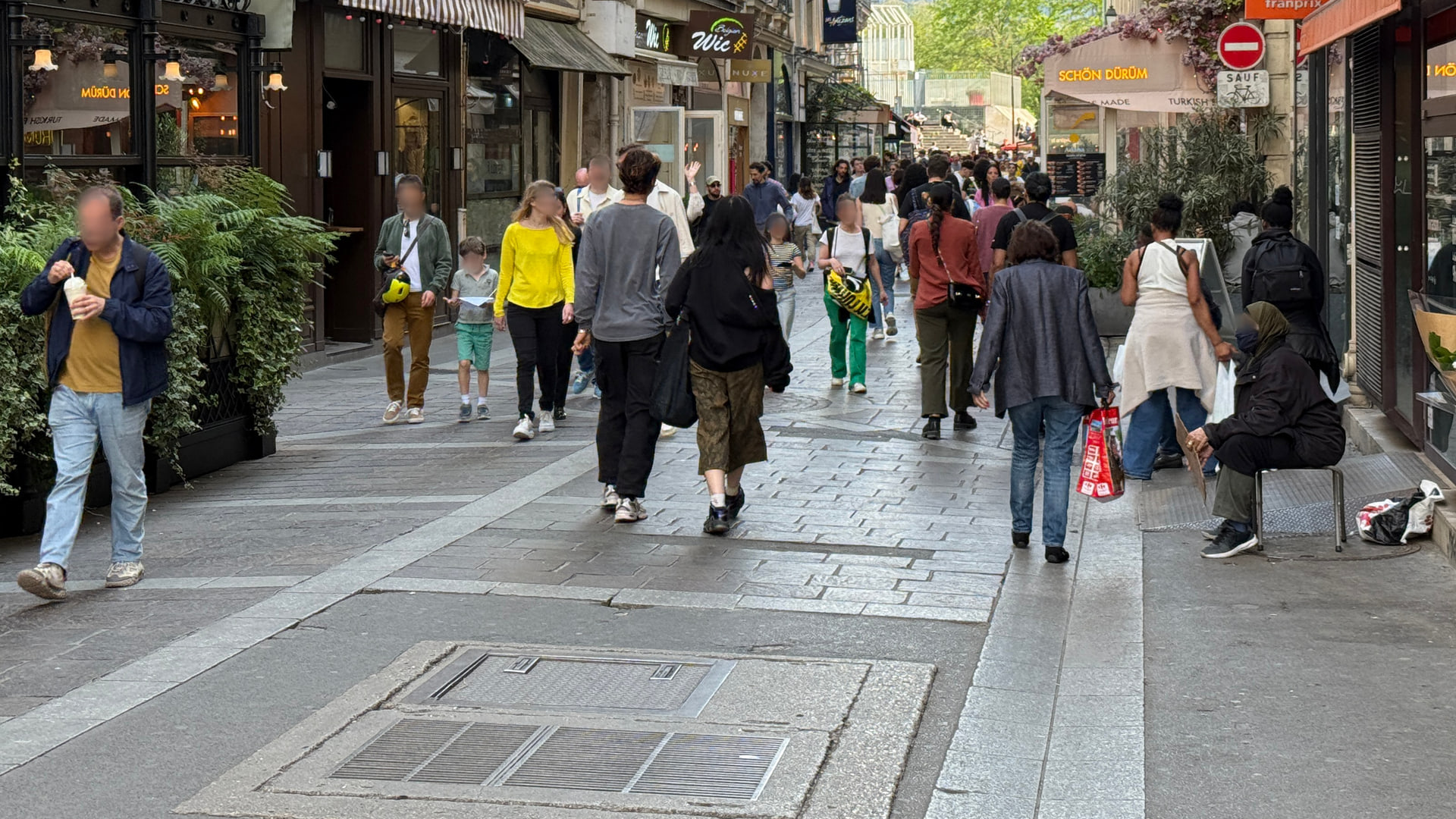
On Monday, movement returned: restaurants and cafés received guests, hotels and airports continued operating, and cars and pedestrians again filled the roads. Paris deployed nearly 1,000 sanitation workers to clear glass and debris and help damaged businesses. Visible policing helped restore confidence across wide areas.
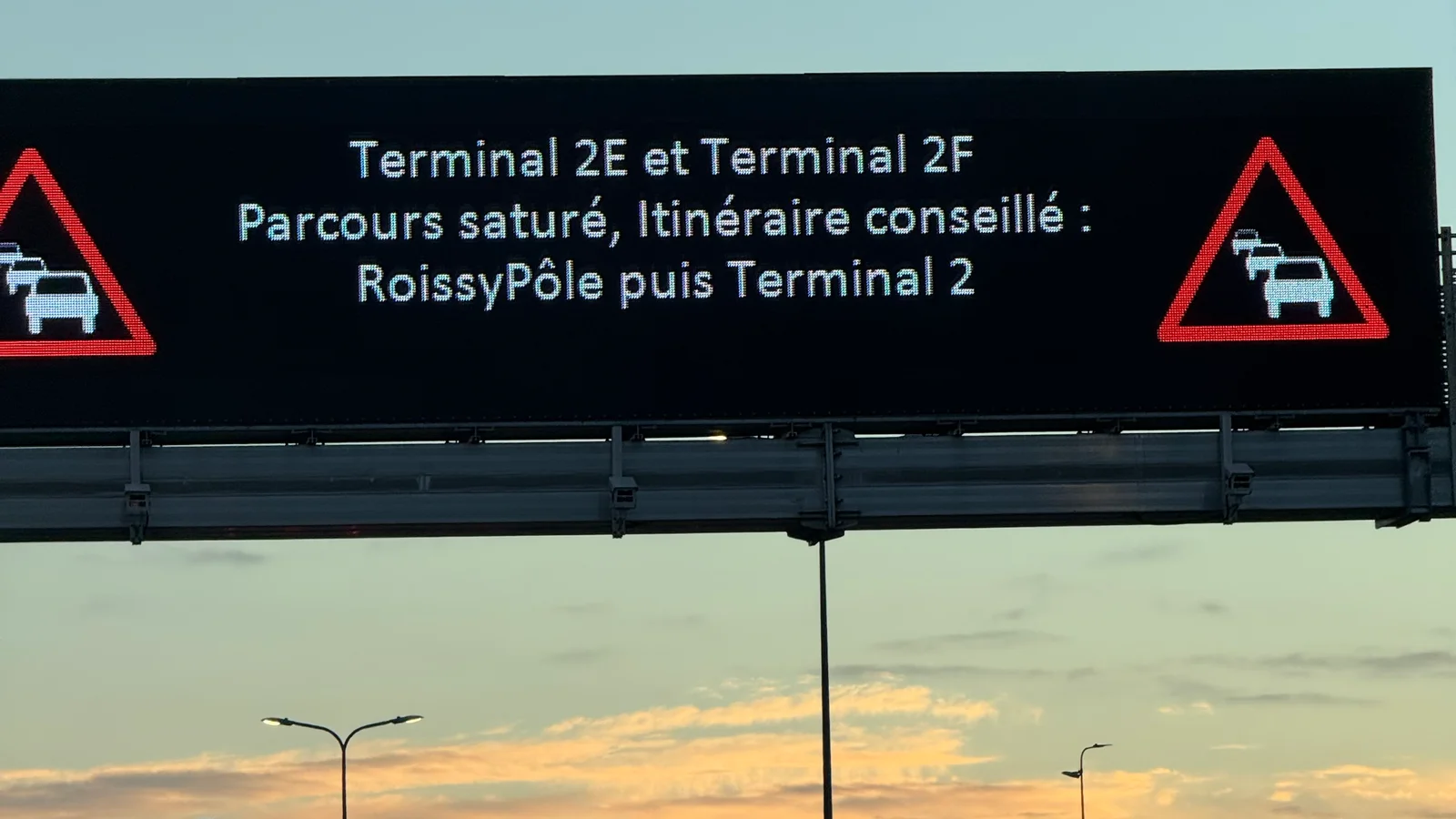
This does not mean every disruption has vanished. Travellers should still follow official transport and security alerts and avoid tense gatherings. The broad picture on October 19, however, is a city recovering its rhythm, not a city brought to a halt.
Citizenship as deterrence: Parliament and the media must open the debate
The French Parliament, composed of the National Assembly and Senate, and the media should ask directly whether current penalties are sufficient for organized, grave destruction targeting institutions and private property. Should the law, after a final conviction and only in exceptionally defined cases, allow a citizenship-related sanction for a person who also holds another nationality?
In my view, the debate must take place. The knowledge that serious organized destruction could threaten a sovereign status as valuable as citizenship would make many offenders afraid and force them to think twice. Deterrence cannot prevent every offence, but it begins by raising the perceived cost of the crime.
The rule would still have to be precise and fair: no statelessness, no collective punishment, no discrimination by origin and no political order without trial. Under Article 25 of the Civil Code, deprivation currently applies in narrow cases, mainly to certain people who acquired nationality and were convicted of specified offences involving the nation’s fundamental interests or terrorism; it cannot create statelessness. This is therefore a proposal to debate changing the law, not a description of current law.
France needs five years of domestic priority
Security confronts crime, but it cannot alone resolve anger over purchasing power, wages, schools and public services. France must invest in its citizens, hospitals, police, courts, municipalities, damaged neighbourhoods and small businesses. In my view, the country needs a five-year political pause from expanding costly foreign commitments—not isolation, but a determined concentration of money and effort on the French home front.
Government must act on two tracks at once: uncompromising firmness against destruction and serious listening to legitimate social demands. Doing one without the other merely postpones the next crisis.
The decisive message
No police, no security; no security, no tourism. France needs visible professional police, swift justice, a government that listens and a Parliament willing to debate new deterrents within the rule of law. That is how the images of October 17 are erased: through security, justice and serious domestic action.
Sources
- Associated Press: October 17 events and affected cities
- Associated Press: October 19 developments and local measures
- City of Paris: clean-up and support for merchants
- City of Limoges: fire at City Hall
- Nice arrest and damage count attributed to the prefecture
- Légifrance: Civil Code Article 25
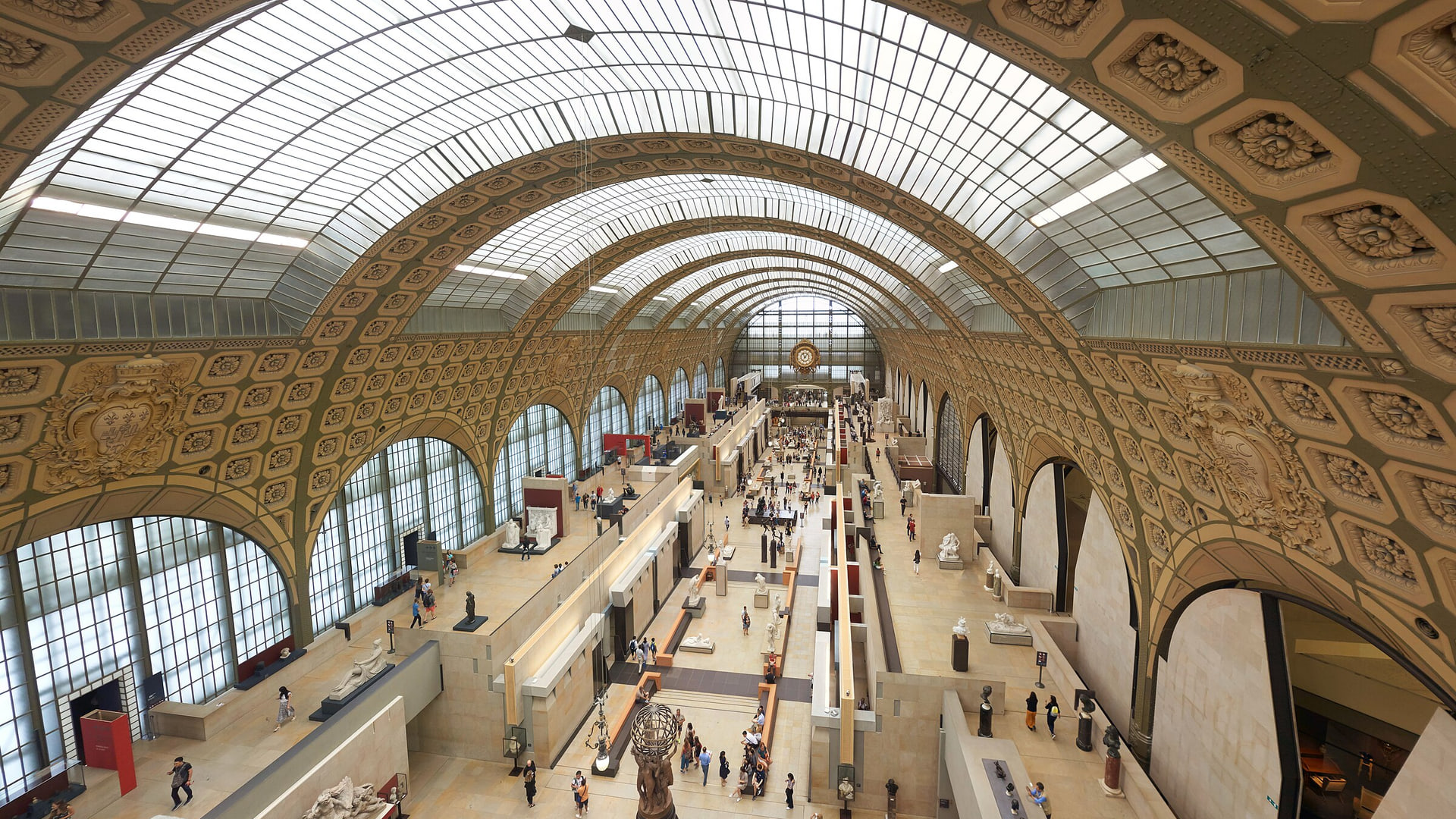
The images supplied with this article are illustrative and are not presented as documentation of the October 17 events unless explicitly stated. The opening image is not repeated in the article body.
Add OUISTARS Travel as a preferred source on Google
Share this opinion and analysis
Send this article to someone concerned with France’s security, tourism and daily life.