


If you land in Luxor in the morning, should you rush straight to the Valley of the Kings—or let the city reveal itself slowly from a terrace above the Nile? The better answer is to stop treating Luxor as a rapid temple excursion. Give it at least three days, divide your time between both banks, and make privacy, timing and thoughtful service as important as the monuments.
Luxor is not simply a city with archaeological sites. It is a place where you can wake before sunrise to watch balloons rise over the West Bank, cross the Nile under sail and enter an illuminated temple after dark. Luxury here is not only about stars on a hotel façade. It is about having time, a knowledgeable guide, a waiting car and the freedom to reach a site before it becomes crowded.
Why Luxor deserves a journey of its own
Egypt’s official tourism platform calls Luxor the country’s open-air museum. The Nile divides it into two distinct worlds: the East Bank, home to Karnak, Luxor Temple and the living city; and the West Bank, where the Valleys of the Kings and Queens meet vast funerary landscapes. UNESCO has listed Ancient Thebes and its Necropolis as World Heritage since 1979, covering Karnak, Luxor Temple and major areas across the river.
This concentration explains why the one-day approach fails. You can collect many names in a single day, but you cannot properly understand—or enjoy—them. A refined itinerary uses fewer stops, usually two important sites in each half-day, with time for lunch, rest and sunset.
East Bank: Karnak by day, Luxor Temple after dark
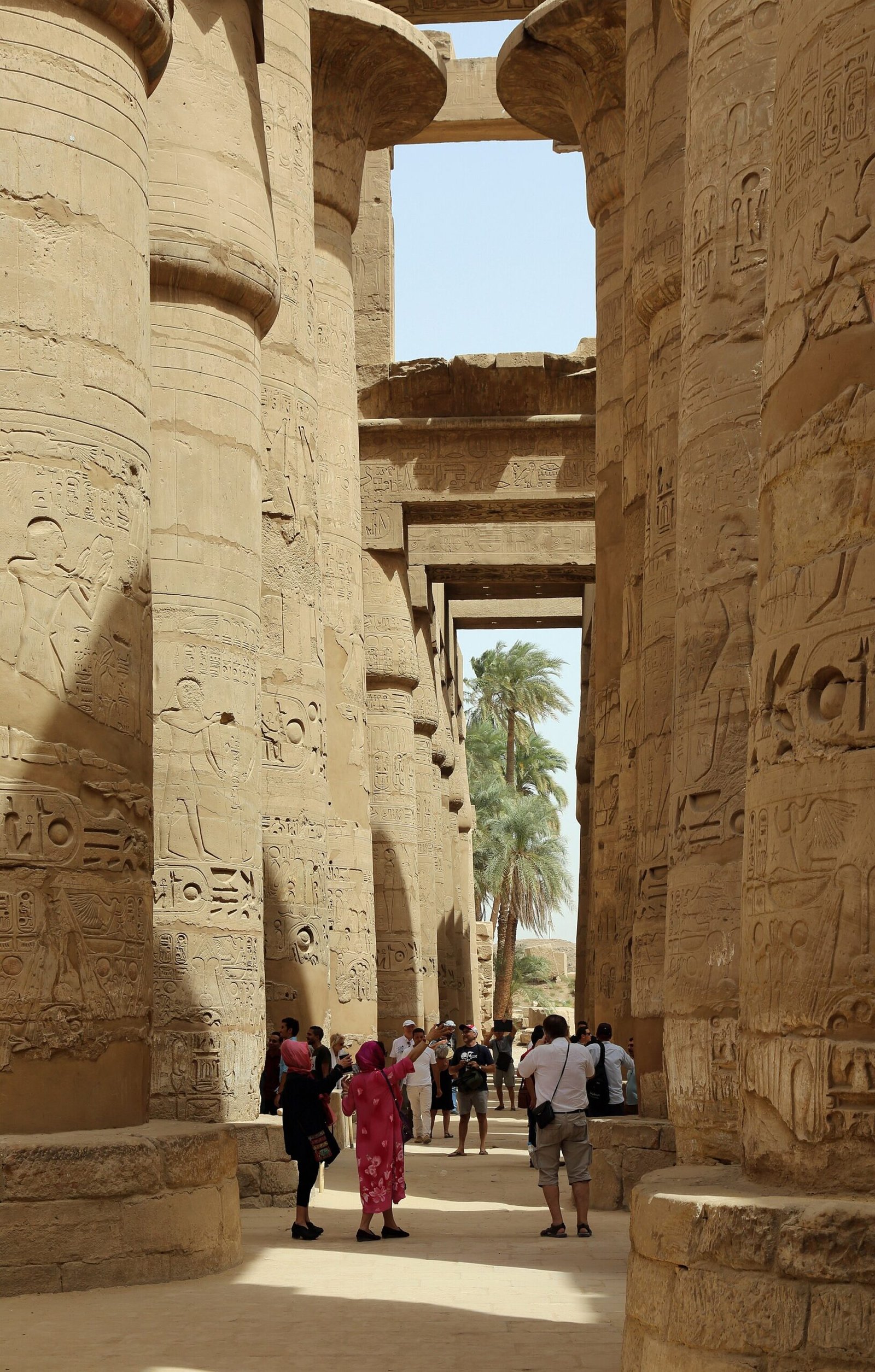
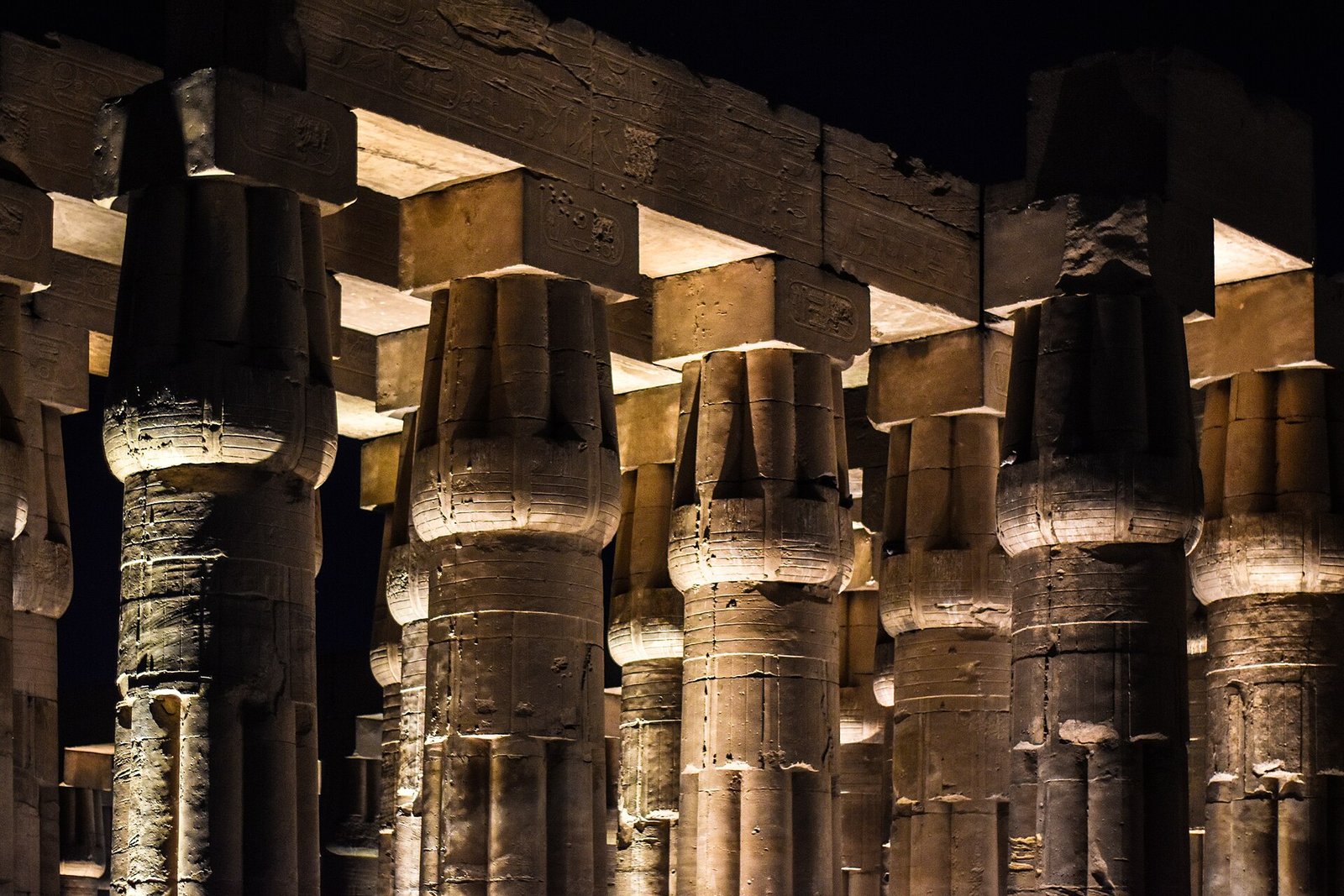
Begin early at Karnak. Egypt’s Ministry of Tourism and Antiquities describes the Great Hypostyle Hall as a forest of 134 columns. Its scale demands context, and this is where a specialist guide adds more value than a hurried walk through the complex. Check official opening hours and ticket prices on the day of your visit because both can change.
After sunset, Luxor Temple becomes another place under warm illumination. The temple once connected to Karnak through a ceremonial avenue lined with sphinxes, while the Ministry links its role to the Opet Festival and the renewal of kingship. A night visit does not replace daylight archaeology, but it gives the columns and reliefs a calmer visual rhythm.
West Bank without turning it into a race
The Valley of the Kings is not one tomb, and a standard ticket does not necessarily include every chamber. Check which tombs are open and which require separate admission, then choose a limited number. The valley can be combined with Hatshepsut’s temple or the Valley of the Queens in a well-paced half day, starting early to reduce heat and crowd pressure.
Sunrise ballooning is one of Luxor’s signature experiences, but daily operations depend on weather and operating decisions. Book through a licensed provider and avoid building a same-day flight departure around an inflexible landing time. A good itinerary always has an alternative: a long breakfast, an early West Bank visit or a quiet Nile crossing.
Luxury in Luxor: historic hotel or tranquil resort?
There is no single correct answer. Travellers drawn to the history of travel in Egypt may prefer a landmark hotel close to Luxor Temple and the Corniche. Guests who want a spa, pool and slower pace may favour a Nile-facing resort around Karnak. Larger East Bank hotels can suit visitors who want quick access to restaurants and cruise moorings.
Recognised addresses include Sofitel Winter Palace Luxor, Hilton Luxor Resort & Spa and Steigenberger Nile Palace. This is not a ranking or endorsement. Choose by room location, actual view, renovation level, child policy and the amount of quiet you require—not by brand name alone.
The Nile is not merely a backdrop
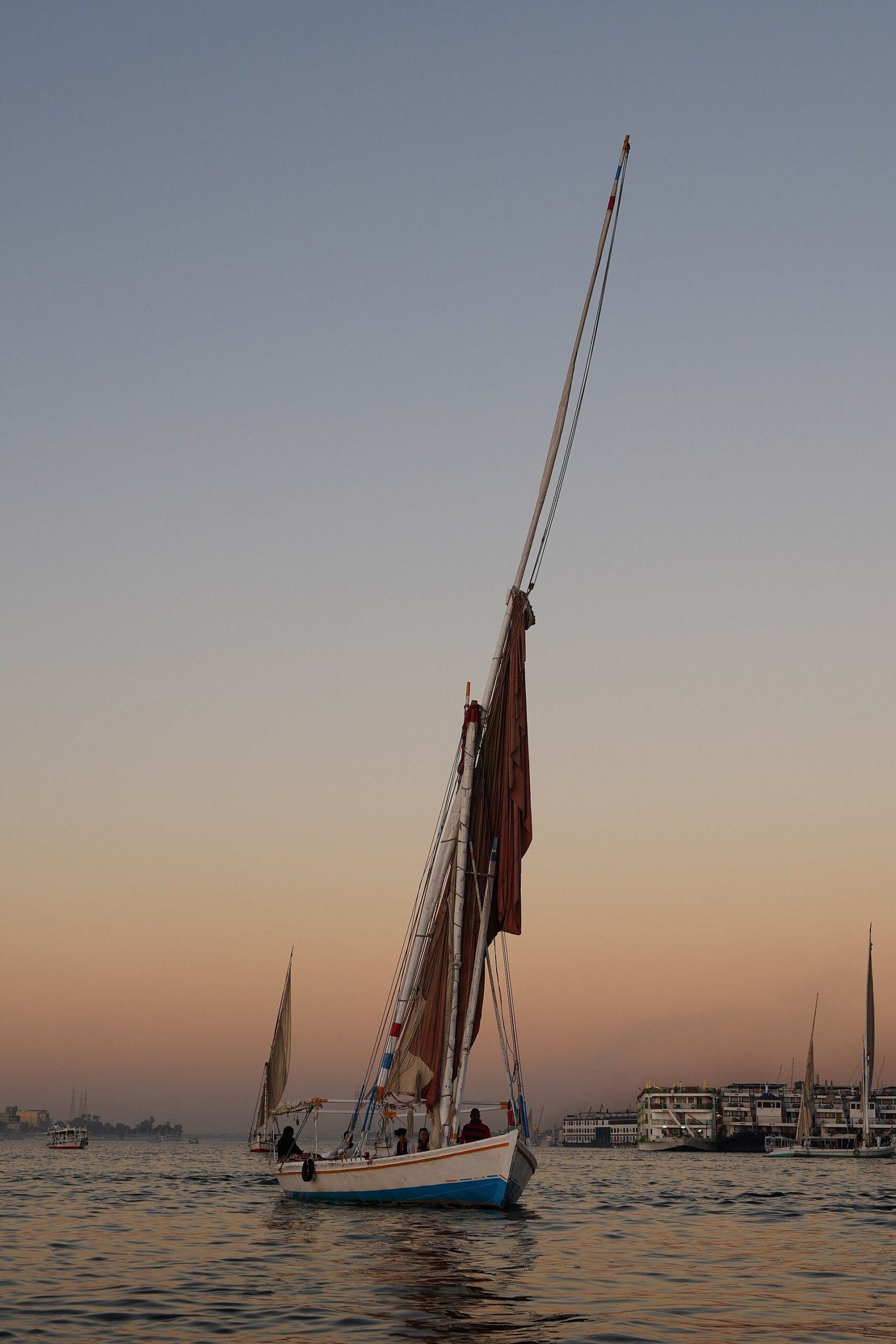
Crossing the river is one of the clearest ways to understand Luxor’s geography. A sunset felucca can be simple and elegant when duration and return point are agreed in advance. With more time, consider a dahabiya or Nile journey between Luxor and Aswan; Egypt’s official tourism platform specifically notes luxury dahabiyas operating between the two cities.
A realistic three-day luxury itinerary
- Day one: Karnak in the morning, lunch and rest, then Luxor Temple and the Avenue of Sphinxes after dark.
- Day two: Optional sunrise balloon, Valley of the Kings and Hatshepsut’s temple, followed by a quiet hotel afternoon.
- Day three: Valley of the Queens or Luxor Museum, lunch overlooking the Nile and a sunset felucca.
Luxor International Airport connects the city with longer Egypt itineraries, while rail links run from Cairo and Aswan. Experience Egypt lists Luxor among the country’s international airports and describes air-conditioned trains and sleeper options. Confirm the actual timetable with the operator before booking.
Explore Luxor in 3D before travelling
Step inside the Tomb of Menna virtual tour in the Theban Necropolis, developed through an American Research Center in Egypt conservation project. To understand how Karnak changed through successive reigns, the academic Digital Karnak project reconstructs more than 60 architectural elements in three dimensions. These are genuine research-based interactive experiences, not generated imagery.
Questions travellers ask before booking Luxor
How many days do you need in Luxor?
Three days suit a comfortable first visit; four days allow quieter sites or a genuine day of rest beside the Nile.
What is the best time to visit Luxor?
Many travellers prefer the milder months from autumn to spring, while early starts remain useful even in winter.
Is the East Bank or West Bank better for staying?
The East Bank is easier for hotels, restaurants and the airport; the West Bank is quieter and closer to tombs and funerary temples.
Can you visit Luxor from Hurghada in one day?
It is physically possible but extremely long; staying at least two nights gives the city a less exhausting and more meaningful visit.
Do you need a private guide in Luxor?
No, but a qualified guide is valuable at Karnak and on the West Bank if you want context and a disciplined itinerary.
About OUISTARS Travel
OUISTARS Travel is a Paris-based international travel and tourism news magazine covering destinations, tourism economy and investment, hotels and resorts, events, conferences, entertainment, mobility and luxury travel. Its journalism serves travellers and tourism professionals, including travel agencies, hotels, resort operators and specialist leisure companies. Advertising and clearly disclosed sponsorship opportunities are available under the magazine’s editorial standards.
Sources

Cite this article
When citing the text or analysis, include the magazine, title, original URL and publication date. Preserve the stated attribution of statistics and photographs.
OUISTARS Travel — Luxor Beyond the Temples: How to Plan a Luxury Journey on the Nile
Published: