



REAL ESTATE · UNITED STATES & EUROPE
The next premium square metre may not be the one with the biggest window. It may be the one that helps its occupants sleep, breathe and recover better—and can prove that performance after the marketing brochure is gone.
Why this market is moving so quickly
The Global Wellness Institute says wellness real estate expanded 23.2% in 2025, the fastest growth of the sectors it tracks. Average annual growth reached 23.5% between 2019 and 2025. The idea is moving from a niche amenity list to a broader question: how does a building affect the physical, mental and social wellbeing of people who live or stay there?
Demand is being pushed by time spent indoors, pollution, heat, noise, sleep problems and a willingness to pay for environments that feel restorative. In the United States and Europe, developers are responding with ventilation, filtration, daylight, acoustic design, active spaces, access to nature and community features. The investment case still needs evidence, not slogans.
Sleep becomes a building-performance metric
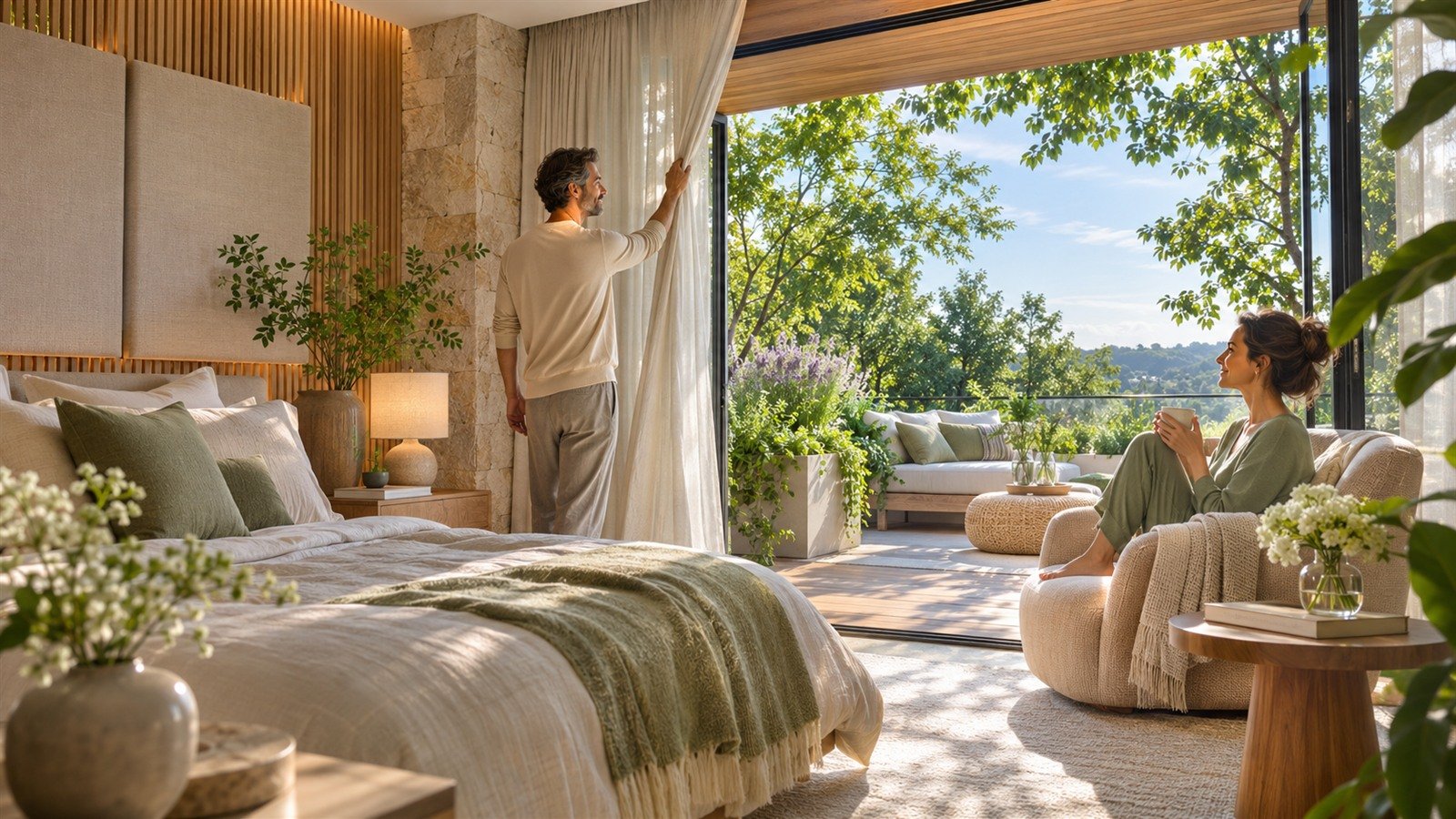
A premium mattress cannot repair a room exposed to traffic noise, overheating and uncontrolled light. Sleep quality is influenced by facade design, glazing, ventilation, temperature, blackout performance, layout and maintenance. Hotels already see the commercial consequence in guest reviews; residential developers increasingly see it in buyer expectations.
The opportunity is to translate a soft promise into a specification. What sound level reaches the bedroom at night? How quickly does the room cool? Is the ventilation quiet? Does morning light enter without destroying nighttime darkness? Projects that answer these questions before construction avoid expensive retrofits and make the wellness claim more credible.
Air quality needs continuous management
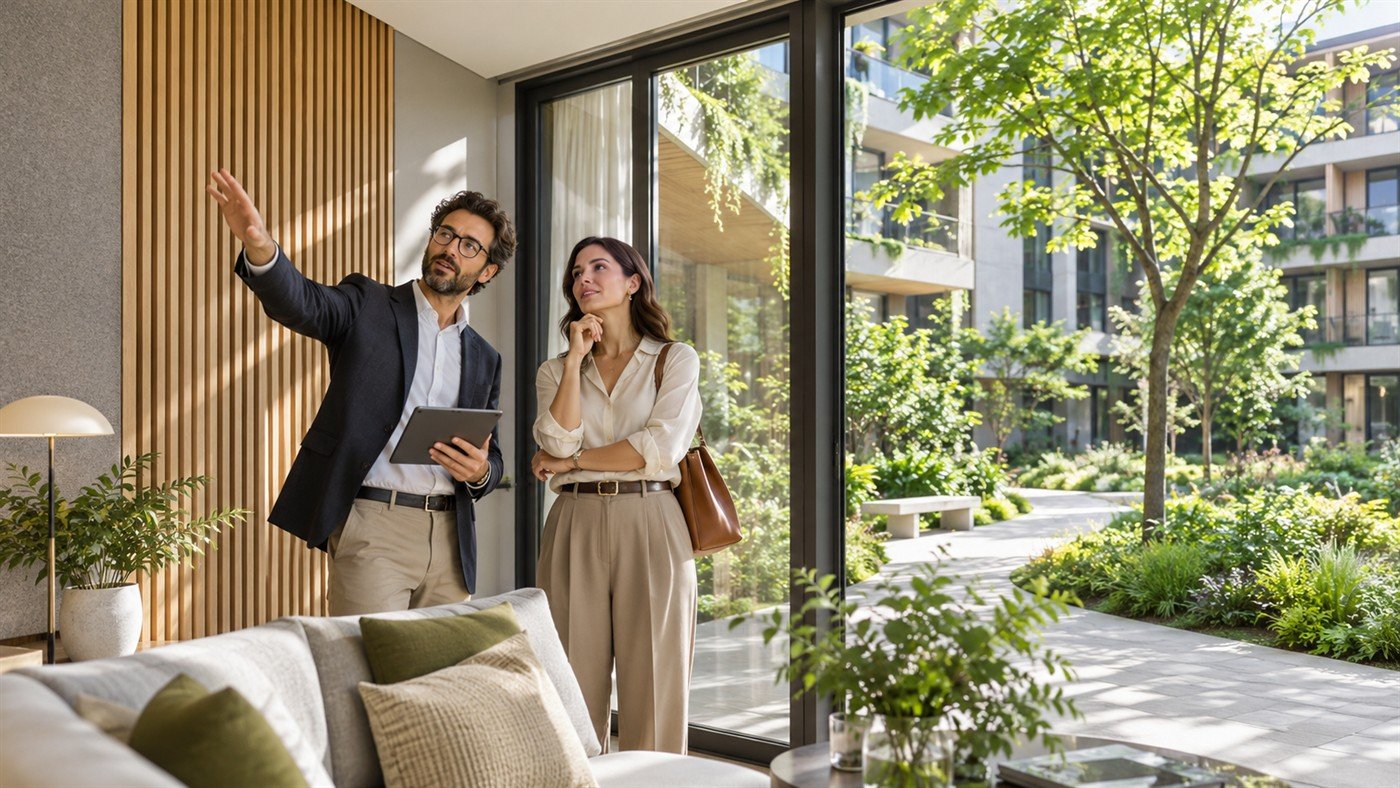
Healthy-air marketing often stops at the name of a filter. Real performance depends on outdoor conditions, fresh-air rates, filtration grade, humidity, material emissions, cleaning products and maintenance. A sensor can reveal a problem, but it cannot replace correct design or a funded plan for replacing filters and calibrating equipment.
Developers should state what is measured, where, how often and who sees the data. Residents and guests need understandable information without becoming subjects of constant surveillance. Privacy, cybersecurity and the risk of false reassurance belong in the operating budget, not as an afterthought.
From hotel amenity to property value
Hotels, branded residences, senior living, resorts and mixed-use districts are converging around the same promise: a place that makes healthy routines easier. That can support differentiation, faster sales, longer stays or lower churn. It can also become expensive feature inflation if the design does not match the target customer and local climate.
Investors should separate the purchase premium from operating performance. Does better air reduce complaints? Does acoustic design lift sleep scores? Do shaded outdoor spaces extend seasonal use? Does the community programming retain residents? A premium can be defensible when the benefits are experienced and the costs are controlled.
The due-diligence test
A credible project should provide design targets, commissioning results, maintenance responsibilities and post-occupancy evidence. Certifications can organise the process, but they should not replace measured performance. Buyers need to know what remains true three years after opening, not only what passed on launch day.
The strongest wellness real estate is not a gadget-filled building. It is a place where air, light, sound, temperature, movement, water and community work together. If developers can prove those qualities and operate them economically, wellbeing can become an asset attribute rather than a marketing adjective.
Frequently asked questions
What is wellness real estate?
Homes, hotels and communities intentionally designed and operated to support occupants’ physical, mental and social wellbeing.
Does better indoor air automatically increase value?
Not automatically. Value depends on verified performance, demand, operating cost, maintenance and the wider property proposition.
Which metrics matter for sleep?
Nighttime sound, temperature, ventilation noise, light control, room layout and guest or resident satisfaction.
Are wellness certifications enough?
They can provide a framework, but investors and buyers should also require commissioning, maintenance plans and post-occupancy evidence.
Official sources

Cite this article
When citing the text or analysis, include the magazine, title, original URL and publication date. Preserve the stated attribution of statistics and photographs.