


















AVIATION INVESTMENT · UNITED KINGDOM
Britain can mandate cleaner fuel and help finance the first plants. It cannot make the cost gap disappear. The decisive question is how government, producers, airlines, investors and passengers divide the bill while keeping travel connected.
What the £219 million changes
The UK government announced a £219 million Low Carbon Fuels Fund in June 2026, with £93 million available over the following two years for companies developing low-carbon fuel. The programme builds on the £198 million Advanced Fuels Fund introduced from 2022. Its purpose is to help projects move toward construction and final investment decisions.
Public grants can reduce development risk, pay for engineering and make private capital more willing to enter. They do not guarantee that every proposed plant will be built, obtain feedstock at the right price or sell fuel profitably. The most important result is not the number of announcements but litres produced reliably under verifiable sustainability rules.
The mandate creates demand
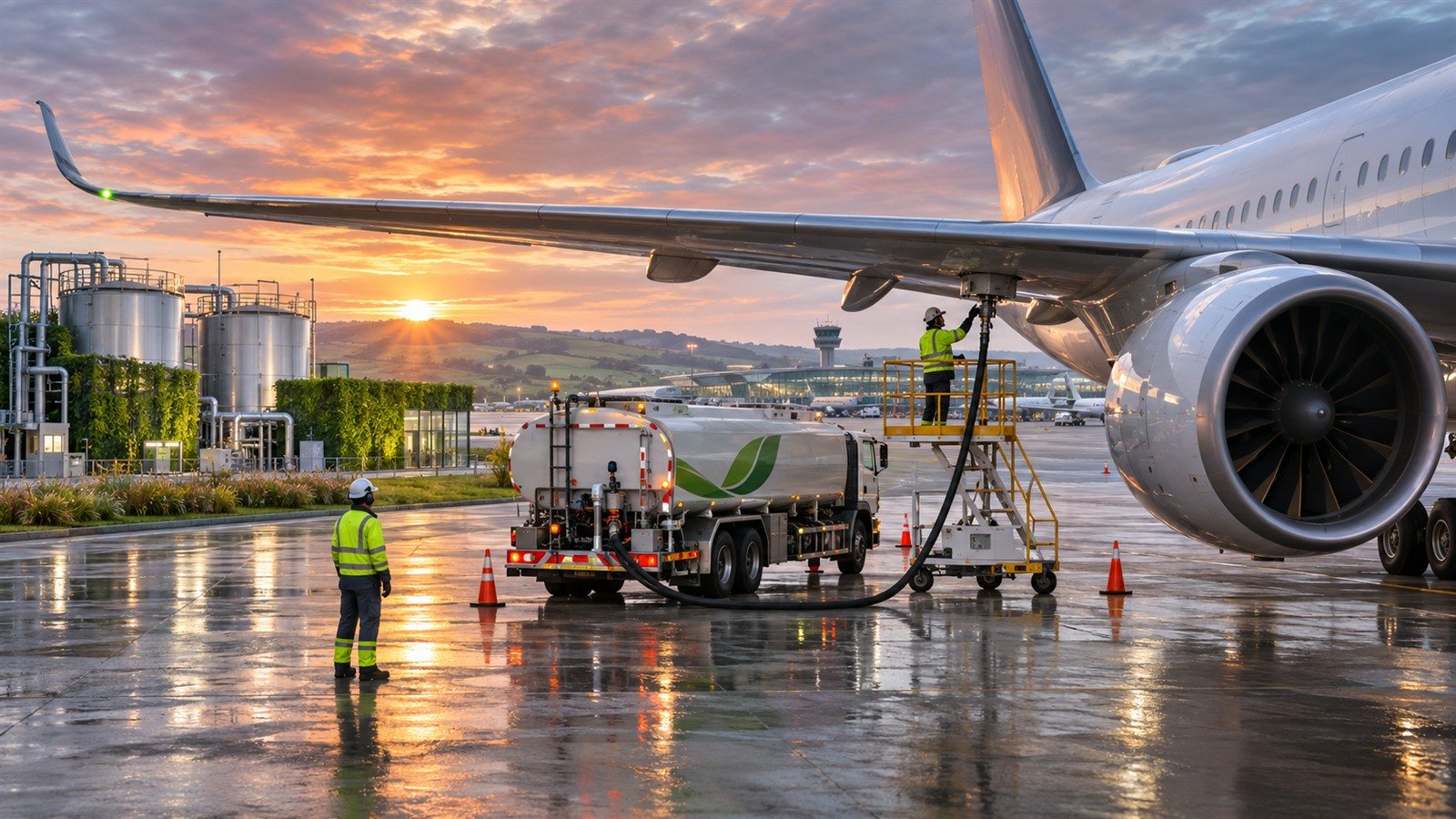
Britain’s SAF mandate started at 2% of jet-fuel demand in 2025, rises to 10% in 2030 and 22% in 2040. A mandate gives producers a visible market and airlines a compliance timetable. It can unlock long-term contracts, but it also turns the fuel-price gap into a cost that someone must carry.
The government says SAF achieves around 70% lower lifecycle greenhouse-gas emissions on average than conventional jet fuel. Lifecycle is the key word: emissions from feedstock, production and transport all matter, and SAF is not zero-emission flying. Different pathways can produce very different environmental and economic results.
Who pays the first bill?
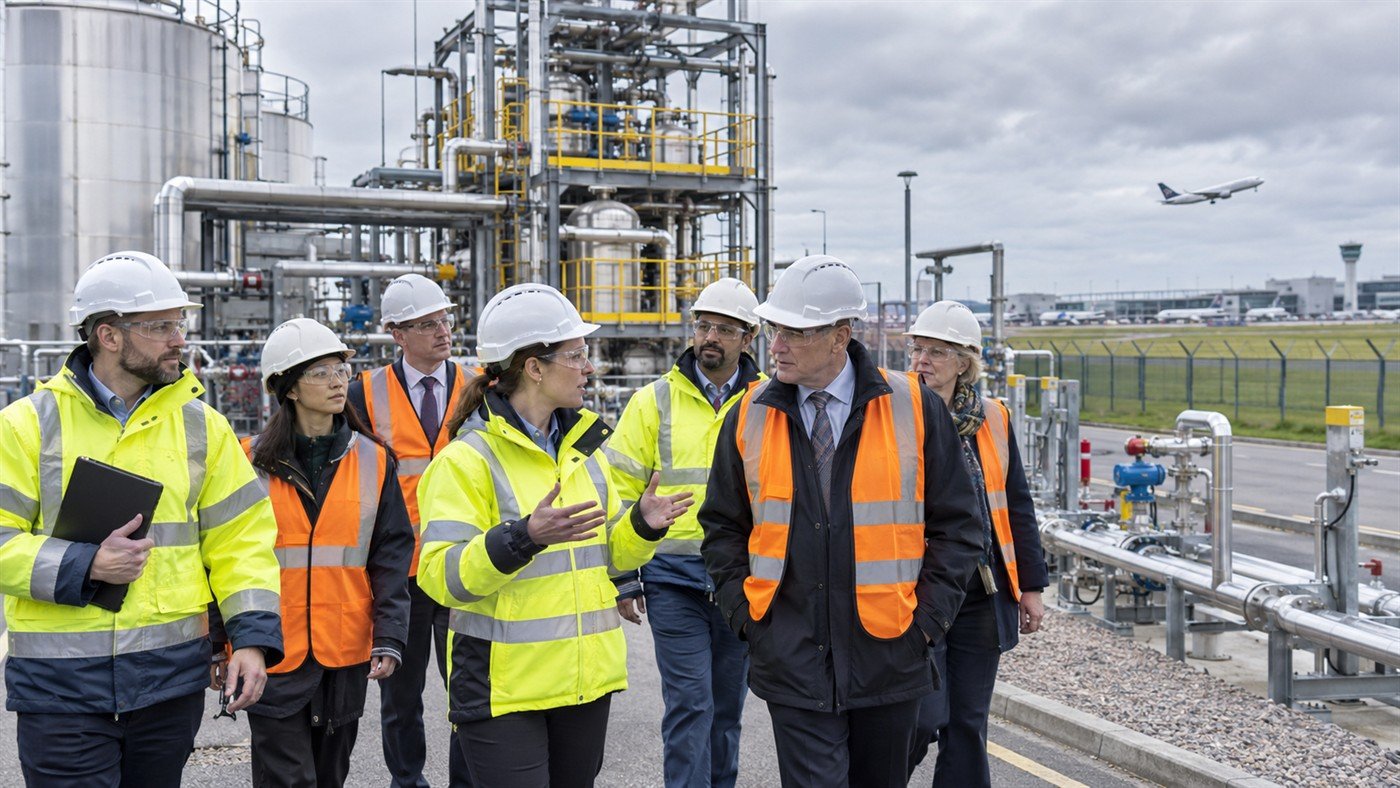
Government pays part through grants and policy support. Producers contribute equity and debt. Fuel suppliers may carry compliance obligations. Airlines sign offtake agreements and absorb or pass through part of the premium. Airports can support infrastructure. Ultimately, a share may reach corporate travel budgets and passenger fares.
The distribution is a policy choice as well as a market outcome. If all cost reaches the ticket, price-sensitive routes and travellers may be affected. If public support is too generous without performance conditions, taxpayers carry excessive risk. If support is too small or uncertain, projects may never reach financial close.
The investor’s real questions
A credible plant needs proven technology, secure feedstock, power and hydrogen strategy where relevant, planning permission, a construction partner and bankable buyers. Investors should test the cost per tonne of avoided emissions, not only the volume of fuel. They should also examine competing uses for the same waste, biomass, electricity or hydrogen.
Revenue certainty matters. Long-term airline contracts, mandate certificates and a future revenue-certainty mechanism can reduce volatility. But every guarantee has a counterparty and every subsidy must define what happens if costs rise, output falls or sustainability criteria change. Transparent risk allocation is essential.
What this means for travel
Aviation connects Britain’s tourism economy to long-haul visitors, regional airports and business. SAF can help reduce emissions without waiting for an entirely new aircraft fleet, but limited supply means it will not solve aviation’s climate challenge alone. Fleet efficiency, air-traffic management, credible carbon accounting and demand choices remain part of the picture.
The strongest national strategy will publish production, price, feedstock and verified lifecycle results—not just funding totals. Travellers deserve clarity about any fare contribution and any environmental claim. Investors need stable rules. Producers need a route to scale. The fund opens a door; disciplined delivery decides who walks through it.
Frequently asked questions
What is sustainable aviation fuel?
Aviation fuel made from eligible non-fossil or recycled-carbon sources and designed to work within existing aviation systems subject to standards.
How large is the UK fund?
The government announced £219 million for the Low Carbon Fuels Fund, with £93 million available over the next two years at announcement.
Will SAF make flying zero-emission?
No. Government cites an average lifecycle reduction of about 70%, but combustion and supply-chain emissions remain.
Will passengers pay more?
They may carry part of the premium, but the final split depends on grants, producer finance, airline contracts, regulation and competition.
Official sources

Cite this article
When citing the text or analysis, include the magazine, title, original URL and publication date. Preserve the stated attribution of statistics and photographs.
OUISTARS Travel — Who Will Finance Britain’s Sustainable Aviation Fuel—and Who Will Pay?
Published: