











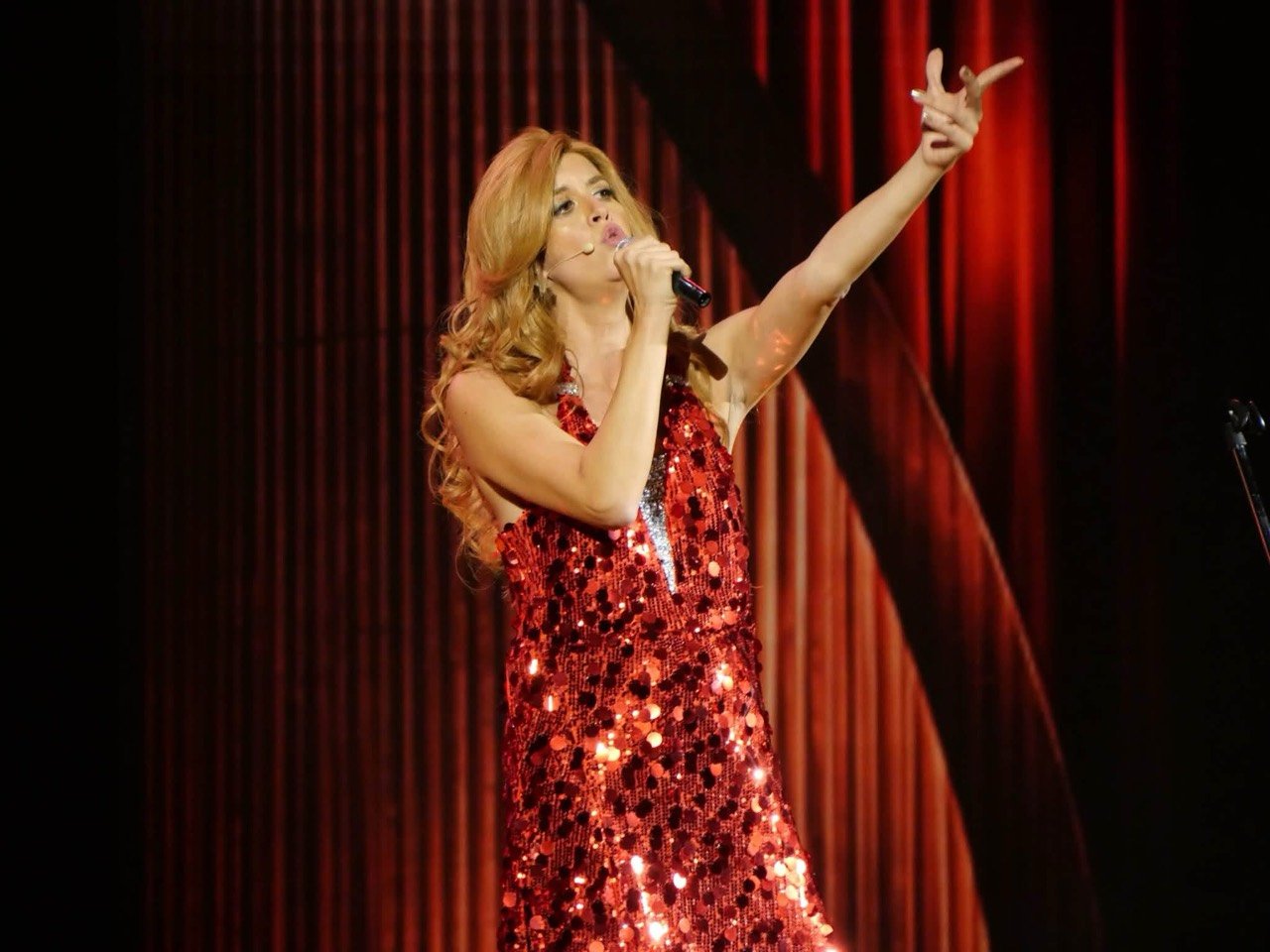



Can a voice whose legend was shaped between Cairo and Paris return decades later and fill the heart of Alexandria? At the close of the 2026 Mediterranean Season, Egyptian mezzo-soprano Farrah El Dibany brought Dalida back to the stage—not as a distant memory, but as a living Franco-Egyptian story ready to meet a new audience.
The Great Hall of the Bibliotheca Alexandrina hosted the Franco-Egyptian musical “Dalida: The Song That Never Ends” on Saturday, 31 October 2026. Farrah El Dibany performed the title role in a production directed by Khairy Beshara, with musical arrangement and piano by André Manoukian and orchestral direction by Mathieu Herzog.
According to the Institut français d’Égypte’s account of the evening, the performance took place in the presence of France’s Ambassador to Egypt, Éric Chevallier, and the French Consul General. The institution involved is the Embassy of France in Egypt: its cultural network and the Institut français d’Égypte support work across performing arts, books, cinema, heritage and cultural exchange.
Why does Dalida still unite Egypt and France?
Dalida was born in Cairo on 17 January 1933, according to the Bibliothèque nationale de France’s authority record. She grew up in Shubra before moving to Paris in the 1950s. France became the centre of her international career, yet her identity never lost its Egyptian foundations: the city of her birth, Arabic songs, cinema and an audience that continued to regard her as part of its own cultural history.
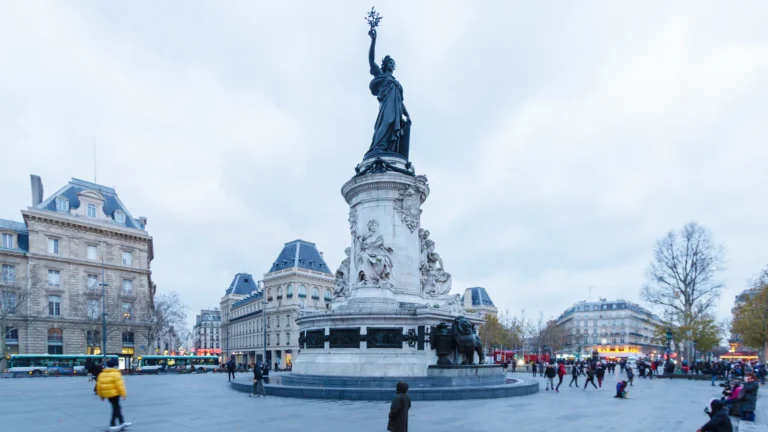
In Paris, a square in Montmartre bears her name, with her bronze bust installed there in 1997. In Cairo and Alexandria, her music returns whenever audiences revisit an era in which art crossed the Mediterranean without abandoning its first language. The Alexandria production was therefore more than a concert: it was a meeting between the two cities that made Dalida.
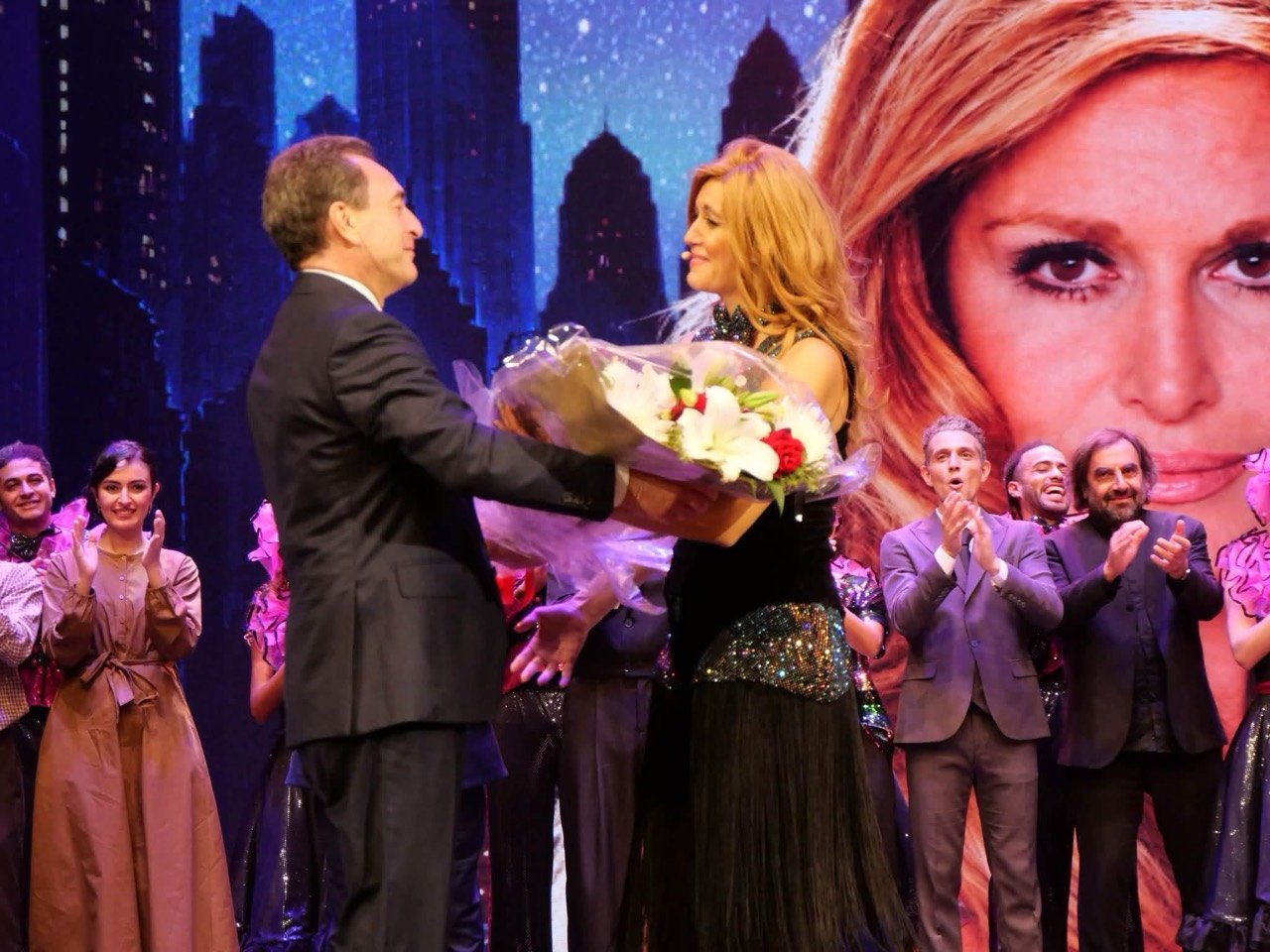
Farrah El Dibany: an Egyptian voice with an international career
Farrah El Dibany was a natural bridge for this story. The Egyptian mezzo-soprano has built a career on European stages and received the Paris Opera-linked AROP Prix Lyrique in 2019. In Alexandria, her task was not to imitate Dalida’s voice or appearance. She reinterpreted the singer’s presence through an operatic instrument and the perspective of a contemporary Egyptian artist.
That distinction is what makes a production like this worth following. The audience recognises the songs but encounters them inside a new theatrical structure. Khairy Beshara shapes the visual narrative, while André Manoukian and Mathieu Herzog allow the music to move between memory and contemporary orchestration.
Who created the Alexandria production?
- Farrah El Dibany: the Egyptian mezzo-soprano who performed the title role and reinterpreted Dalida’s repertoire.
- Khairy Beshara: the Egyptian filmmaker and director who shaped the production’s theatrical narrative.
- André Manoukian: the French pianist and musical arranger involved in reconstructing the songs for the stage.
- Mathieu Herzog: the French conductor responsible for the orchestral direction.
- Bibliotheca Alexandrina and the Institut français d’Égypte: institutions that brought the evening to the public at the close of the 2026 Mediterranean Season.
When culture becomes a reason to travel to Alexandria
A major performance does not end at the theatre door. Visitors arriving from Cairo or outside Egypt need accommodation, dine in the city, use transport and often combine the event with the library, the Corniche and historic sites. A cultural evening can therefore contribute to the visitor economy and strengthen Alexandria’s international image.
Alexandria possesses an advantage that cannot be manufactured: it is a Mediterranean city with Egyptian and European memories at the same time. When it hosts a production about Dalida led by Farrah El Dibany, it is not borrowing a foreign story. It is reclaiming part of its cultural history and presenting it in a form suited to today’s audience.
This is also where cultural programming meets tourism, hospitality and sponsorship. Hotels, travel companies, event organisers and brands can take part in an ecosystem built around credible, cross-border arts programming—provided editorial independence and sponsorship disclosure remain clear.
Quick answers
When was the Dalida musical performed at Bibliotheca Alexandrina?
The performance took place on Saturday evening, 31 October 2026, in the Great Hall of Bibliotheca Alexandrina.
Who played Dalida in the Alexandria production?
Egyptian mezzo-soprano Farrah El Dibany performed the title role in the Franco-Egyptian musical.
Who is France’s ambassador to Egypt?
France’s ambassador to Egypt is Éric Chevallier, according to the official programme published by the Institut français d’Égypte.
Who directed “Dalida: The Song That Never Ends”?
Egyptian director Khairy Beshara directed the production, with André Manoukian contributing musically and Mathieu Herzog conducting the orchestra.
Why is Dalida associated with both Egypt and France?
Dalida was born in Cairo and built her international stardom in Paris, making her story a lasting cultural bridge between the two countries.
Official and reference sources
- Bibliotheca Alexandrina — official event page, date and creative team
- Institut français d’Égypte — closing programme of the 2026 Mediterranean Season
- Institut français d’Égypte — French cultural cooperation in Egypt
- Bibliothèque nationale de France — Dalida authority record
- Ville de Paris — Dalida’s memory in Montmartre
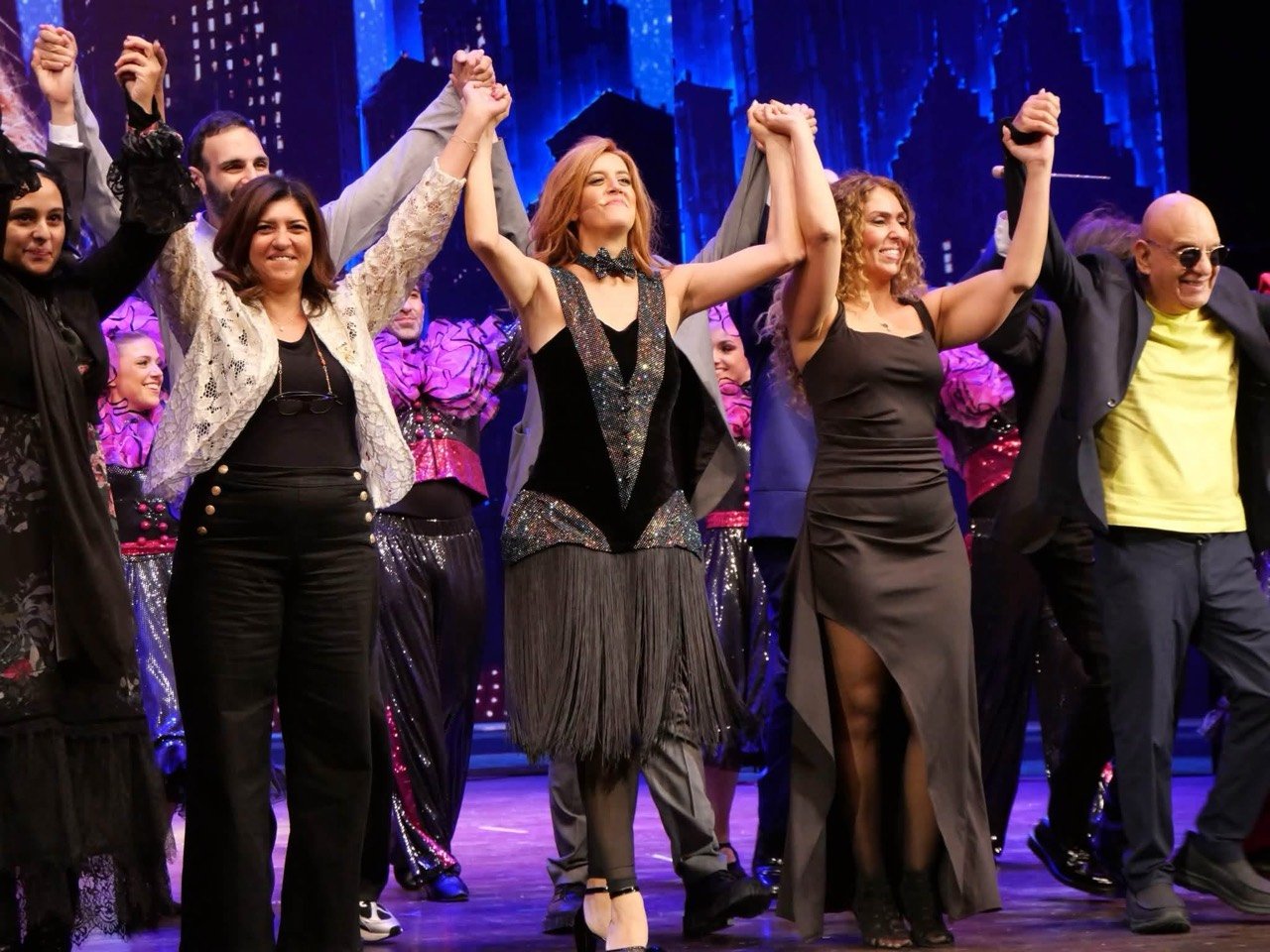
Performance photographs: real editorial material from the Bibliotheca Alexandrina event, published by the Institut français d’Égypte in Alexandria and supplied to OUISTARS Travel for editorial use.

Cite this article
When citing the text or analysis, include the magazine, title, original URL and publication date. Preserve the stated attribution of statistics and photographs.