


















The sharpest image of the night needed no speech. A local dog stepped onto Cairo’s red carpet, drew the cameras and received a warm welcome, while the absence of several major names remained part of the public conversation. Between the unexpected guest and the stars who stayed away lies the more important question: should a film festival be judged by who poses for photographs, or by the deals, jobs and visitor spending that remain after the flashes go dark?
The dog was not the problem. It was one of the carpet’s most spontaneous and human moments. The problem is reducing an international film festival to attendance lists and evening wear while leaving its potential economic value unmeasured.


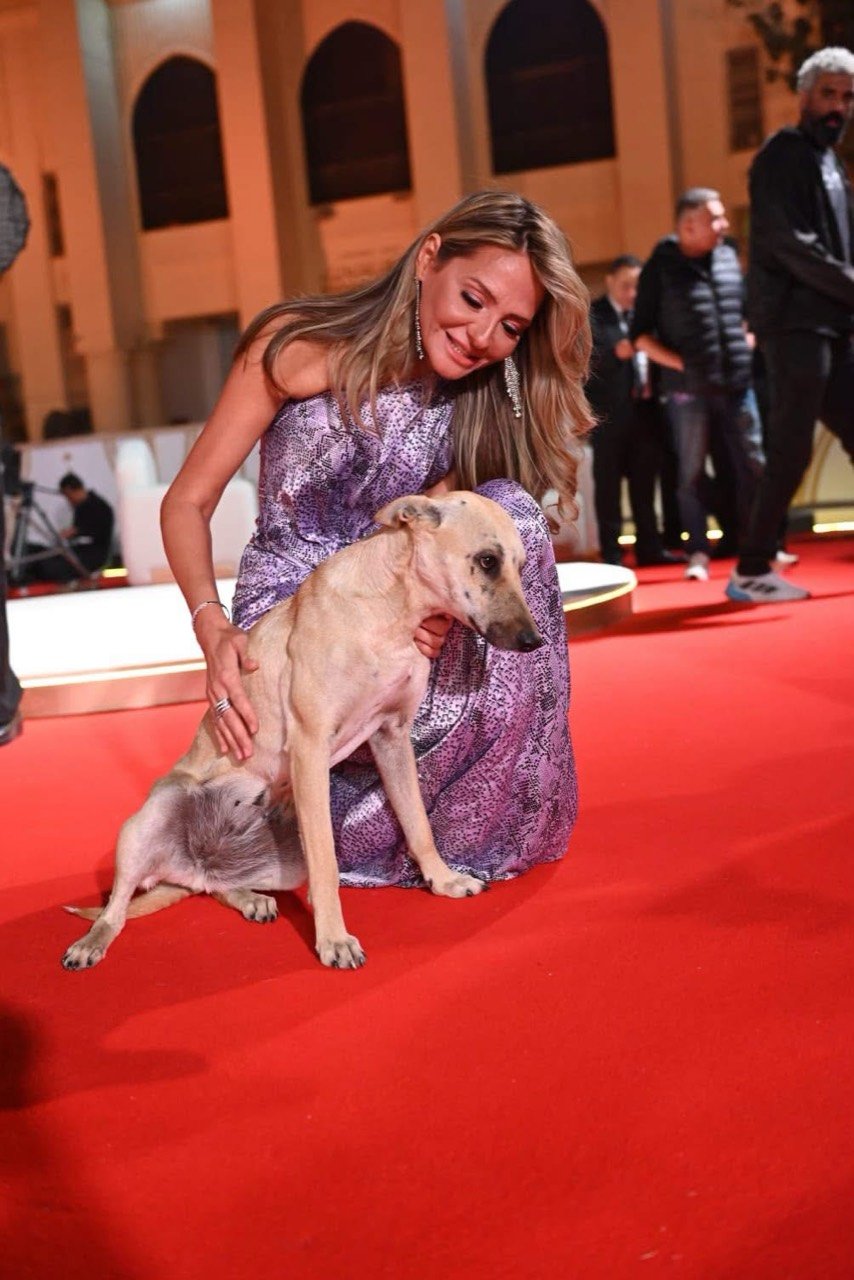


A spontaneous welcome on Cairo’s red carpet. Images supplied to OUISTARS Travel.
Fifty years of history, edition number 47
The Cairo International Film Festival marks 50 years since its foundation in 1976, although the 2026 event is its 47th edition because the festival did not take place in several years. The current edition runs from 11 to 20 November 2026 under the auspices of Egypt’s Ministry of Culture.
A golden anniversary should be more than a celebration of longevity. After half a century, the festival should be able to show what its ten days produce for Cairo and for Egyptian cinema: hotel nights, local transport, contracts, financed projects, shooting enquiries and work for Egyptian crews.
The red carpet is advertising, not the entire product
A red carpet matters. It creates the images that attract audiences, media and sponsors. Its economic value, however, emerges only when that visibility activates the machinery behind it: producers, distributors, buyers, public funds, hotels, restaurants, transport companies, designers, technicians, translators and event crews.
The decisive question is therefore not who wore what. It is who acquired a film, who found a co-producer and who chose Egypt as the location of a future production.









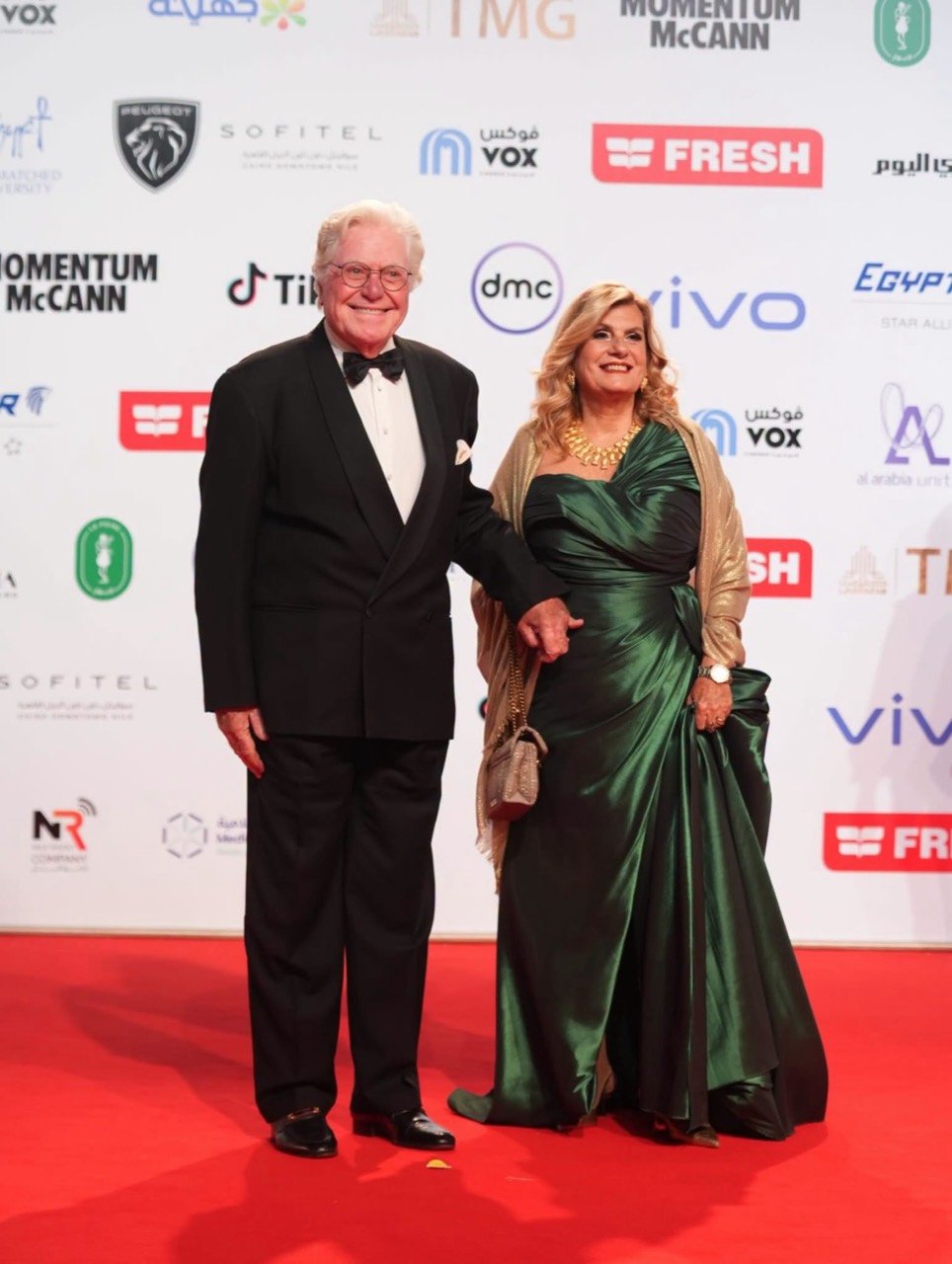
Guests and red-carpet looks from the 47th Cairo International Film Festival. Images supplied to OUISTARS Travel.
While Egyptian box-office stars were working on Riyadh stages
The festival’s opening overlapped with Riyadh Season stage productions built around prominent Egyptian talent. Fi Hettah Tanya, led by Ahmed Mekky, ran at Bakr Al-Sheddi Theater from 11 to 15 November. Elmi Oloom followed from 13 to 16 November with Dina El Sherbiny, Sayed Ragab, Mohamed Osama “Os Os”, Dina Mohsen “Wizo” and other Egyptian performers.
This should not be read as criticism of the artists or as negative competition with Saudi Arabia. On the contrary, it demonstrates that Egyptian talent and production expertise remain commercially attractive across the region. It also raises a legitimate question: if neighbouring cities can invest in Egyptian performers through a structured event economy, how can Cairo turn its own heritage and talent into investment that lands in Egypt?
OUISTARS Travel Editor-in-Chief Osama Samaha added: “Egypt, home to one of the Arab world and Africa’s oldest and broadest film and television industries, does not lack history or talent. What it needs is a professional institution with a long-term vision and measurable targets for every edition. With full respect for Hussein Fahmy’s career, a festival of Cairo’s scale cannot depend on the symbolism of a name or protocol presence. It needs a system that knows what it wants to sell, which investment it wants to attract, and how many jobs, contracts and hotel nights it intends to generate. Artistic heritage cannot be preserved without finance, and finance begins when events are treated as a real industry rather than a seasonal expense.”
Cairo Film Market: where the economic calculation begins
According to the festival’s official website, the 2026 Cairo Film Market takes place at Sofitel Cairo Downtown Nile from 14 to 19 November. It advertises more than 50 buyers from Europe, the Gulf, Africa and Asia, as well as access to more than 2,000 film professionals.
Those figures matter more than the number of booths. They point to what Cairo can actually sell: distribution rights, projects seeking finance, co-productions and production services in Egypt. The market’s impact would become clearer if each edition were followed by a public report stating how many professional meetings took place, how many agreements were reached and which projects moved into production.
What Cairo can learn from Cannes
At Cannes, stars are the visible façade, but the Marché du Film is the professional engine. Official figures for 2026 show 16,000 market participants, including 1,700 buyers and 600 exhibiting companies. Cannes City Hall estimated the festival’s direct economic impact at nearly €220 million, while the city’s population temporarily rises to around 200,000.
This is not a comparison between two festivals of different scale and history. It is an example of what should be measured: local spending, hotel occupancy, crew employment and cross-border business—not only photographs and social reach.
Morocco and Jordan compete with transparent incentives
Morocco presents foreign producers with a clear offer that includes a 30% cash rebate for qualifying productions. The Moroccan Cinematographic Centre’s official report records more than MAD 301 million in local expenditure for Gladiator II in 2024, with approximately MAD 72.3 million awarded in support. The value was not merely the desert appearing on screen; it was the money paid to crews, hotels, equipment suppliers, transport and other local services.
Jordan, meanwhile, has approved a rebate ranging from 25% to 45% of eligible local expenditure, depending on project size and content. The Royal Hashemite Court reported $519 million in film-industry spending over two decades, alongside 112 foreign films and 29 international series facilitated in the country.
Egypt does not need to copy either model. But both demonstrate that international productions are not won by scenery alone. Producers look for published rules, predictable approval times, audited eligible expenditure and a single accountable contact.
Egypt’s opportunity: turn the one-stop window into an investment offer
Egypt took an important step when the Egypt Film Commission was designated to coordinate and issue foreign-filming permits through a single digital window. The reform can reduce the bureaucracy that has previously encouraged films set in Egypt to seek locations elsewhere.
A one-stop window, however, must be accompanied by a complete producer-facing offer: searchable locations, target approval times, fees, customs rules for equipment, qualified local production companies, eligible spending and any available financial support.
Cairo International Film Festival can become the leading sales platform for that offer. A permanent film-commission desk inside the market should arrange producer meetings, provide location and incentive material, and track leads after the festival rather than merely distributing brochures.
Screen tourism begins before the tourist arrives
Every international production creates hotel stays, transport bookings, catering orders, equipment rentals and paid days for local technicians, actors and workers. Once the film reaches audiences, its locations may become destinations in their own right.
For that reason, cooperation with tourism authorities, hotels and mobility companies should move beyond sponsorship logos. Cairo needs producer service directories, location itineraries and practical support for delegations managing several meetings across the city.
Twenty-nine restored films: can the archive become a rights business?
The 47th edition includes an official section of 29 restored Egyptian classics. Restoration is a major cultural achievement, but its investment value depends on rights clearance, professional subtitles, platform-ready masters and a sales strategy for cinemas, museums, cinematheques and global streaming services.
Egyptian film heritage is not only material for anniversary screenings. It is a cultural asset capable of producing recurring revenue—if ownership is clear and buyers can navigate a professional catalogue at the Cairo Film Market.
How should the festival measure economic success?
After every edition, Cairo should publish an impact dashboard alongside its attendance figures:
- buyers, distributors, funds and production companies in attendance;
- professional meetings, memoranda and publicly announced agreements;
- projects that secured finance or a co-production partner;
- shooting enquiries transferred to the Egypt Film Commission;
- hotel nights, local expenditure and crew working days;
- Egyptian film rights licensed outside the country.
Only then can the conversation move from impressions to impact, and from a seasonal debate about attendance to an industry that works throughout the year.
The final question is not who stole the cameras
The local dog may have been one of the carpet’s most natural guests, and the absence of familiar stars may have attracted more comment than some screenings. Yet when the trends fade, the golden-jubilee question remains: what did Cairo sell, what did it finance, and which future production chose Egypt because of the festival?
If the red carpet becomes the entrance to a credible market, transparent filming rules, screen tourism and international licensing of Egypt’s archive, Egyptian cinema will be more than soft power. It will be an industry that creates work, earns revenue and carries Egypt’s image to the world.
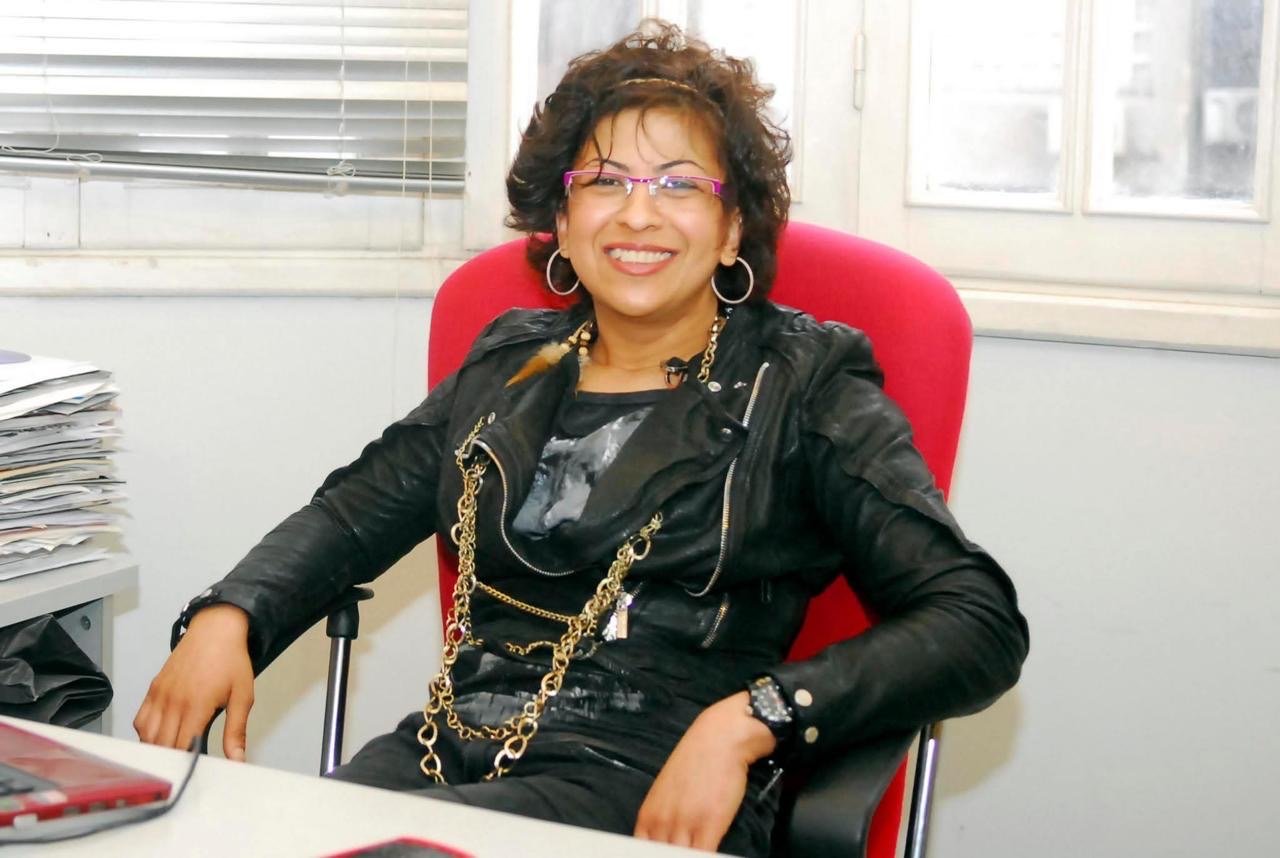
About the author
Manal Kamel – Cairo
Journalist and content creator
Manal Kamel is an Egyptian journalist and content creator. She earned a BA in Arts, Journalism Department, in 1993. She began her career at Egyptian Radio and worked as a continuity and news announcer on El Bernameg El Aam in 1997, before moving into advertising and content production in 2000. With more than 25 years of experience, she develops branded editorial formats, radio and digital content, and public-awareness campaigns. She writes from Cairo for OUISTARS Travel about culture, events, media and the entertainment economy.
Quick answers
When is the 47th Cairo International Film Festival?
It runs in Cairo from 11 to 20 November 2026.
Why is the festival 50 years old but on its 47th edition?
It was founded in 1976 but did not take place in several years, so institutional age and edition count differ.
What does the Cairo Film Market do?
It connects producers with buyers, distributors and financiers to sell rights and build co-productions.
How can the festival generate economic value for Egypt?
Through film deals, international shoots, hotel and transport demand, crew employment and licensing restored Egyptian films.
What is Egypt’s one-stop filming window?
It is a unified route through which the Egypt Film Commission coordinates and issues foreign-filming permits.
Sources
- Cairo International Film Festival: 47th edition dates
- Cairo Film Market 2026
- Festival de Cannes: 2026 figures
- Moroccan Cinematographic Centre: 2024 report
- Jordanian Prime Ministry: film incentives
- Royal Hashemite Court: Jordan film-industry figures
- Egypt State Information Service: foreign-filming regulation
- CIFF: restored Egyptian classics
- webook: Fi Hettah Tanya dates in Riyadh
- webook: Elmi Oloom dates in Riyadh
- Masrawy: Elmi Oloom cast

Cite this article
When citing the text or analysis, include the magazine, title, original URL and publication date. Preserve the stated attribution of statistics and photographs.