





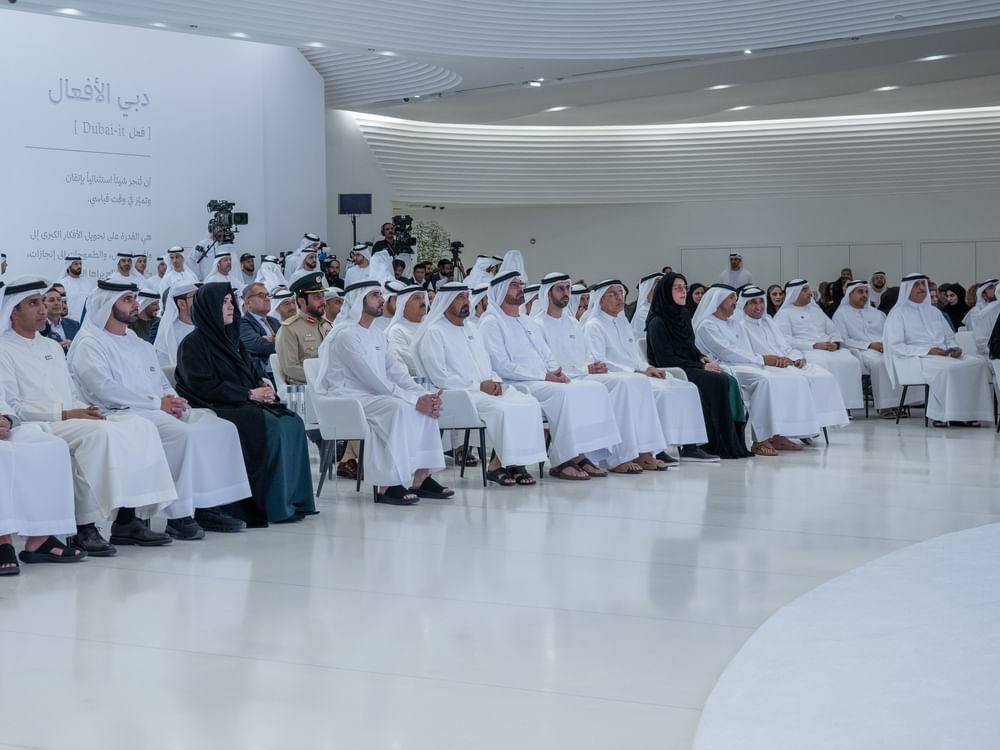

In Dubai, an idea is not measured by the applause it receives, but by the time it takes to become a result people can see. In 2026, that operating philosophy acquired a name: Dubai-it.
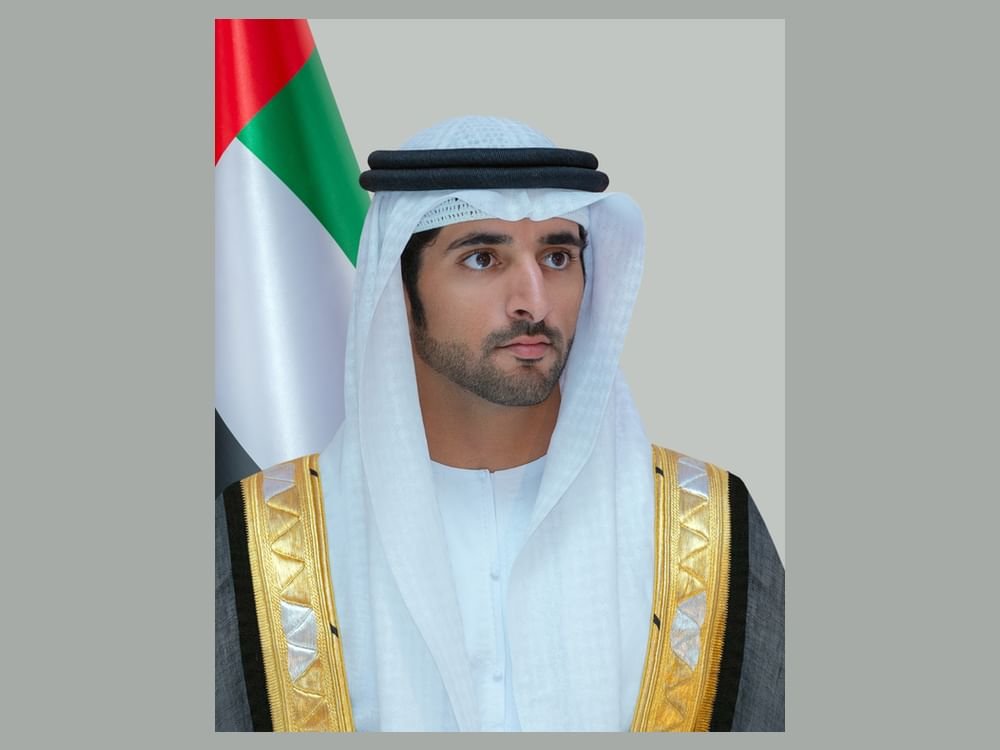
The Dubai-it Award was not created simply to add another ceremony to the calendar. Its bigger purpose is to turn the action-and-achievement philosophy established by His Highness Sheikh Mohammed bin Rashid Al Maktoum into an institutional system with standards, memory and models that others can study. Under the direction of His Highness Sheikh Hamdan bin Mohammed bin Rashid Al Maktoum, speed, quality, impact, sustainability and scalability became criteria rather than slogans.
From a phrase to an operating system
Sheikh Mohammed launched the Dubai-it initiative on 17 June 2026 to name an approach Dubai had practised for decades: turn vision into a project, the project into a service and the service into measurable economic and social value. One week later, the annual award was launched for individuals, projects, institutions and companies. On 11 November 2026, 13 inaugural winners were honoured after more than 1,000 applications across ten fields.
The message is not that every fast project is a successful one. The official framework combines bold ambition, exceptional execution, speed, excellence, measurable results and tangible impact. Speed, in this model, is not a shortcut around quality; it is the institutional ability to remove wasted distance between decision and outcome.
The 13 winners: a compact map of Dubai’s economy
The honourees show that the award does not treat achievement as exclusively public or commercial. It recognises an ecosystem stretching from aviation and roads to property, finance, digital commerce, manufacturing and hospitality.
The airport is not only a gateway; it is the first proof
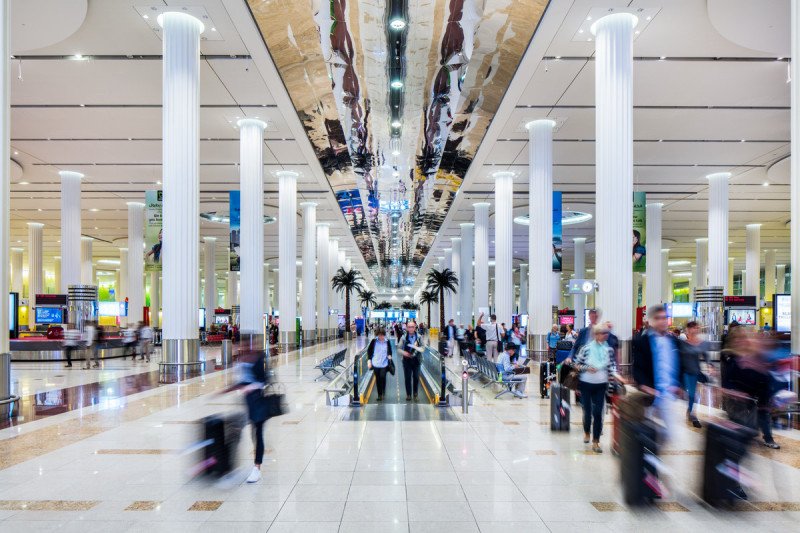
For an international visitor, the city’s test begins before the hotel. Dubai International welcomed 95.2 million guests in 2025, up 3.1%, the highest annual international passenger traffic recorded by any airport. DXB linked the city to 291 destinations through 108 airlines and handled 86.75 million bags. Eighty-nine per cent of arriving bags reached terminating passengers within 45 minutes of the aircraft reaching stand, while 98.8% of arrivals waited under 15 minutes at passport control.
Those numbers explain why the Red Carpet project belongs among the winners. It tackles real friction in the traveller journey and targets passenger processing in under five seconds with ten times the previous capacity. In the visitor economy, minutes removed from a queue become satisfaction, trust and a higher likelihood of returning.
How Dubai became a tourism and business compass
The transformation did not occur in ten years, nor was it detached from the city’s history. It accumulated over decades of investment in ports, aviation, roads, property, hotels and trade, then accelerated as every new layer strengthened the others. The airport brings visitors, investors and talent; mobility reduces friction; property creates destinations; hospitality converts time into spending; and digital services make companies easier to start and operate.
Dubai welcomed 19.59 million international overnight visitors in 2025, up 5%. Hotel occupancy reached 80.7% and occupied room nights rose to 44.85 million. These are not merely campaign metrics. They show a city connecting aviation, events, retail, restaurants, beaches and business into one destination product.
From vision to market: where the opportunity sits
For investors, the most useful part of Dubai-it is not the winners list but the problems their work solved: waiting time, rapid delivery, digital payments, specialist manufacturing, destination-making and hospitality exports. These are emerging profit pools in the visitor economy—services that reduce friction, experiences that increase the value of time, and products that carry Dubai’s name into other markets.
The Dubai Economic Agenda D33 aims to double the emirate’s economy by 2033. In aviation, Al Maktoum International is planned to serve 150 million passengers a year in the next decade and ultimately 260 million, under a stated US$35 billion investment. The opportunity therefore extends beyond airlines and hotels to crowd management, operational intelligence, mobility, food, retail, entertainment, sustainability and multilingual guest services.
What other cities can learn
First, an announcement is not an achievement; a measurable outcome is. Second, no single institution owns the visitor experience—it belongs to a network that must move at a comparable speed. Third, a successful city does not only import global brands; it creates concepts that can be exported. Finally, documentation matters. When success becomes a case study, institutional achievement can be repeated instead of remaining tied to one personality.
That is why the Dubai-it Award looks more like a management laboratory than a trophy platform. Its real value will be measured by whether organisations learn from the winners, shorten delivery cycles, improve services and create the next results worth documenting.
▶ Watch the official Dubai-it launch
Questions readers ask
What is the Dubai-it Award?
An annual award launched under Sheikh Hamdan bin Mohammed to recognise people, projects, institutions and companies that turn ambitious ideas into measurable results with speed, quality and impact.
Who launched the Dubai-it initiative?
Sheikh Mohammed bin Rashid Al Maktoum launched the initiative on 17 June 2026 to express Dubai’s philosophy of turning vision into reality.
How many inaugural winners were honoured?
The first cycle honoured 13 winners on 11 November 2026 following broad participation across ten fields.
How is the award connected to tourism?
The visitor journey depends on aviation, airports, roads, property, hospitality, retail and digital services—sectors strongly represented among the winners.
Is Dubai-it only a slogan?
The official framework links it to execution, results, impact and sustainability. Its long-term value depends on documenting the models and measuring what institutions learn from them.
 Add OUISTARS Travel as a preferred source on Google
Official sources
Cite this article
When citing the text or analysis, include the magazine, title, original URL and publication date. Preserve the stated attribution of statistics and photographs.
OUISTARS Travel — Dubai-it: How Mohammed bin Rashid’s Vision Became a Global Model for Action
Published: