















By Manal Kamel | Fact-checked 17 November 2026
The session ends. Photographs are taken, recommendations are read and delegates leave. A few days later, one simple question often has no public answer: what actually happened? How many contracts were executed? How many hotel nights were sold? How many local suppliers won work? How many ideas became policies, companies or projects? How many events returned because the destination delivered value rather than a beautiful stage?
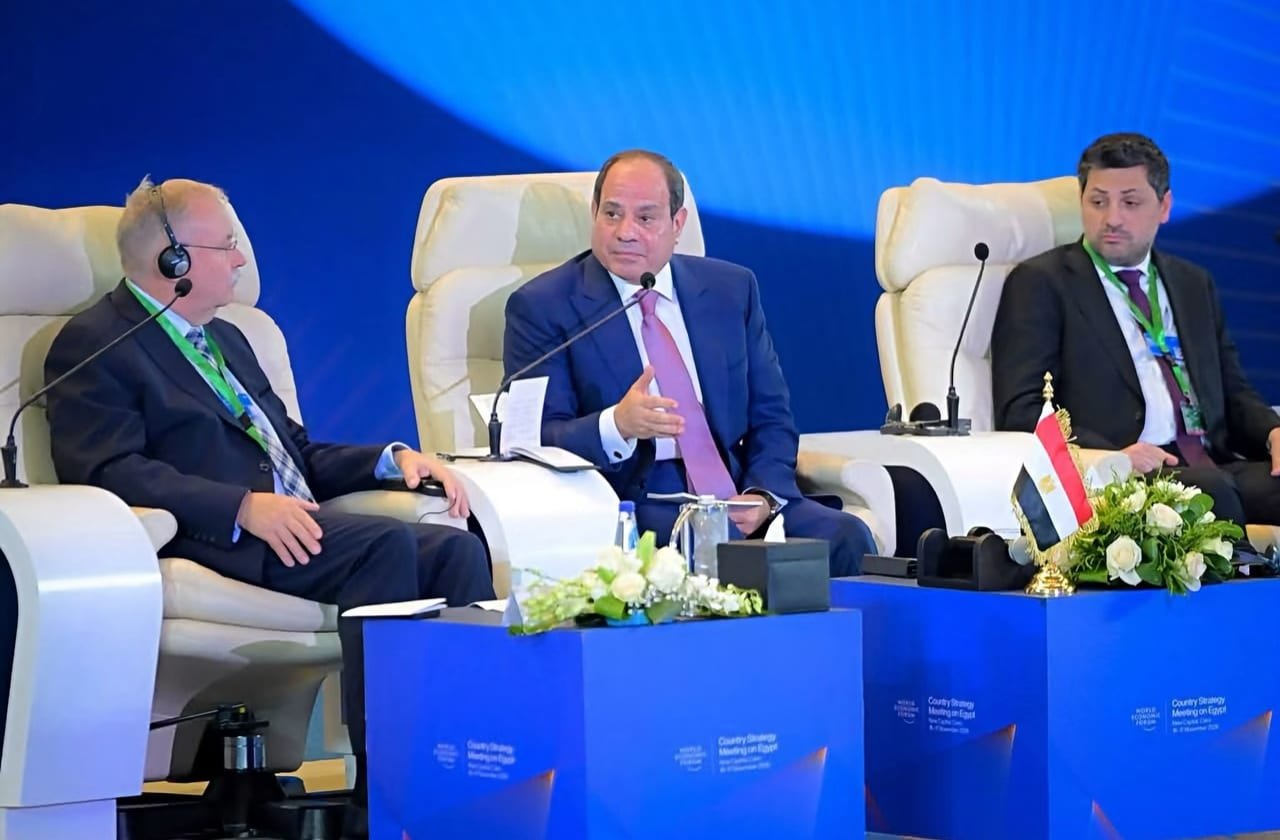
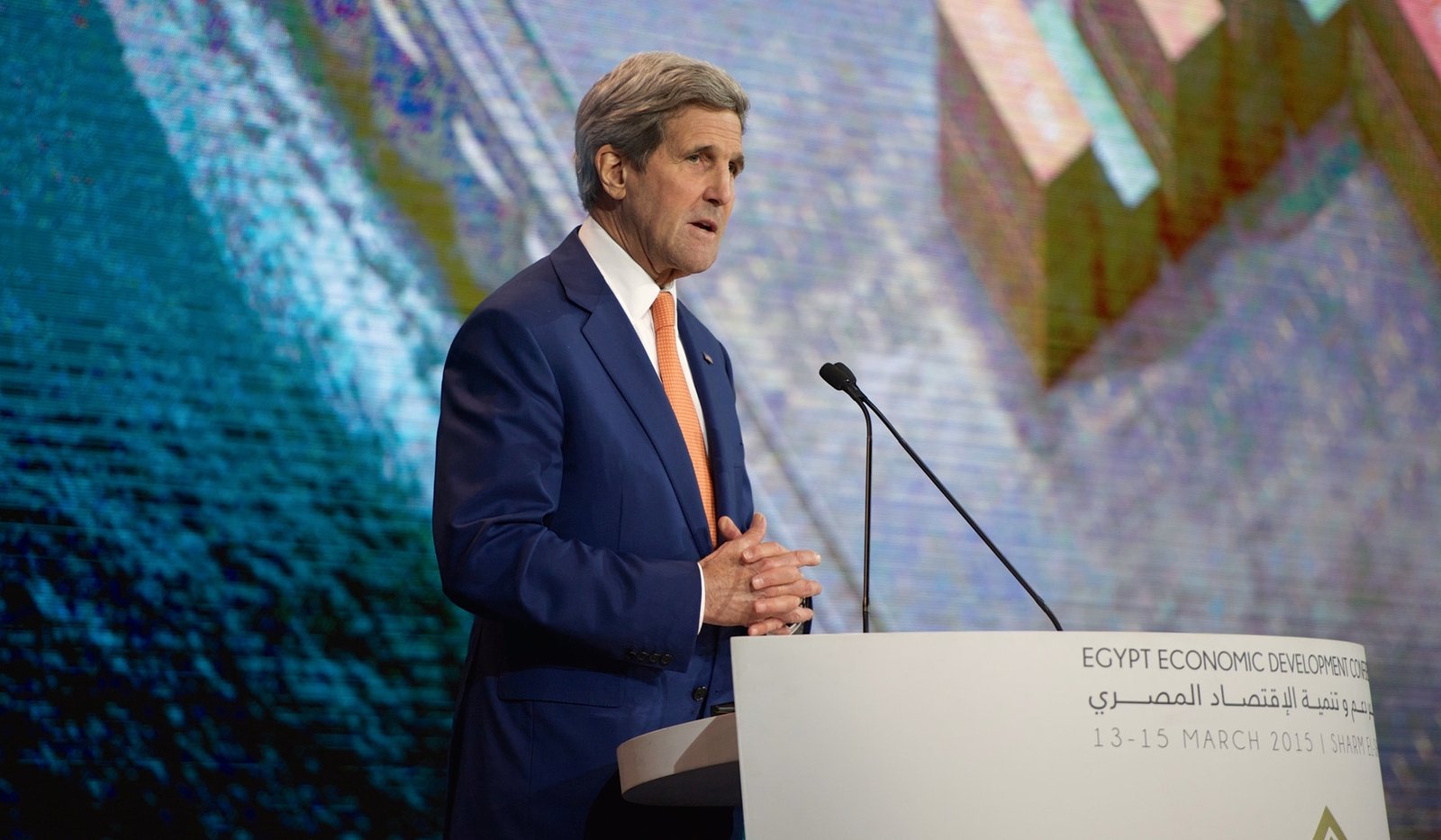
Conferences are a major economic and tourism industry, not merely a protocol line. They become costly theatre when success is measured through photographs, speeches and recommendation documents, rather than what survives after the screens go dark.
A global industry, not a ceremonial expense
UFI and Oxford Economics estimate that exhibitions attracted roughly 318 million visitors and 4.7 million exhibiting companies in 2025. They generated €158 billion in direct spending and, once direct, indirect and induced effects are counted, supported about €227 billion in GDP and 4.3 million jobs.
WTTC put global business-travel spending at $1.5 trillion in 2024. ICCA analysed 12,438 international association meetings in 2025. Cities compete for these events because participants buy flights, rooms, transport, food, translation, production, security and retail.
But a global estimate does not validate every local conference. Spending millions on an event does not mean the event created equal value. The result depends on out-of-town attendance, length of stay, local procurement, meeting quality and the organiser’s ability to turn introductions into projects and contracts.
Egypt can host crowds; the next question is legacy
Sharm El-Sheikh hosted COP27 in November 2022. Ahead of the summit, the presidency reported more than 45,000 registered participants from governments, international organisations, business, science and civil society. The event tested hotels, airports, transport, security, connectivity and services on a very large scale.
In Cairo, the 2026 Cairo International Book Fair received 6.2 million visitors, according to the Ministry of Culture. Egypt also took part in 40 international exhibitions during FY2025/26, including 33 tourism fairs and seven specialist events, with 522 representatives of tourism companies and establishments.
These are meaningful activity indicators. They are not the end of evaluation. Attendance tells us people came. It does not show what they bought, what contracts exhibitors brought home, how many future travellers the pavilion converted, or whether the event changed a policy or created a lasting professional network.
A recommendation without an owner is unlikely to happen
Many conferences close with similar ambitions: support young people, encourage investment, improve training, accelerate digital transformation and strengthen cooperation. The goals may be valid, but they are not a plan until each action has an accountable owner, budget, deadline, measurement and public follow-up.
If a conference recommends training 1,000 young people, the useful questions are who funded it, how many completed it, how many found work and what each job cost. If an investment summit announces memoranda worth billions, the test is not the number signed on stage but the value that reached financing, construction and operation.
Serious agreements move through stages: announcement, study, licensing, financing, contract, construction and operation. Mixing these stages creates impressive numbers, not an economy.
How should real return be measured?
Destination spending: hotel nights, visitor expenditure, restaurant and transport sales, and the share of production contracts won by local suppliers.
Business created: qualified meetings, executed contracts, exports and investment that can be reasonably linked to the event—not the number of exchanged cards.
Jobs and skills: temporary and permanent employment, plus training and accreditation that remain useful after the event.
Knowledge legacy: a database, research programme, professional standard, university course or policy that continues. A medical congress, for example, may leave a clinical protocol or referral network.
Destination strength: did the organiser return, did participants recommend the city, did they extend their stay, and did a business trip become a later family holiday?
Sustainability: energy, waste, transport and reusable materials. A sustainability summit cannot credibly leave behind unnecessary single-use waste.
Report after 30 days, 90 days and one year
The answer is not another permanent committee. It is a concise, public scorecard. After 30 days, publish attendance, spending, suppliers and complaints. After 90 days, report the status of recommendations and agreements. After one year, state what was delivered, what failed and why.
This protects organisers as much as it holds them accountable. It distinguishes a financing delay from a regulatory barrier, a weak partner or an exaggerated opening claim. It also helps governments, sponsors and companies decide which events deserve repetition and which need redesign.
A good conference starts long before registration opens
If a city wants hotel investors, it should send market data before arrival, arrange meetings with regulators, banks and developers, organise site tours and follow each lead after departure. A tourism fair should match international buyers with Egyptian companies that have prices, products and contracting capacity—not only an attractive pavilion.
Business tourism imports people with budgets, authority and networks. Allowing that opportunity to dissolve into a packed programme of speeches and photographs is a loss that rarely appears in the event budget, but later appears in the contracts that were never signed.
When can a conference be called successful?
A conference succeeds when its value exceeds its cost, local businesses benefit, every recommendation has an owner and deadline, and the public can see a result one year later. That result may be a contract, job, policy, new knowledge, returning visitor or a city that secures a lasting place on the international events calendar.
Photos are useful for documentation and marketing. Recommendations organise ideas. But both are the beginning of the story, not its conclusion. After millions are spent, people have the right to know what remained.
Sources
- UFI and Oxford Economics — Global Economic Impact of Exhibitions, 2025 data
- WTTC — global business travel spending in 2024
- ICCA — international association meetings in 2025
- UNFCCC — registered participants at COP27
- Egypt Ministry of Culture via SIS — 2026 Cairo International Book Fair attendance
- Egypt Ministry of Tourism — international exhibition participation in FY2025/26
Follow OUISTARS Travel on Google:  Add OUISTARS Travel as a preferred source on Google.
Cite this article
When citing the text or analysis, include the magazine, title, original URL and publication date. Preserve the stated attribution of statistics and photographs.
OUISTARS Travel — Millions Spent on Conferences: What Remains After the Photos and Recommendations?
Published: