
















By Manal Kamel | Fact-checked 17 November 2026
The paradox is hard to miss. The world knows Egyptian doctors, engineers, programmers, artists and researchers. It hires them in hospitals, companies, universities and studios. Yet when the conversation moves from employing an Egyptian abroad to making a long-term investment inside Egypt, the answer becomes more complicated. The country does not lack talent. It still needs a more reliable mechanism for turning talent into institutions, institutions into exportable products, and individual success into an ecosystem that attracts capital rather than pushing skills away.
This is not only a debate about brain drain. It is an economic and tourism question: why export the person who creates value instead of bringing capital, markets and expertise to that person? Why can Egypt sell an extraordinary civilisation to visitors while still needing a clearer investment proposition for a hotel, research centre, travel-technology company, medical platform or scalable cultural experience?
Capital sees Egypt, but not always in the same way
Egypt received $46.6 billion in foreign direct investment in 2024, up from $9.8 billion in 2023, according to UNCTAD. The number is striking, but its composition matters: UNCTAD attributes much of the jump to the Ras El-Hekma mega-project. A record headline does not prove that capital was broadly distributed across productive sectors or that smaller companies found growth finance.
Talent-led exports tell a different story. Egypt’s Information Technology Industry Development Agency reported $5.2 billion in offshoring-service exports in 2025. The sector now extends beyond call centres into software, engineering, research and development, and complex digital operations. Here, Egyptian skills become a direct export: local expertise, an international client and foreign-currency income without requiring every specialist to leave the country.
Remittances reveal the other side of mobility. Egyptians abroad sent a record $36.5 billion in FY2024/25, according to central-bank balance-of-payments data reported by the State Information Service. The money supports households and the economy. It also invites a harder question: how much more value could this experience create through companies, investment and mentorship at home?
Talent alone does not close an investment decision
An investor does not buy human intelligence in isolation. The purchase is an ecosystem: predictable rules, efficient licensing, dependable power and connectivity, commercial dispute resolution, access to data, universities that work with industry, and a city where staff and clients can live and move efficiently.
Egypt therefore needs to sell more than graduate numbers or competitive labour costs. Investors ask whether skills match real demand, how long a company takes to launch, whether profits and supplies can move predictably, and whether a qualified local partner can be found without navigating layers of intermediaries.
Outsourcing offers a practical model. When government identifies an exportable sector, builds training around employer demand, publishes incentives and speaks to global companies in measurable terms, talent becomes contracts, jobs and exports. The same discipline can serve travel technology, hotel management, creative industries, medical services, education, film production and cultural experiences.
Tourism is an investment in people
Egypt welcomed nearly 19 million tourists in 2025, according to the Ministry of Tourism and Antiquities, about 21% more than in 2024. Tourism receipts reached $16.7 billion in FY2024/25, while guest nights rose to 179.3 million. From January to August 2026, arrivals reached 12.7 million and receipts $12 billion, according to the Cabinet’s Information and Decision Support Center.
These are not hotel-only numbers. Tourism activates aviation, transport, restaurants, retail, crafts, technology, security, events and cultural production. WTTC estimates reported by IDSC in 2026 put Egypt’s travel and tourism employment at about 3.03 million jobs in 2026.
Volume, however, is not the whole economy. Value also depends on visitor spending, length of stay, geographic distribution, job quality and the share of expenditure retained locally. Cultural tourism needs researchers, guides and content designers. Conferences need producers, translators and technicians. Medical tourism requires accredited care, insurance and follow-up. Every advanced tourism product is ultimately a talent strategy.
From a city investors visit to a city where they can work
Cairo, Alexandria, Sharm El-Sheikh, Hurghada and New Alamein have strong appeal, but an international investor evaluates the entire experience: the airport transfer, digital connectivity, housing, schools, healthcare, culture and the ability to host an international team. Improving the visitor journey also improves the investment journey.
Egypt’s hotel pipeline rose to 185 properties and about 46,000 rooms under construction in 2026, according to IDSC. Those rooms also require managers, suppliers, pricing systems, energy efficiency and experiences beyond the hotel. Construction adds capacity; talent adds value to the room and the destination.
What would make investment follow talent?
First, sector-specific propositions. Investors need bankable files in outsourcing, travel technology, sustainable hotels, healthcare, education and creative industries, with demand, incentives, costs and delivery dates stated plainly.
Second, accountable case management. A single window should mean one empowered owner of the investor’s file and a visible timetable, not simply another reception desk.
Third, training attached to contracts. Skills programmes should begin with an employer’s need and end with a job, export order or funded project.
Fourth, capital for experienced founders. Egyptians who have succeeded abroad bring networks and market knowledge, but returning to build a company requires finance, governance and legal certainty, not sentiment alone.
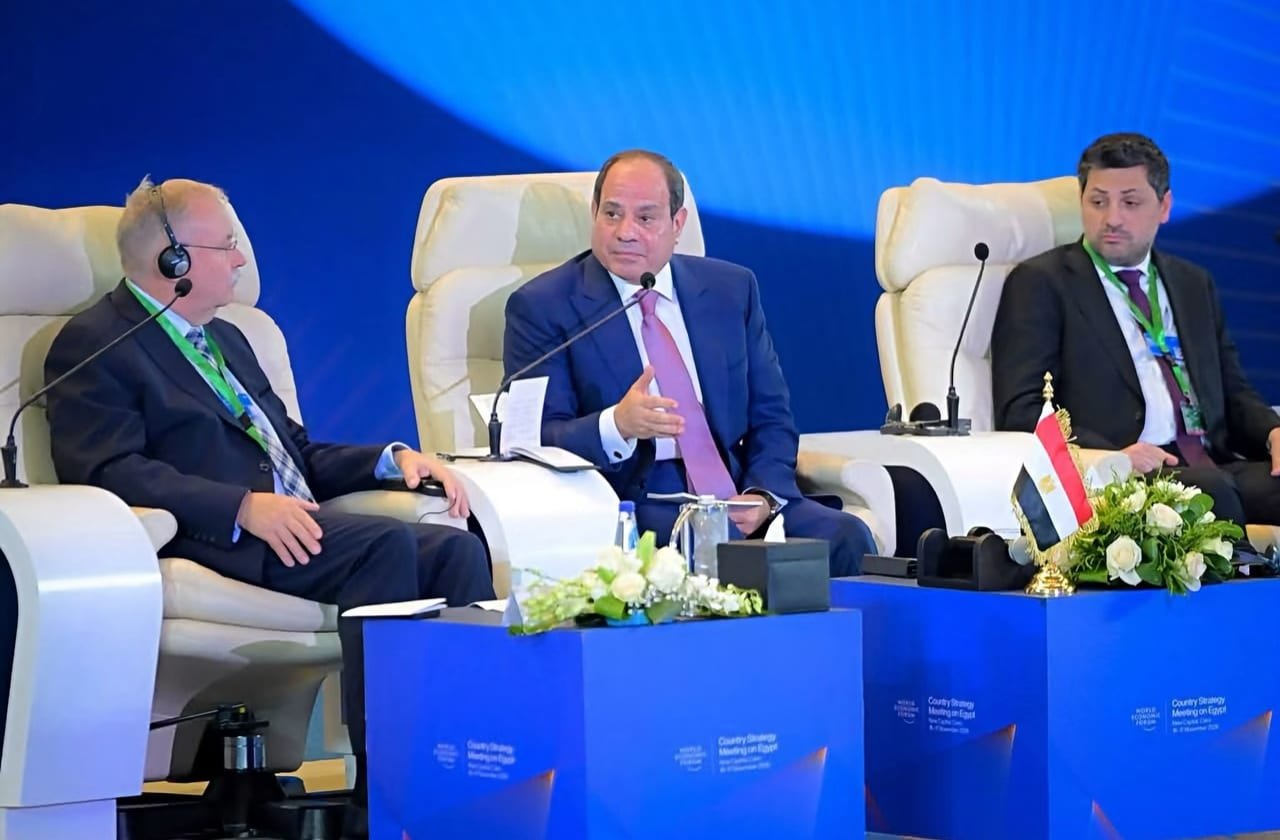
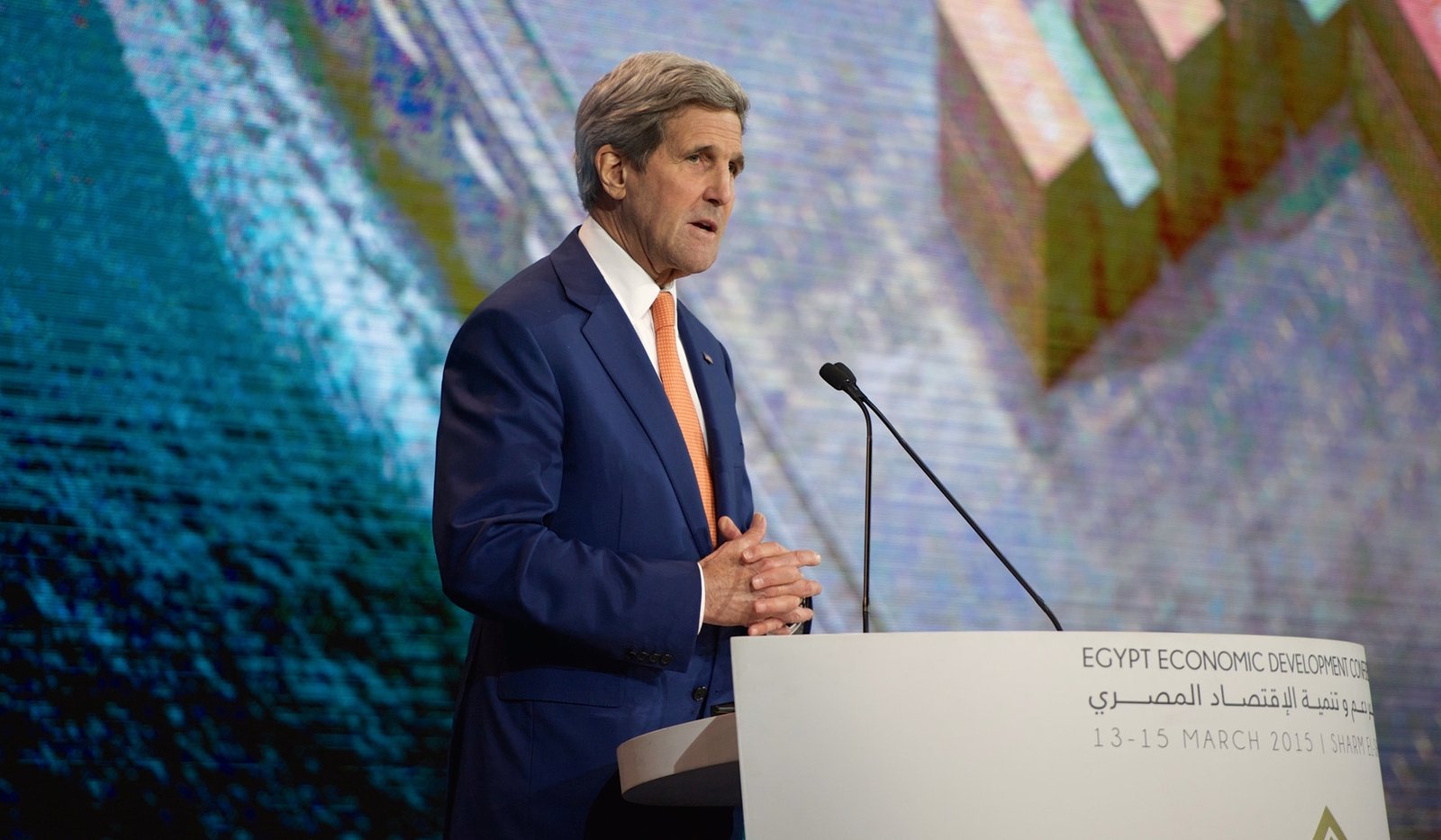
Fifth, tourism as an investment gateway. Conferences and official visits should include site tours, supplier meetings, sector data and disciplined follow-up. A decision-maker who sees the market is closer to investment than one who receives a promotional folder.
The opportunity exists; the task is to systemise it
Egypt starts with real advantages: a large market, a position between three continents, expanding tourism, a young workforce and proven capabilities in technology, medicine, engineering and culture. The 2024 FDI surge shows that major deals are possible.
But a country that exports talent should not stop at celebrating Egyptian success abroad. The stronger outcome is to give the world an economic reason to come to Egyptian talent: to build, finance, buy services, visit and return. Then Egyptian ability becomes more than a collection of individual success stories. It becomes a national asset that multiplies investment, tourism and exports.
Sources
- UNCTAD — COMESA Investment Report 2025 and Egypt’s 2024 data
- ITIDA — Egyptian offshoring exports and 2025 sector data
- Egypt State Information Service — remittances and tourism receipts in FY2024/25
- Ministry of Tourism and Antiquities via SIS — 2025 tourism results
- IDSC — tourism, hotel pipeline and jobs data in 2026
Follow OUISTARS Travel on Google:  Add OUISTARS Travel as a preferred source on Google.
Cite this article
When citing the text or analysis, include the magazine, title, original URL and publication date. Preserve the stated attribution of statistics and photographs.
OUISTARS Travel — Egypt Exports Talent to the World. Why Doesn’t the World Come to Invest in Egypt?
Published: