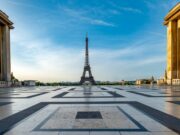
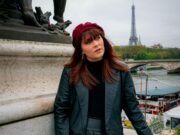

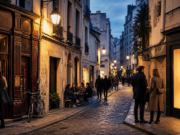



For years, luxury Paris was sold in daylight: museums before the crowds, avenue Montaigne appointments, long lunches and palace suites. Now the night is becoming a journey of its own. Travellers want Paris after the formal itinerary—when restaurants become theatres, rooftops reveal the city, cabarets reclaim their glamour and hotel bars offer intimacy without isolation.
The night has become experiential luxury
Luxury is moving from possession to access. A guest may value a chef’s counter, a private room, a late museum event or a backstage conversation more than another shopping stop. Paris is well positioned because dining, performance, fashion and heritage sit close together, but only if the evening is designed as a sequence rather than a pile of reservations.
Dining is the opening act
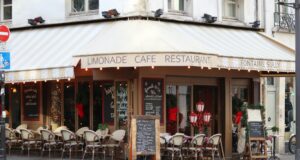
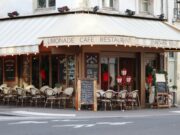
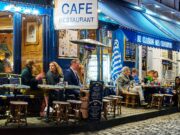
Paris now offers several night-time languages: palace gastronomy, lively destination restaurants, intimate bistros and chef-led counters. The right choice depends on the guest. Gulf families may prioritise privacy and flexible menus; American visitors may want energy and recognisable design; fashion travellers often need a table that survives a delayed show. Timing, room acoustics and transport matter as much as the Michelin name.
Cabaret is being read anew
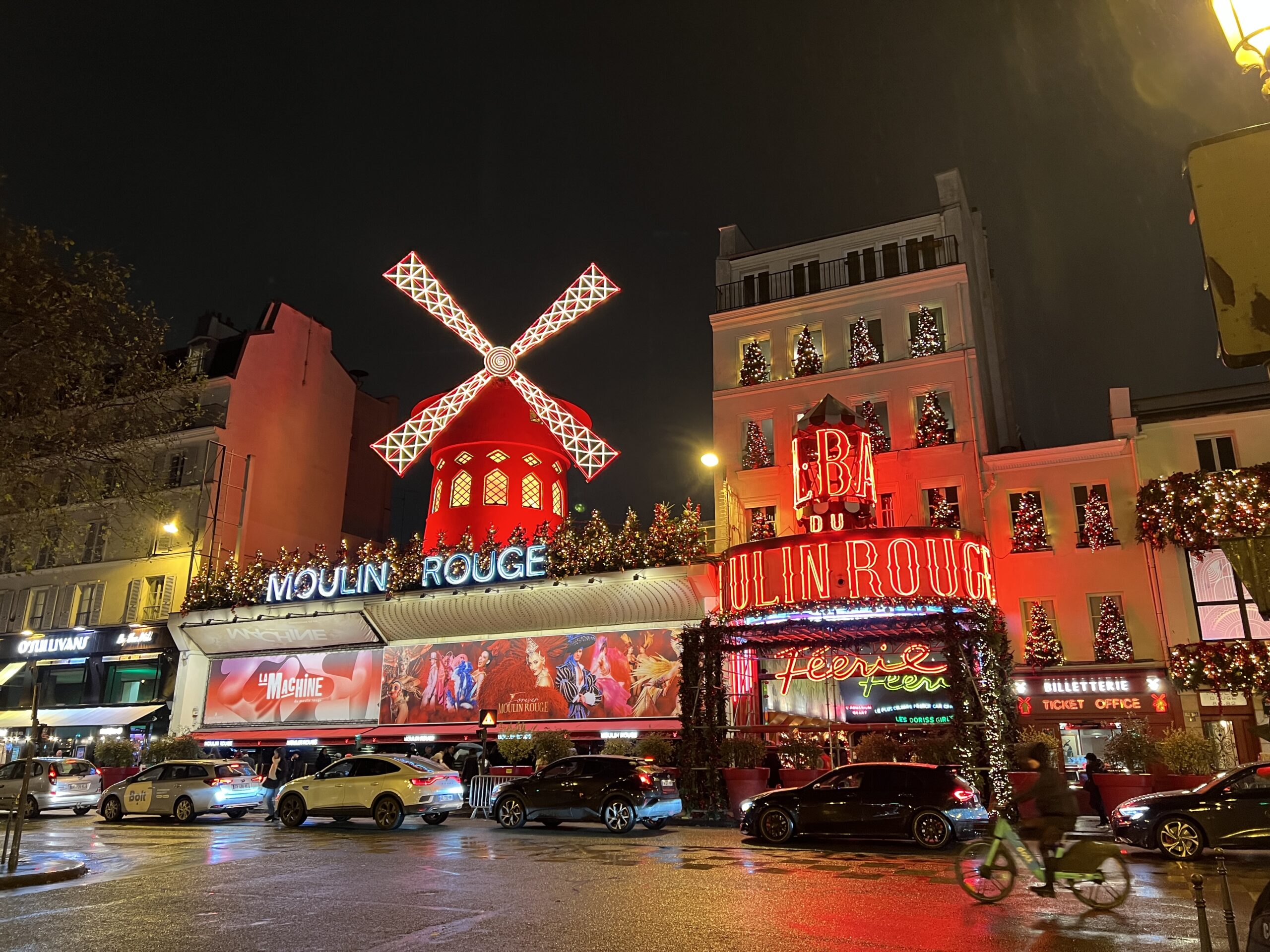
Moulin Rouge, founded in 1889, remains a global emblem, while Crazy Horse and Paradis Latin offer distinct interpretations of Parisian performance. Premium guests increasingly approach cabaret not as a bus-tour cliché but as living cultural production—costume, choreography, lighting, music and hospitality. A good programme explains those differences and matches the venue to the traveller.
Palace bars provide controlled sociability
Bar Hemingway at the Ritz, the bars of Hôtel de Crillon, Le Bristol, Cheval Blanc and other luxury hotels offer a valuable middle ground: social, recognisable and protected. They are useful for solo travellers, discreet meetings and a final drink without another complicated transfer. The service advantage is continuity: the hotel already knows the guest.
Rooftops and river journeys change perspective
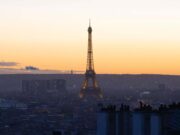
Paris from above or from the Seine can feel newly cinematic after dark. Rooftops require careful seasonal planning and reservations; private river cruises need trustworthy operators, realistic boarding times and weather alternatives. The premium is not simply the view, but control over crowding, pacing and comfort.
Night mobility is part of the luxury promise
The weakest link in a premium evening is often the space between venues. A driver who waits, monitors delays and knows discreet entrances protects the itinerary. Safety, clarity and direct communication matter particularly for international families and solo guests. Luxury at night is the absence of uncertainty.
A larger opportunity for Paris
Hotels can sell night concierges and themed stays; restaurants can build pre- and post-performance menus; cultural venues can package limited access; mobility operators can coordinate the whole evening. Longer night-time itineraries also spread visitor spending beyond the daytime core.
Paris after dark is not a second shift of the same city. It is a different product—more intimate, more theatrical and, when orchestrated well, more memorable than the postcard day.