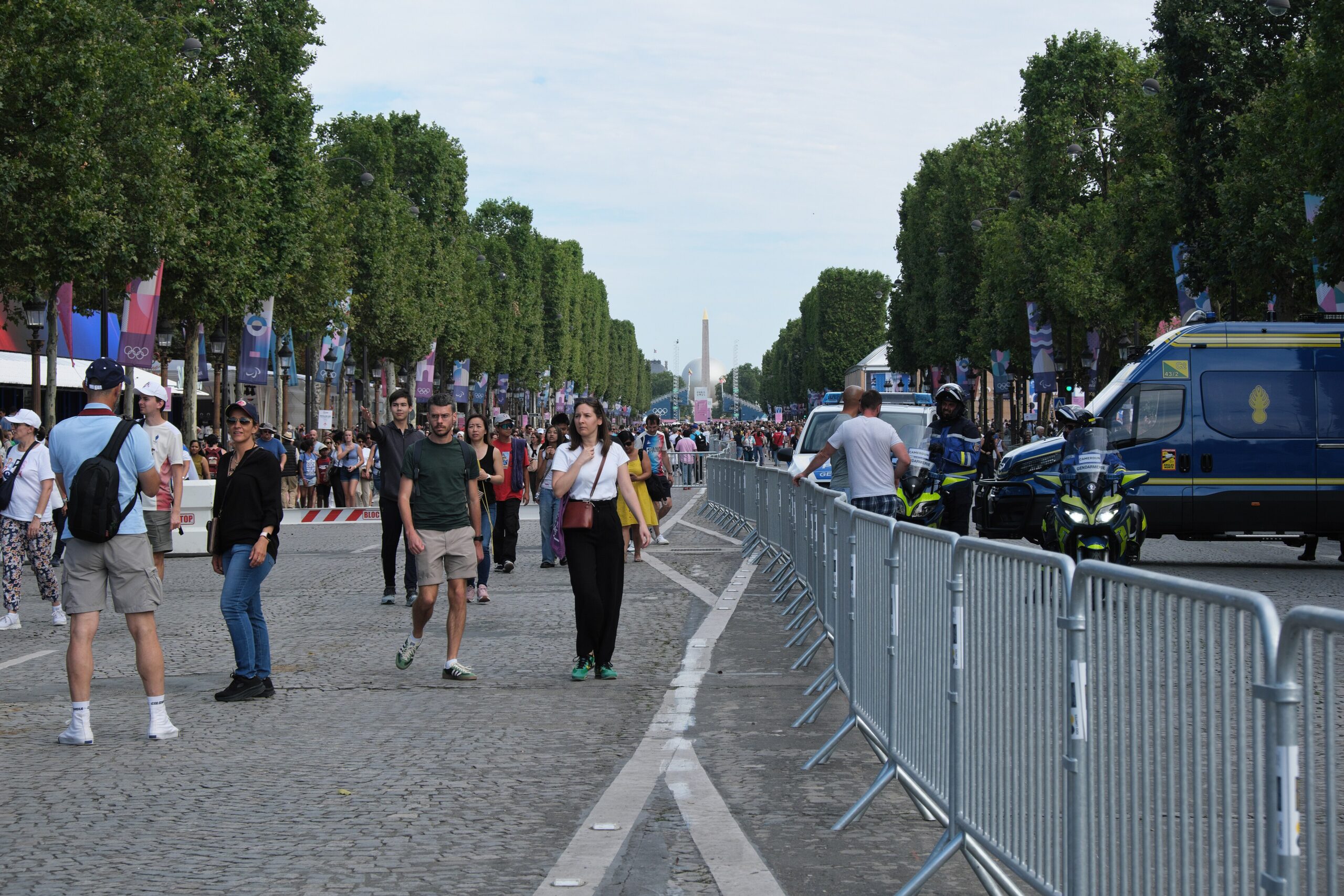
Paris does not demand fear. It rewards awareness. The French capital welcomes visitors into crowded museums, busy Métro carriages, elegant shopping streets and late-night neighbourhoods every day. Most trips unfold exactly as they should: with photographs, long lunches and memories—not emergencies. Yet a confident visit begins with an honest answer about the risks that do exist.
The short answer: Paris is generally safe for tourists. It is not risk-free, and no major global city is. The problems most likely to affect a visitor are opportunistic theft, distraction scams and poor transport choices—not a reason to avoid the city, but a reason to travel with ordinary urban awareness.
Is Paris safe for tourists in 2026?
Yes, for ordinary sightseeing, dining, shopping and hotel stays, Paris is generally a safe destination. Millions of journeys through its streets and transport network pass without incident. The sensible approach is neither alarmism nor complacency.
Official guidance from Paris je t’aime and the Préfecture de Police concentrates on practical prevention: secure valuables, stay attentive in crowds, use authorised services and know where to ask for help. That emphasis matters. It describes a busy international city where preparation is useful, not a destination tourists should fear.
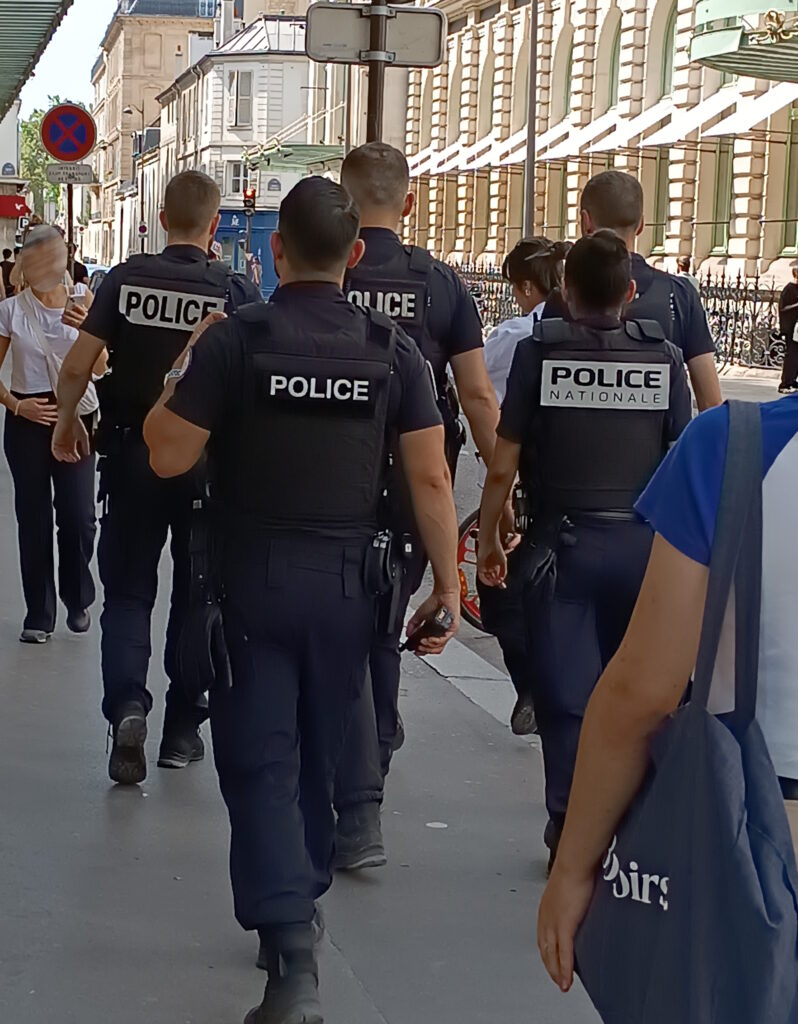
The risks tourists are most likely to encounter
Pickpocketing in crowded places
Pickpockets look for distraction and easy access. Busy Métro platforms, train doors, station escalators, landmark queues and packed terraces create opportunities. Carry a zipped cross-body bag in front of you. Keep a wallet and telephone out of open pockets, and do not hang a handbag from the back of a café chair.
Distraction scams
Official visitor advice specifically warns about fake petitions, the street game known as three-card monte or bonneteau, and unlicensed sellers. The safest response is brief and calm: do not engage, do not reveal your wallet and continue walking. A high-visibility vest, clipboard or badge-like object does not by itself prove that a person is an official employee.
Phones, cards and cash
A phone placed near the edge of a restaurant table can disappear quickly. Use contactless or card payment where practical, carry only the cash needed for the day and shield your PIN. If a cash machine looks altered or someone offers unsolicited help, cancel the transaction and use another ATM inside a bank.
Unofficial transport
At airports and major stations, ignore unsolicited driver offers. Use the official taxi rank, a verified pre-booked chauffeur or the public transport network. Confirm the company name, passenger name and vehicle details before entering a car.
Is the Paris Métro safe?
The Métro and RER are practical and widely used. They also bring people close together, so theft prevention matters. Secure your bag before the train arrives, step away from the doors when possible and keep luggage within reach. Never help an unknown person pass through a ticket gate with you.
RATP advises passengers to contact staff or use the emergency equipment on platforms and trains. To report harassment or an unsafe situation, call 3117, text 31177, or use +33 980 98 3117 from a foreign telephone. In an immediate emergency, call 17 or 112.
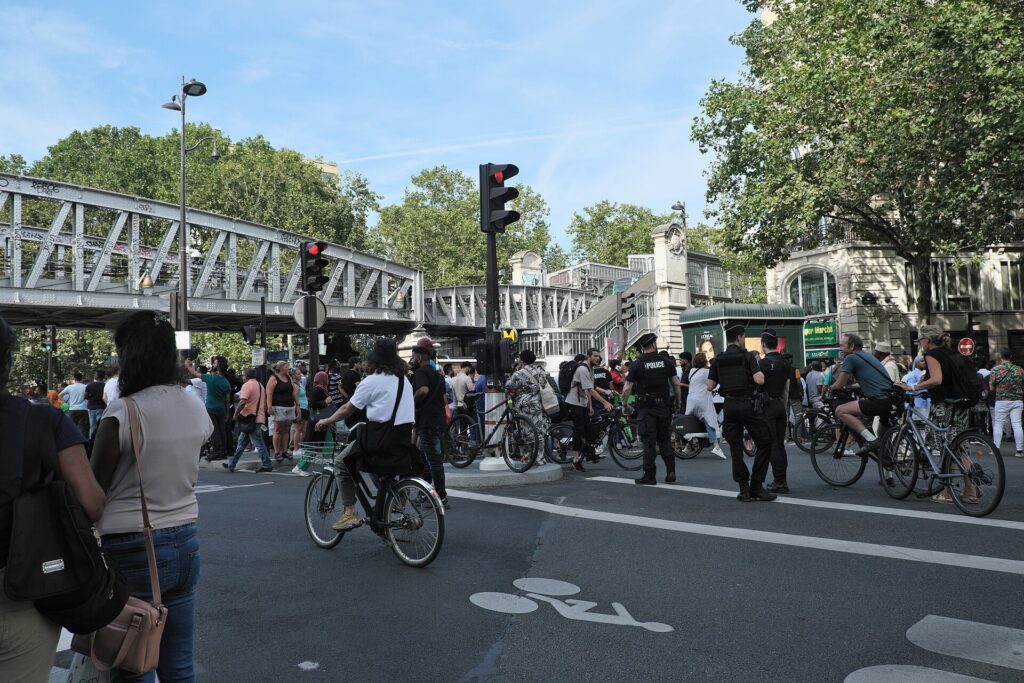
Landmarks, shopping streets and nightlife
The Eiffel Tower, Louvre, Montmartre, Champs-Élysées and major department stores are not places to avoid. Their popularity simply makes them attractive to opportunists. At security lines, do not place a telephone or wallet in an outer pocket while rearranging coats and tickets. After shopping, avoid displaying multiple luxury-branded bags for longer than necessary.
At night, use well-lit main streets and plan the return journey before dinner or a show. If a street feels isolated, move toward an open hotel, restaurant or staffed station. Do not accept drinks from strangers, and keep sight of your glass. Parisian nightlife is part of the city’s appeal; good planning preserves it.
Advice for solo women, families and luxury travellers
- Solo travellers: share a route or live location with someone you trust, keep a charged phone and choose a verified ride late at night.
- Families: place a contact card in a child’s pocket, agree on a meeting point and assign one adult to watch luggage during transfers.
- Luxury travellers: use the hotel safe, photograph serial numbers of valuable devices and arrange transport before leaving boutiques or events.
- Travellers with reduced mobility: confirm accessible routes and assistance in advance; avoid improvising at a crowded station.
For a time-efficient introduction to the city, see our Paris in one day itinerary and two-day Paris guide. For the wider relationship between safety and visitor confidence, read OUISTARS’ feature on tourism security in France.
What to do if something happens
Move to a safe, staffed place and act quickly. France’s official emergency numbers are:
- 17 — Police or Gendarmerie
- 112 — European emergency number
- 15 — SAMU medical emergency service
- 18 — Fire and rescue service
- 114 — Emergency access for people who are deaf, hard of hearing, deafblind or aphasic
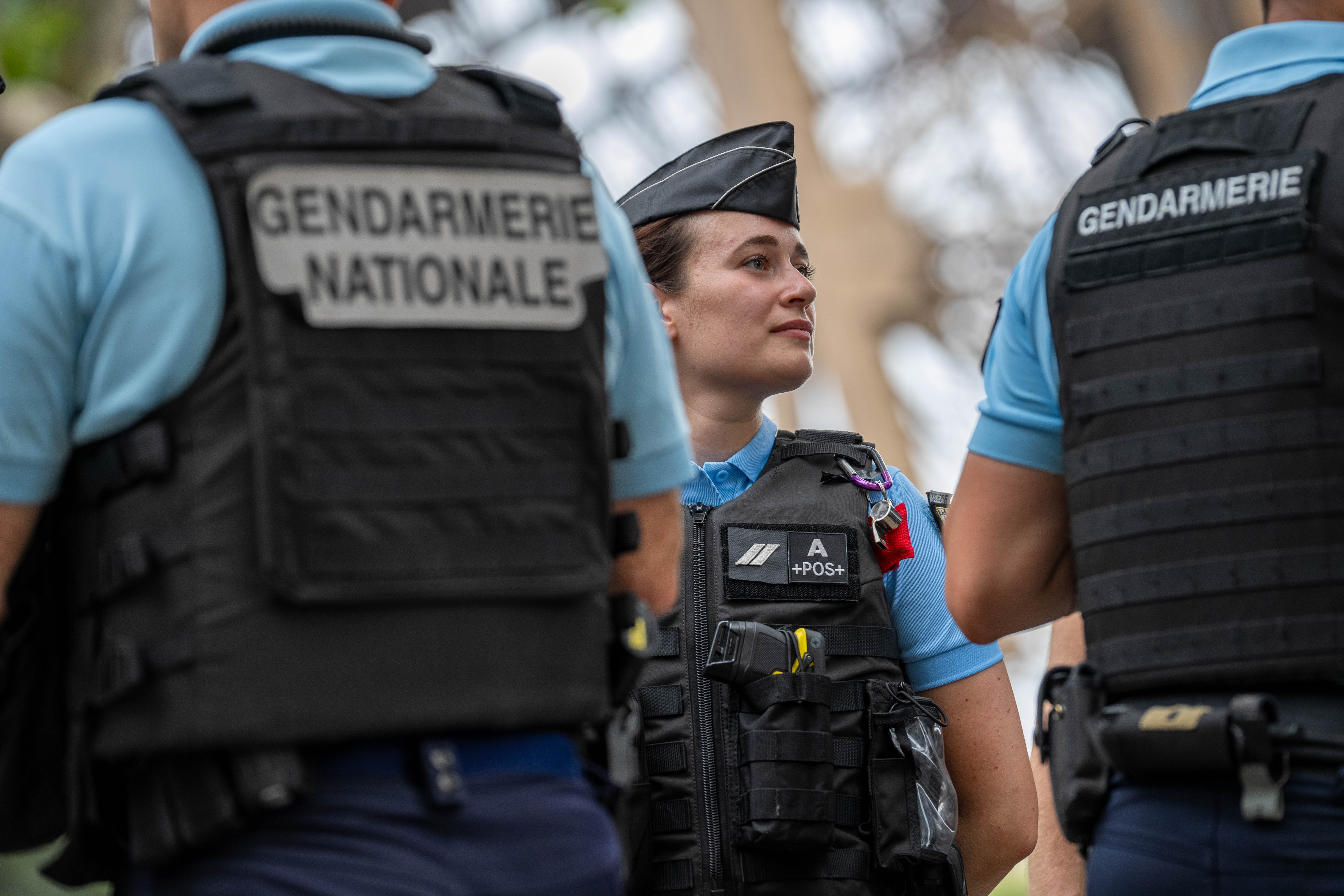
The Préfecture de Police states that the 20 central-district police stations are open around the clock. Bilingual officers may assist visitors, and the SAVE system can record a complaint in a tourist’s language and provide a translated receipt. If a passport is lost or stolen, report it and contact your embassy or consulate.
Block stolen bank cards and mobile devices immediately. Keep digital copies of passports, visas, insurance and bookings in secure cloud storage, separate from the originals.
A realistic safety plan before arrival
- Save emergency numbers and your hotel address offline.
- Buy transport tickets only from official machines, counters or authorised apps.
- Use a zipped cross-body bag and divide cards and cash.
- Pre-book important airport and station transfers.
- Check official notices on the day of major demonstrations or events.
- Keep travel insurance and assistance contacts accessible.
OUISTARS Travel Advice
Safety often begins before the first suitcase reaches the pavement. For guests arriving at Charles de Gaulle or Orly, an organised meet-and-greet and a pre-booked transfer remove the uncertainty of finding transport while tired or carrying luggage. A professional private chauffeur is especially useful for families, business travellers, luxury shopping days and late-evening arrivals.
OUISTARS can arrange airport pickup, hotel transfers and private chauffeur services across Paris. The service adds continuity and comfort; it does not replace normal awareness. Keep valuables with you, verify the driver’s identity and agree on the itinerary and price before departure.
Official sources used for this guide
- Préfecture de Police: information for tourists
- Paris je t’aime: safety advice for visitors
- RATP: travelling safely and reporting incidents
- Service-Public.fr: French emergency numbers
Frequently asked questions
Central Paris is generally safe at night when visitors use busy, well-lit routes and plan their return. Avoid isolated streets, watch your drink and use verified transport when travelling late.
Yes. The Métro is heavily used and practical, but crowded trains require attention to phones, wallets and bags. For harassment or an unsafe situation, contact 3117 or text 31177.
Common official warnings concern pickpocketing, fake petitions, three-card monte, unlicensed sellers and unsolicited transport. Do not engage and use authorised services.
Call 17 for police or gendarmerie, 15 for urgent medical help, 18 for fire and rescue, or 112 as the European emergency number.
Use the official taxi rank, public transport suited to your luggage, or a verified pre-booked transfer. Reject unsolicited driver offers and confirm the passenger and vehicle details.
OUISTARS travel planning: Travellers arranging a trip in France can review OUISTARS private chauffeur and luxury transportation services for airport meet-and-greet, hotel transfers and tailored journeys.





[…] Travelers can also consult our separate guide: Is Paris safe? The honest answer every tourist should know before visiting. […]