







Two days in Paris can feel impossibly short—unless every hour has a purpose. This carefully paced Paris in 2 days itinerary gives first-time visitors the landmarks they came for, the neighbourhood moments they did not expect and enough breathing room to enjoy the city rather than race through it.
The route is designed for 2026 opening rules and realistic travel times. Book the Eiffel Tower, Louvre Museum and Seine cruise before arrival, wear comfortable shoes and keep a small margin for security checks. Prices and opening hours can change, so reconfirm every timed reservation on the official website.
Paris in 2 days at a glance
- Day 1: Eiffel Tower, Trocadéro, Seine cruise, Champs-Élysées and Arc de Triomphe.
- Day 2: Louvre, Palais Royal, Notre-Dame, the Latin Quarter, Montmartre and Sacré-Cœur.
- Walking: approximately 15–20 kilometres over two days, plus Metro transfers.
- Ideal pace: energetic but achievable for travellers who reserve key attractions.
Day 1: Classic Paris, the Seine and the grand avenues
08:00 — Breakfast at an award-winning Paris boulangerie
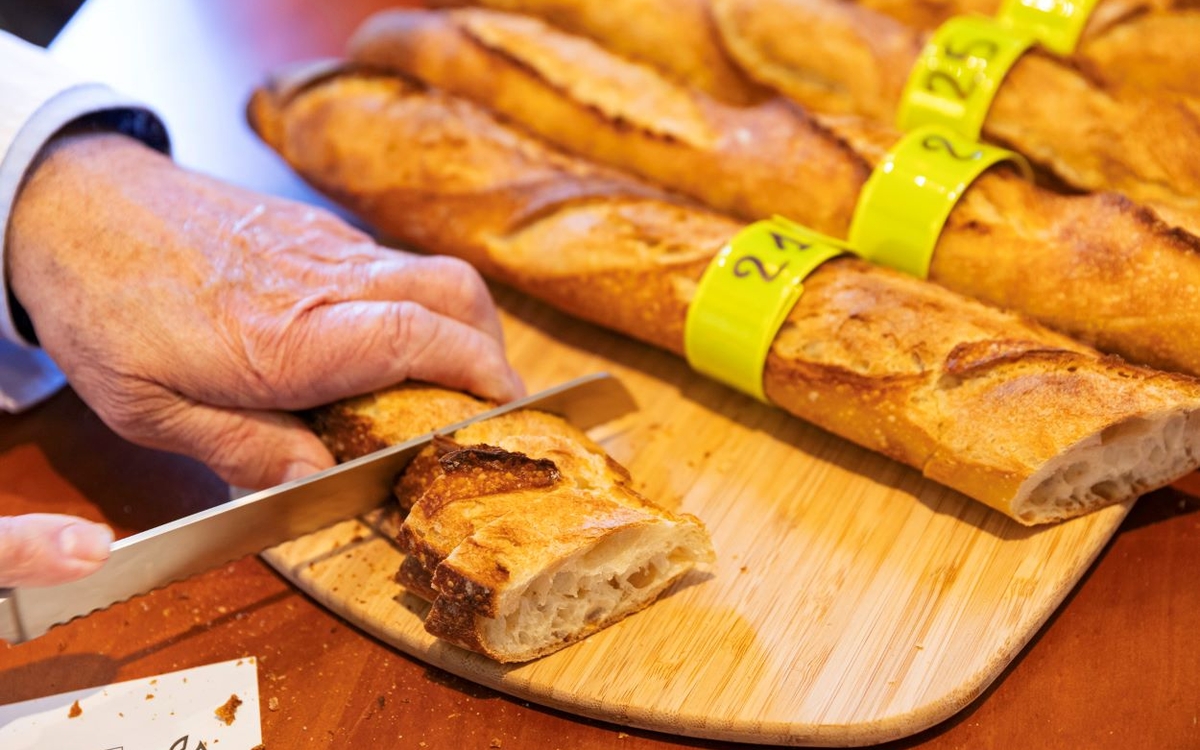
Why visit: A proper Paris morning begins with the scent of warm bread, not a hotel buffet. Choose the nearest branch of La Parisienne—winner of the 2025 Grand Prix de la Baguette—or make a deliberate detour to Fournil Didot, which won the 2026 competition.
- Allow: 45 minutes.
- Best photographs: the pastry counter, a crisp baguette tradition and a street-side coffee, always with staff permission.
- Nearest Metro: varies by branch; check the exact shop before leaving.
- Best time: opening hour, when the choice is widest and queues are shorter.
- Insider tip: order a croissant, baguette tradition, butter and café crème. Keep breakfast close to your hotel or the Eiffel Tower route; crossing Paris for one bakery can cost an hour.
09:00 — Eiffel Tower
Why visit: Nothing establishes the scale of Paris like looking across the city from the Tower. In 2026, the official adult lift ticket to the summit is €36.70 and the second-floor lift ticket is €23.50. Ground access and exterior views remain free.
- Allow: 90 minutes for the second floor; up to two hours for the summit.
- Best photographs: beneath the iron structure on the Champ-de-Mars side, from the central axis and from the second-floor galleries.
- Nearest Metro: Bir-Hakeim (Line 6) or Trocadéro (Lines 6 and 9).
- Best time: the first available morning slot.
- Insider tip: buy only from the official Eiffel Tower ticket office. Large luggage is not admitted and there is no cloakroom. Summit access may close in severe weather or at peak times.
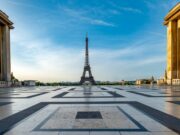
10:45 — Trocadéro
Why visit: The Esplanade du Trocadéro creates Paris’s most recognisable full-height Eiffel Tower composition. It is also the logical transition between the monument and the river.
- Allow: 30–40 minutes.
- Best photographs: the esplanade balustrade, the steps toward the Warsaw fountains and Avenue de Camoëns a few minutes away.
- Nearest Metro: Trocadéro (Lines 6 and 9).
- Best time: before 11:00 for cleaner backgrounds.
- Insider tip: descend toward the Seine instead of returning to the Metro. The walk across Pont d’Iéna delivers constantly changing views.
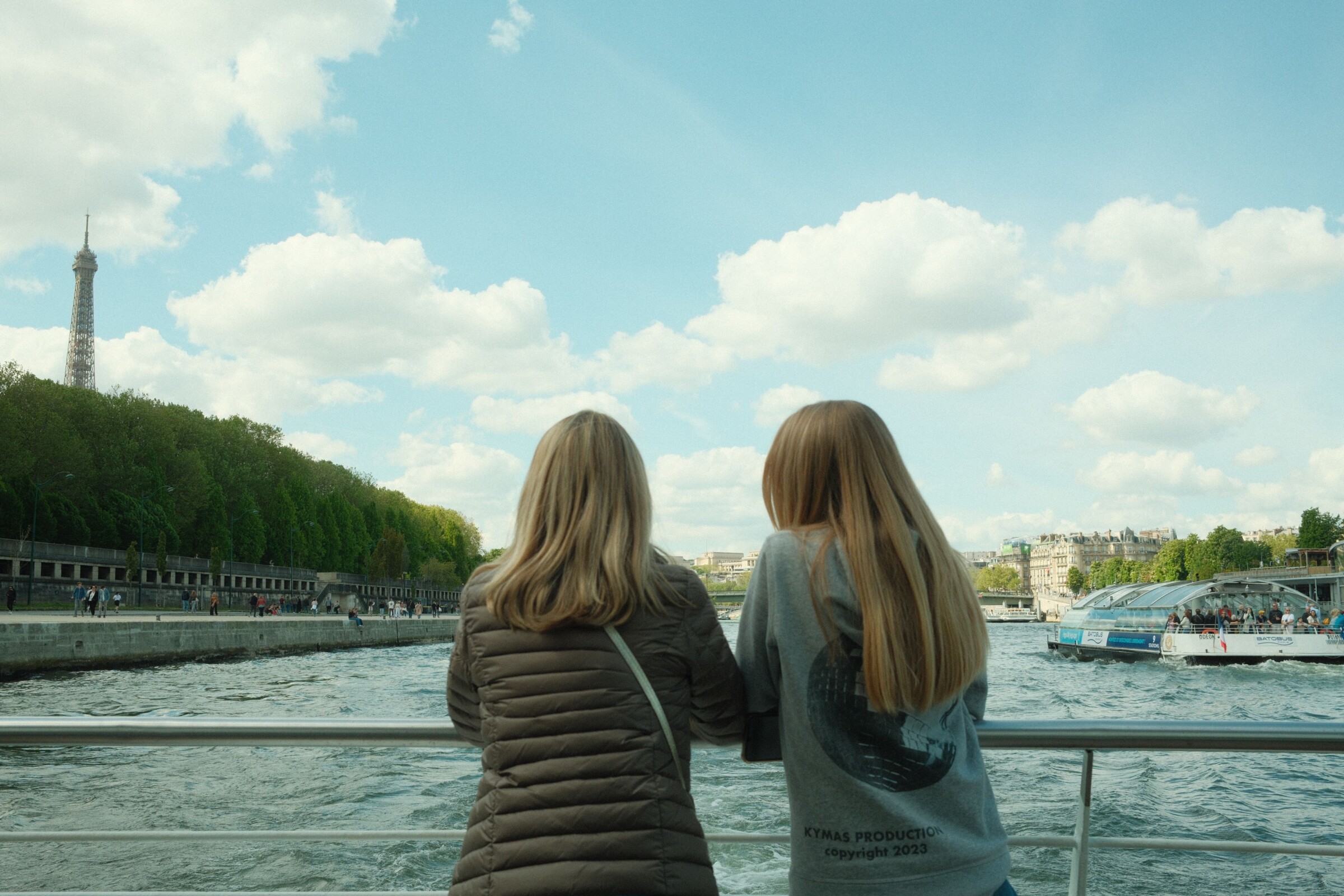
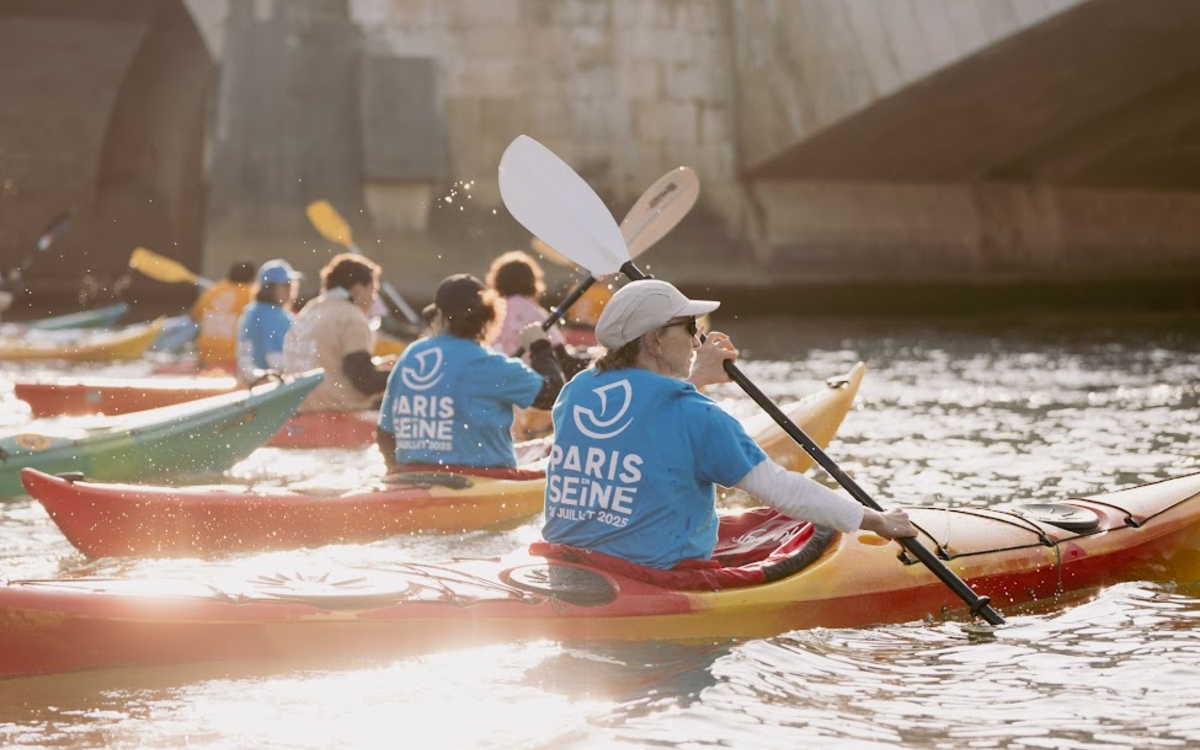
11:30 — One-hour Seine River cruise
Why visit: The river connects the city’s geography in a way no Metro map can. A one-hour sightseeing cruise reveals the Louvre, Musée d’Orsay, Notre-Dame and historic bridges with minimal walking.
- Allow: 75–90 minutes including boarding.
- Best photographs: the open deck as the boat passes Pont Alexandre III and Île de la Cité.
- Nearest Metro: Bir-Hakeim (Line 6) for Bateaux Parisiens at Port de la Bourdonnais.
- Best time: 11:30, before afternoon crowds.
- Insider tip: the official Bateaux Parisiens sightseeing cruise lasts about one hour and is displayed from €18. Reserve directly, arrive 20 minutes early and choose the open deck if weather allows.
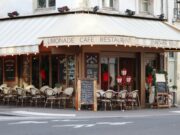
13:00 — Lunch with a French point of view
Why visit: Lunch should restore energy without turning into a three-hour interruption. Near the Eiffel Tower, choose a well-reviewed neighbourhood bistro such as Les Cocottes or a classic brasserie, and reserve a table for 13:00.
- Allow: 75 minutes.
- Best photographs: discreet table details and seasonal plates; avoid photographing neighbouring diners.
- Nearest Metro: École Militaire (Line 8) for Rue Saint-Dominique options.
- Best time: exactly at opening or with a confirmed reservation.
- Insider tip: ask for the formule déjeuner when offered. It is often better value than ordering à la carte.
14:30 — Champs-Élysées
Why visit: The avenue combines ceremonial Paris, flagship shopping and a direct view toward the Arc de Triomphe. The most interesting experience is not to walk every metre, but to explore the upper section from Franklin D. Roosevelt toward Étoile.
- Allow: 60–75 minutes.
- Best photographs: the avenue median at a safe crossing point, shopfront reflections and the Arc aligned at the western end.
- Nearest Metro: Franklin D. Roosevelt (Lines 1 and 9).
- Best time: mid-afternoon for shopping; blue hour for architecture.
- Insider tip: step into the quieter arcades and side streets rather than remaining on the busiest pavement.
16:00 — Arc de Triomphe
Why visit: The rooftop gives one of Paris’s clearest urban panoramas, with twelve avenues radiating from the monument. At ground level, the Tomb of the Unknown Soldier can be visited without buying a rooftop ticket.
- Allow: 60–75 minutes.
- Best photographs: the terrace facing the Champs-Élysées, La Défense and the Eiffel Tower.
- Nearest Metro: Charles de Gaulle–Étoile (Lines 1, 2 and 6; RER A).
- Best time: late afternoon; Wednesday individual admission is currently displayed at €16 versus the standard €22.
- Insider tip: use the underground passage—never cross the roundabout. The climb has 284 steps, and last admission is 45 minutes before closing.
18:00 — Early dinner or a long café pause
Why visit: After the Arc, slow down. Choose a traditional brasserie near Place des Ternes or return toward the 7th arrondissement for an early dinner. A café terrace also works if you prefer a later meal after the Tower lights.
- Allow: 90 minutes.
- Best photographs: evening street life rather than staged interiors.
- Nearest Metro: Ternes (Line 2) or Étoile.
- Best time: 18:00 for easier seating.
- Insider tip: reserve any celebrated address. For a flexible alternative, order a main course and dessert in a dependable brasserie.
21:00 — Eiffel Tower sparkling lights
Why visit: The illuminated Tower is the emotional finale to Day 1. After nightfall, the sparkle usually runs for five minutes at the beginning of each hour; seasonal timing and special-event lighting can vary.
- Allow: 30–45 minutes.
- Best photographs: the Trocadéro esplanade, Pont de Bir-Hakeim or the Champ-de-Mars axis.
- Nearest Metro: Trocadéro or Bir-Hakeim.
- Best time: arrive 15 minutes before the first post-sunset sparkle.
- Insider tip: keep phones and valuables secure in dense crowds and check the official lighting schedule on the day.
Day 2: Masterpieces, islands and Montmartre
08:30 — Arrive for the Louvre Museum
Why visit: The Louvre is not a checklist; it is a palace containing centuries of art. Choose a focused route—Mona Lisa, Winged Victory, Venus de Milo and one personal-interest gallery—rather than attempting the entire museum.
- Allow: three hours.
- Best photographs: the Cour Napoléon pyramid before opening and the symmetry from the Cour Carrée.
- Nearest Metro: Palais Royal–Musée du Louvre (Lines 1 and 7).
- Best time: arrive by 08:30 for a 09:00 timed entry.
- Insider tip: the Louvre is closed Tuesdays. In summer 2026 reservations are compulsory for almost all visitors from 1 July to 31 August. Book at ticket.louvre.fr; current admission is €22 for eligible EEA visitors and €32 for non-EEA visitors.
12:00 — Palais Royal and the Colonnes de Buren
Why visit: Five minutes from the Louvre, Palais Royal changes the mood from monumental crowds to arcades, gardens and contemporary black-and-white columns.
- Allow: 45–60 minutes.
- Best photographs: the Colonnes de Buren, the central garden axis and the covered arcades.
- Nearest Metro: Palais Royal–Musée du Louvre (Lines 1 and 7).
- Best time: noon, after the Louvre rush and before lunch.
- Insider tip: walk quietly through Galerie Vivienne afterward if time permits; it is one of the area’s elegant hidden passages.
13:30 — Lunch around Saint-Germain or Île Saint-Louis
Why visit: Moving east now prevents backtracking. Choose a traditional café around Saint-Germain-des-Prés or a small restaurant near Île Saint-Louis, then continue on foot to Notre-Dame.
- Allow: 75 minutes.
- Best photographs: café façades, bookstalls along the Seine and the island’s narrow streets.
- Nearest Metro: Saint-Germain-des-Prés (Line 4) or Pont Marie (Line 7).
- Best time: reserve for 13:30.
- Insider tip: Café de Flore and Les Deux Magots are historic but busy; smaller neighbouring cafés offer more local rhythm.
15:00 — Notre-Dame Cathedral
Why visit: Reopened after its restoration, Notre-Dame is again a living cathedral as well as a defining work of Gothic architecture. Individual admission is free.
- Allow: 60 minutes including possible queues.
- Best photographs: the parvis, Square Jean-XXIII when accessible and Pont de la Tournelle for an island view.
- Nearest Metro: Cité (Line 4) or Saint-Michel–Notre-Dame (RER B and C).
- Best time: mid-afternoon, outside service peaks.
- Insider tip: a free reservation may be offered on the cathedral’s official site depending on demand. Dress respectfully, keep silence and never pay a third party for ordinary cathedral entry.
16:30 — Latin Quarter
Why visit: The Latin Quarter layers Roman history, university life, bookshops and compact medieval streets. It supplies the unplanned Paris moment this itinerary needs.
- Allow: 75 minutes.
- Best photographs: Rue de la Huchette early in the walk, the Sorbonne surroundings and the Panthéon axis from Rue Soufflot.
- Nearest Metro: Cluny–La Sorbonne (Line 10) or Maubert–Mutualité (Line 10).
- Best time: late afternoon.
- Insider tip: leave the restaurant-heavy main lanes for Rue Mouffetard, Place de la Contrescarpe or the Jardin des Plantes edge if energy allows.
18:00 — Montmartre village walk
Why visit: Montmartre is more rewarding as a sequence than a single viewpoint: Abbesses, the Wall of Love, Rue Lepic, artists’ streets, the vineyard edge and finally Sacré-Cœur.
- Allow: 90 minutes before the basilica.
- Best photographs: Abbesses, La Maison Rose from a respectful distance, Rue de l’Abreuvoir and the quieter lanes behind Place du Tertre.
- Nearest Metro: Abbesses (Line 12) for the scenic ascent; Anvers (Line 2) for direct access.
- Best time: early evening when day crowds begin to thin.
- Insider tip: Montmartre is steep and cobbled. Use the funicular with a valid Metro ticket if needed, but walk down through the residential lanes.
19:30 — Sacré-Cœur at sunset
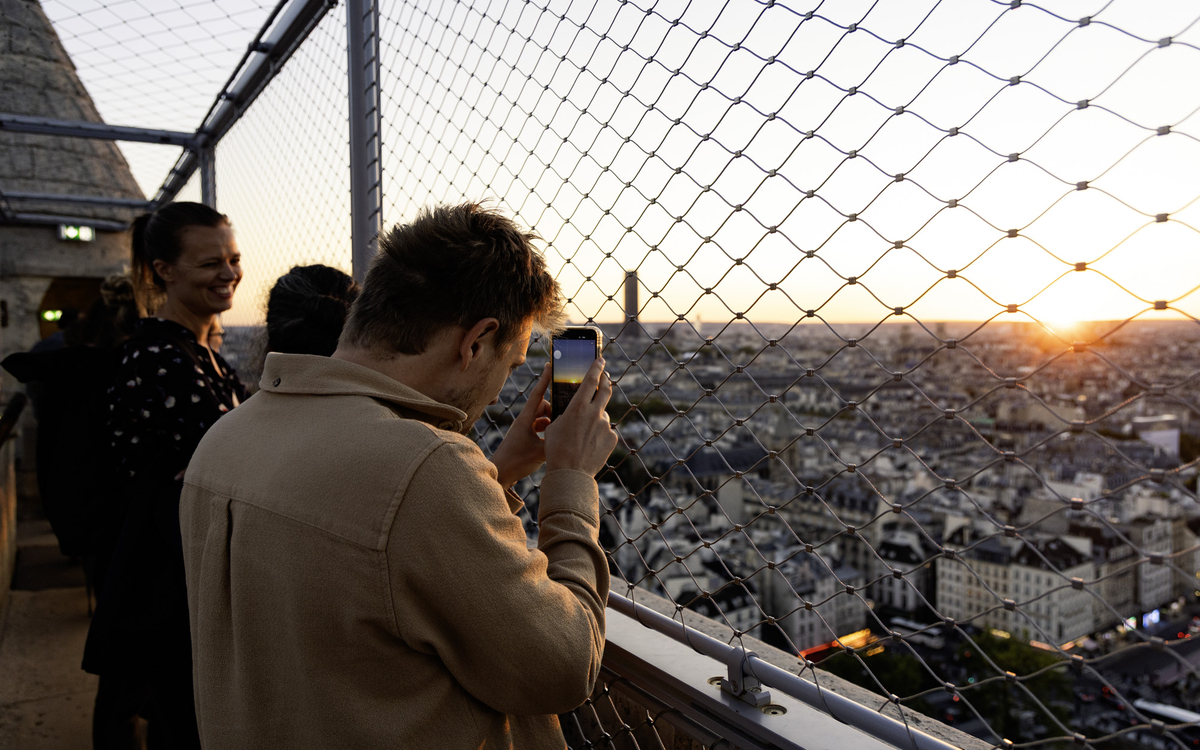
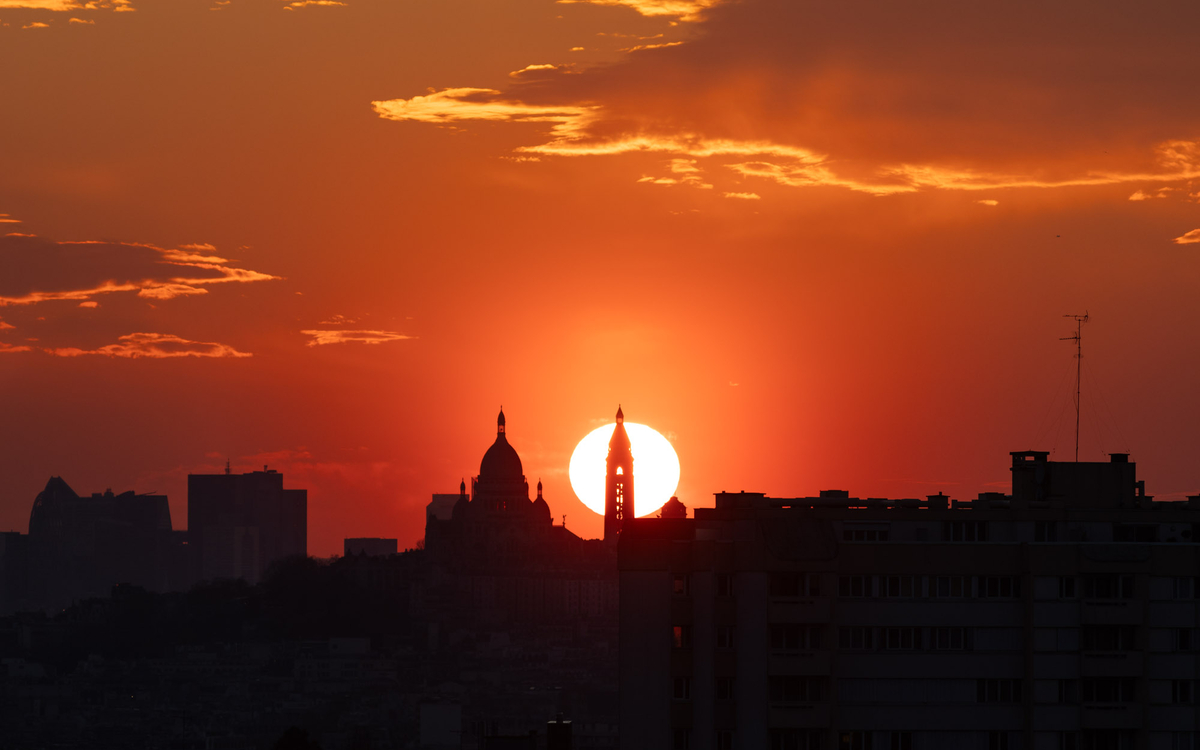
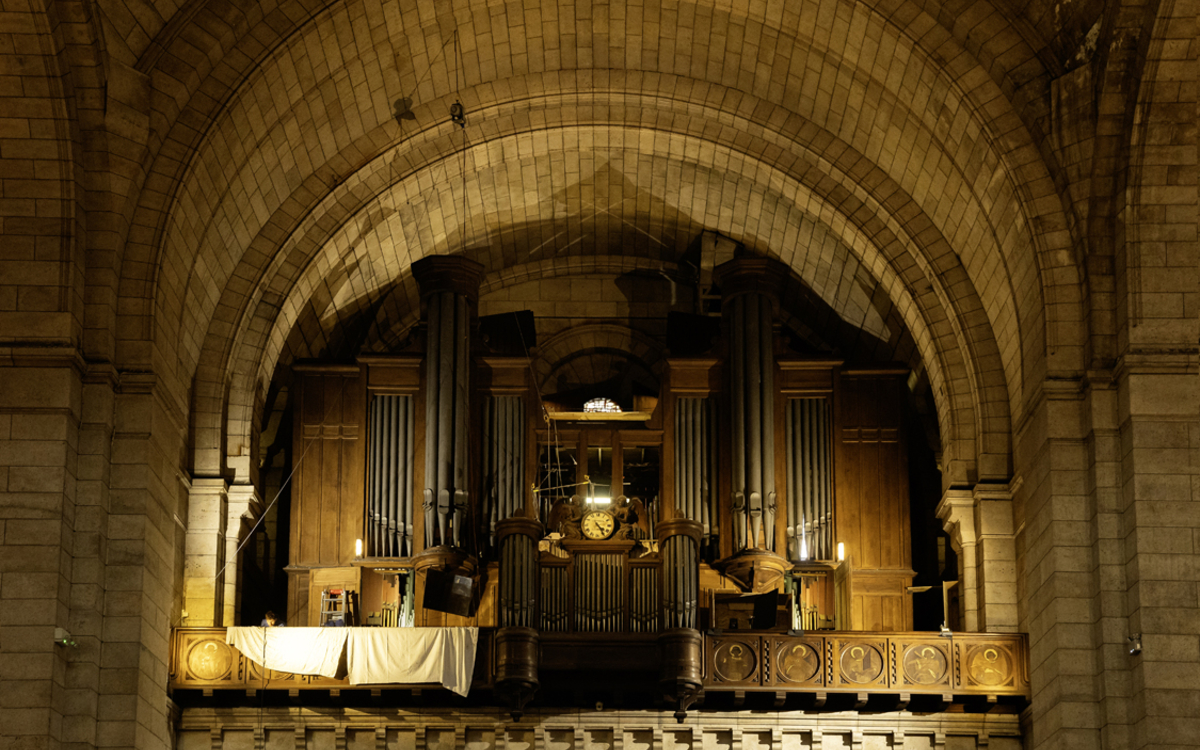
Why visit: From its hilltop position, the basilica terrace opens one of the city’s broadest free panoramas. The basilica itself is open daily and admission is free.
- Allow: 45–60 minutes.
- Best photographs: the lower steps, the city-facing balustrade and the basilica façade from Square Louise Michel.
- Nearest Metro: Anvers (Line 2) or Abbesses (Line 12).
- Best time: 30–45 minutes before sunset.
- Insider tip: official 2026 information lists the basilica from 06:30 to 22:30. The dome has nearly 300 steps and no lift; its seasonal hours can change, so verify before planning a climb.
21:00 — Panoramic dinner above Paris
Why visit: Finish the two days by seeing the city as a whole. Edmond, on the seventh floor of the Terrass’’ Hotel, offers a panoramic setting close to Montmartre, making it a practical finale rather than another cross-city transfer.
- Allow: 90–120 minutes.
- Best photographs: the skyline from the terrace, without flash and without disturbing other guests.
- Nearest Metro: Blanche (Line 2) or Place de Clichy (Lines 2 and 13).
- Best time: reserve 21:00 and request a view when booking.
- Insider tip: panoramic tables are not guaranteed. Confirm the current menu, dress code, terrace conditions and cancellation policy directly.
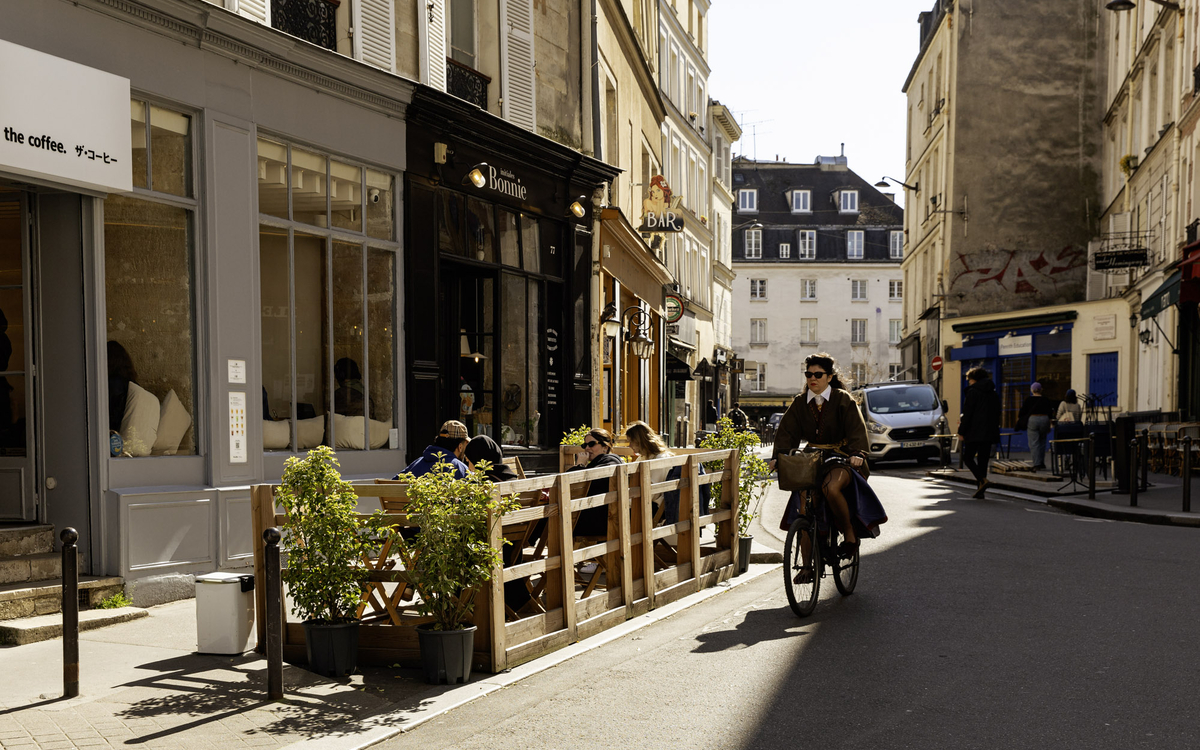
What will two days in Paris cost?
For one adult, excluding accommodation and shopping, a realistic 2026 estimate is:
- Careful budget: €140–€190 with free viewpoints, bakery meals, public transport and selected paid attractions.
- Comfortable mid-range: €260–€380 with Eiffel summit, Louvre, Seine cruise, bistro lunches and restaurant dinners.
- Premium: from €550, including fine dining, chauffeur time and flexible reservations.
A 2026 Navigo Jour pass is €12.30 for all zones but excludes airport travel. Paris Visite for two days is currently €45.40 for adults and includes airport zones. Travellers using fewer journeys may spend less with single tickets or Navigo Liberté+. Compare your exact route before buying.
Reservations and practical planning
- Reserve first: Louvre timed entry, Eiffel Tower ticket, Seine cruise and panoramic dinner.
- Walking: expect 7–10 kilometres each day. Metro transfers reduce fatigue, but cobbles and stairs remain.
- Security: carry the minimum and allow 20–30 minutes for screening at major attractions.
- Weather: keep a compact rain layer; cruises and rooftops feel cooler than street level.
- Accessibility: check each attraction directly. The Arc and Sacré-Cœur dome involve significant stairs; Eiffel summit access may not suit reduced mobility.
OUISTARS Travel Tip
When Paris must fit into two days, lost transfer time matters. Arranging airport pickup, hotel transfers and private sightseeing transportation in advance can preserve valuable hours and reduce unnecessary delays. OUISTARS offers airport meet-and-greet, hotel transfers and customised private tours of Paris with professional chauffeurs. A private itinerary is especially useful for families, travellers with luggage and guests who want door-to-door flexibility.
Frequently asked questions
Are two days enough for a first visit to Paris?
Two days are enough for the principal landmarks if timed attractions are reserved and the route is organised geographically. They are an introduction, not a complete visit.
Should I buy a Paris transport pass for two days?
It depends on journey count and airport plans. Compare Navigo Jour, Paris Visite, single tickets and Navigo Liberté+ using the official Île-de-France Mobilités prices.
Do I need to reserve the Louvre in summer 2026?
Yes. The Louvre states that reservations are compulsory for almost all visitors from 1 July to 31 August 2026.
Is Notre-Dame free to visit?
Ordinary individual cathedral entry is free. A free timed reservation may be available depending on demand.
Where is the best Eiffel Tower photo spot?
Trocadéro offers the classic full-tower view. Avenue de Camoëns and Pont de Bir-Hakeim provide distinctive alternatives.
Official planning sources
Eiffel Tower · Louvre Museum · Notre-Dame · Arc de Triomphe · Bateaux Parisiens · Île-de-France Mobilités · Sacré-Cœur.
Continue planning with OUISTARS: Paris landmarks guide, historic monuments, the best season to visit and private chauffeur travel in Paris.
OUISTARS travel planning: Travellers arranging a trip in France can review OUISTARS private chauffeur and luxury transportation services for airport meet-and-greet, hotel transfers and tailored journeys.