













There is no single “Middle Eastern area” of Paris, and Gulf travellers do not all want the same stay. A couple visiting fashion houses, a family needing several connecting rooms and a delegation with drivers require different bases. The useful question is not where people from a region usually stay, but which Paris geography protects your privacy, space, language, dining and movement.
Begin with requirements, not assumptions
Write a precise accommodation brief before choosing an arrondissement. Include adults and children by age, exact bed types, connecting or adjacent rooms, suites, kitchen or pantry needs, accessible features, arrival time, number of vehicles, luggage volume and the hours when room service matters. Add any request for an Arabic-speaking contact, prayer direction information, halal food handling, alcohol-free minibar, private dining or women-only wellness time.
These are requests to verify, not universal hotel standards. “Muslim-friendly,” “Arabic service” and “family suite” are used inconsistently online. Ask the property to confirm the exact arrangement, who will deliver it and whether it applies throughout the stay.
The Golden Triangle and Champs-Élysées
The 8th arrondissement, especially avenue Montaigne, George V, the Champs-Élysées and Faubourg Saint-Honoré, is the strongest choice when luxury shopping, established five-star service and west-Paris appointments dominate. Large hotels here may have deeper concierge, porter and security operations, plus entrances accustomed to chauffeured arrivals.
The advantages are proximity to fashion houses, formal hospitality and easy movement towards Arc de Triomphe and La Défense. The costs are traffic, crowds and often more expensive room inventory. Families should not assume a prestigious address means generous standard rooms. Ask for a floor plan and door configuration.
Choose it when: shopping and high-touch service lead the programme. Confirm: vehicle waiting, suite connections, private dining, Arabic-language coverage and security procedures.
Trocadéro and the 16th: space, calm and residential privacy
The 16th arrondissement can suit families and longer stays seeking a quieter residential rhythm, broad avenues and access to Trocadéro, the Seine and western Paris. It can feel more discreet than the busiest central tourist corridors, and some accommodation formats provide larger layouts.
The trade-off is distance from Le Marais, the eastern stations and some late-night dining. A chauffeur programme can make the geography comfortable, but travel time must be tested during real traffic hours. For an Eiffel outlook, remember that the exact room category controls the view; neighbourhood alone proves nothing.
Choose it when: privacy, family space and a calm return matter. Confirm: nearby dining, kitchen facilities, connecting rooms and the walking distance to transport.
Opéra, the 1st and Place Vendôme: central, practical, connected
Opéra is effective for mixed programmes because it combines department stores, central business, culture and strong public transport. The 1st arrondissement and Place Vendôme bring the Louvre, Tuileries and luxury retail within a compact central zone. These areas work for shorter stays and travellers who want Paris landmarks without committing only to the western axis.
Hotel buildings vary widely in scale. A historic boutique address may provide atmosphere but struggle with a large family room plan or multiple vehicles. A larger property may operate arrivals and luggage more smoothly. Our four-area Paris comparison explains the daily trade-offs.
Choose it when: shopping, museums and dispersed appointments all matter. Confirm: true walking times, lift size, late dining and coach or chauffeur access.
La Défense and the western gateway
For a corporate delegation, medical programme or meetings in the western business district, La Défense can be more efficient than postcard Paris. Hotels can offer modern layouts, larger meeting capacity and easier road access, while RER A and Métro line 1 connect the centre.
The district feels corporate after office hours, so plan dinners and leisure rather than expecting them outside the door. It can also serve as a split-stay base: operational nights near meetings, followed by central Paris for leisure.
Families: solve the room puzzle before the postcode
Paris hotel rooms are often smaller than Gulf families expect. “Adjacent” does not mean “connecting,” a sofa bed may not suit an adult, and occupancy rules can prevent adding a child to a double room. Send ages, not just “two children,” and request a diagram showing which doors connect.
Compare a multi-room hotel plan with an aparthotel or serviced residence, considering housekeeping, reception, breakfast, kitchen, laundry, security and licence status. The official Paris tourism office recognises hotels, aparthotels and furnished accommodation as family options, including some communicating, triple and four-bed rooms. Our family hotel guide provides a full room-planning checklist.
Dining, prayer and cultural preferences
Do not rely on a single halal icon. Ask whether meat is certified, how kitchens prevent cross-contact, which meals can be served in-room and how late food is available. If a guest avoids alcohol, request minibar treatment and clarify sauces or welcome amenities. If prayer space or qibla information matters, ask how the hotel handles it. During Ramadan, confirm suhoor timing and delivery rather than assuming the regular breakfast operation can adapt.
Privacy also needs definition. It may mean a screened terrace, a private pool schedule, a spa treatment by a practitioner of a requested gender, or simply rooms clustered away from lifts. Specific language is respectful and operational.
Airport arrival is part of the hotel decision
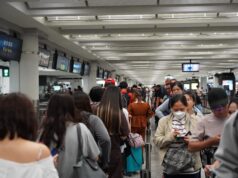
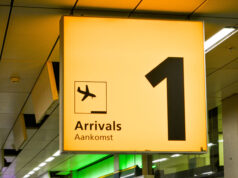
A long-haul family arrival can unravel between baggage reclaim and reception. Build the handoff: flight monitoring, meeting point, porter or trolley needs, child seats, vehicle count, luggage vehicle if required, hotel access and early-arrival plan. Our Paris airport transfer guide helps structure CDG, Orly and Le Bourget arrivals.
How oui stars can support the full stay
As a France-based travel, DMC and concierge partner, oui stars can assist Gulf and Middle Eastern individuals, families, groups and delegations with suitable hotel options by location, category, budget and room logic. The same plan can coordinate reservations, airport reception, Meet & Greet, private chauffeurs, luggage and group logistics, excursions and concierge support from arrival to departure.
No amenity, room connection, dietary process, language coverage, rate or availability should be treated as guaranteed until the hotel or responsible supplier confirms it in writing for the dates and guests concerned.
Frequently asked questions
What is the best Paris area for Gulf families?
The 8th suits luxury shopping and deep service; the 16th can provide calm and privacy; Opéra is highly connected. Room configuration and daily routes decide.
Do Paris hotels offer Arabic-speaking staff?
Some do, but coverage varies by shift and date. Request a named Arabic-speaking contact or confirmed availability.
Can hotels guarantee halal food?
Only the hotel can confirm sourcing and preparation. Ask about certification, cross-contact and room-service hours.
Are connecting rooms common in Paris?
They exist but are limited. Confirm door-to-door connection, room numbers or layout, occupancy and bedding in writing.
Is the 16th too far from central Paris?
It depends on the itinerary. It works well for Trocadéro and western Paris but adds time to eastern neighbourhoods.
Should a large family use one or two vehicles?
Decide by passengers, child seats and luggage, not passenger count alone. A separate luggage vehicle can protect comfort and safety.