











BUSINESS OF LUXURY | THE PRIVACY ECONOMY
The New Luxury Traveler: Why Privacy Has Become the Most Valuable Luxury in Travel
From private chauffeurs and VIP airport services to exclusive hotels and tailor-made experiences, luxury travel is no longer about spending more—it is about protecting time, comfort and privacy.
Luxury travellers are no longer asking for bigger hotel suites or more expensive restaurants.
They are asking one question:
“How can I avoid everyone else?”
Not because they dislike people, but because modern travel exposes them to queues, cameras, noise and too many decisions. For the new luxury traveller, privacy is control over each transition and each piece of personal information. Luxury travel privacy means moving through the world without friction—or an audience.
The Price of Being Unseen
The shift is visible in the 2026 Virtuoso Luxe Report. Privacy ranked third among ultraluxe experiences in a survey of more than 2,400 advisers worldwide. Moreover, 45 percent had seen ultraluxe requests increase.
Price alone does not explain demand. Phocuswright’s April 2026 research found safety and security non-negotiable for 45 percent of premium travellers. Privacy mattered to 38 percent of both millennials and Gen Z. Service, space and privacy made a premium journey feel worth its price.
This is not secrecy. It is freedom to arrive without spectacle, travel as a family and hold a business conversation securely. In a crowded destination, calm becomes scarce inventory.
Where the Private Journey Begins
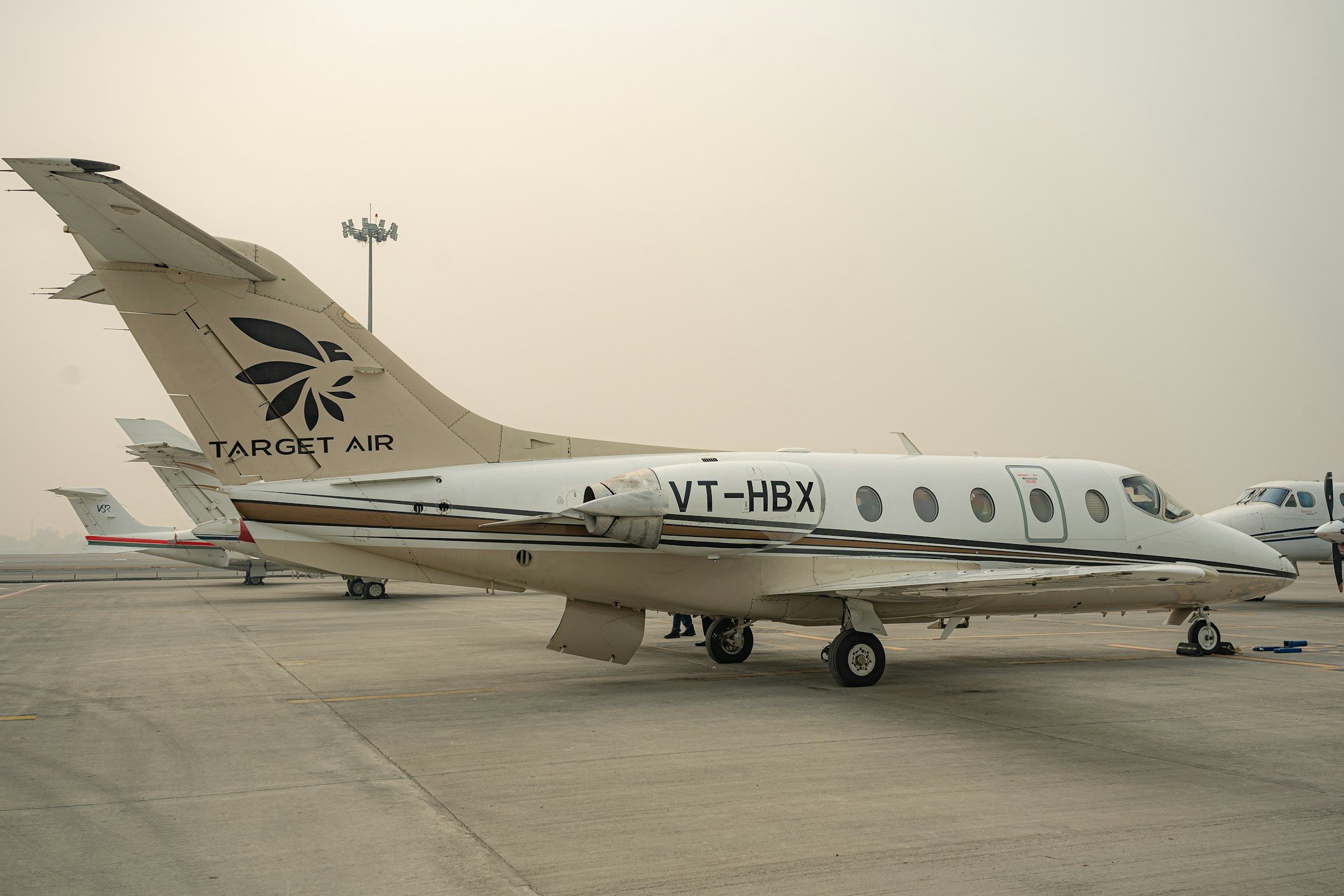
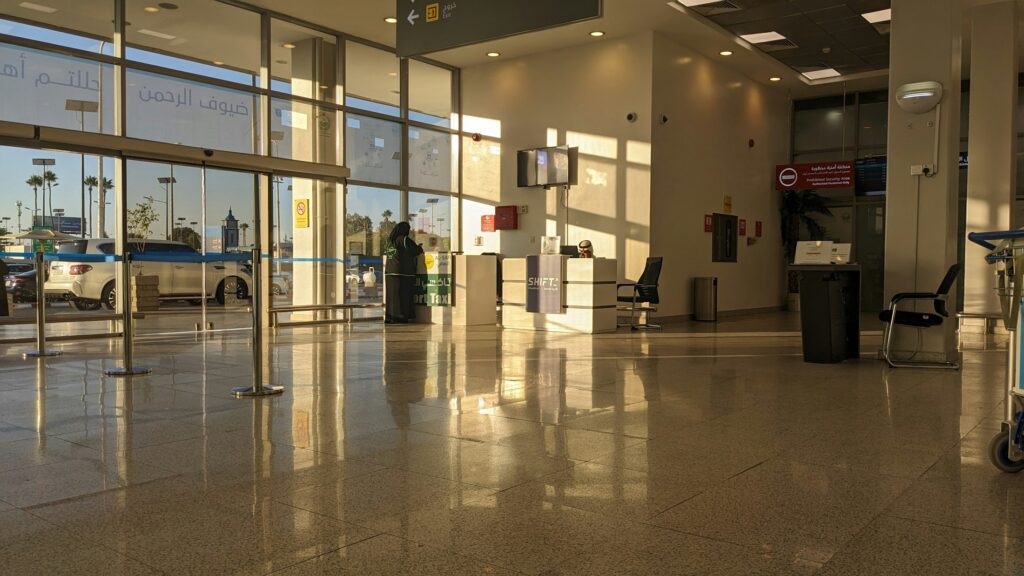
Airports reveal the new luxury hierarchy. VIP assistance and fast-track services can reduce uncertainty at security, immigration and baggage collection, subject to local rules. Private terminals separate formalities from the main passenger flow. Private aviation sells schedule control and access to smaller airports where possible.
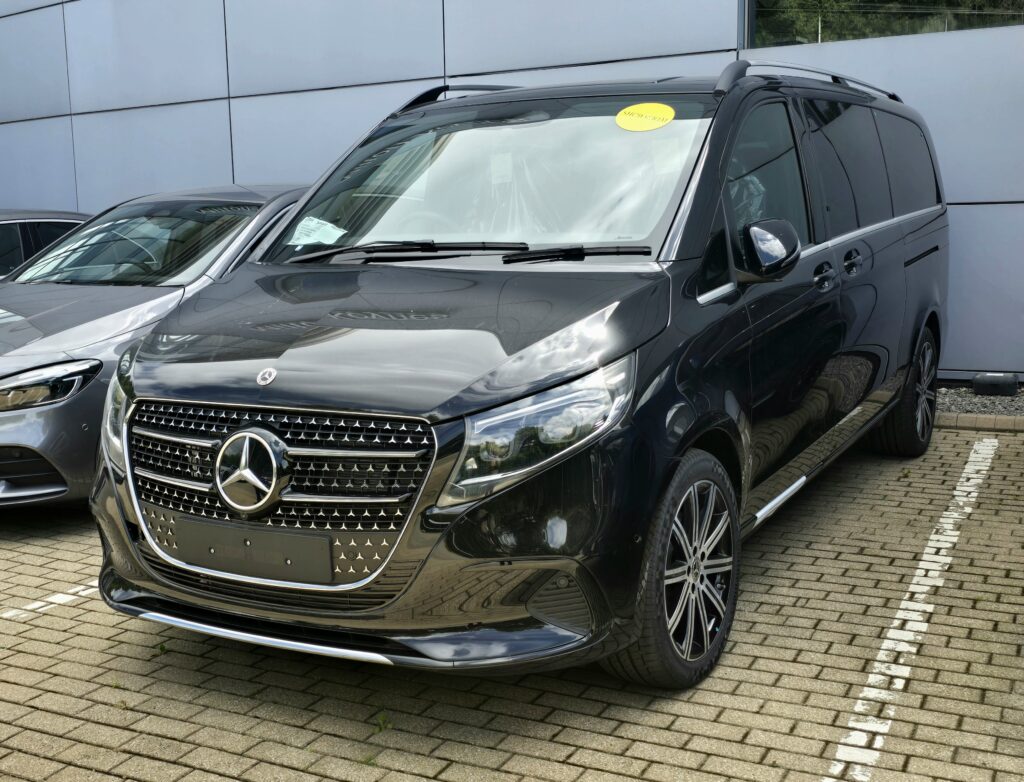
Yet privacy can disappear at the final handoff. A chauffeur monitoring the flight and coordinating luggage avoids another queue or public search for transport. This matters to families, elderly guests, celebrities and executives. Our account of a premium CDG airport arrival shows how operational details protect privacy beyond the terminal.
Why the Suite Is No Longer Enough
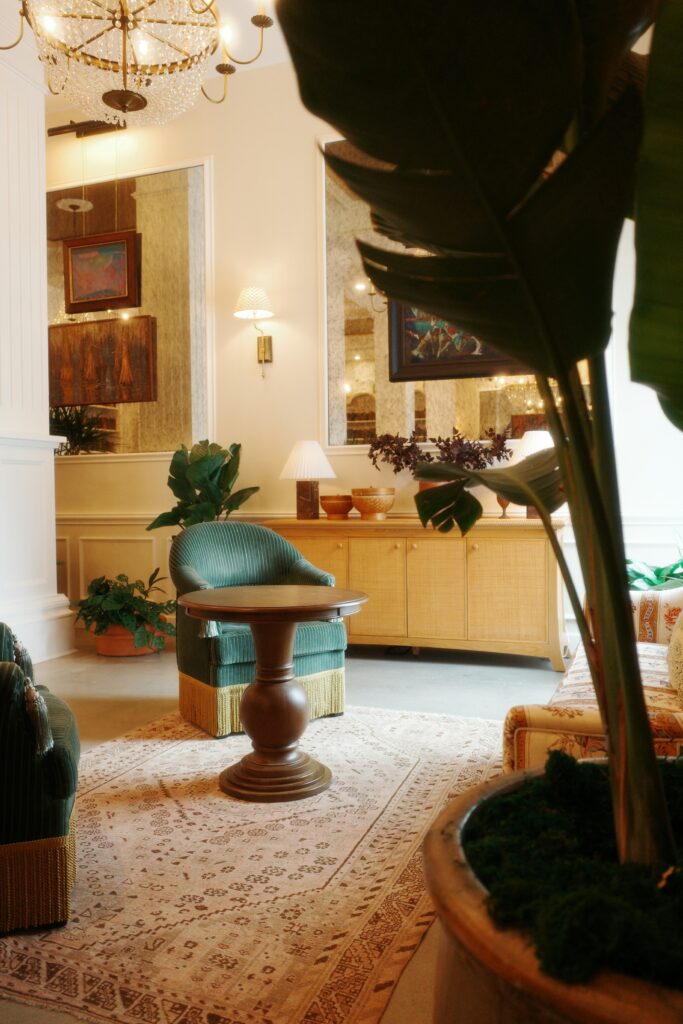
A magnificent room cannot compensate for a crowded lobby or an unauthorised photograph. Hotels are responding with discreet entrances, in-suite check-in, private dining, villas and staff who know when warmth should become restraint.
McKinsey’s study of more than 5,000 luxury travellers found that 35 percent of the market consisted of people worth $100,000 to $1 million. It also found that travellers under 60 generated 80 percent of luxury leisure spending. Multigenerational groups often prefer villas for space and privacy.
Scale creates tension. McKinsey reported that 70 percent of luxury hotels were independent, while chains and franchises represented 78 percent of the pipeline. Villas beside full-service resorts offer one answer: private space supported by hotel infrastructure.
Private Aviation Sells Schedule Control
The private jet remains the clearest symbol of separation, but its functional appeal is time. It can connect smaller airports, limit transfers and provide a controlled cabin. McKinsey identified remote destinations reached through private airports or helipads as part of the ultra-high-net-worth profile.
However, privacy is not one transport mode. Private aviation raises cost, capacity and environmental questions. A premium commercial arrival, protected transfer and private villa may achieve the goal with fewer resources. The profitable skill is diagnosing the need, not selling the costliest component.
The DMC as Privacy Architect
Privacy is an end-to-end promise that often fails at handoffs. A DMC can coordinate hotels, guides, security, vehicles and contingencies through one plan. Bespoke itineraries reduce exposure and waiting; rare reservations are secondary.
Data discipline matters too. Passport details, family names and hotel locations should reach only those who need them. Celebrity and executive travel requires discreet manifests and clear escalation. Personalisation without restraint is a vulnerability.
The Business Opportunity: Sell Protected Time
Hotels should design invisible service
Map the journey from kerb to room. Offer discreet arrival routes, flexible housekeeping, secure luggage handling and private dining. Never announce names or publish guest presence.
Agencies and DMCs should price orchestration
Service fees should reflect supplier coordination, verification, after-hours support and privacy protocols. Technology can organise preferences, but a named professional must remain accountable.
Transport companies should standardise discretion
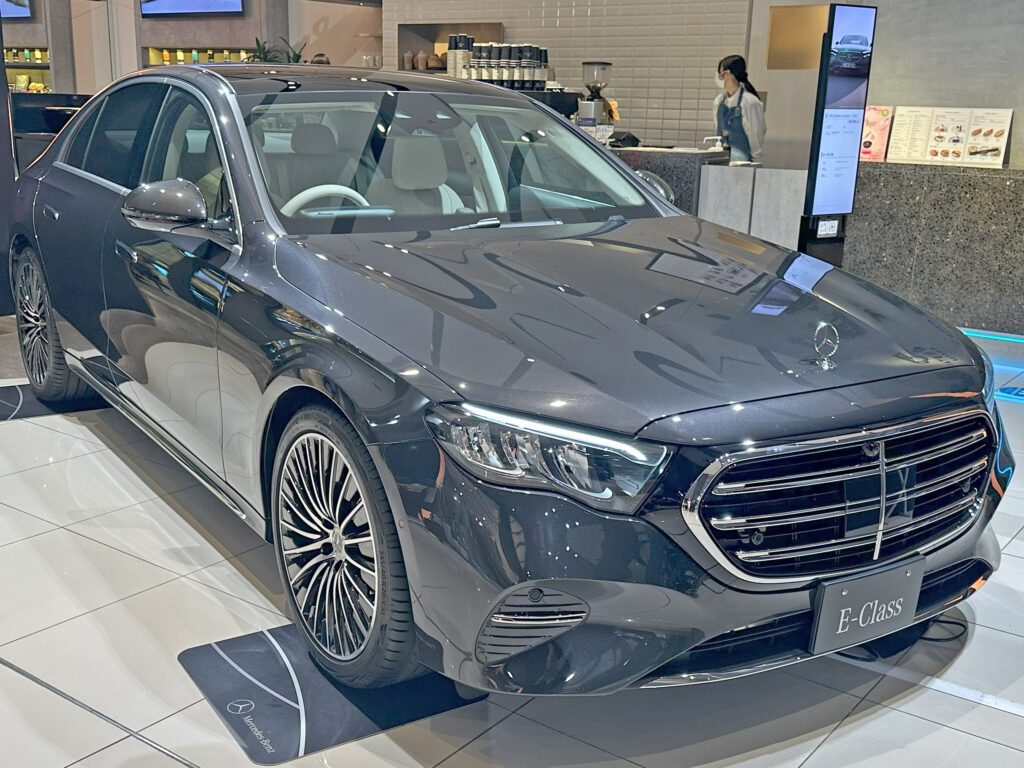
A premium vehicle is only the beginning. Training, confidentiality, punctuality, child seats, luggage planning and dispatch matter. The demands become clearer when several cars move together, as our feature on chauffeur fleets for major Paris events demonstrates.
Luxury brands should stop oversharing
Some guests welcome recognition; others consider it exposure. Consent must govern photography and marketing. Businesses will lose trust when they confuse “VIP” with visible theatre.
France as a Luxury Privacy Case Study
France concentrates the challenge: global airports, celebrated hotels, fashion events, crowded monuments and quiet countryside often appear in one itinerary. Private travel lets visitors move between those worlds on their own terms. The growth of the private-tour model in Paris, the logistics behind Paris Fashion Week travel and tailored journeys to Normandy all belong to the same privacy economy.
Here, oui stars is one example: a DMC and luxury mobility company coordinating tailored travel across Paris, Nice, Normandy and France. Its private airport transfers, chauffeur services and business travel coordination control time and handoffs rather than display status.
What Luxury Travel Companies Should Do Now
Audit public waiting points. Record privacy preferences with consent. Create one accountable contact across suppliers. Price time saved and disruption managed. The new traveller may want recognition without attention and personalisation without surveillance.
Privacy will not replace beautiful hotels or ambitious journeys. It is the architecture that lets them be enjoyed. In 2026, successful brands will understand a quiet truth: the highest-spending guest may simply want to be seen less.
Frequently Asked Questions
Why is privacy becoming important in luxury travel?
Luxury travel privacy gives travellers control over time, personal information, crowds and interruptions.
What services create a private luxury journey?
VIP airport assistance, private chauffeurs, villas, private dining and destination management reduce public handoffs.
Do luxury travellers always prefer private jets?
No. Premium commercial flights, private transfers and carefully timed itineraries can provide similar benefits.
How can hotels improve guest privacy?
Hotels can offer discreet arrivals, in-room check-in, private dining, villa accommodation, restrained data use and staff confidentiality training.
What is the business opportunity in luxury travel privacy?
Companies can earn premium margins by protecting time, coordinating suppliers and managing disruption without unnecessary exposure.










.jpg)