
















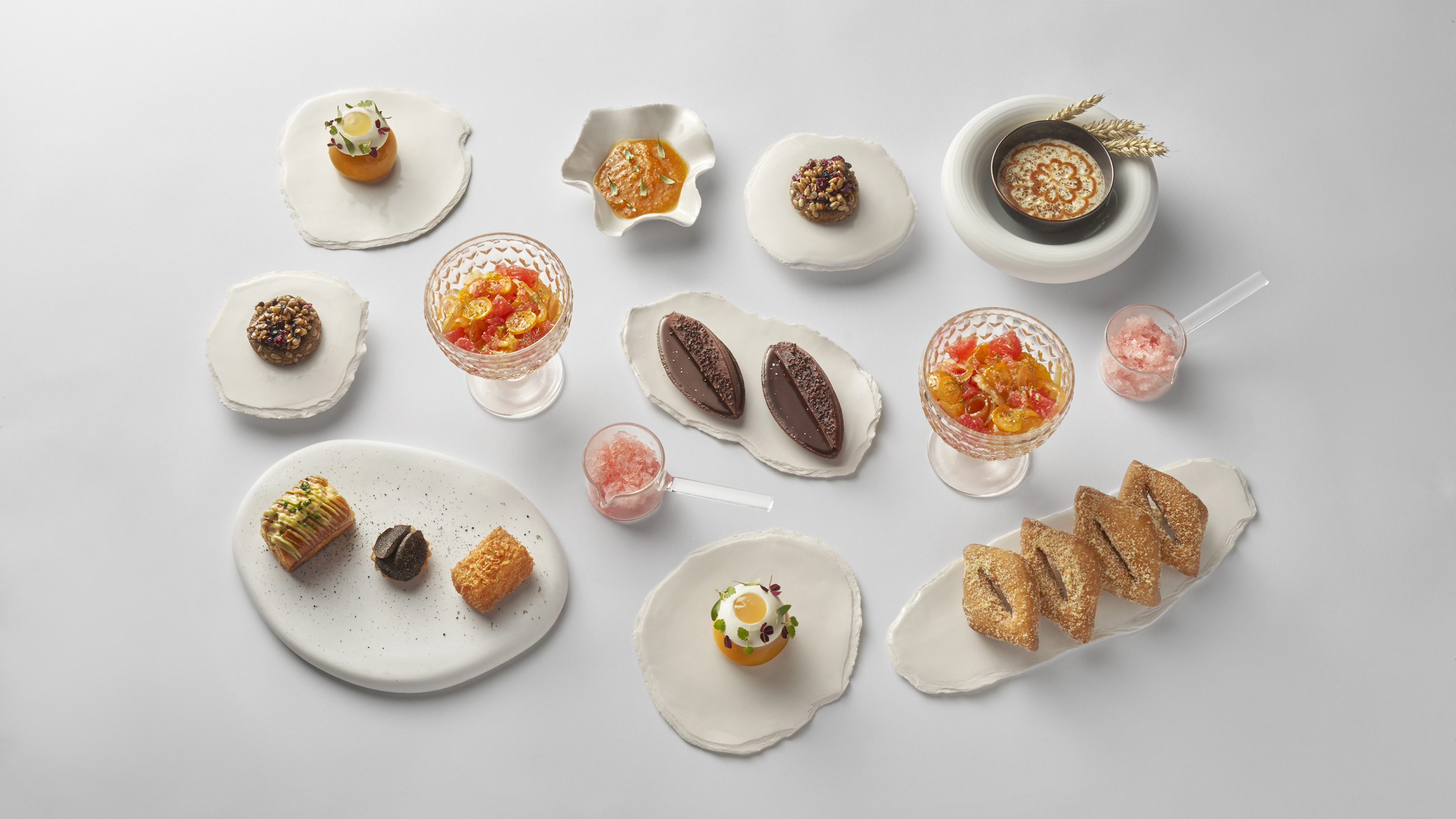
Paris tasting guide • French cuisine • Editor’s choice
On your first evening in Paris, a restaurant menu can feel like a beautifully written code: elegant names, sauces with hidden ingredients, and far too many desserts competing for your attention. This is not merely a list of famous French foods. It is a tasting journey—from the morning’s first buttery croissant to the final crack of a crème brûlée—so you can choose with confidence and enjoy the story behind every plate.
Paris can be remembered through flavor as vividly as through architecture. The aroma of butter escaping a neighborhood bakery, the clink of spoons in a busy café, and the bronzed cheese over onion soup all reveal something about French culture. In 2010, UNESCO inscribed the gastronomic meal of the French on the Representative List of the Intangible Cultural Heritage of Humanity—not as one recipe, but as a social ritual built around gathering, selecting good products, sequencing courses and talking around the table.
Scene one: Paris wakes up to butter and coffee
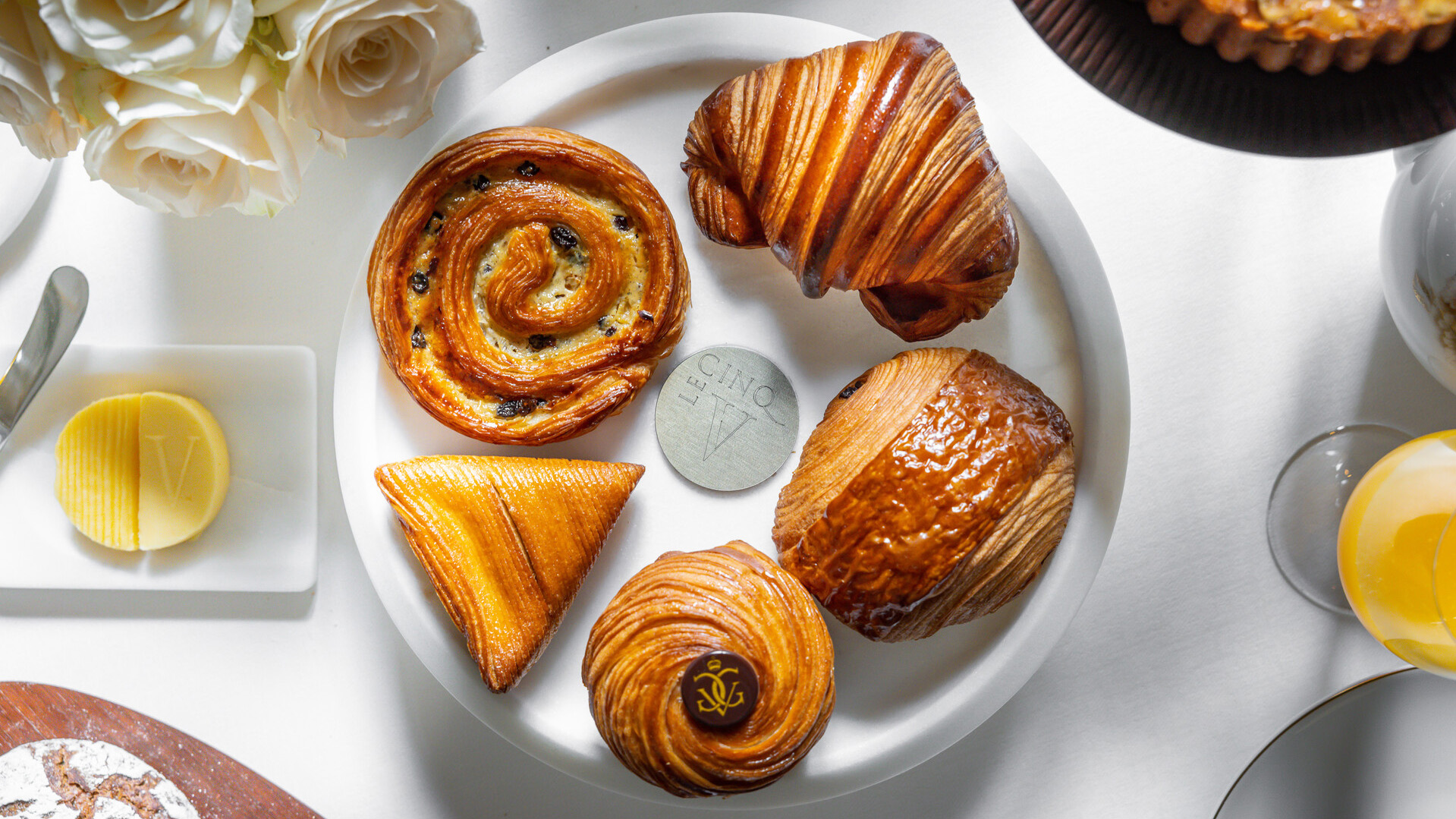
Start early. The classic Paris breakfast is compact: a butter croissant, coffee, perhaps a piece of baguette with butter and jam. A good croissant needs no decoration. Its thin crust breaks gently, the layers are visible, and the scent of butter arrives before the sugar.
At the bakery, look for croissant au beurre. Take it to a nearby bench or eat it slowly on the way to your first stop. The baguette tradition, meanwhile, is not merely a side dish. It belongs to the daily rhythm of the city and can become a simple lunch with cheese or a fresh sandwich.
How to read a French menu without getting lost
At lunchtime, look for a formule du jour or plat du jour. It is often the easiest way to taste what the kitchen does best without spending half the meal studying choices. In a traditional restaurant, allow time: the pace of the meal is part of the experience.
Classic French dishes worth a place at your table
1. French onion soup: bistro warmth in a bowl
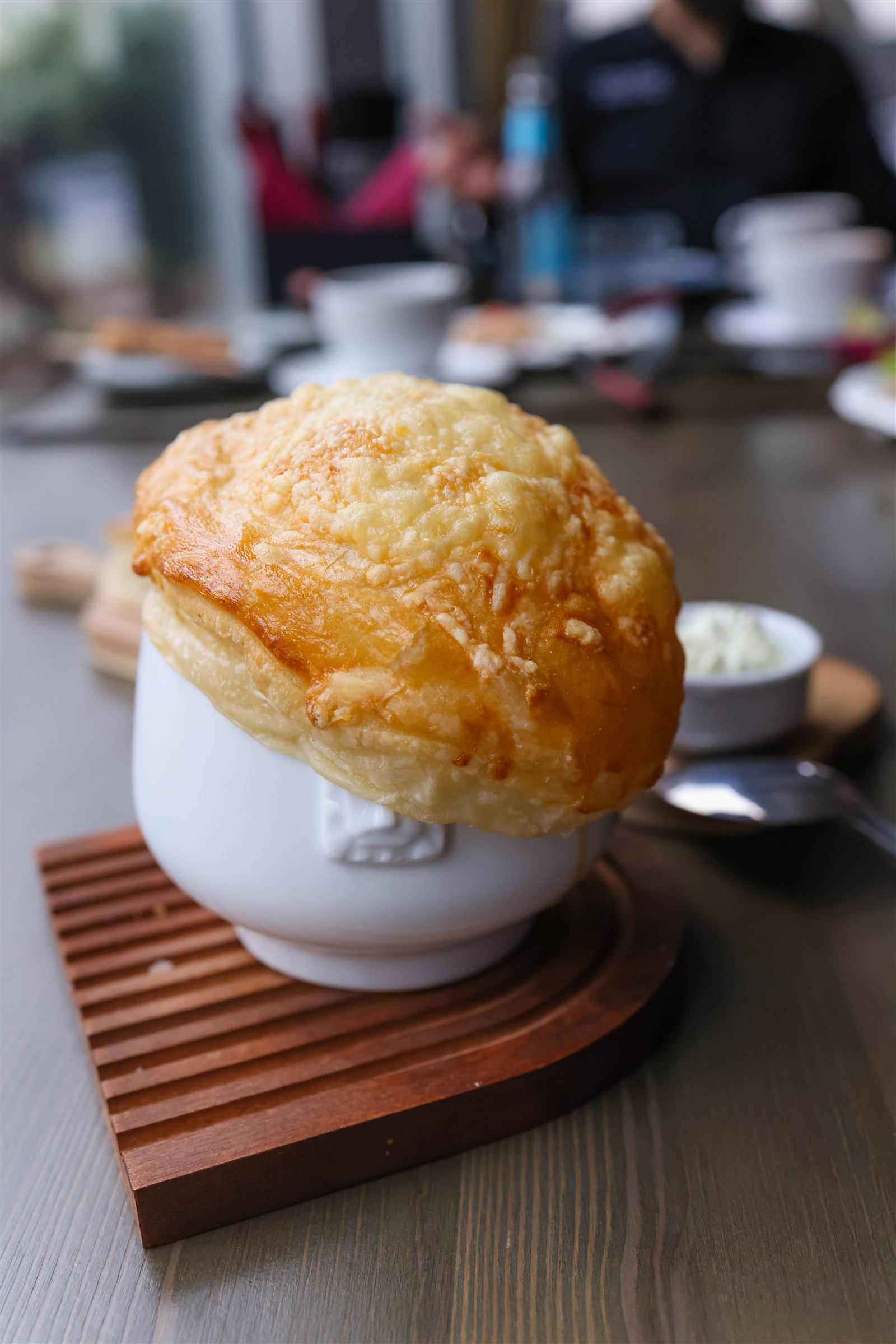
Soupe à l’oignon gratinée is made for a cold Paris evening: onions cooked slowly until sweet, a deeply flavored broth, bread and a bronzed layer of cheese. It is far more substantial than the word “soup” suggests. We chose it for this article’s cover because it expresses French cooking in one image—humble ingredients, patience and a luxurious result.
2. Steak-frites or gratin dauphinois
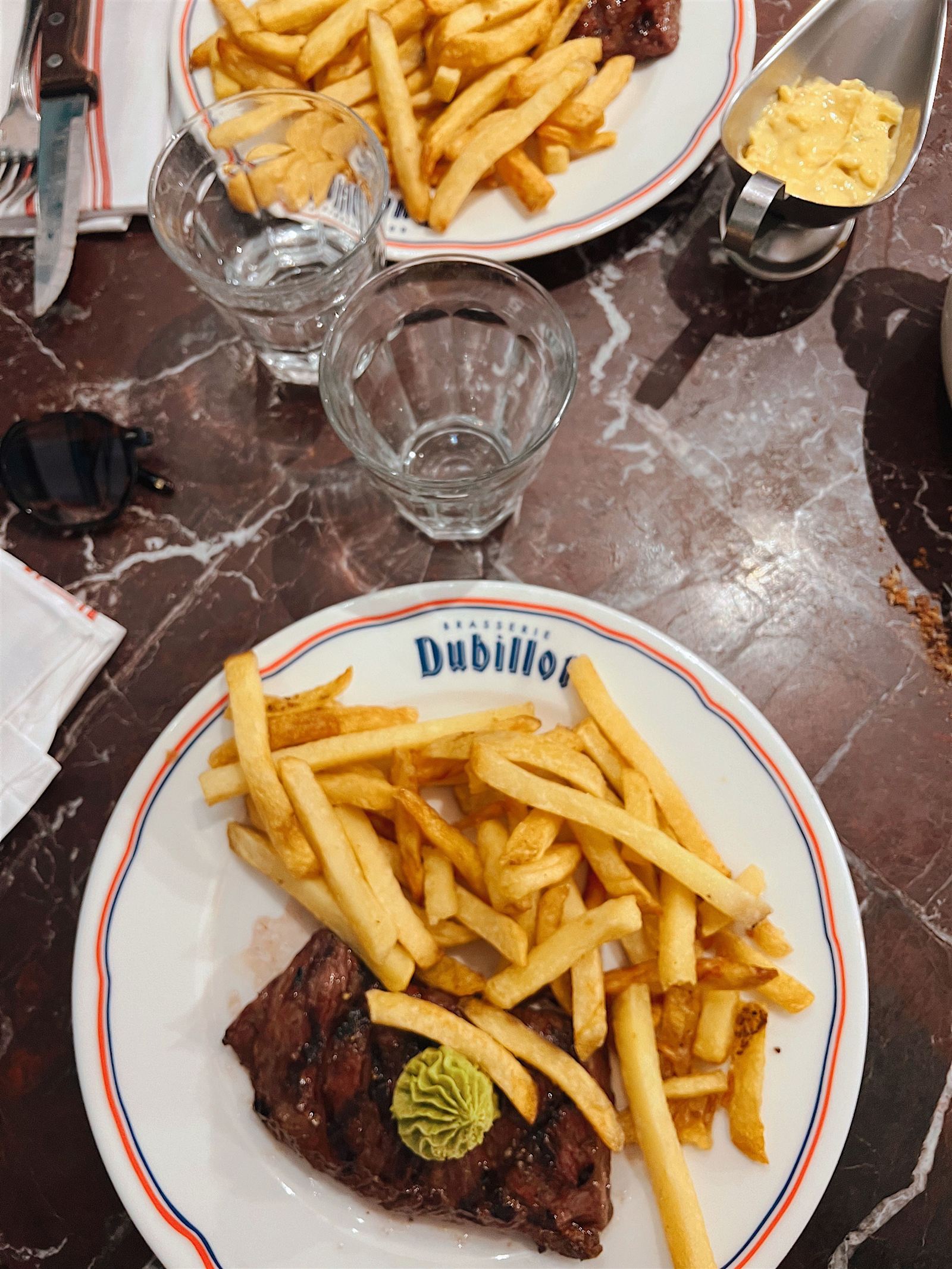
If you enjoy beef and want a straightforward first choice, order entrecôte-frites, or a steak with gratin dauphinois, thinly sliced potatoes slowly baked in cream. When asked about doneness, à point is roughly medium and bien cuit is well done. Never assume the sauce is alcohol-free; ask before ordering when that matters to you.
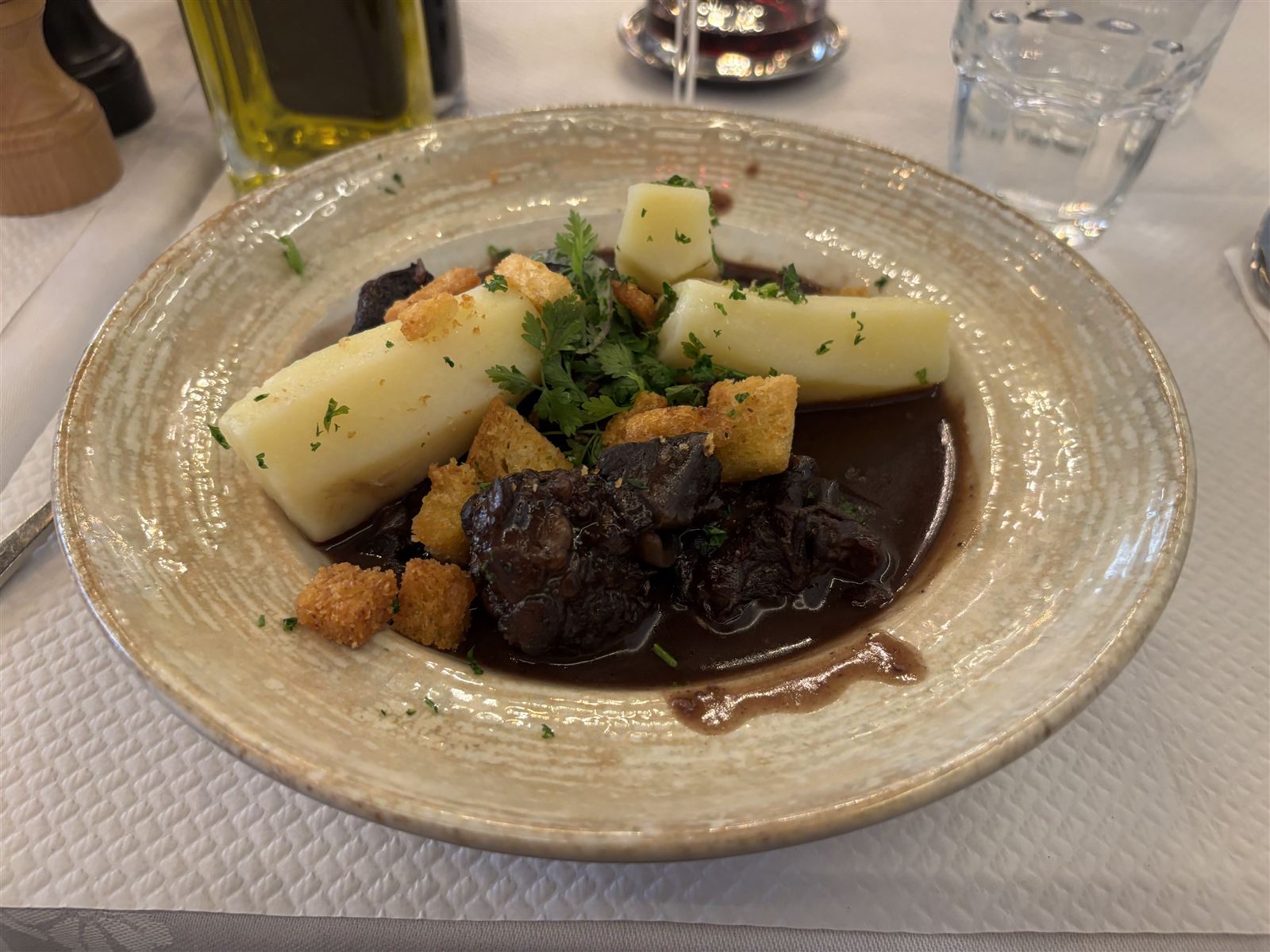
3. Boeuf bourguignon: a recipe that carries time
Bœuf bourguignon is beef slowly cooked with vegetables and herbs; the traditional recipe includes red wine. Its appeal lies in concentrated sauce and meltingly tender meat. If you avoid alcohol, request exact ingredients rather than assuming cooking removes the concern—the choice remains personal and religious.
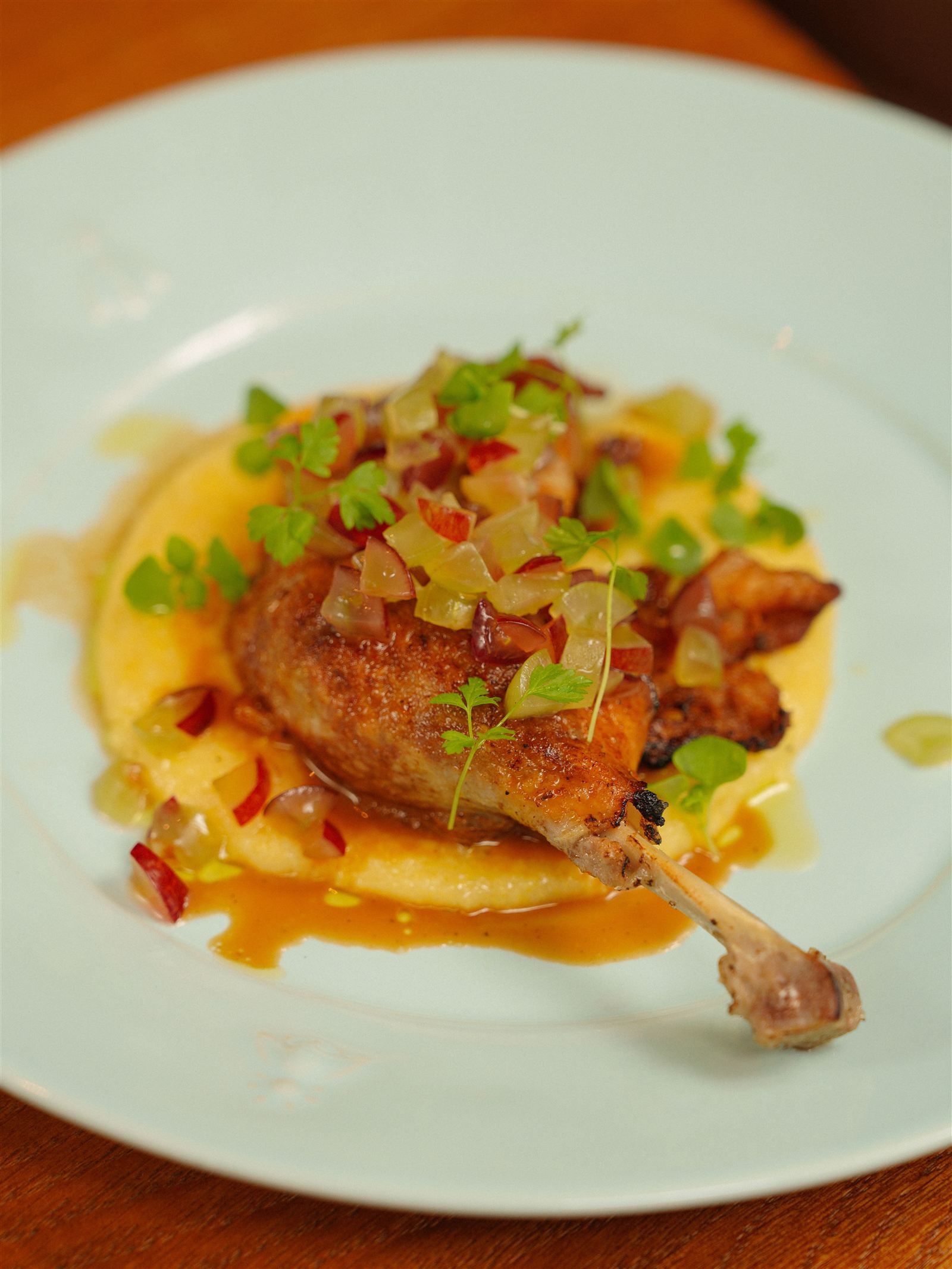
4. Duck confit: crisp outside, tender within
Confit de canard comes from southwestern France but is common in Parisian restaurants. A duck leg is cooked slowly in fat, then browned until the skin turns crisp. Usually served with potatoes or salad, it has a rich and unmistakable character.
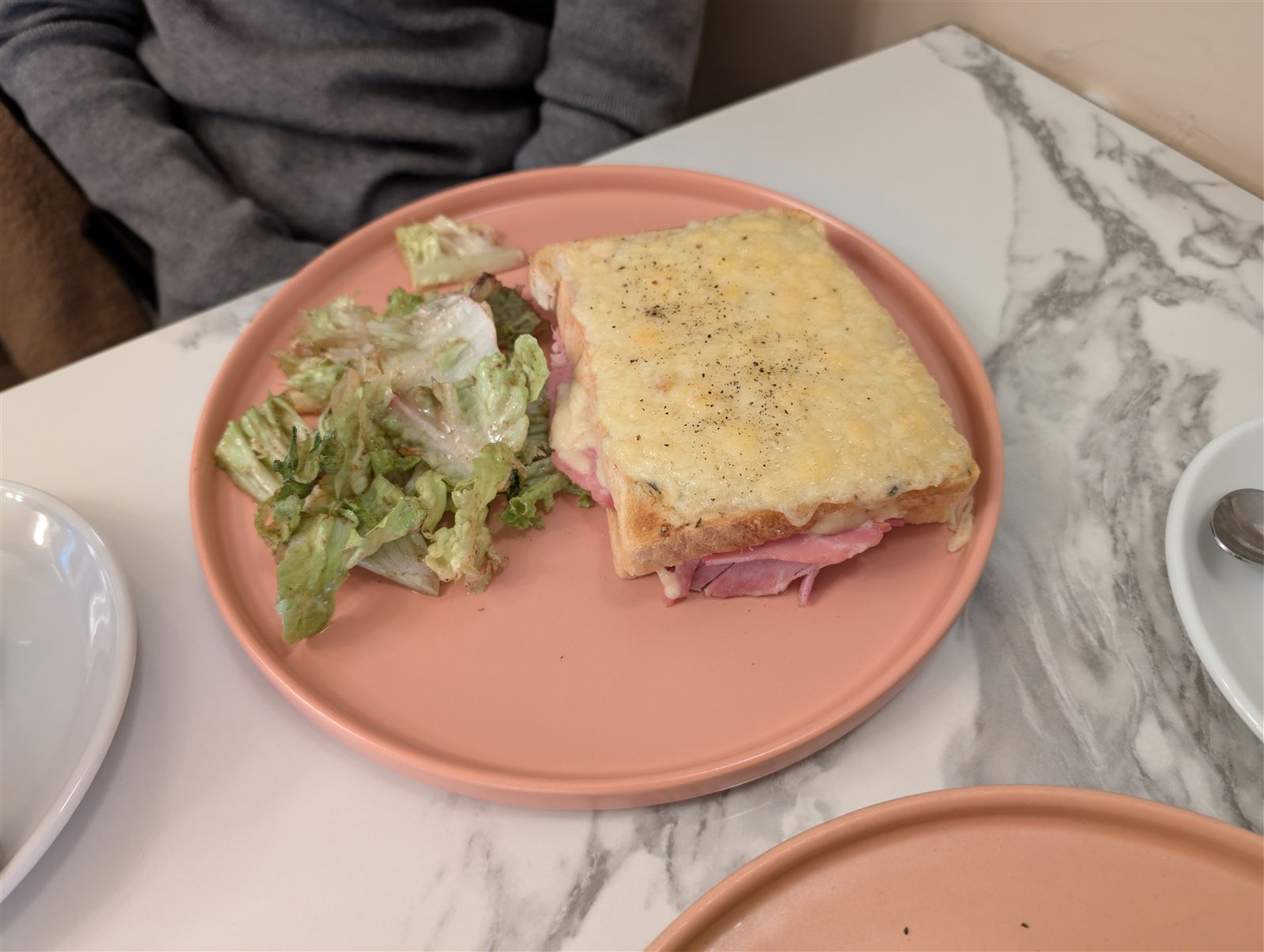
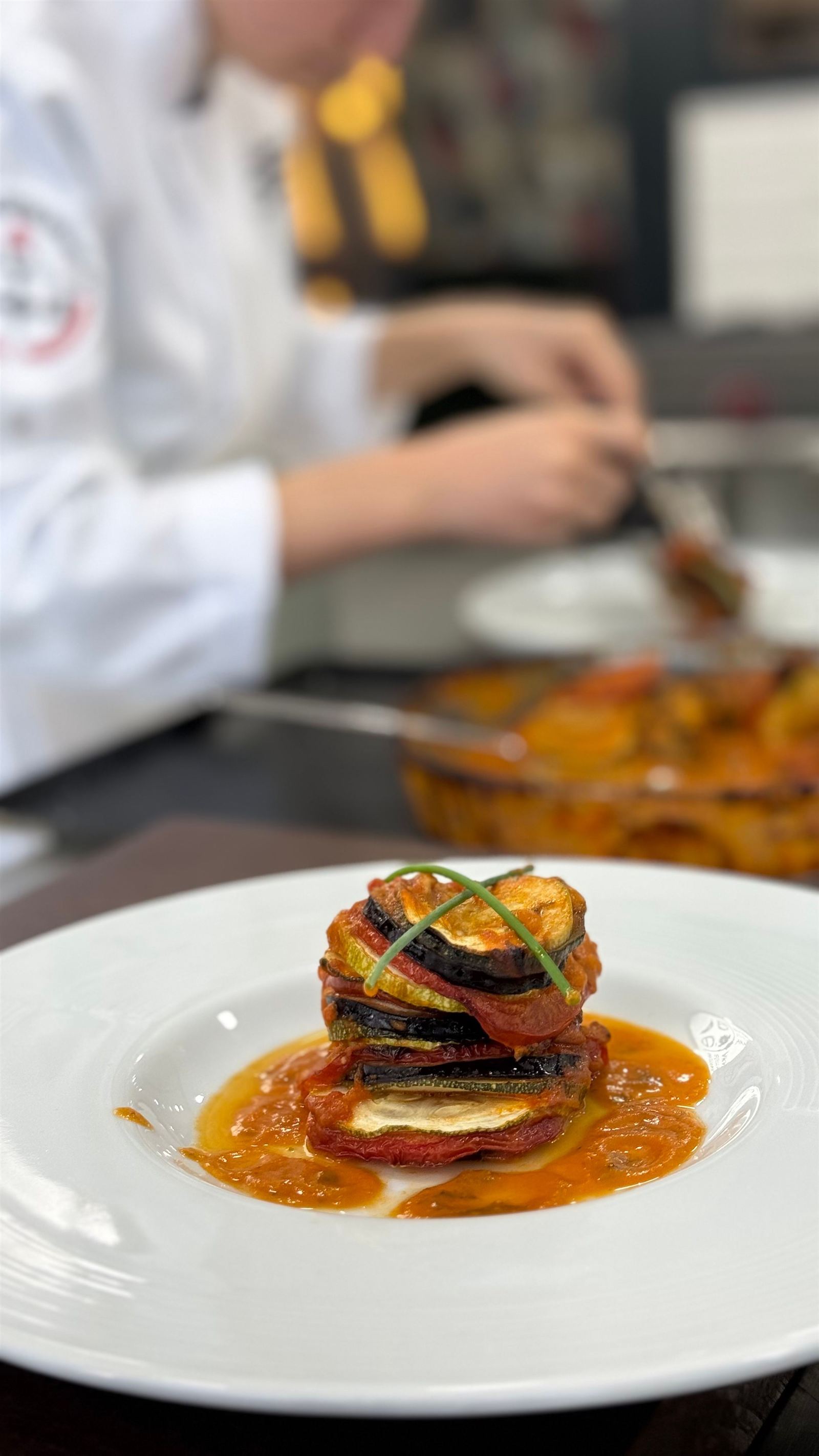
5. Croque-monsieur, ratatouille and quiche
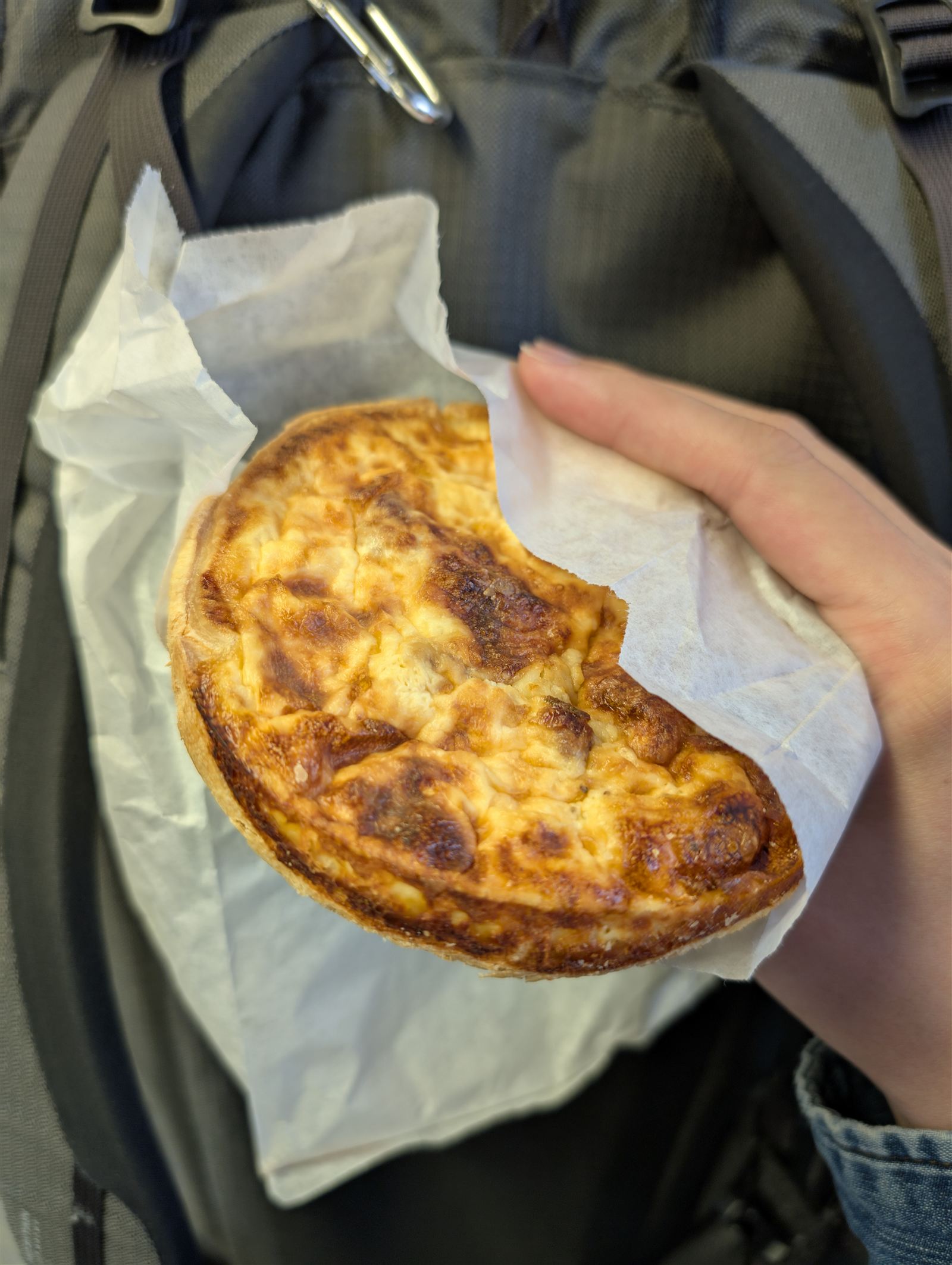
A croque-monsieur is a hot sandwich with cheese, béchamel and usually ham—often pork—so check the filling. Ratatouille is a Mediterranean vegetable stew, while quiche is a savory tart that may contain vegetables or cheese, but can also include meat or animal fat. Both can make lighter lunches when their ingredients suit you.
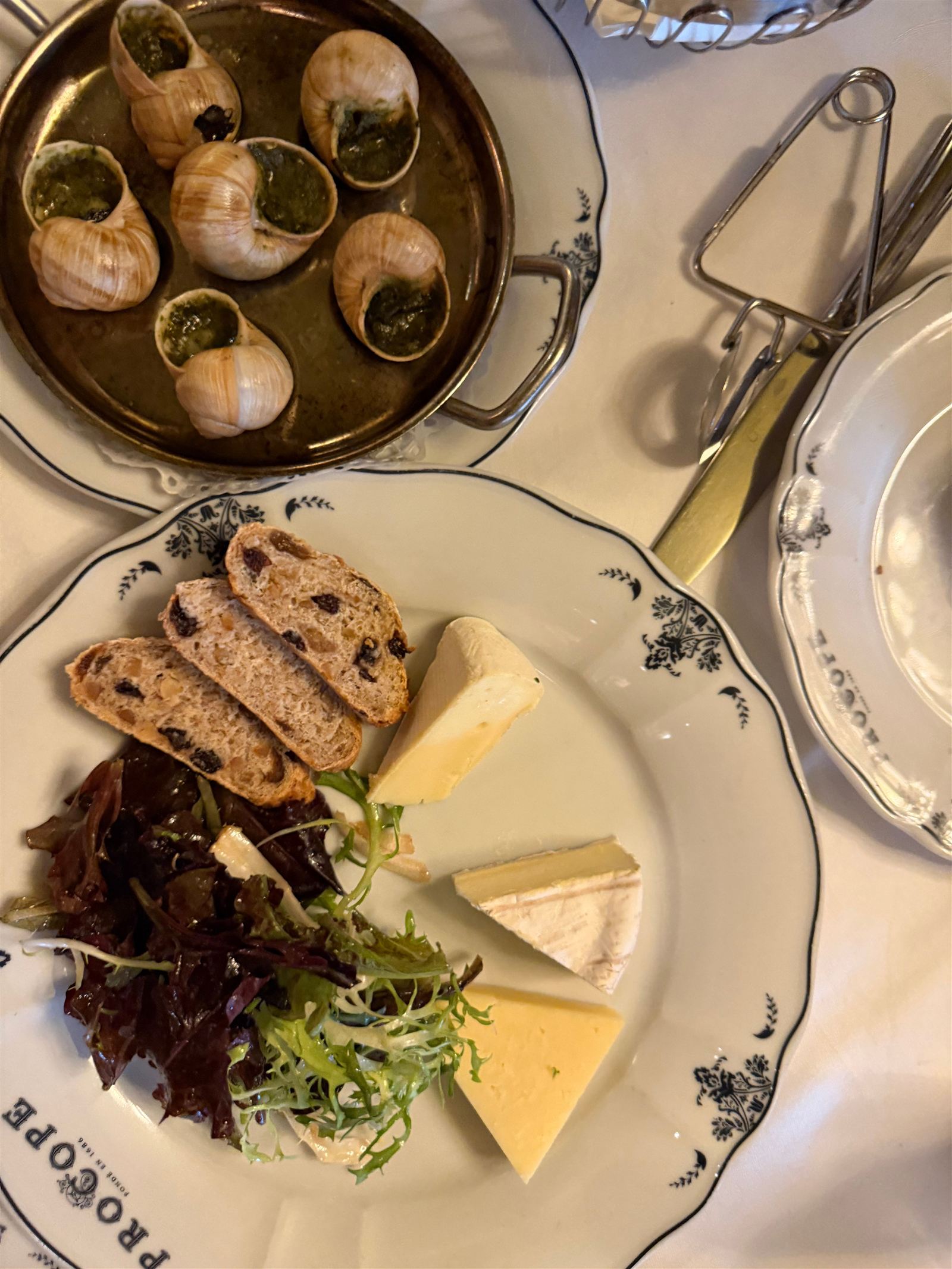
6. Escargots: curiosity served with garlic butter
Escargots de Bourgogne are normally served with garlic and parsley butter. They are not an everyday meal for most Parisians, yet many visitors seek them out. Begin with six to share; the fragrant butter is often the true star.
| If you want… | Start with | Remember |
|---|---|---|
| Warm comfort on a cold day | French onion soup | It is more filling than it looks |
| A safe first choice | Steak with fries or gratin | Specify doneness and ask about sauce |
| Deep, slow-cooked flavor | Boeuf bourguignon | The classic recipe contains wine |
| A rich, crisp main course | Duck confit | Balance it with salad |
| A quick lunch | Croque or quiche | Check the meat and fat used |
| An unusual experience | Burgundy snails | Order a small portion to share |
The cheese course is not an afterthought
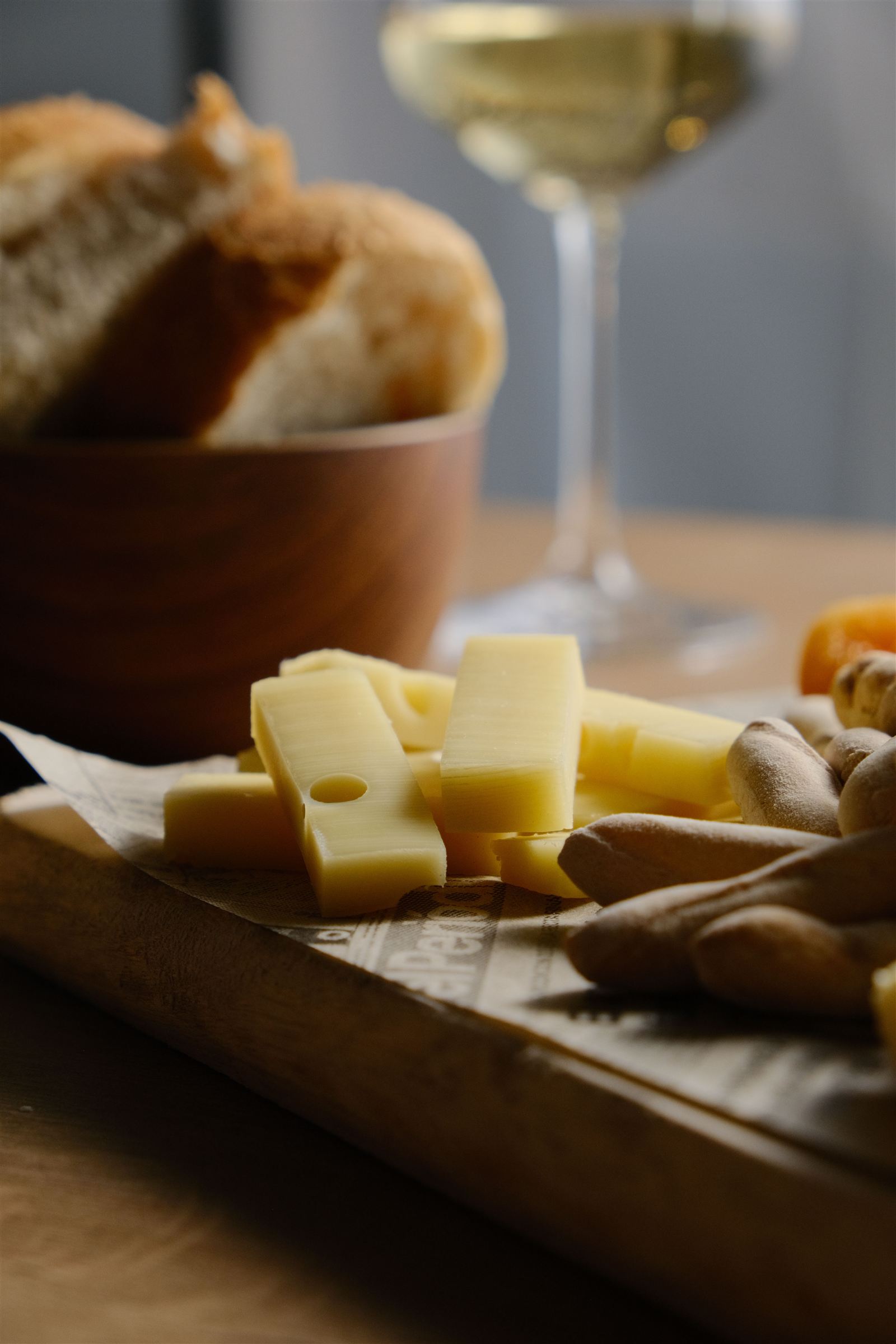
Cheese may arrive after the main course and before dessert. Begin with three contrasting types rather than an enormous board: nutty, approachable Comté; creamy Brie de Meaux; and assertive blue Roquefort. Taste them from mild to strong with small pieces of bread.
You do not need to be an expert. Ask for une petite sélection de fromages, a small cheese selection. A good question often opens a story about region, milk and ageing.
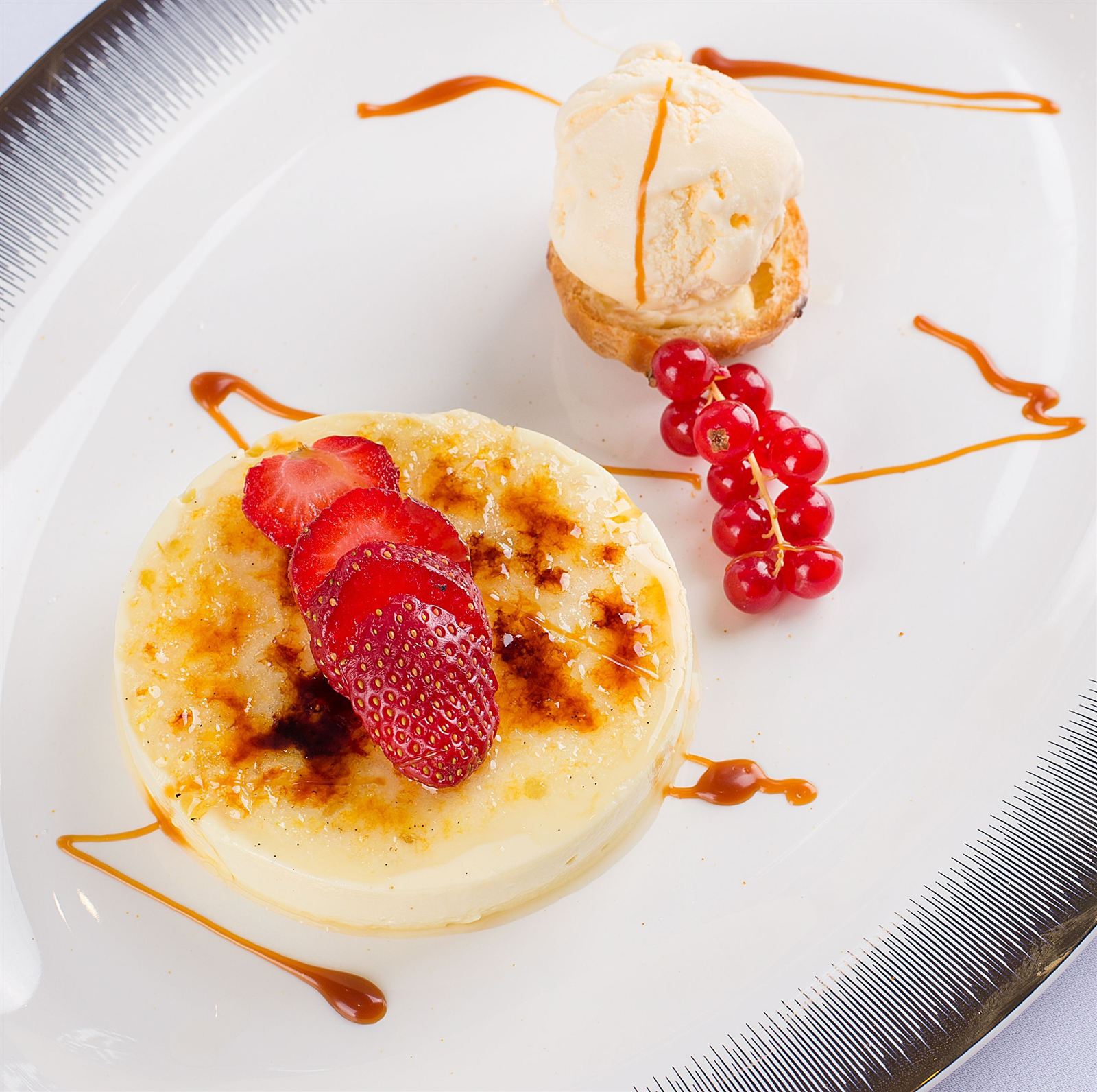
French desserts: the ending that may reorganize your day
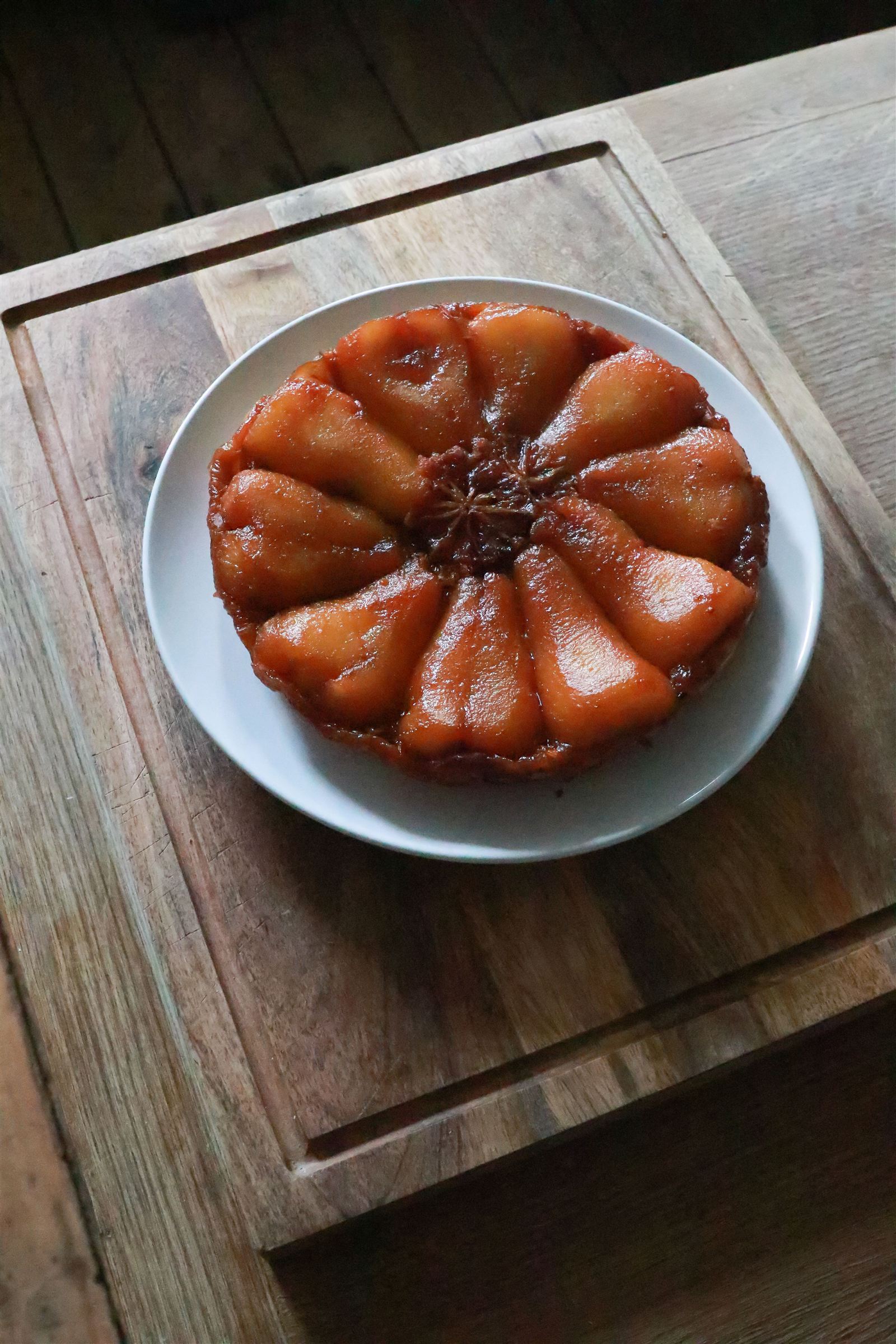
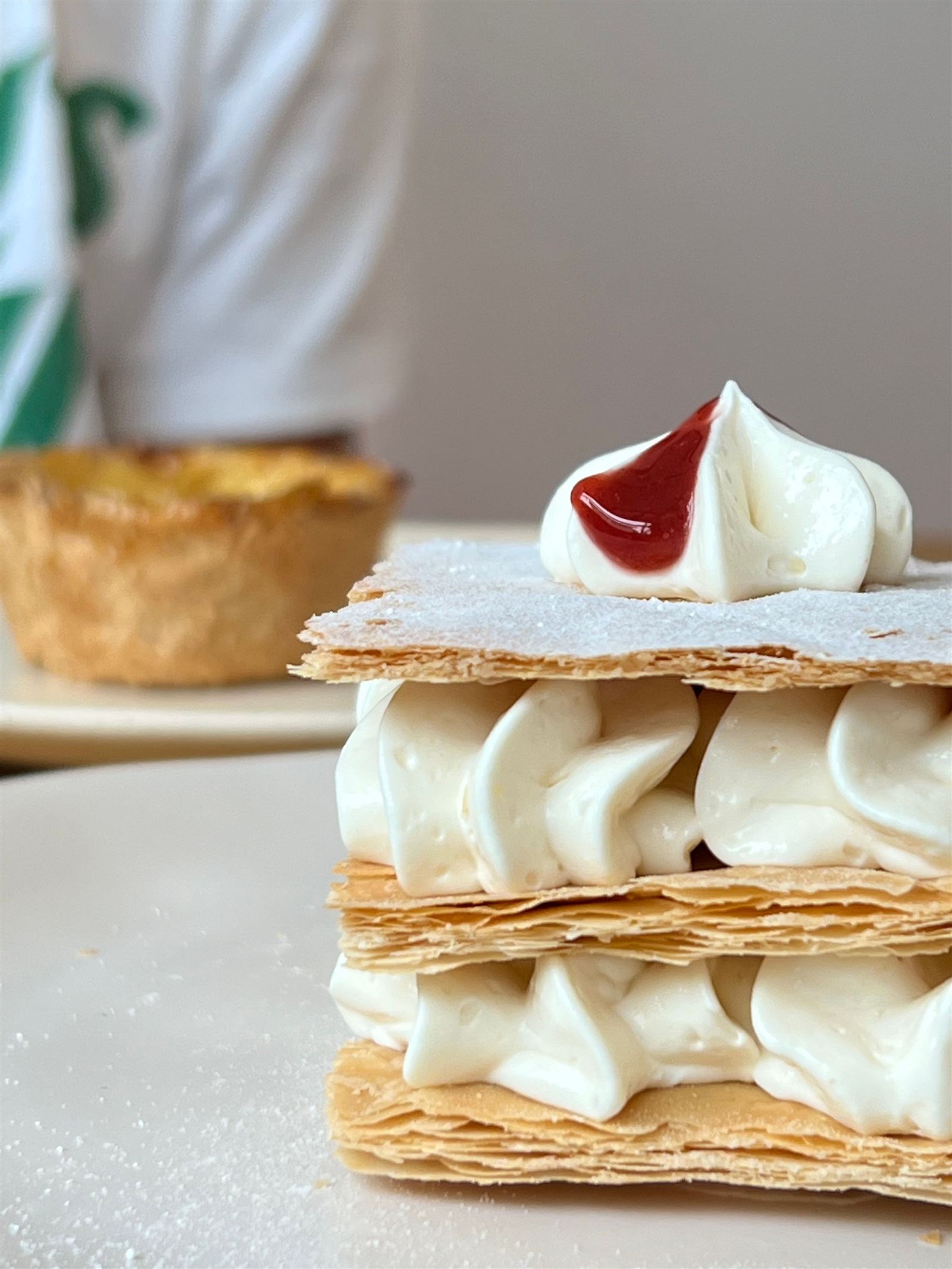
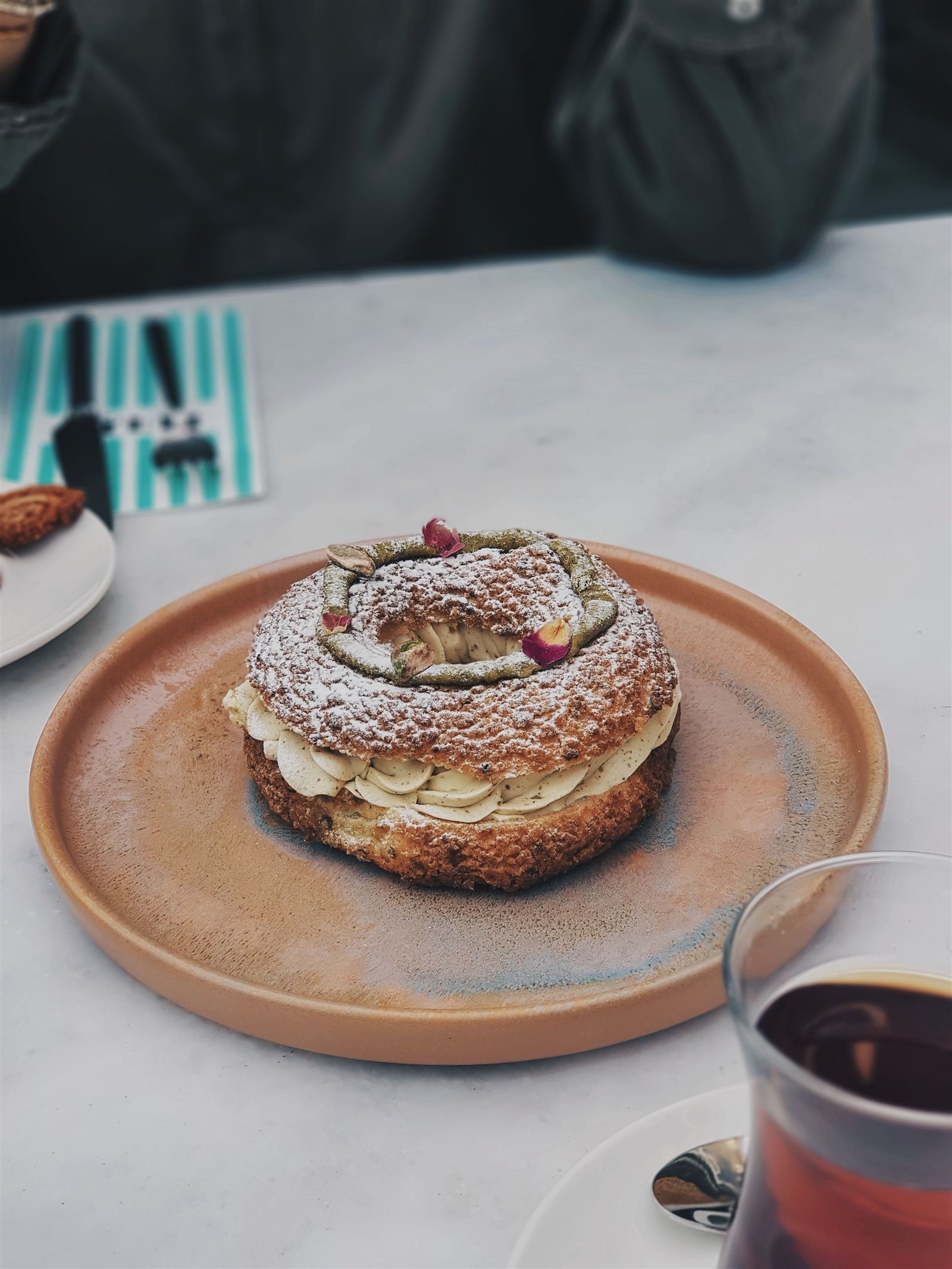
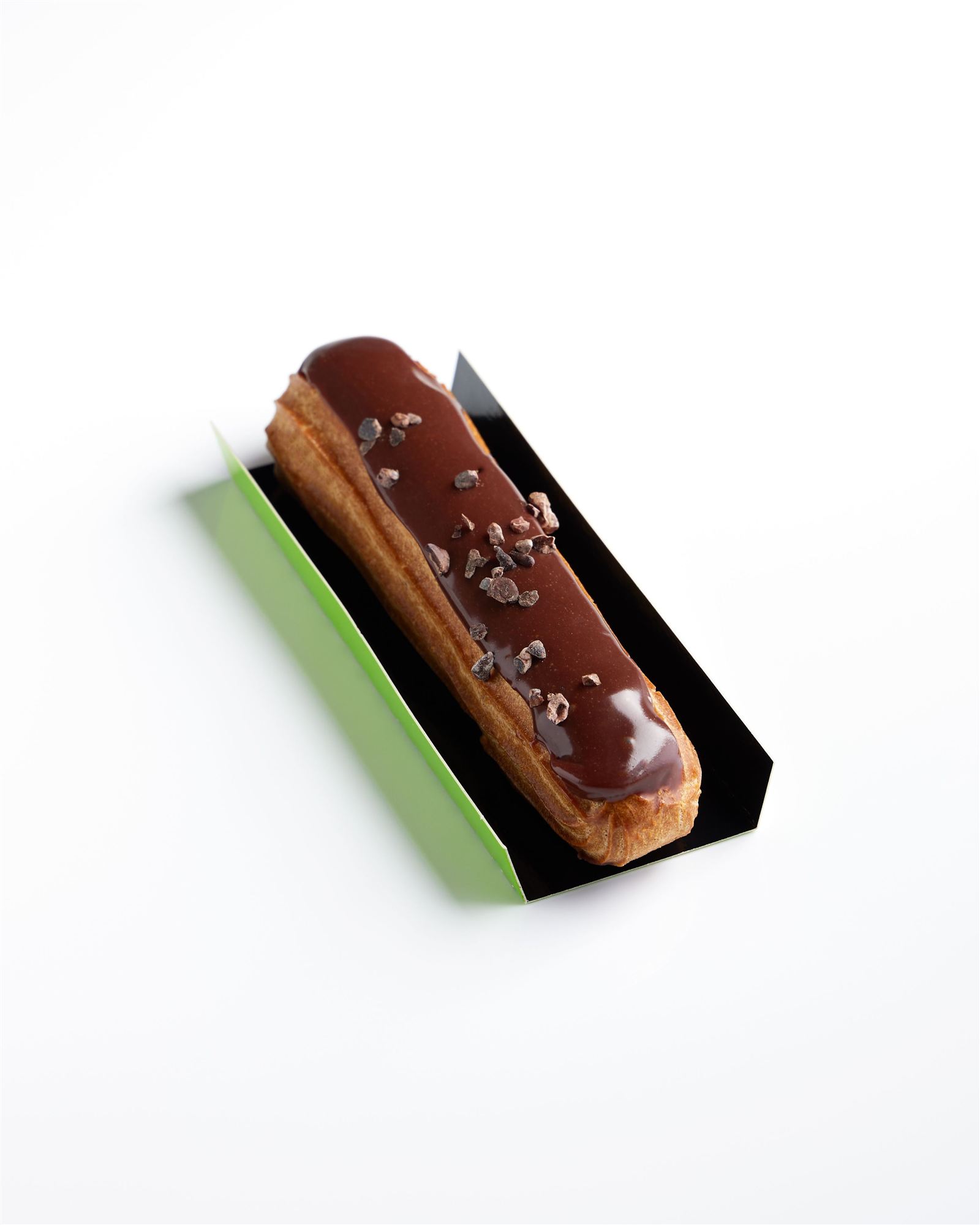
Parisian pastry windows are miniature design exhibitions. Choose by the texture you love:
A one-day Paris tasting itinerary
- 8:30 am — Bakery: butter croissant and coffee, with a small baguette for later.
- 12:30 pm — Bistro: a two-course lunch formula, perhaps onion soup followed by the dish of the day.
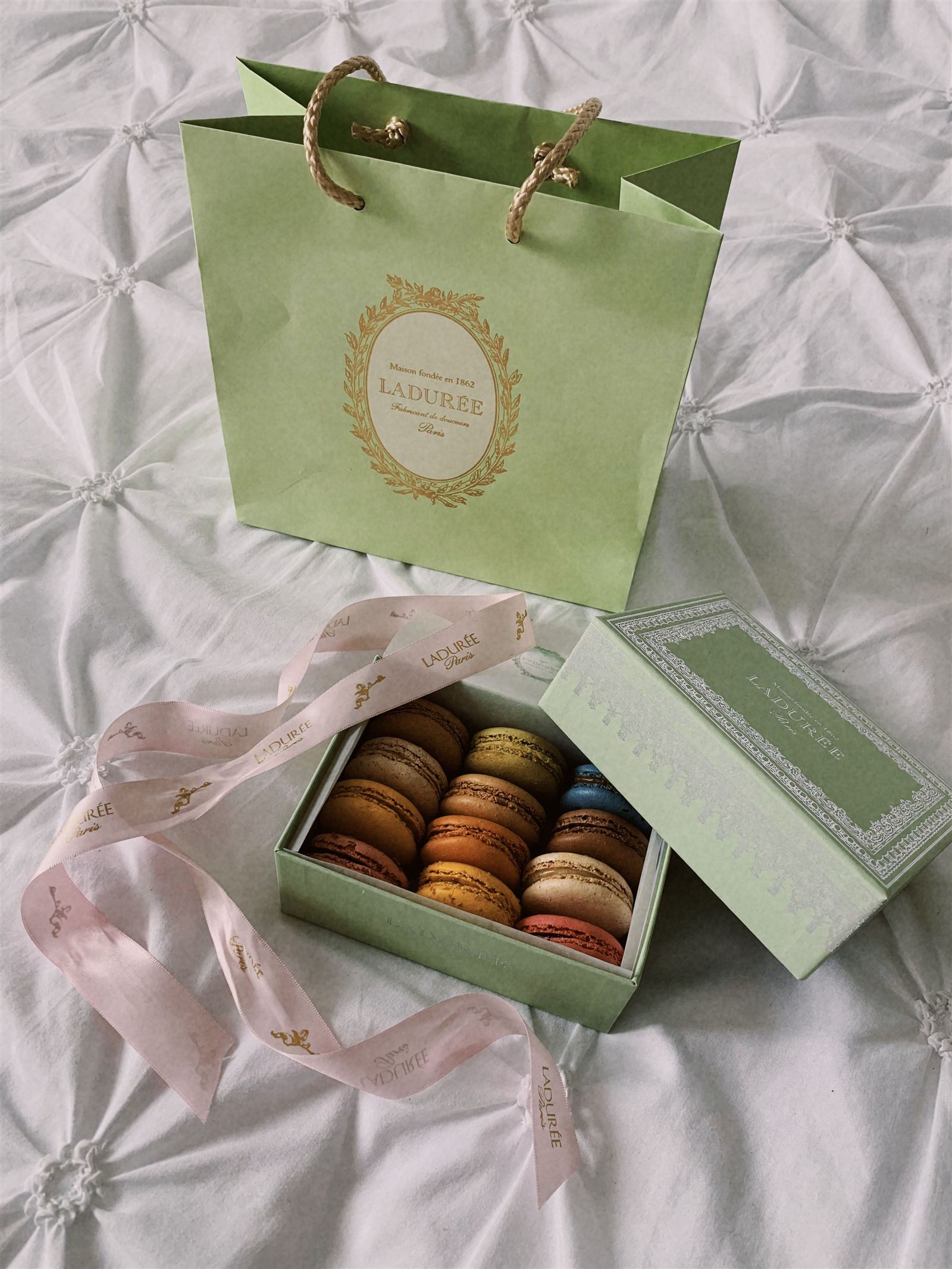
- 4:30 pm — Pastry stop: two macarons in different flavors or one éclair with coffee.
- 8:00 pm — Dinner: one traditional main, followed by a small cheese plate or crème brûlée. Reserve sought-after tables.
How to choose a good restaurant beyond the tourist traps
- Read the menu before sitting down: a shorter, seasonal menu is often more focused.
- Notice the dish of the day: a sensible plat du jour is a useful bistro clue.
- Do not chase the view alone: a quieter side street may offer stronger cooking and gentler prices.
- Reserve dinner: good small restaurants fill quickly, especially on weekends.
- Order tap water: say une carafe d’eau, s’il vous plaît.
- Ask for the bill: say l’addition, s’il vous plaît.
Video: does Paris have a flavor of its own?
This report from FRANCE 24 English explores the capital’s own culinary traditions, products and identity rather than treating Paris merely as a showcase for regional French food.
Frequently asked questions
What French dish should I try first in Paris?
Onion soup, steak-frites, boeuf bourguignon and duck confit are excellent starting points. Choose according to your taste and dietary requirements.
What are the most famous French desserts?
Macarons, crème brûlée, tarte Tatin, mille-feuille, éclairs and Paris-Brest are among the classics worth seeking out.
Is French cuisine vegetarian-friendly?
Ratatouille, some quiches, salads and cheeses can work, but ask about stock, gelatin and animal fats because a dish name may not reveal every ingredient.
Should I reserve restaurants in Paris?
Reservations are recommended for small popular restaurants and weekend dinners. Bakeries, cafés and many lunch spots can usually be visited without one.