













OUISTARS EDUCATION GUIDE | HOSPITALITY & TOURISM
Dreaming of Studying Tourism in France? Discover the Best Hospitality & Tourism Schools Accepting International Students
France is not only one of the world’s most visited countries—it is also a living classroom for hotel management, luxury service, gastronomy, destination strategy and international tourism.
A palace hotel wakes before Paris. In Lyon, a student team prepares a restaurant service while another group studies the economics of a luxury property. On the Atlantic coast, future destination managers debate how tourism can grow without overwhelming the places people came to see. For an international student, studying hospitality in France means learning the business in the country where service, culture and travel meet every day.
But famous names can conceal important differences. Some schools train operational hotel managers from the first year. Others are business schools designed for graduates seeking strategy, real estate, luxury or event leadership. A culinary institution may be ideal for a future restaurant entrepreneur—and the wrong choice for someone who wants to manage destinations. This OUISTARS guide compares ten leading options using programme information available for the 2026 intake.

Important: admission rules, programme names, tuition fees and intakes can change. Always confirm the exact 2026–2027 curriculum, degree recognition and visa timeline with the institution before paying an application fee or deposit.
Table of Contents
- How to choose a school
- Vatel France
- FERRANDI Paris
- Institut Lyfe
- Excelia Hotel & Tourism School
- ESSEC Business School — IMHI
- CMH Academy
- SKEMA Business School
- INSEEC Grande École
- TBS Education
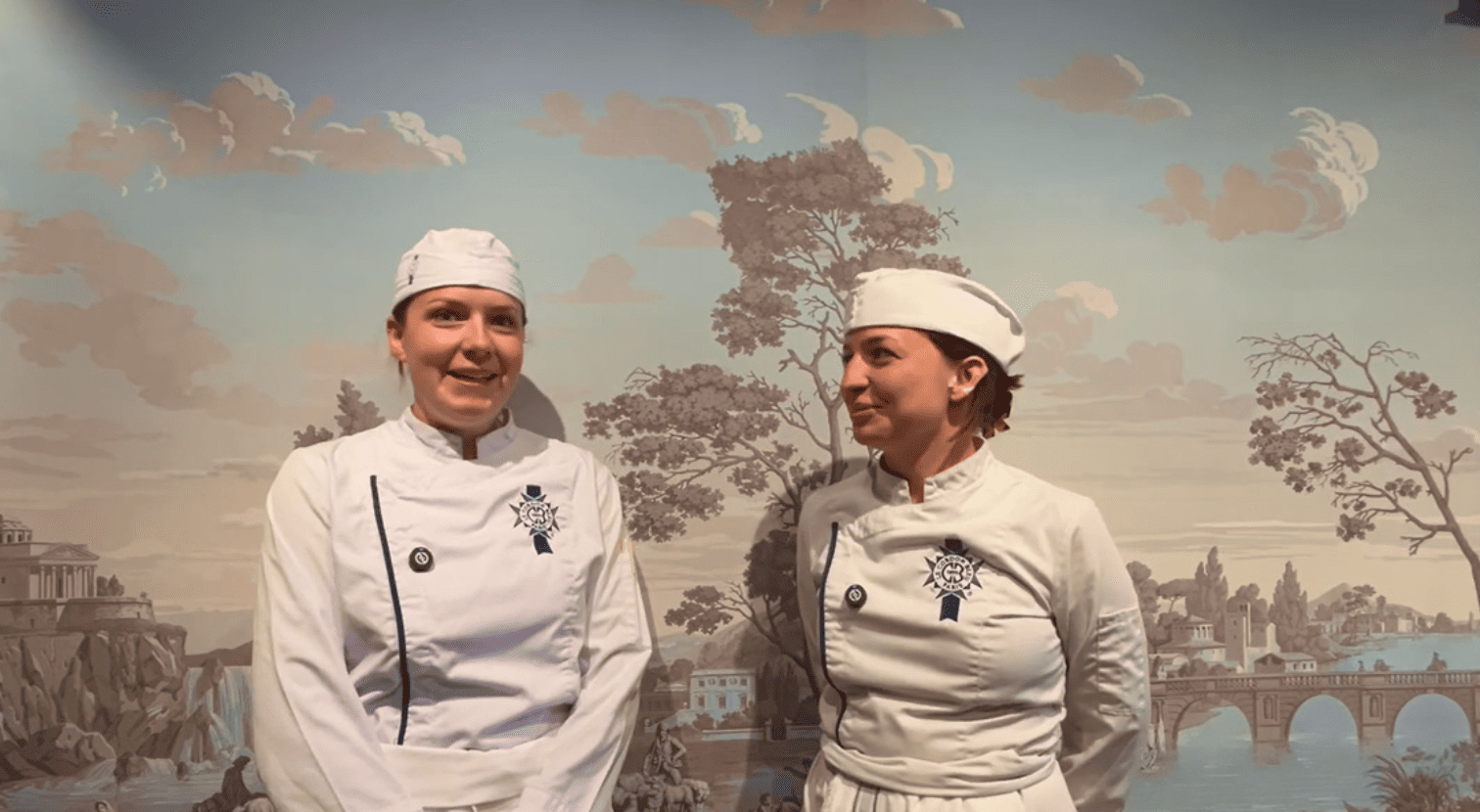
- Le Cordon Bleu Paris
- OUISTARS advice
First Decide What “Hospitality” Means for Your Career
Before comparing campuses, choose the industry problem you want to solve. Hotel operations requires finance, rooms division, food and beverage and team leadership. Luxury hospitality adds brand codes, discretion and personalised guest experience. Tourism management focuses more on destinations, tour operating, sustainability and visitor flows. Event hospitality connects venues, sponsorship, production and customer experience. Culinary management is a business route built around restaurants, food concepts and gastronomy.
International applicants should also distinguish a school-issued diploma from a French state-recognised qualification, an RNCP professional certification, a university degree and a Conférence des Grandes Écoles-accredited MSc. None is automatically “best” for every career or country. Ask the admissions office how the exact award is recognised where you intend to work.
| Best fit | Schools to examine first |
|---|---|
| Undergraduate hotel operations | Vatel, FERRANDI Paris, Institut Lyfe, CMH |
| Tourism and destination management | Excelia, INSEEC |
| Graduate hotel strategy and real estate | ESSEC IMHI, Institut Lyfe, FERRANDI Paris |
| Luxury hospitality and events | CMH, SKEMA, ESSEC, TBS luxury route |
| Culinary and F&B entrepreneurship | Le Cordon Bleu Paris, FERRANDI Paris, Institut Lyfe |
1. Vatel France — Immersive Hotel Management from Bachelor to MBA
Official name: Vatel France. French locations: Paris, Lyon, Nîmes, Nantes, Bordeaux and other French-network campuses, with language options varying by campus.
Vatel is famous for combining management courses with practical hotel and restaurant experience. Its scale—an international campus and alumni network—appeals to students who want an operational foundation before moving into leadership. Vatel France’s current programme pages list an International Bachelor in Hospitality Management and a two-year MBA in International Hospitality Management, with RNCP Level 6 and Level 7 professional qualifications alongside European Vatel awards.
- Main specialisations: hotel operations, food and beverage, finance, marketing, revenue, tourism, events, luxury and, at selected campuses, wine and spirits.
- Degrees offered: three-year Bachelor; two-year MBA after an undergraduate degree, with a foundation route possible for students without hospitality preparation.
- International admission: Bachelor applicants need a high-school diploma or A-level equivalent. The English track lists B2 English, with examples including IELTS 5.5 or TOEFL iBT 80, plus an English essay or cover letter. File review, tests and a motivation interview form part of selection. MBA entry normally requires an undergraduate degree; background determines whether a foundation year is required.
- Language: French across the French network; fully English routes are advertised at Bordeaux and Nîmes. Confirm the chosen campus before applying.
- Internships: the full-time Bachelor includes two mandatory internships, one abroad; the school says its central internship office and hotel-group partnerships support placements.
- Career prospects: front office, rooms division, F&B, events, revenue, sales, hotel operations and, with experience, general management.
Official website: Vatel France Bachelor in Hospitality Management.

2. FERRANDI Paris — French Hospitality Craft Meets Management
Official name: FERRANDI Paris. City: Paris, with selected programmes also available on regional campuses.
FERRANDI is renowned for the proximity between culinary expertise, food-and-beverage operations and hotel management. For the 2026 academic year, its international Bachelor in F&B and Hospitality Management is advertised entirely in English. Its MSc in Hospitality Management, delivered with ESCP Business School, develops strategic skills in hospitality, luxury customer experience, innovation and business transformation.
- Main specialisations: hotel and restaurant operations, F&B, luxury experience, marketing, finance, revenue, entrepreneurship and hospitality development.
- Degrees offered: Bachelor in F&B and Hospitality Management; two-year MSc in Hospitality Management, with entry possible into year two for qualified Bac+4/240-ECTS applicants.
- International admission: Bachelor candidates submit school records, diploma or conditional completion evidence, passport, CV, motivation letter and translated documents; first-year selection includes a knowledge test and interview. MSc year one normally requires 180 ECTS or equivalent; year two requires 240 ECTS. English evidence may be requested.
- Language: the international Bachelor is taught in English; the MSc offers English delivery, with some track-dependent French in the selection process.
- Internships: the MSc includes an optional short placement in year one and a final internship of up to six months, with at least four months mandatory under the current structure.
- Career prospects: hotel operations, F&B management, revenue, events, consulting, luxury experience, real-estate development and hotel general management.
Official website: FERRANDI Paris hospitality programmes.
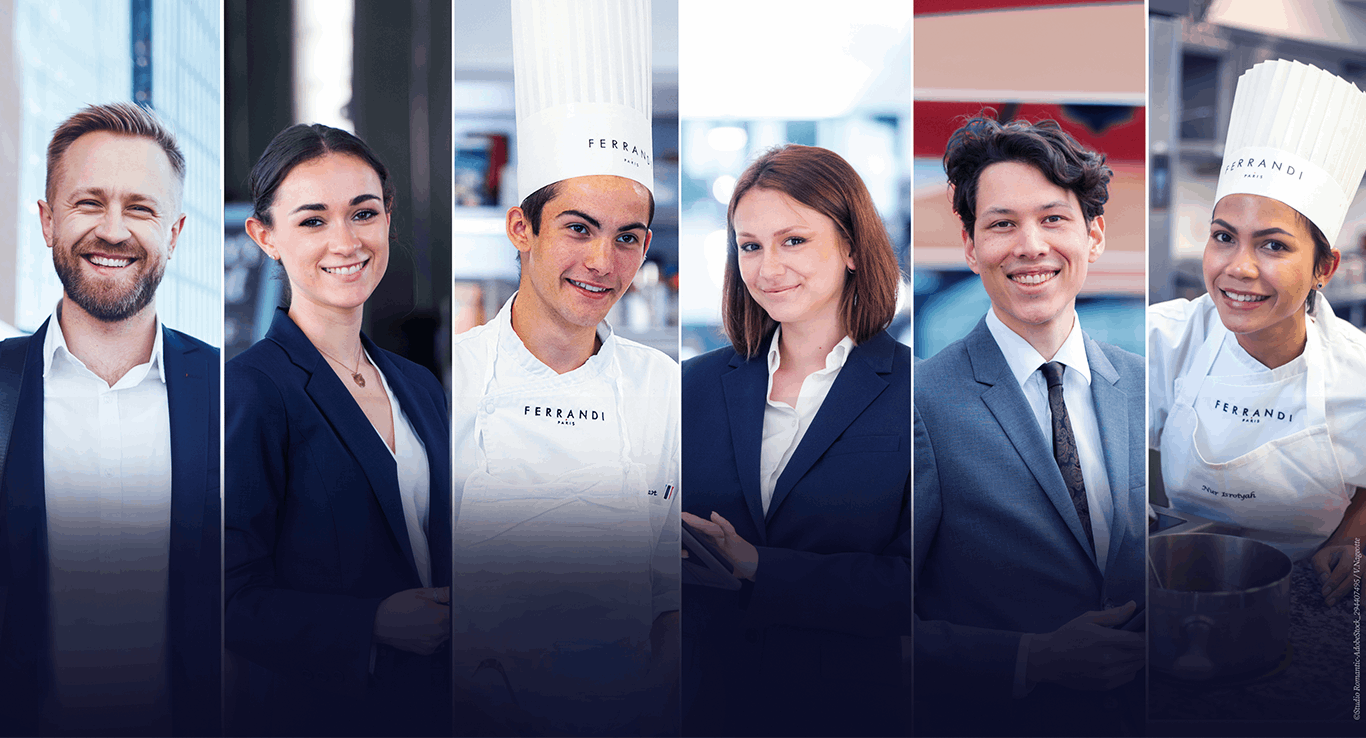
3. Institut Lyfe — Experiential Education in Lyon’s Gastronomy Ecosystem
Official name: Institut Lyfe, formerly Institut Paul Bocuse. City: Écully, in metropolitan Lyon.
Institut Lyfe is famous for teaching hospitality, restaurant and culinary management through real operating environments and industry projects. Its four-year Bachelor in International Hospitality & Restaurant Management awards 240 ECTS, while the MSc in International Hospitality Management is delivered with emlyon business school and leads to a double degree.
- Main specialisations: hotel and restaurant management, luxury, lifestyle hospitality, F&B, entrepreneurship, revenue, innovation and sustainable operations.
- Degrees offered: four-year Bachelor; one- or two-year MSc in International Hospitality Management; culinary and pastry management Bachelors.
- International admission: foreign-baccalaureate holders apply directly through Institut Lyfe rather than Parcoursup. Bachelor programmes accept a baccalaureate or international equivalent; MSc year one requires a Bachelor/Bac+3 equivalent, while year-two entry requires Bac+4 in hospitality or a related hospitality specialisation.
- Language: French and English routes exist at Bachelor level; the international MSc is taught in English.
- Internships: the MSc includes a four- or six-month internship at the end of the relevant cycle; Bachelor learning combines campus operations with professional experience.
- Career prospects: hotel development, luxury operations, consulting, food-service strategy, entrepreneurship, revenue, guest experience and general management.
Official website: Institut Lyfe international hospitality programmes.
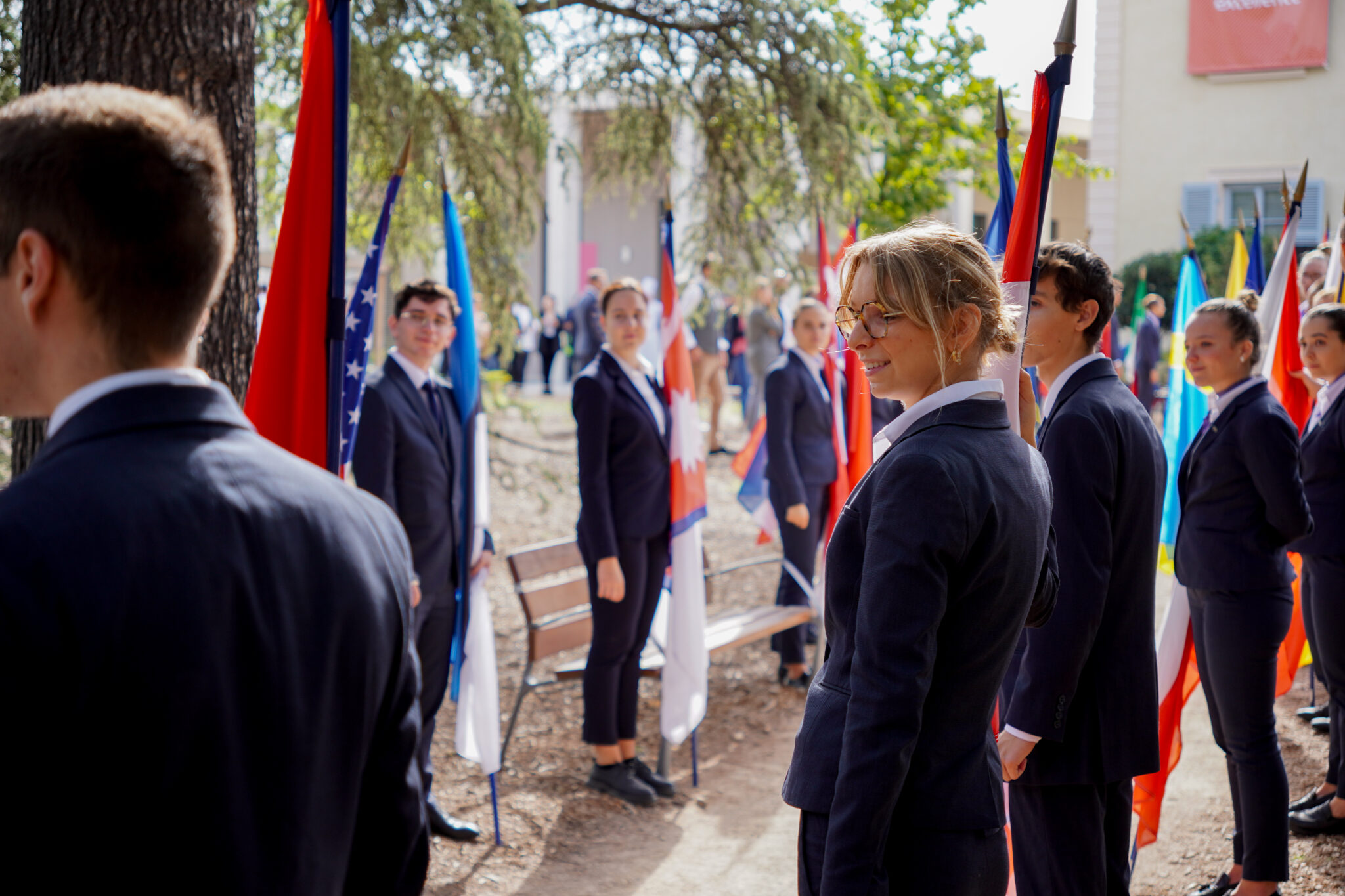
4. Excelia Hotel & Tourism School — A Specialist in Destinations and Sustainable Tourism
Official name: Excelia Hotel & Tourism School. Cities: La Rochelle, Tours and Paris, depending on programme and year.
Excelia stands out because tourism—not only hotels—is central to its identity. The school teaches destination management, hospitality, events and responsible tourism. It was the first French tourism school to receive UN Tourism’s TedQual certification, and its current portfolio includes Bachelor and MSc routes in tourism, hospitality and destination strategy.
- Main specialisations: destination management, sustainable tourism, hospitality, event management, digital tourism, customer experience and tourism marketing.
- Degrees offered: Bachelor-level tourism and hospitality programmes; MSc International Hospitality Management and MSc Destination Management, subject to the current campus schedule.
- International admission: undergraduate entry generally requires a secondary-school leaving qualification; graduate entry depends on prior higher education, commonly 180 ECTS for a two-year track or 240 ECTS for direct advanced entry. Applicants submit academic records, language evidence and complete the school’s selection process.
- Language: French and English tracks are available; the school publishes English-track curricula, including a current English third-year Bachelor curriculum.
- Internships: professional placements, international exposure and Excelia’s experiential Humacité and Climacité initiatives are built into its employability model.
- Career prospects: destination manager, tour-operator product manager, hotel manager, event manager, tourism consultant, sustainability manager and digital tourism specialist.
Official website: Excelia Hotel & Tourism School.
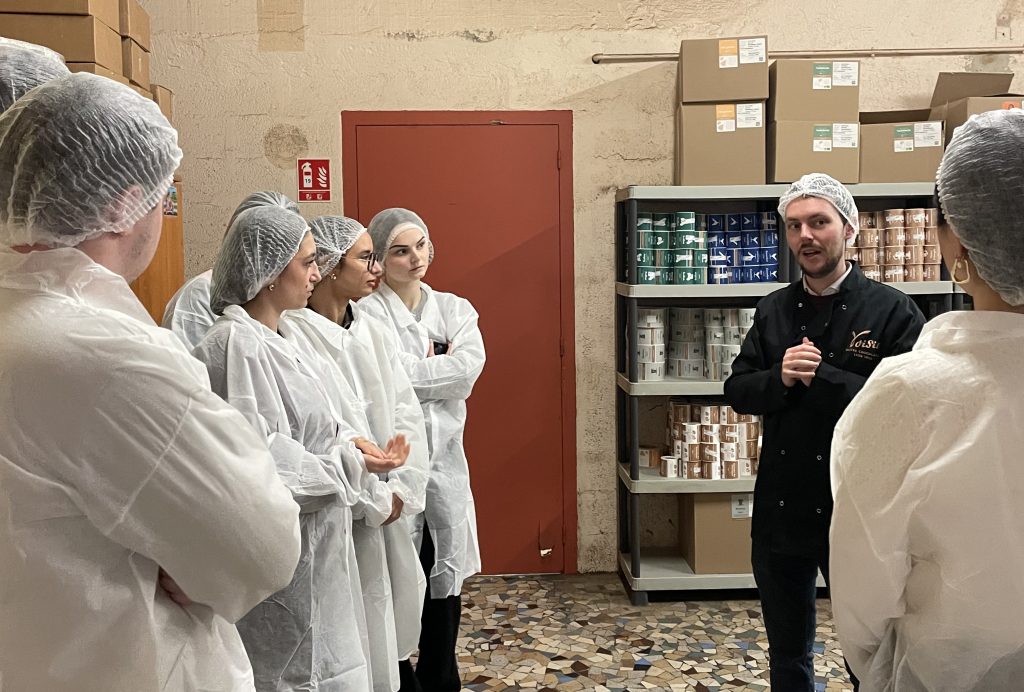
5. ESSEC Business School — IMHI for Graduate Hospitality Leadership
Official name: ESSEC Business School, MSc in Hospitality Management (IMHI). City: Cergy, Greater Paris.
Founded in 1981, IMHI is one of Europe’s best-known graduate hospitality programmes. It is designed for future leaders rather than beginners learning basic service operations. Six current concentrations include Digital Leadership, Entrepreneurship, Sustainable Hospitality, Real Estate Management, Luxury Experiences Management and Beyond Food & Beverage. International options include a collaboration with Boston University’s School of Hospitality Administration.
- Main specialisations: hotel strategy, real estate, finance, luxury experiences, sustainability, entrepreneurship, digital leadership and F&B innovation.
- Degrees offered: one- or two-year MSc in Hospitality Management, depending on previous education and experience.
- International admission: the two-year route accepts a three-year Bachelor/Licence 3. The one-year route generally requires a four-year Bachelor or Master, or a three-year Bachelor plus substantial post-graduate experience. Advanced English is required; a management test is optional but can strengthen the application.
- Language: English; French is not an admission requirement for the programme.
- Internships: students select internship or apprenticeship pathways, with international study and placement possibilities depending on track.
- Career prospects: hotel investment, asset management, consulting, development, luxury strategy, revenue leadership, entrepreneurship and corporate hotel management.
Official website: ESSEC MSc in Hospitality Management (IMHI).
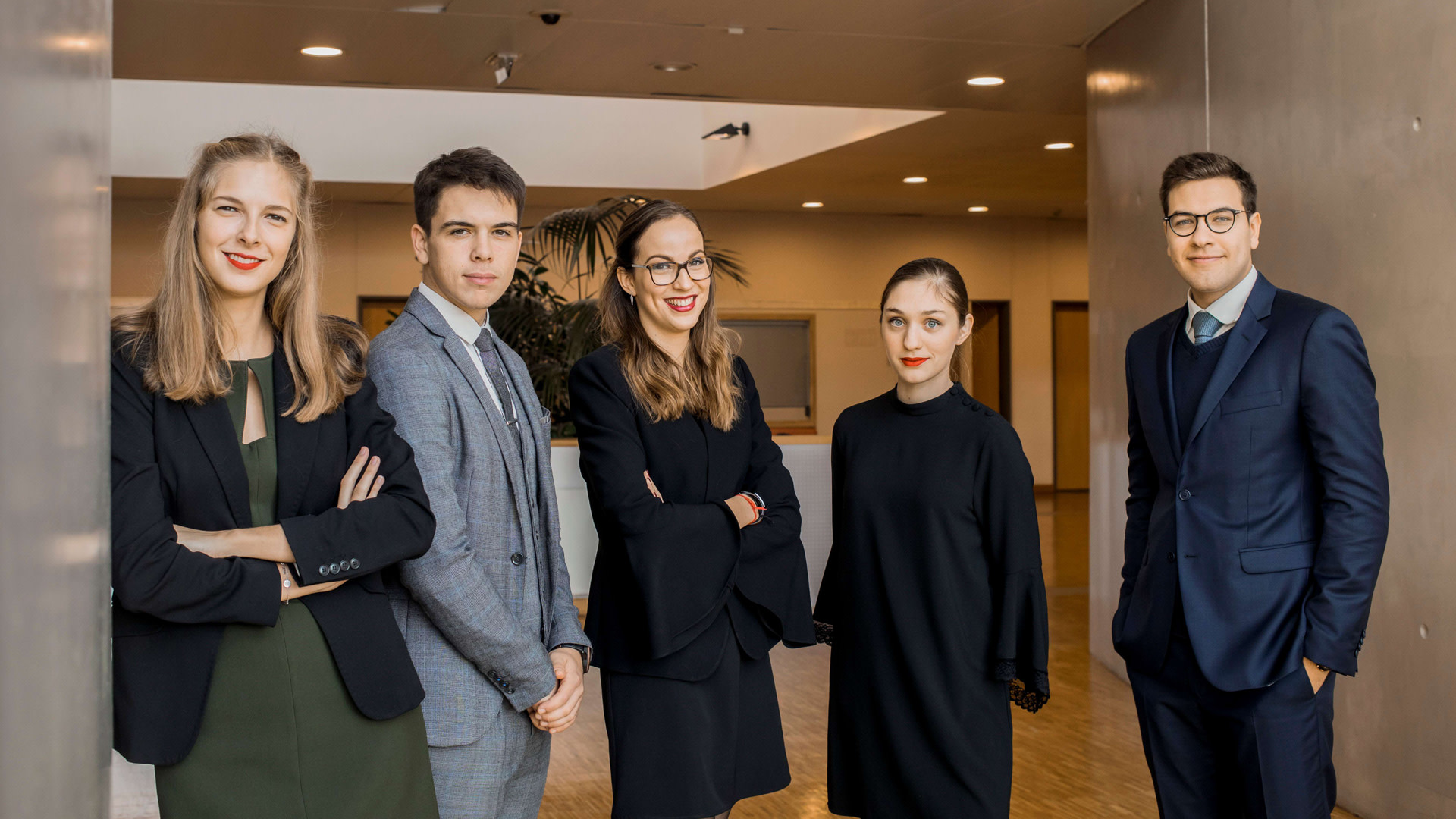
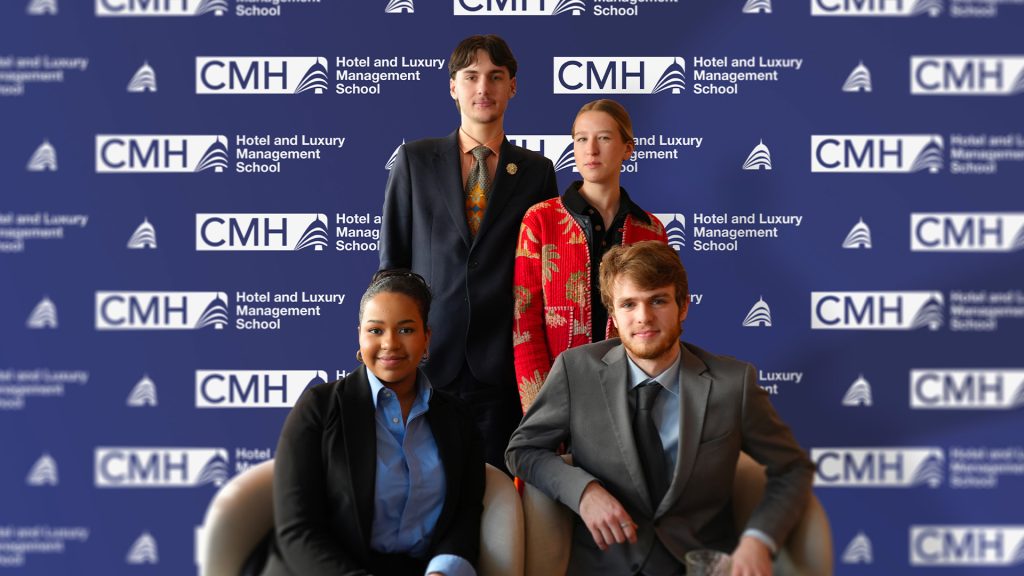
6. CMH Academy — A Direct Route into Luxury Hospitality
Official name: CMH — Centre de Management Hôtelier International. Cities: Paris, Lyon and Nice, plus other French and international locations depending on programme.
CMH is specialised in hotel, tourism, events and luxury-brand management. Its appeal is focus: students who already know they want high-end hospitality can study brand strategy and guest experience alongside operational and managerial subjects. The school advertises French and international tracks from Bachelor through MBA level.
- Main specialisations: luxury hotel management, tourism, luxury brands, events, concierge, communications and business development.
- Degrees offered: three-year European or International Bachelor in Hotel/Luxury Hotel & Tourism Management; two-year MBAs in International Hospitality & Luxury Brand Management or Luxury Event Management.
- International admission: Bachelor year one requires a baccalaureate or equivalent. MBA year one requires a Level 6/Bac+3 qualification. The process includes an online file and interview; foreign-diploma recognition and language proof may be required by programme. The French-taught MBA specifies B2 French for international applicants.
- Language: French programmes and English international routes; the Luxury Event Management MBA is advertised as 100% English.
- Internships: CMH promotes internships in more than 50 countries; programme structures include placements and, where legally available, work-study routes.
- Career prospects: luxury hotel operations, guest experience, brand management, events, concierge, sales, marketing and customer-service leadership.
Official website: CMH Academy.
7. SKEMA Business School — Hospitality through Events and Experience Management
Official name: SKEMA Business School, MSc Sport, Event & Hospitality Management. City: Sophia Antipolis on the French Riviera.
SKEMA is the option for students who see hospitality as part of a wider experience economy. Its English-taught MSc connects events, sport, tourism and hospitality on a Riviera campus close to major festivals, venues, hotels and international events. It is less suitable for someone seeking a classic undergraduate hotel-operations degree, but compelling for graduates targeting event strategy or destination experiences.
- Main specialisations: event production, sport business, hospitality, tourism, sponsorship, customer experience and project management.
- Degrees offered: one- or two-year Master of Science, depending on prior academic level.
- International admission: the two-year MSc accepts a three-year university degree or equivalent/180 ECTS. The one-year MSc generally requires 240 ECTS plus at least two months of professional experience or internship.
- Language: English.
- Internships: eight months of coursework are followed by work experience or a research project; professional experience is central to the format.
- Career prospects: event and venue management, hospitality partnerships, sport tourism, destination events, sponsorship, project management and guest experience.
Official website: SKEMA MSc Sport, Event & Hospitality Management.
8. INSEEC Grande École — Tourism, Leisure and Gastronomy in English
Official name: INSEEC Grande École, Master Cycle in Tourism, Leisure & Gastronomy. City: Lyon.
INSEEC’s route is built for students who want a broad management degree contextualised through tourism, hospitality and gastronomy. The current course is taught in English in Lyon and progresses from management foundations to destination, consumer, sustainability and experience-economy strategy. INSEEC also advertises a separate MSc in Hospitality Management, Tourism Marketing & Customer Experience.
- Main specialisations: tourism strategy, leisure, gastronomy, customer experience, destination and event management, sustainable tourism and digital marketing.
- Degrees offered: three-year Grande École cycle from L3 through M2 for qualified entrants; separate MSc hospitality and tourism-marketing routes are also available.
- International admission: L3 entry is open after Bac+2/Level 5 equivalent; M1 entry after a Bachelor/Licence 3 or Level 6 qualification. Selection includes a file and oral tests. Strong English is required.
- Language: the Tourism, Leisure & Gastronomy cycle is entirely in English.
- Internships: compulsory professional placements are scheduled each year, including a final internship of at least six months in M2.
- Career prospects: tourism product, destination and event management, marketing, consulting, quality, innovation, business-unit leadership and entrepreneurship.
Official website: INSEEC Master Cycle in Tourism, Leisure & Gastronomy.

9. TBS Education — A Strong Business Route, but Verify the Tourism Specialisation
Official name: TBS Education. Cities: Toulouse and Paris in France, with Barcelona and Casablanca in the wider network.
TBS previously promoted an MSc Tourism & Hospitality Management in Barcelona, and older official pages remain online. However, that standalone programme does not appear in the school’s current 2026 programme catalogue. International students should therefore not apply on the assumption that the former MSc is still recruiting. The relevant current choices are broader: a Master in Management with internships and elective flexibility, or an English MSc in International Luxury Industries Management in Paris for students targeting premium brands and service ecosystems.
- Main specialisations: general management, international business, marketing, luxury industries, digital strategy and entrepreneurship—not a current dedicated hotel-operations track.
- Degrees offered: Bachelor in Management, Master in Management and sector-focused MSc programmes, including International Luxury Industries Management.
- International admission: the Master in Management accepts candidates with a non-French Bachelor of at least 180 ECTS and requires English evidence such as IELTS 6.5, TOEFL iBT 90 or an accepted alternative. One-year MSc entry generally requires a four-year/240-ECTS degree; preparatory two-year routes may be available after 180 ECTS.
- Language: English and French, depending on programme; many MSc routes are entirely in English.
- Internships: the Master in Management includes a three-month internship in year one and a six-month internship in year two.
- Career prospects: luxury marketing, international business, consulting, experience strategy and corporate management, with hospitality entry depending on internships and electives.
Official website: TBS Education current programme catalogue.
10. Le Cordon Bleu Paris — The Culinary and F&B Route into Hospitality
Official name: Le Cordon Bleu Paris. City: Paris.
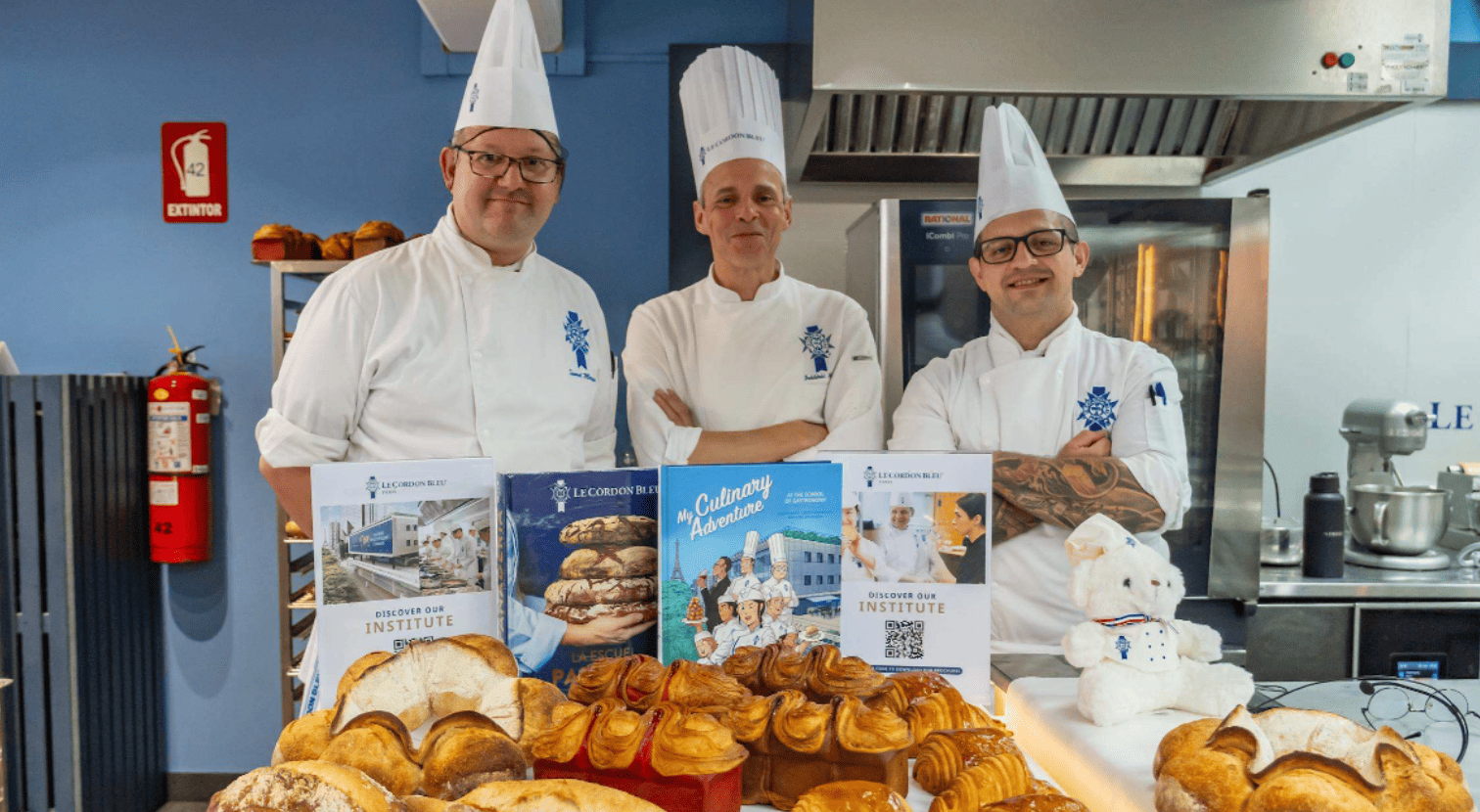
Le Cordon Bleu is internationally famous for culinary arts, pastry, wine and restaurant expertise. Its current Paris catalogue in 2026 is strongest for students whose hospitality ambition begins with food, beverage or entrepreneurship. Earlier official pages describe a Bachelor in International Hospitality Management, but applicants should verify whether that specific Bachelor is recruiting: the current headline offerings emphasise the Grand Diplôme, internship pathways, the Diploma in Culinary Management and the English-taught BSc Culinary Design Management.
- Main specialisations: cuisine, pastry, bakery, wine, restaurant operations, culinary entrepreneurship, design and F&B management.
- Degrees offered: Grand Diplôme and specialist diplomas; three-month Diploma in Culinary Management for qualified culinary applicants; three-year BSc Culinary Design Management.
- International admission: requirements vary. Many diploma applicants must be at least 18 and hold a high-school qualification or equivalent. The current general admissions page lists B2 English or A2 French for relevant programmes. The BSc requires a high-school leaving qualification, B2 English, CV and a detailed motivation statement.
- Language: demonstrations and programmes vary between French and English; the BSc Culinary Design Management is entirely in English.
- Internships: professional pathways include placements generally lasting four to six months, depending on programme, supported by the Careers and Industry Partnerships team.
- Career prospects: restaurant and F&B management, culinary entrepreneurship, hospitality-space and service design, consulting, product development and luxury gastronomy.
Official website: Le Cordon Bleu Paris programmes.
What International Students Usually Need
Across these institutions, the recurring application package is a passport, CV, motivation letter, academic transcripts, diploma or expected-graduation evidence and certified translations when documents are not in French or English. English-taught programmes commonly ask for B2-level evidence or an accepted test; French-taught degrees may require B2 French. Graduate programmes require the appropriate prior credits—normally 180 ECTS for entry to a two-year master-level route and 240 ECTS for some one-year advanced routes.
A student visa is a separate process from school admission. Applicants should use the official Campus France pathway applicable to their country and allow time for financial evidence, accommodation and consular processing. An admission letter does not guarantee a visa, and a work-study contract may require work authorisation not available to every international profile.
OUISTARS Advice: Choose the Job Before You Choose the Logo
The most famous school is not automatically the best school for your career. Start with three questions. Do you want to manage a property, a destination, a luxury brand, an event or a restaurant? Do you learn best through operational practice or academic strategy? In which country do you want your qualification and internship experience to be recognised?
Then compare the exact programme—not the institution’s general reputation. Request the current syllabus, accreditation or RNCP reference, internship calendar, graduate outcomes, total tuition and living costs, refund policy if a visa is refused, and the names of employers recruiting from that track. Speak to one current international student and one recent graduate if the school will connect you.
Operational exposure matters. OUISTARS Travel Magazine’s guide to the essential skills every hospitality professional needs explains why emotional intelligence, reliability and cultural awareness matter alongside a degree. Students interested in guest relations can also explore how to become a hotel concierge. For the commercial forces graduates will enter, read our investigation into the companies shaping global tourism and the analysis of privacy as the new luxury-travel currency.
France itself becomes part of the education: hotels, restaurants, trade fairs, museums, airports and destination companies provide a vast professional laboratory. International students arriving with several bags or unfamiliar with Paris may choose a pre-arranged airport transfer in France; families and school groups can also explore oui stars destination support. These services are practical details, not substitutes for the school’s official international-student guidance.
Frequently Asked Questions
Can international students study hospitality in France in English?
Yes. FERRANDI Paris, Institut Lyfe, ESSEC IMHI, SKEMA, INSEEC, Excelia and selected Vatel and CMH programmes offer English-taught routes. Verify the language of the exact campus and intake.
Do hospitality schools in France require previous hotel experience?
Most first-year Bachelor programmes do not. One-year graduate routes may require professional experience or internships, while two-year graduate tracks often accept applicants with a relevant three-year Bachelor.
Which French school is best for luxury hospitality?
CMH is highly specialised in luxury hospitality, while ESSEC IMHI offers a Luxury Experiences concentration for graduate strategic leadership. Vatel, Institut Lyfe and FERRANDI also connect hotel management with luxury service.
Which school is best for tourism and destination management?
Excelia is the clearest specialist option for destination and sustainable-tourism management. INSEEC’s English Tourism, Leisure & Gastronomy cycle is another strong business-oriented route.
Can an international student complete an internship in France?
Many programmes include internships under a formal placement agreement. Eligibility, pay, hours and work authorisation depend on the programme, visa and French rules. Apprenticeships and work-study contracts have different requirements.
Editorial verification: programme names, entry levels, teaching languages and internship structures were checked against the institutions’ official programme and admissions pages available on 29 July 2026. TBS and Le Cordon Bleu caveats reflect their current catalogues rather than older pages still visible online.






[…] For a wider view of the labour challenge, see OUISTARS’ analysis of hospitality’s workforce shortage, our guide to skills every hospitality professional needs and the overview of tourism and hospitality schools in France. […]