






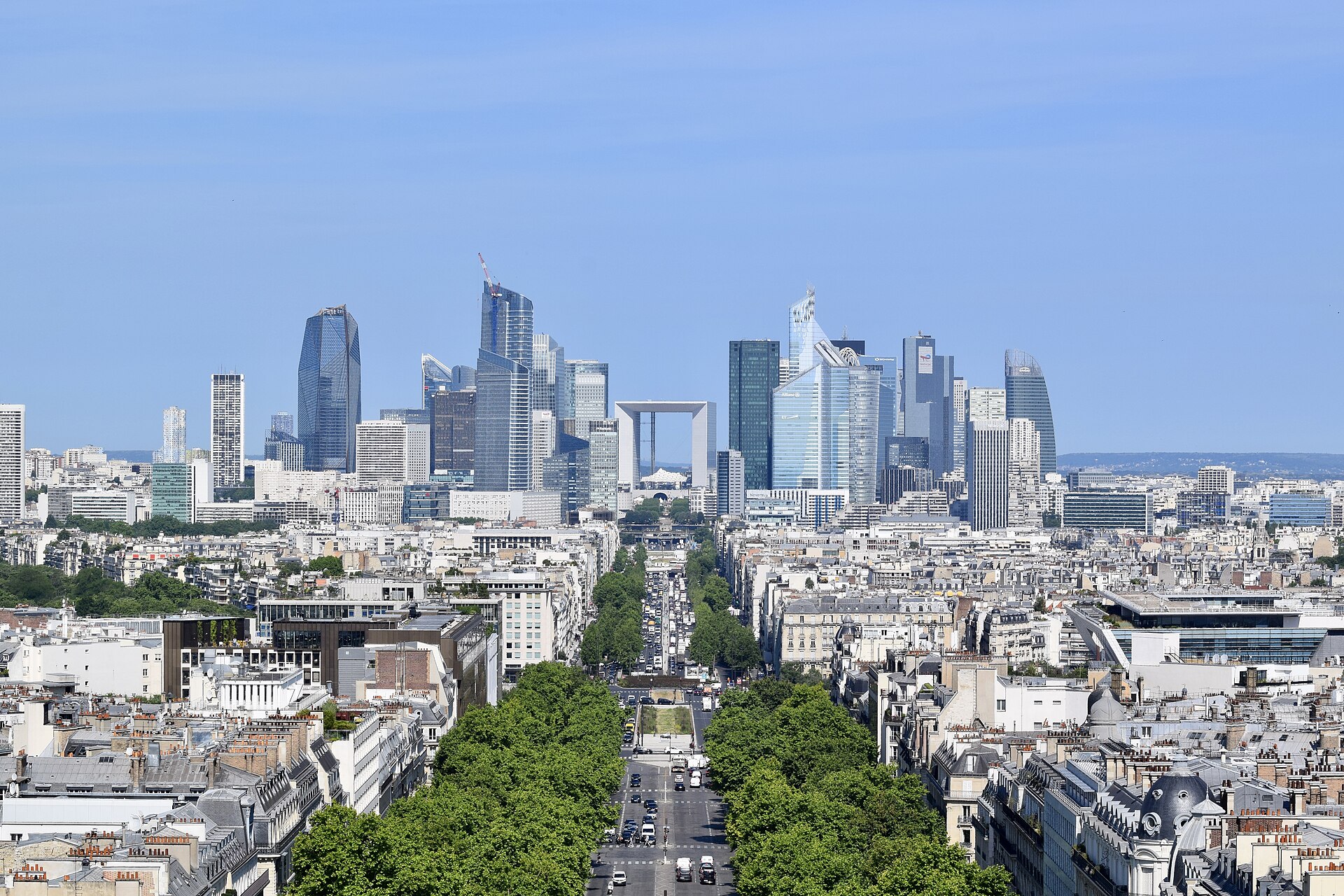
Paris enters 2027 with global demand, powerful brands and a visitor economy under pressure to deliver more value rather than simply more volume. The best opportunities sit where luxury, technology, hospitality and urban experience intersect.
1. Upper-upscale hotels beyond the obvious districts
Central palaces are not the only market. Select-service, serviced apartments and premium hotels near event corridors, western Paris and future regional poles can capture longer stays. Investors should follow transport, mixed-use demand and realistic room pipelines—not prestige addresses alone.
2. Beauty tourism with clinical governance
Paris can connect licensed physicians, French beauty brands, recovery hospitality and multilingual navigation. The investable layer is trusted infrastructure around care, not aggressive procedure selling. Credentials, follow-up and data protection are the moat.
3. Bookable private experiences
Atelier visits, specialist guides, private cultural access, gastronomy and family learning can increase spend and length of stay. The gap is reliable inventory: transparent pricing, multilingual booking, cancellation rules and quality control.
4. Gastronomy as an exportable visitor platform
Opportunities extend beyond restaurants into chef experiences, private dining, culinary districts, food halls, events and hotel partnerships. Operators that manage dietary diversity, group logistics and late schedules can unlock Gulf, American and Asian demand.
5. Events that live across the city
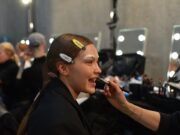
Fashion Week, design fairs, art, sport and concerts create temporary economies. Platforms that connect event calendars with rooms, transport, dining and after-hours programming can capture spend that is currently fragmented.
6. Luxury retail after the transaction
Private appointments, tax-free support, hotel delivery, alterations and post-trip clienteling can make Paris shopping more competitive. Retail technology should remove friction without removing the relationship that luxury customers value.
7. Travel technology for complex guests
The opportunity is not another generic itinerary app. Hotels, concierges and DMCs need secure tools for preferences, multilingual messaging, live changes, partner verification and accountable handoffs. AI can assist; human operators must own the outcome.
8. Gulf investment and Gulf-ready service
Saudi and broader Gulf capital can enter hotels, entertainment, retail and mixed-use projects. The commercial opportunity also runs in the other direction: Arabic service, family accommodation, privacy, halal-aware dining and premium mobility improve Paris for high-value GCC guests.
9. Premium mobility as hospitality
Airport reception, chauffeurs, rail connections, luggage and event dispatch should be treated as one product. Electrification, driver training and real-time coordination can improve margins and visitor confidence. The vehicle is only one component.
10. Emerging high-value markets
India, Brazil, Mexico, Southeast Asia and younger independent Chinese travellers require different acquisition, payments, food and content. Investors should build adaptable multilingual operations rather than wait for one mass-market recovery.
The investor filter
Every opportunity should pass five tests: does it solve a real visitor friction; can it operate across languages; is regulation clear; can partners deliver consistently; and does it increase local value without degrading residents’ experience?
Paris 2027 will reward businesses that connect the city’s assets. The winning investment will not merely add another luxury object. It will make Paris easier, richer and more coherent to experience.




[…] show also reinforces Paris as a headquarters city for tourism strategy. Read our wider analysis of Paris tourism and luxury investment opportunities and why integrated travel and concierge operations […]
[…] the broader capital thesis, see our analysis of Paris tourism and luxury investment and how Paris could build a new luxury beauty […]