




















Osama Samaha — Editor-in-Chief
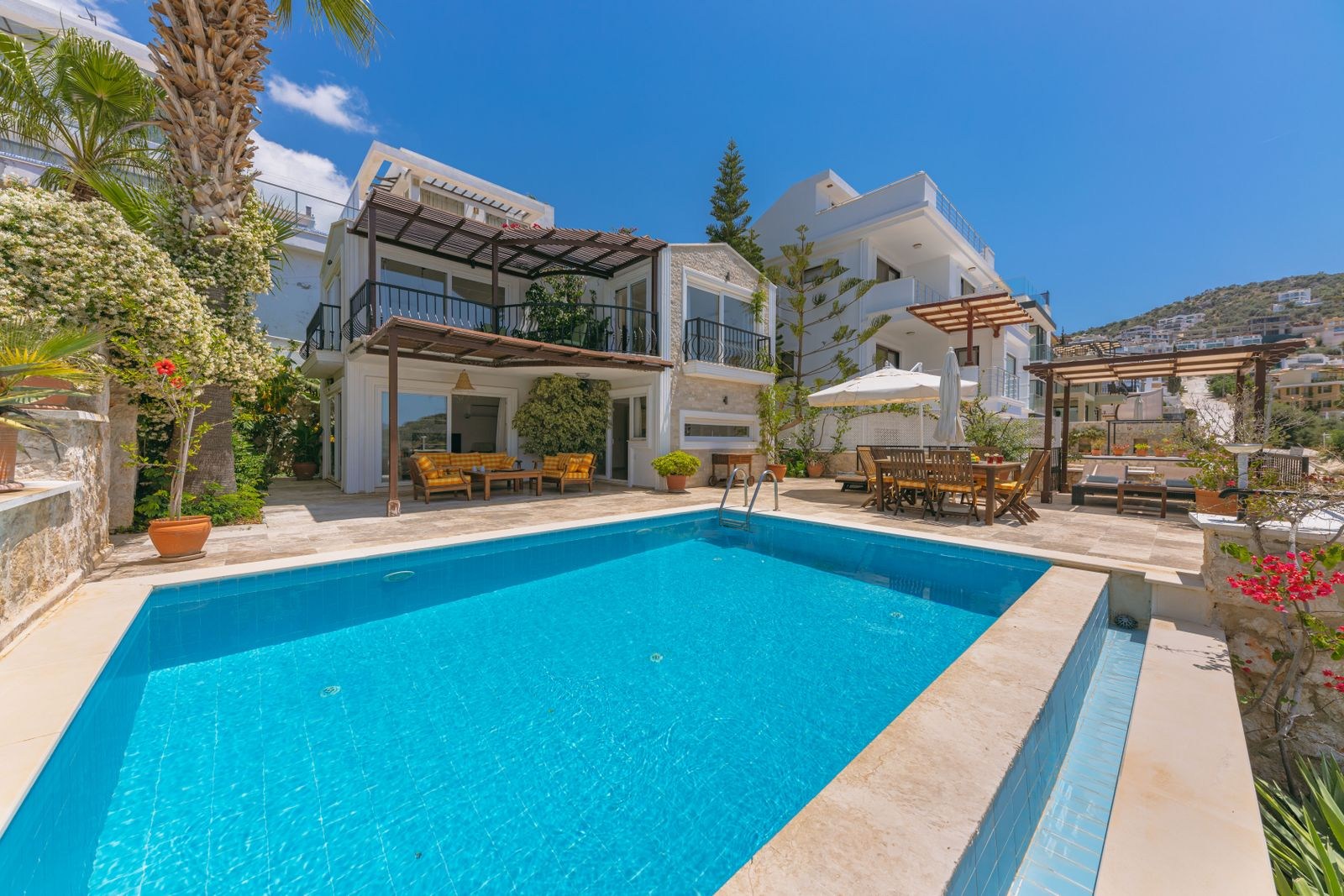
A villa with greenery and an outdoor swimming pool. Ahmet ÇÖTÜR · Pexels License
The grandparents want a gentle morning. The children want the pool. Someone needs an hour of quiet work. A three-generation holiday succeeds when the accommodation allows different rhythms without separating the family.
Begin with the household
List sleeping arrangements, mobility needs, meals and privacy for every traveller. Identify the shared moments that matter: a long lunch, one excursion or an evening together. Then find accommodation that makes those moments easy. Bedroom count is not enough. Four bedrooms can mean similar rooms or a magnificent principal suite and several small annexes. Request a labelled plan and allocate rooms before a non-refundable payment.
What a serviced villa adds
Shared living rooms, flexible dining and a private base can make time together easier. Resort residences may combine this layout with hotel services. Four Seasons’ family-travel overview describes several villa and residence options in Asia. Staffing is property-specific: ask whether housekeeping, cooking, grocery shopping and laundry are included, optional or unavailable. A chef’s fee may still exclude ingredients and overtime.
When suites work better
Hotel suites can suit guests who prefer independent meals, room service and shared facilities. Connecting rooms may help parents, but a request for adjacent rooms is different from a guaranteed connection. Ask what is confirmed. Does an extra bed make the living room unusable? Check occupancy rules and breakfast entitlement for every adult and child. The cheapest displayed suite can change once the correct party size is entered.
Ask precise safety questions
For a private pool, check barriers, depth, access from bedrooms and supervision. A beautiful photograph does not establish child safety. Ask about balconies, exterior steps and lighting. For reduced mobility, request door widths, step-free routes and bathroom details. Discuss the route from vehicle drop-off to the bedroom. An accessible sleeping room is not sufficient when the family’s gathering space remains difficult to reach.
Agree a fair budget
Compare the same people, nights and service level: accommodation, taxes, meals, staff, transport and deposits. Decide how larger bedrooms and shared costs will be allocated. A fair arrangement is the one understood and accepted by everyone, not necessarily an equal split between individuals. Keep additional excursions optional and appoint a lead contact with an agreed limit for changes. One relative should not become the unpaid organiser of every decision.
Protect time together
Choose one principal shared activity per day with optional alternatives. Keep arrival day light and include meals that do not require everyone to leave the property. A private base is wasted when the family is always in transit. Share one concise document containing rooms, arrival times, dietary needs and key contacts. Confirm checkout, luggage storage and late-flight arrangements. Thoughtful planning means no one has to ask the same question five times.
Frequently asked questions
Is a villa always cheaper for a large family?
No. Staffing, food, taxes, transport and minimum stays affect the total. Compare equivalent services.
Are connecting hotel rooms guaranteed?
Only when the confirmation explicitly says so. Adjacent rooms do not necessarily connect.
Does a private pool come with supervision?
Do not assume it does. Ask the property and clarify accompanying adults’ responsibilities.
Would your family prefer a shared house, independent suites or fewer activities and more time together?
Send your question to the editorial team