

Osama Samaha — Editor-in-Chief
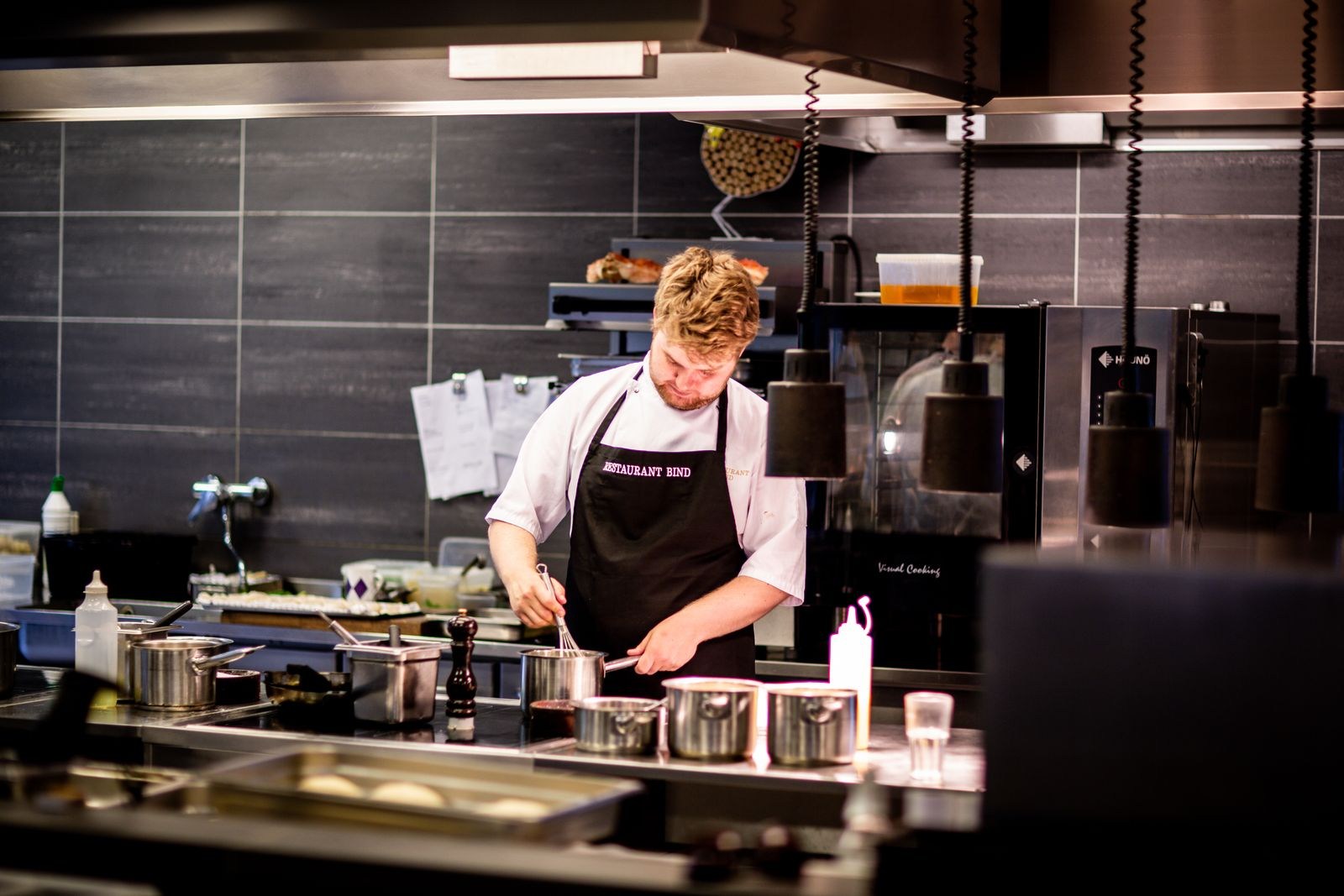
Food preparation in a professional kitchen. Rene Terp · Pexels License
A memorable Paris meal can end with a photograph. A good cooking class can send you home with a skill. The difference is what you do yourself, how the chef teaches and whether the programme fits the people attending.
Choose the memory you want
A pastry workshop, a market-to-kitchen morning and a multi-course lesson offer different rewards. A traveller hoping to master a sauce needs a different format from a family celebration. Ask for the programme and participation details: does each guest prepare a dish, share a workstation or watch a demonstration? Hands-on does not necessarily mean everyone handles every stage. A clear explanation is more valuable than an immaculate kitchen photograph.
Confirm the teaching language
École Ducasse Paris Studio separates English-language classes from other courses, which it says are taught in French; paid translation may be available. Confirm the exact session. An English booking page does not prove English teaching. Ask about instructions, safety explanations and recipes. For a mixed-language private group, establish whether interpreting reduces cooking time or adds a charge.
Look at teaching time
Request the maximum group size, workstations and instructor ratio. Are ingredients weighed beforehand? Does the recipe start from scratch? What happens while food rests or bakes? Advance preparation can help but changes the lesson. A premium experience should include questions and correction. The best souvenir might be understanding how to rescue a sauce or judge dough rather than taking home a decorated box.
Discuss dietary needs before payment
Describe allergies and ingredients you cannot handle precisely. Ask whether the menu can be adapted and how cross-contact is managed. A substitute dessert is different from a kitchen suitable for a severe allergy; the school must explain its limits. Check alcohol in recipes and optional tastings. For children, confirm minimum ages, hot surfaces, knives and adult participation. Private booking does not remove safety rules.
For celebrations and company groups
A private class gives people a shared task before a meal. The Ducasse education overview includes enthusiast courses and corporate uses. Availability and the exact programme require a quotation. Explain whether your gathering is for social connection, an anniversary, clients or technical learning. Agree photography, speeches and branding beforehand. Guests should not unexpectedly become participants in a promotional production.
Compare the complete experience
Does the fee include ingredients, equipment, an apron, recipes, food and drinks? Will you eat the dishes, take them away or both? Ask about storage and safe transport if you continue sightseeing. Leave a buffer before the class and avoid a second large meal immediately afterwards. Follow footwear and clothing guidance. Choose the offer whose language, teaching and participation fit your goal, even when another has a more famous name.
Frequently asked questions
Are Paris cooking classes taught in English?
Some are. Confirm the language of the exact session rather than the booking website.
Can a school accommodate an allergy?
It depends on the kitchen and menu. Discuss the specific allergy before paying and obtain the provider’s limits.
Is a private lesson always better?
No. Compare actual teaching attention and participation. A well-designed shared class can be excellent.
What would you like to learn in Paris: a classic sauce, French pastry or how to turn a market visit into dinner?
Send your question to the editorial team