











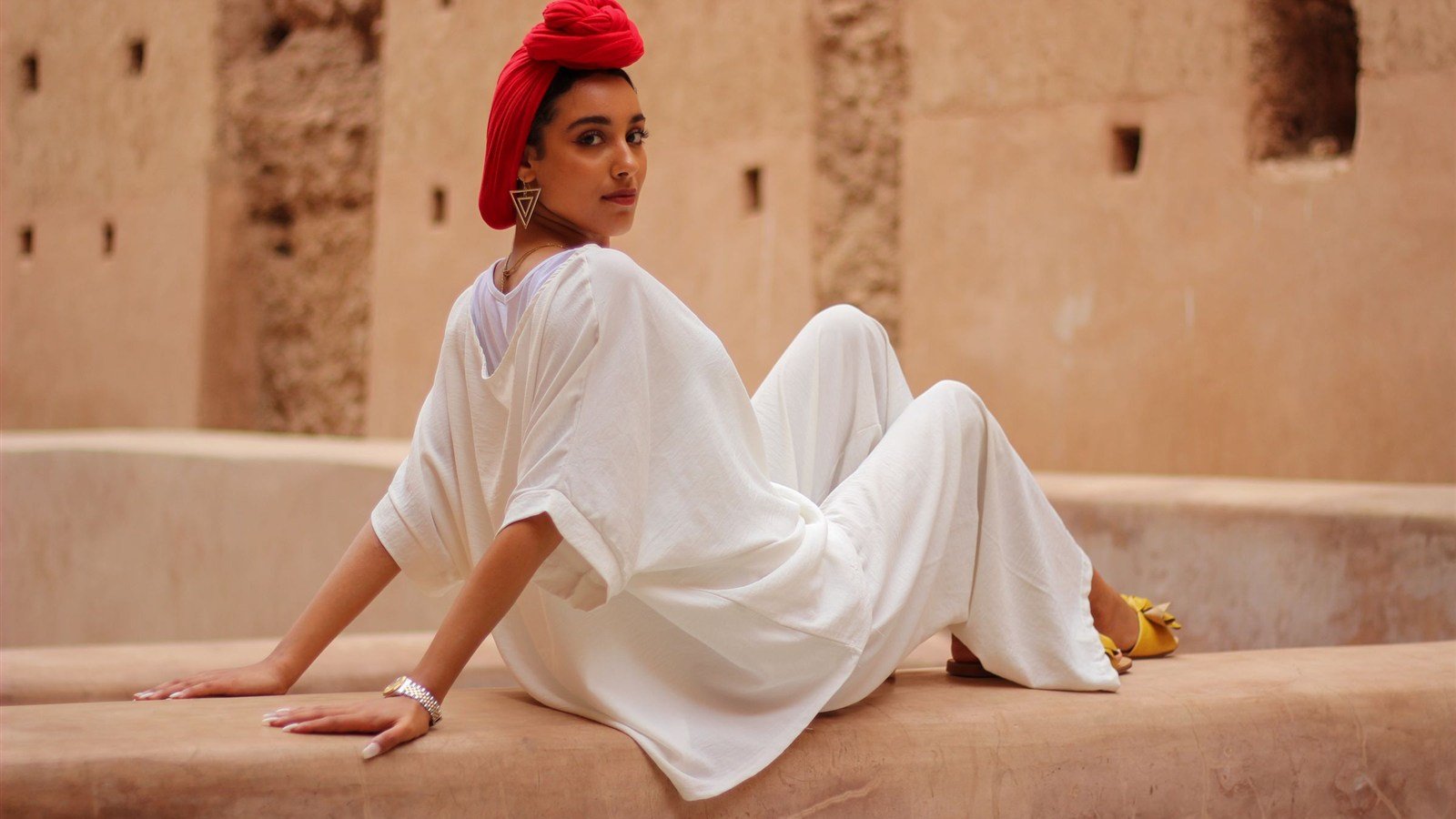
Imagine one trip that begins with breakfast in a Marrakesh riad, reaches the Atlantic in Essaouira and ends under the stars near Merzouga. Is Morocco competing with Spain, Türkiye, Egypt and Tunisia at the same time — or has it created a category of its own?
Morocco does not sell one holiday. That is its greatest advantage and its hardest management challenge. A beach traveller may compare Agadir with Spain or Tunisia. A guest looking for historic streets, food and shopping may weigh Marrakesh or Fez against Istanbul. Someone chasing winter sun and desert landscapes may compare Morocco with Egypt. Few destinations, however, combine imperial cities, Atlantic and Mediterranean coastlines, the Atlas Mountains, oases, desert camps, riads and living craft traditions within one itinerary.
The numbers explain why this is now a serious contest. Morocco’s official portal says the country welcomed nearly 20 million visitors in 2025, a record that made it Africa’s leading destination by arrivals. In the first half of 2026, it received 9.4 million visitors, up 6% year on year. Nights in classified accommodation rose 9%, while travel receipts reached MAD 64.9 billion, up 15.9%. This is not simply an Instagram trend: tourism is feeding hotels, restaurants, transport, retail, crafts and investment.
Morocco competes with Spain, Portugal, Türkiye, Egypt, Tunisia and Greece depending on the trip, but stands out by combining historic cities, beaches, mountains and desert in one country close to Europe.
Who really competes with Morocco?
No single destination challenges Morocco in every segment. Competition changes with the traveller’s purpose.
| Competitor | Where demand overlaps | Morocco’s edge | Morocco’s exposure |
|---|---|---|---|
| Spain and Portugal | City breaks, Atlantic and Mediterranean coasts, food and culture, short-haul Europe | A sharper cultural contrast, riads, medinas and the Sahara | Intercity mobility and consistent service standards |
| Türkiye | Heritage cities, shopping, resorts, food and value | Proximity to Western Europe, desert routes and Amazigh-Arab-Andalusian identity | Türkiye’s air network and large hotel inventory |
| Egypt | Winter sun, desert, heritage and resorts | A varied road-trip product linking cities, coasts, mountains and craft | Egypt’s global monuments and Red Sea resort scale |
| Tunisia | Beach, resort, wellness and value | A broader mix of imperial cities, Atlantic coast, mountains and desert | Price competition and the need to refresh coastal product |
| Greece | Sea, culture, cuisine and couples’ travel | A longer season in some regions and distinctive riad/desert stays | Clearer luxury positioning and easier direct booking |
| UAE and Saudi Arabia | Events, business, shopping and high-end hospitality | Living heritage and diverse landscapes | Competing for international events and premium air capacity |
This is editorial analysis of overlapping demand, not an official country ranking. A competitor can also become a partner: the 2030 FIFA World Cup, co-hosted with Spain and Portugal, creates an opportunity for multi-country itineraries between Africa and Europe.
Morocco’s leading tourism cities: what the data actually says
Airport traffic is often misreported as a city’s tourist count. The table therefore separates growth in classified accommodation nights from airport passengers. Passengers can include residents, domestic travellers and connecting traffic.
| Destination | Accommodation-night change, H1 2026 | Airport passengers, first 7 months of 2026 | Why go? |
|---|---|---|---|
| Marrakesh | +10% | 6.41 million | Riads, medina, gardens, dining, luxury hotels and events |
| Casablanca | +11% | 6.95 million at Mohammed V | Morocco’s air and business gateway, Hassan II Mosque, architecture and nightlife |
| Agadir | +11% | 2.18 million | Beach resorts, mild climate and access to the Souss coast |
| Tangier | +10% | 1.71 million | Mediterranean views, new hotels, culture and proximity to Europe |
| Rabat | +20% | 1.45 million | Museums, the Kasbah of the Udayas and a calmer capital-city experience |
| Fez | +6% | — | Medina, tanneries, madrasas and the workshops behind Moroccan zellige |
| Essaouira | +6% | — | Walkable Atlantic medina, seafood, music and wind sports |
| Ouarzazate | +23% | — | Kasbahs, film locations and the gateway to desert routes |
| Errachidia and Merzouga | +9% in Errachidia | — | Dunes, oases, desert camps and Drâa-Tafilalet itineraries |
The data does not make a smaller city “weaker”. It shows each place’s role in a wider trip: Casablanca is an air and business gateway, Marrakesh is the leisure and events engine, Agadir anchors the resort market, while Fez, Essaouira, Ouarzazate and Merzouga can generate longer stays and more local spending.
Marrakesh: the city that sells the Moroccan dream
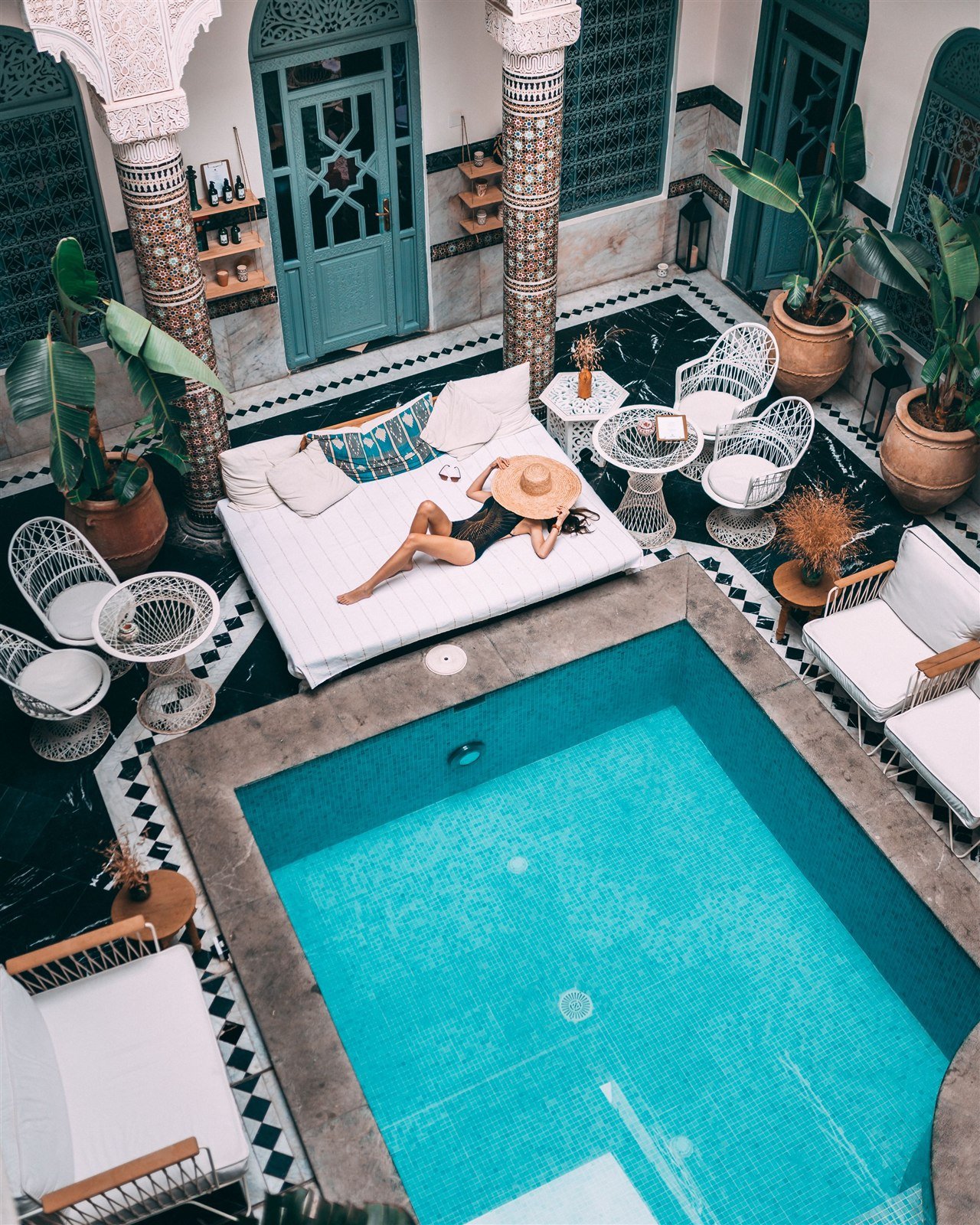
Marrakesh turns an image into a booking better than any other Moroccan city: a discreet door opening into a tiled courtyard, a rooftop above the medina, ambitious restaurants, and mountains or desert accessible on separate excursions. Its strength is no longer only Jemaa el-Fna; it is the combination of hospitality, culture, design, food and events.
Success carries a risk. If prices rise without matching quality, or if a polished visitor experience loses contact with craftspeople and residents, Marrakesh weakens the very identity it sells. Smart investment means more than new rooms: training, mobility, public space, heritage protection and water management matter just as much.
Agadir and Essaouira: two very different Atlantic offers
Agadir competes in the sun-and-resort market and works well for families and long winter stays. Essaouira attracts travellers who want a walkable city, art, live music, seafood and surfing. Together, they make the Atlantic coast more than a row of sun loungers: it becomes a lifestyle and a creative economy.
Fez, Rabat and Meknes: Morocco beyond Marrakesh
Fez makes craft part of the journey rather than a souvenir at the end of it. Rabat offers a quieter cultural and institutional face, while Meknes and Volubilis add depth to an imperial-cities route. These destinations can spread visitors and tourism income beyond the heavy concentration in Marrakesh and Agadir.
Tangier and Chefchaouen: Europe’s gateway and the image the world searches for
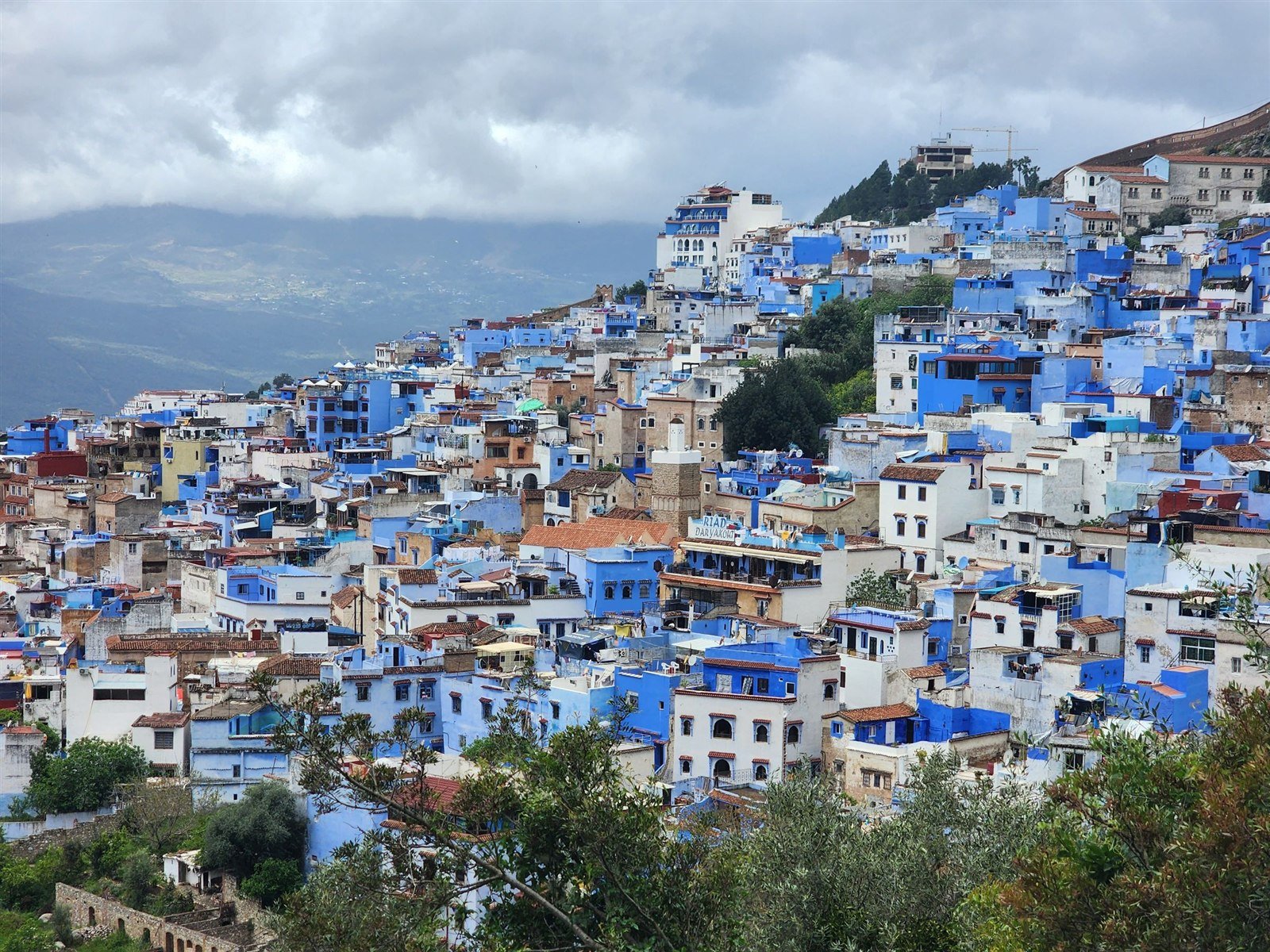
Tangier has moved from stopover to stay, with a renewed waterfront, hotels and cultural life. Chefchaouen owns one of Morocco’s most searchable visual identities. Its challenge is to turn the “blue city” from a quick photo stop into overnight value for restaurants, guides, artisans and Rif Mountain experiences.
Ouarzazate and Merzouga: can the desert raise the value of a trip?
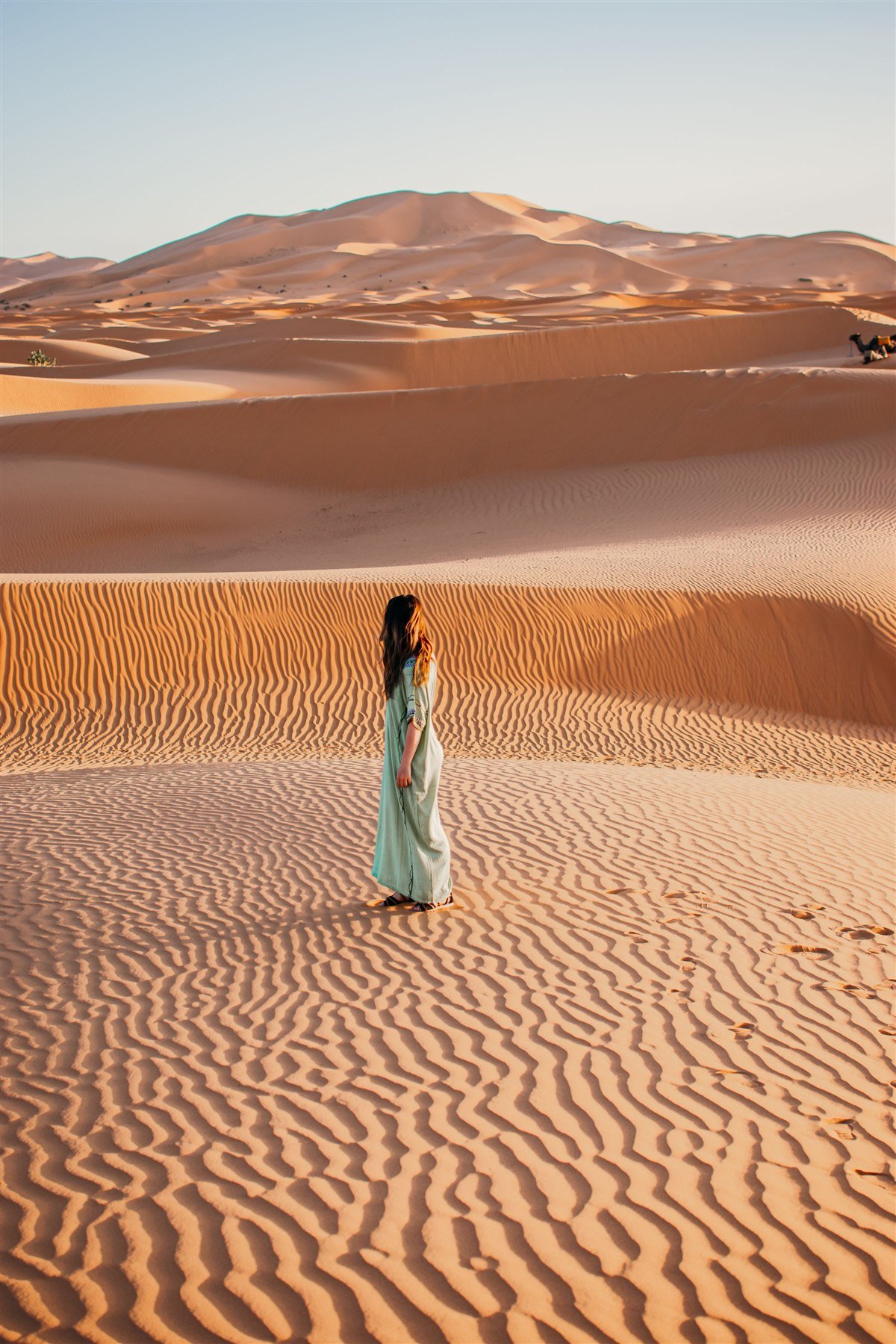
The desert is not one product. It includes kasbahs, film studios, the Drâa Valley, oases, hiking, camps and Amazigh culture. Ouarzazate’s 23% rise in classified accommodation nights in the first half of 2026 is a strong signal that travellers are looking beyond the classic city circuit.
The next stage must manage water, energy and waste while respecting local communities. Luxury in the desert need not mean excess. It can mean an excellent guide, genuine silence, local food, comfortable low-impact accommodation and time.
Morocco’s neighbourhood is a tourism asset
Morocco sits in northwest Africa, facing both the Atlantic and the Mediterranean and looking towards Spain across the Strait of Gibraltar. That location places it between Europe, West Africa and the Arab world. Geography drives flights, ferry routes, investment, business travel and the possibility of multi-country journeys.
The location will be on global display in 2030, when Morocco co-hosts the World Cup with Spain and Portugal. Tourism success will not be measured only by stadiums. It will depend on whether a fan can move easily from airport to city — then add Fez, Essaouira or the desert to the same trip.
Events worth building a trip around
- Marrakech International Film Festival: the 23rd edition runs from 20 to 28 November 2026, combining screenings, public conversations and industry activity.
- MDS Legendary: scheduled for 2–12 April 2027, this six-stage, 250-kilometre race turns the Sahara into an international endurance and travel event.
- GITEX Africa, Marrakesh: the next edition has been announced for 26–28 April 2027, showing the city’s pull in conferences, technology and investment as well as leisure.
- Gnaoua and World Music Festival, Essaouira: an annual event linking music with the city’s hospitality and local economy. Confirm the next official dates before booking.
- FIFA World Cup 2030: still several years away, but already shaping investment in airports, rail, roads, hotels and urban experience.
What Morocco must do next
Record arrivals do not guarantee repeat visits. The next phase needs five priorities:
- Spread demand: sell routes such as Marrakesh–Ouarzazate, Fez–Chefchaouen and Agadir–Essaouira instead of overloading two hubs.
- Make quality predictable: improve standards for transport, guiding, accommodation and pricing from budget to luxury.
- Make intercity travel easier to understand: connect airports, rail and road with information travellers can use before arrival.
- Protect the original product: water, medinas, crafts, neighbourhoods and residents are not scenery; they are the experience.
- Turn events into longer stays: every conference, festival and match should lead to an extra night and local activity.
Morocco’s official tourism roadmap targets 26 million tourists by 2030 and builds the offer around city breaks, coast, desert, nature, business, culture, festivals and craft. The number may be achievable. The more important test is how long visitors stay, what they spend and how much value reaches workers, restaurants, guides and artisans outside the best-known hubs.
Questions travellers ask
How many tourists visit Morocco?
Morocco welcomed nearly 20 million visitors in 2025 and recorded 9.4 million in the first half of 2026, according to official Moroccan data.
What are Morocco’s best tourism cities?
Marrakesh, Agadir, Casablanca, Tangier, Rabat, Fez, Essaouira, Chefchaouen, Ouarzazate and Merzouga are leading destinations, each serving a different city, beach, culture or desert trip.
Which countries compete with Morocco for tourists?
Morocco competes mainly with Spain, Portugal, Türkiye, Egypt, Tunisia and Greece, and with Gulf cities in events, business travel and luxury hospitality.
When is the best time to visit Morocco?
Spring and autumn suit Marrakesh, Fez and inland routes; the coast is mild for much of the year; and the desert is usually most comfortable from October to April.
Is Morocco good for luxury travel?
Yes. Morocco offers luxury riads, resorts, private dining and desert experiences in Marrakesh, Tangier, the Atlantic coast and the Sahara, although standards should be checked by provider.
Why does Morocco matter ahead of the 2030 World Cup?
Morocco will co-host the 2030 World Cup with Spain and Portugal, accelerating transport, airport and hospitality investment and creating a chance to turn football fans into multi-city visitors.
The verdict
Morocco does not need to imitate Spain’s beaches, Türkiye’s shopping, Egypt’s monuments or the Gulf’s spectacle. Its strongest story is the short distance between very different worlds. If it makes those worlds easy to book, reliable in quality and respectful of place and people, the question will no longer be who competes with Morocco — but who can offer this much variety in one journey.
Official sources
- Morocco’s official portal: 9.4 million visitors in H1 2026
- Morocco’s official portal: nearly 20 million visitors in 2025
- Morocco’s official portal: more than 22 million airport passengers in seven months
- Morocco tourism roadmap and 2030 target
- Marrakech International Film Festival — official site
- Marathon des Sables — official MDS Legendary 2027 details
- Marrakech–Safi Chamber of Commerce: GITEX Africa 2027 dates
- FIFA — Morocco, Spain and Portugal to host the 2030 World Cup