











Paris with children: practical family guides
The best travel science lesson is something a child operates with their own hands and keeps discussing on the metro. Paris is particularly strong at this, but the experience depends on matching the space to the age.
We compare scientific play, sensory discovery and natural history so you do not book an excellent experience for the wrong developmental stage.
The golden rule: one anchor + room to move + a nearby back-up.
Quick chooser by age and weather
| Why it is worth your time | Best age | Allow | Budget |
|---|---|---|---|
| Cité des enfants – Cité des sciences | Ages 2–10 by zone | Timed session plus museum time | Paid; book a timed session |
| Palais des enfants – Grand Palais | Ages 2–10 | About 2 hours | Paid and timed |
| Grande Galerie de l’Évolution | Age 4+ | 2–3 hours | Paid; exemptions apply |
| Aquarium tropical du Palais de la Porte Dorée | Ages 2–12 | 1.5–2 hours | Paid |
| Parc de la Villette & Little Villette | Ages 2–12 | Half or full day | Gardens free; some programmes paid |
Science should not be another screen
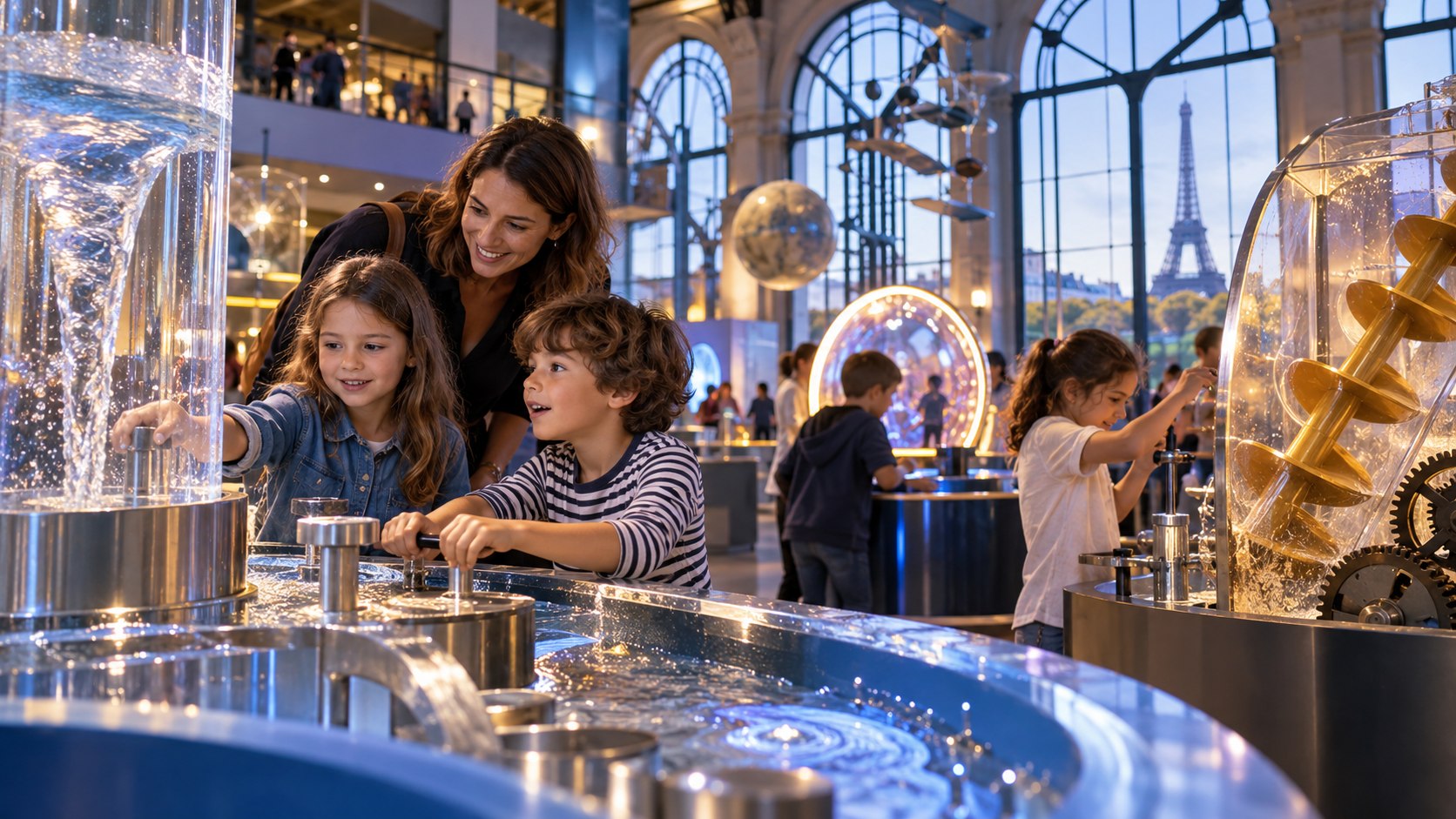
Prioritise experiences where a child builds, moves water or tests light. A screen alone may feel too much like home. Ask, “What do you think will happen?” before each attempt; that simple question turns play into observation and experiment.
Match the developmental stage
Ages 2–6 spaces use body, language and cause-and-effect; older zones may require reading, patience and collaboration. Age rules are not mere administration. With siblings, split a session or choose a broad venue such as the Evolution gallery.
Let curiosity lead
Do not attempt every device. Returning to one experiment three times is success, even if half the room goes unseen. Photograph the result and note the question that remained; it can continue at the hotel or at home.
Inside the experiences: two useful views before you choose
Recommended places and how to choose
Do not turn the list into a race. Read age and duration, then open the official pages of the two best fits.
1. Cité des enfants – Cité des sciences
Why it is worth your time: Hands-on building, water, movement and discovery designed for children—not a reduced adult museum.
- Best age: Ages 2–10 by zone
- Allow: Timed session plus museum time
- Budget: Paid; book a timed session
- Getting there: 30 avenue Corentin Cariou, 75019 Paris · Porte de la Villette
- Official website
Editor’s tip: Choose the correct age zone and do not arrive after the session starts.
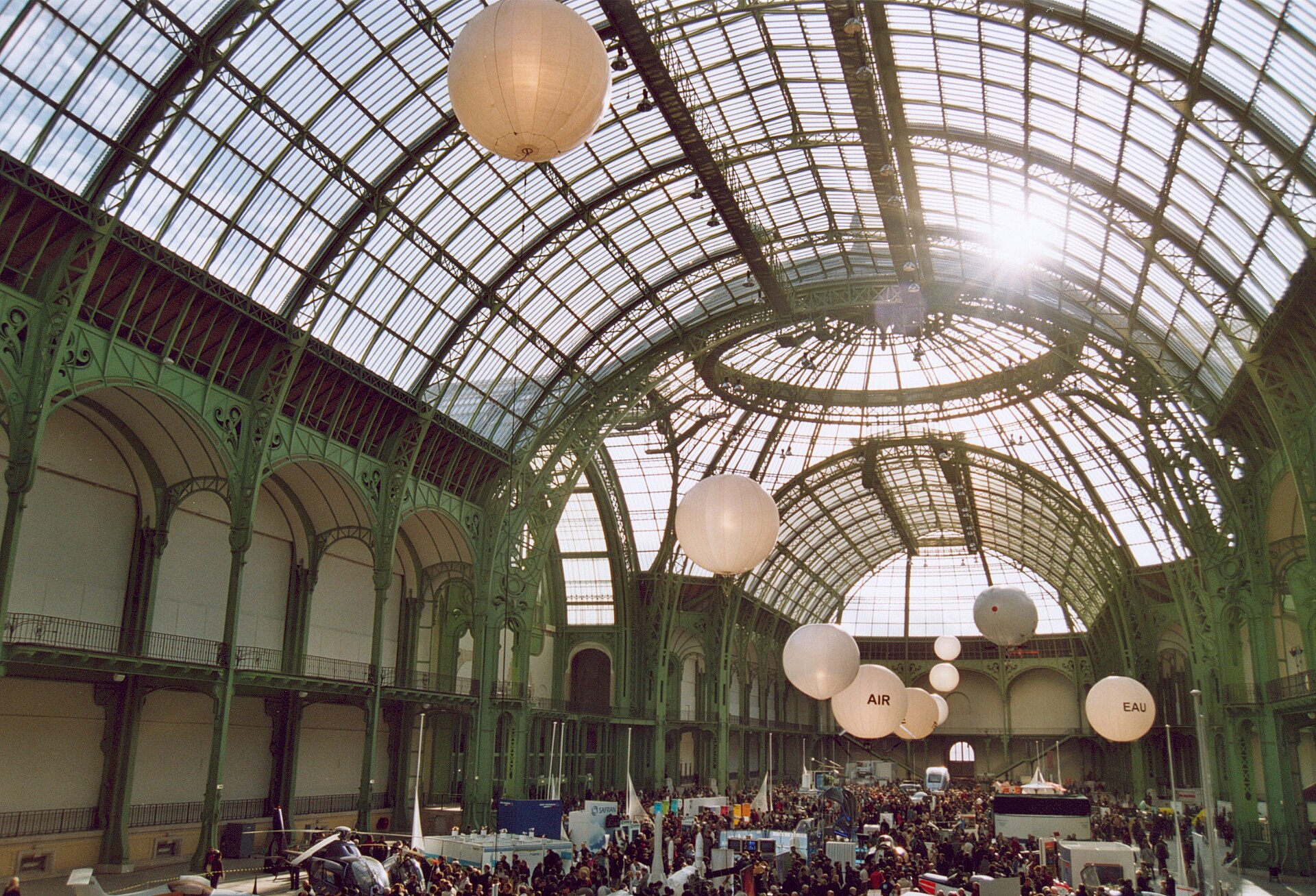
2. Palais des enfants – Grand Palais
Why it is worth your time: A newer central-Paris space combining art, science and sensory exploration.
- Best age: Ages 2–10
- Allow: About 2 hours
- Budget: Paid and timed
- Getting there: 17 avenue du Général Eisenhower, 75008 Paris · Champs-Élysées–Clemenceau
- Official website
Editor’s tip: Excellent for rain, but do not rely on walk-up tickets.
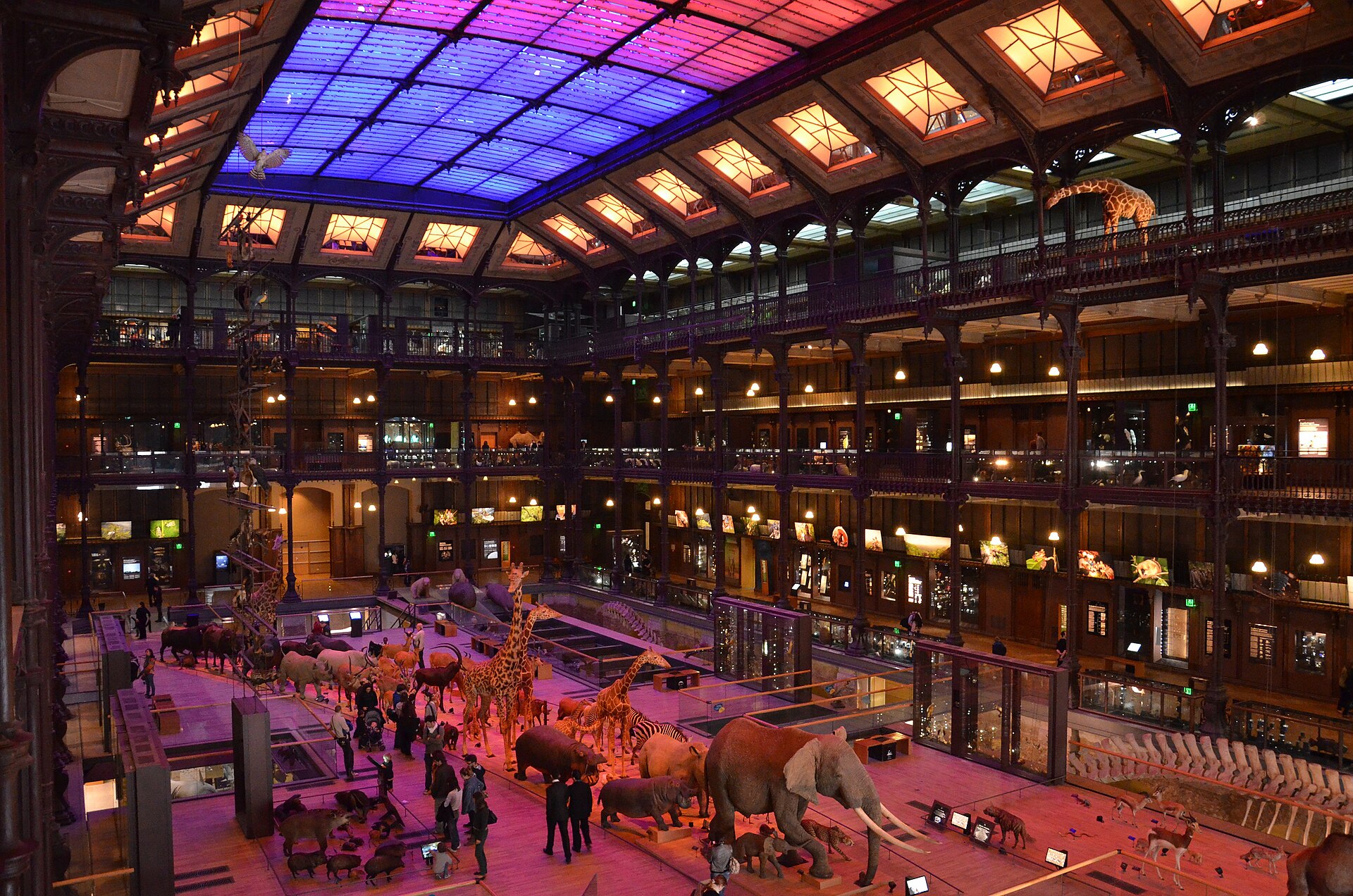
3. Grande Galerie de l’Évolution
Why it is worth your time: The animal procession in the great hall is spectacular and opens an accessible story about biodiversity and extinction.
- Best age: Age 4+
- Allow: 2–3 hours
- Budget: Paid; exemptions apply
- Getting there: 36 rue Geoffroy-Saint-Hilaire, 75005 Paris · Jussieu / Gare d’Austerlitz
- Official website
Editor’s tip: Usually closed Tuesdays; confirm before travelling.
4. Aquarium tropical du Palais de la Porte Dorée
Why it is worth your time: A relatively calm indoor option, combinable with nearby woodland or the zoo in settled weather.
- Best age: Ages 2–12
- Allow: 1.5–2 hours
- Budget: Paid
- Getting there: 293 avenue Daumesnil, 75012 Paris · Porte Dorée
- Official website
Editor’s tip: Useful in rain; check crowd information and temporary events.
5. Parc de la Villette & Little Villette
Why it is worth your time: Large play spaces, themed gardens and Little Villette, easily paired with the science museum.
- Best age: Ages 2–12
- Allow: Half or full day
- Budget: Gardens free; some programmes paid
- Getting there: 211 avenue Jean Jaurès, 75019 Paris · Porte de Pantin / Porte de la Villette
- Official website
Editor’s tip: Check the Little Villette programme because workshop and drop-in times change.
Give the day one scientific question
A child does not need five museums to encounter science. They need one experience suited to their age and enough unhurried time to test an idea in their own way.
- Ages two to six: book the younger Cité des enfants space, then remain around La Villette for lunch and movement. Sensory play matters more than a long explanation.
- Ages five to ten: choose either the Cité des enfants or Palais des enfants, not both in one day. Afterwards, ask which experiment they would like to recreate.
- From about seven: the Grande Galerie de l’Évolution works when the question is animals, biodiversity and extinction; the tropical aquarium suits children who prefer quiet observation of living species.
Keep the second activity light and nearby. When curiosity begins turning into fatigue, the good lesson has reached its natural ending.
Before you leave: the short checklist
- Pre-book timed sessions where required, especially at weekends and during school holidays.
- Check the official page on the morning of your visit; opening hours and temporary activities can change.
- Carry water, a snack and an extra layer, even in summer.
- Do not combine two large museums in one day with a young child.
- Keep an indoor back-up for uncertain weather.
- Use metro lifts when available and expect stairs in older stations.
- Put a contact number in the child’s pocket and agree a clear meeting point.
- Set a souvenir and games budget before the visit.
Frequently asked questions
What is the best age to start visiting Paris with children?
Paris can work at any age, but the plan changes. Under five, shorten the day; from six to ten, add hands-on experiences; with teenagers, give them a real role in choosing.
Should children’s activities be booked in advance?
Yes when a venue uses timed sessions or limited capacity. Book the anchor and keep the garden or neighbourhood walk flexible.
How many activities fit one day?
One anchor and one nearby light activity are usually enough. Add a third only when it is short and everyone still has energy.
What is the best rain plan?
Keep an indoor option in the same district and check tickets that morning. Do not cross the entire city merely to rescue the schedule.
Is Cité des enfants – Cité des sciences good for families?
Hands-on building, water, movement and discovery designed for children—not a reduced adult museum. Check the official page on the day because conditions and hours can change.
Send this guide to a family visiting Paris
If this guide helped, share it with friends, relatives and anyone planning Paris with children. Save it too: we revisit official links and practical notes when information changes.
Have you tried a place with your children that deserves inclusion? Tell us the child’s age, when you visited and what worked in the comments—your detail may save another family hours of research.
Sources and editorial method
This guide uses official institutions, Paris’s tourism office and the venues’ own information. Prices, hours and seasonal programmes can change; check the official link before setting out.
- www.cite-sciences.fr/fr/ma-cite-accessible/expositions-permanentes/cite-des-enfants
- www.grandpalais.fr/fr/le-palais-des-enfants
- www.mnhn.fr/fr/grande-galerie-de-l-evolution
- www.aquarium-tropical.fr
- www.lavillette.com/jeune-public
- parisjetaime.com/eng/article/10-fabulous-family-outings-in-paris-a997
- www.paris.fr/pages/espaces-verts-139
OUISTARS Travel
Editorial team