










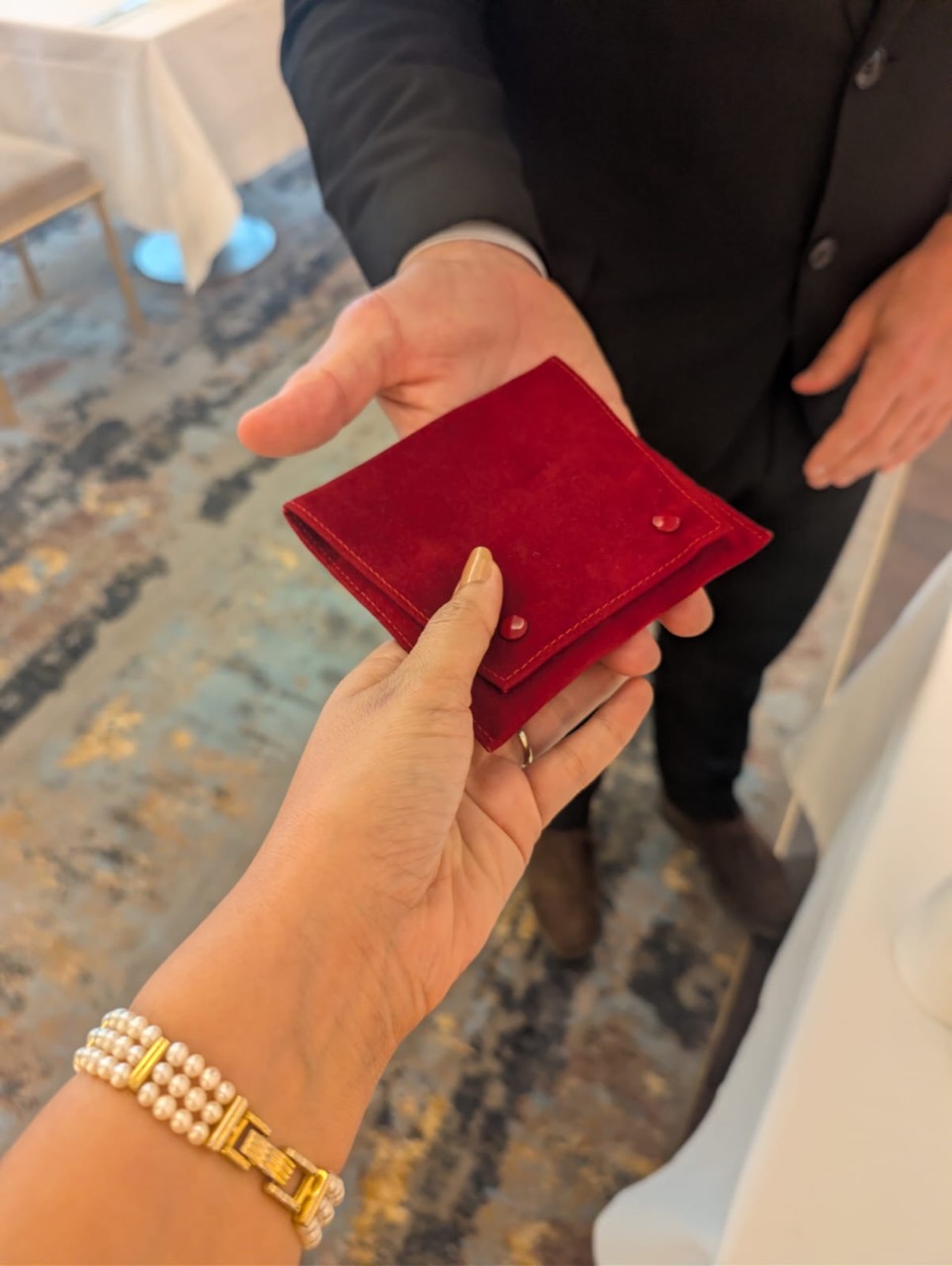

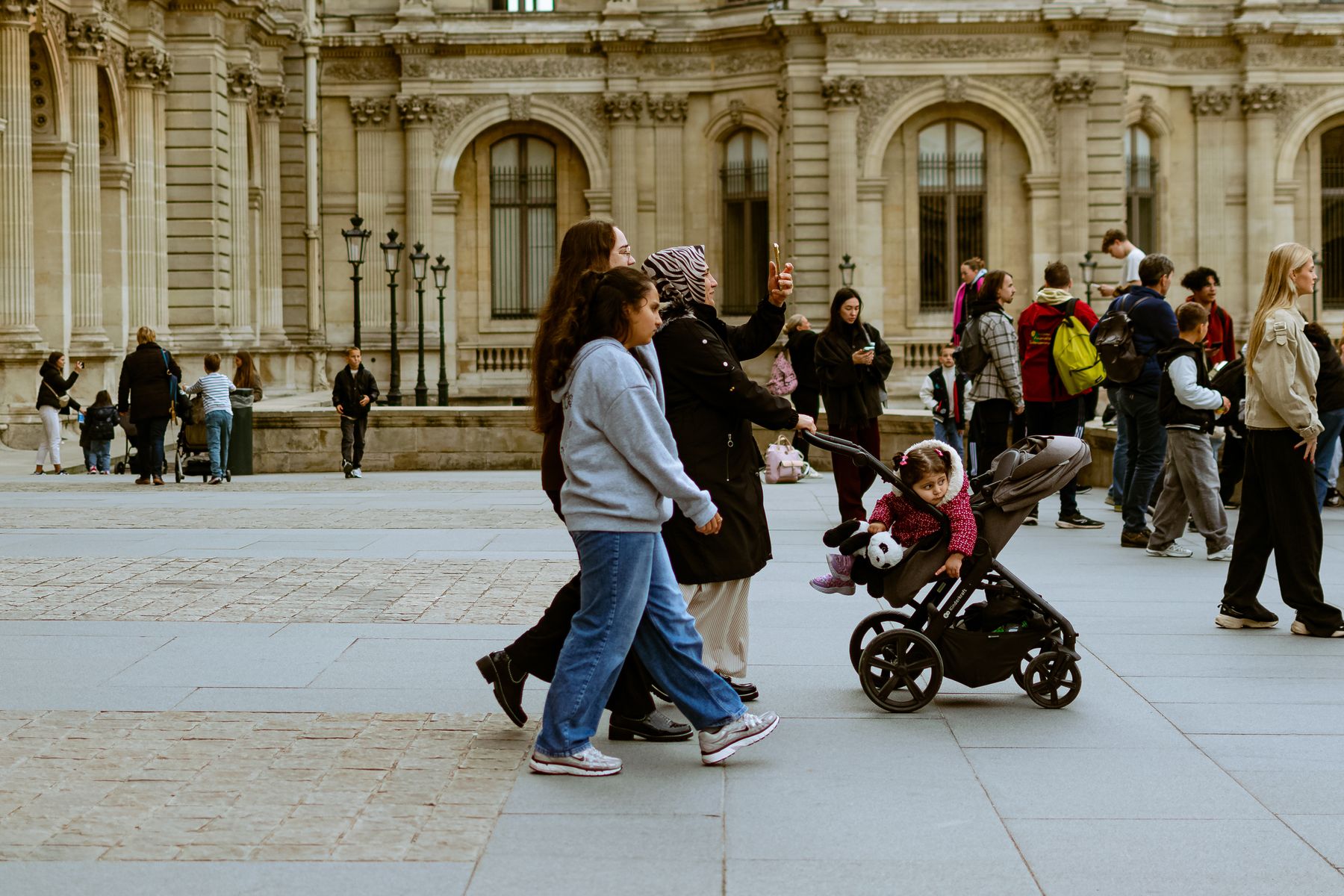
Every summer, Paris becomes a city of overlapping itineraries: children and grandparents at the Louvre, late lunches in hotel courtyards, private shopping appointments, river cruises, restaurants and evening events. Visitors from Saudi Arabia, Qatar, Kuwait, Bahrain and across the Gulf are an important part of that international mix. But the most useful story is not a cliché about “wealthy Gulf tourists taking over Paris.” It is about a diverse visitor segment, a demanding global destination and the details that make a stay work.
What the evidence says — and what it does not
France welcomed 102 million international visitors in 2025 and generated €77.5 billion in international tourism receipts, according to Atout France. Paris tourism’s 2025 summer barometer noted Middle Eastern visitors as positive for the luxury sector. That is context, not a licence to claim that every Gulf market behaves the same way or that Paris is reliably full at one fixed summer moment.
Summer 2026 also requires care. The French Treasury warned that flight restrictions linked to regional conflict could affect tourism from and through the Middle East. Demand has to be measured, not mythologised.
Why Paris still fits multi-generational travel
Paris can combine culture, parks, retail, fine dining and familiar international hotel standards within short distances. That matters to families balancing different ages and energy levels. A morning museum visit can become lunch, shopping, a rest at the hotel and an evening cruise without turning the day into a logistics exercise.
For some visitors, the attraction is luxury retail. For others it is museums, food, education, football, medical appointments or simply time together. The Paris je t’aime luxury platform reflects that breadth. The best hospitality teams ask what a guest wants rather than guessing from a passport.
The economic effect is broader than luxury boutiques
International family travel supports hotels, restaurants, cafés, guides, cultural venues and retailers. It also creates demand for timing: airport arrivals, luggage, accessible vehicles, restaurant reservations and room to change plans. Chauffeur and concierge services matter here not as status symbols, but as coordination tools when a group moves between districts or includes children, older relatives or shopping bags.
For a useful primer, see OUISTARS’ guide to where to stay in Paris. For a day built around several appointments, pre-arranged airport and city mobility can remove friction without becoming the purpose of the trip.
A global welcome is operational, not rhetorical
Paris cannot ask for high-value, repeat visitors and treat the public realm as an afterthought. Clean streets, well-managed queues, clear multilingual information, respectful security and reliable transport protect residents and visitors together. This is not a demand for special treatment for any nationality. It is the baseline of a city that takes tourism, everyday life and dignity seriously.
OUISTARS Editorial Analysis
Gulf travel is significant because it is international, diverse and often carefully planned—not because it can be reduced to one stereotype. The competitive question for Paris is simple: can the city make complex family and premium stays feel calm, safe and personal while remaining open and respectful to everyone?
Sources
One market, several Gulf traveller profiles
“Gulf visitors” are not a single consumer group. Families often prioritise adjoining rooms, privacy, flexible dining and smooth movement with children. High-net-worth travellers look for trusted concierges, private shopping appointments and discreet transport. Business visitors value punctual airport connections, meeting logistics and a hotel close to their programme. Treating these needs as identical leads to missed revenue.
Where the value is created
The economic effect of a successful summer arrival spreads well beyond a hotel room. It reaches restaurants, cafés, luxury boutiques, museums, entertainment venues, chauffeurs, guides and airport services. Longer stays and repeat visits can be more valuable than headline arrival counts, especially when visitors distribute spending across several districts and destinations.
Paris must compete on the complete experience
France remains a leading international destination, but competition from Spain and other European markets is intense. Service consistency, cleanliness, clear information, safe public spaces and reliable late-evening transport shape the memory visitors take home. Luxury begins with confidence at the airport and continues through every street, reservation and transfer.
A practical agenda for 2026
- Use official tourism data to track spending, length of stay and regional distribution—not arrivals alone.
- Train hospitality teams in languages, cultural competence and family-friendly service.
- Coordinate airports, hotels, retailers and attractions around peak travel periods.
- Improve reservations and transport information so visitors can plan before landing.
- Protect public order and cleanliness while respecting residents and every visitor.
OUISTARS Editorial Analysis: Gulf demand can support Paris’s visitor economy, but only if the city converts interest into a seamless, respectful and dependable experience. The opportunity is commercial; the responsibility is public.