















A tourism or hospitality diploma does not lead to one career. In France, it can open the door to a palace hotel, an airport operations room, a luxury maison, a cruise ship, a Michelin-starred kitchen—or a company of your own.
Graduation is often presented as an ending. In tourism, it is closer to an arrival hall: ten doors open at once, each leading to a different rhythm and idea of service. France welcomed 102 million international visitors in 2025 and earned record international tourism receipts of €77.5 billion. Behind those numbers sits an employment ecosystem spanning accommodation, food, aviation, events, travel design, luxury and destination operations.
Demand is real, but a diploma alone is not a boarding pass to management. Employers reward internships, languages, digital fluency, commercial judgment and composure. This guide maps the main career opportunities after tourism and hospitality school in France—and what graduates can realistically expect.
Table of Contents
- The French tourism job market in 2026
- Salary guide at a glance
- Hotels and resorts
- Airlines and airports
- Luxury brands
- DMCs, tour operators and travel businesses
- Cruise industry
- Events and business tourism
- Michelin restaurants and culinary hospitality
- Entrepreneurship
- How to improve your chances of being hired
- Frequently asked questions
France’s tourism economy needs both people and new skills
The hiring story is larger than seasonal work. Tourism connects accommodation, transport, culture, retail and events. France Travail’s 2026 survey reports 2.28 million recruitment projects across the economy; 41% are permanent contracts. Chefs remain difficult to recruit, while hospitality employers increasingly compete on schedules, training and pay.
The strongest opportunities sit where service meets management: revenue, guest experience, digital distribution, events and multilingual coordination. Students can compare the best tourism and hospitality schools in France for international students; internships and employer networks can matter as much as the syllabus.
Expected starting salaries: a realistic 2026 guide
These are indicative gross salaries before French tax and social deductions. Location, contract, premiums, benefits and experience change the offer. Cruise contracts and entrepreneurial income are not directly comparable with standard French salaries.
| Career area | Typical early-career roles | Indicative starting pay | Longer-term path |
|---|---|---|---|
| Hotels | Front office, reservations, guest relations | €1,800–€2,400/month | Rooms director, revenue manager, hotel director |
| Airlines & airports | Passenger service, operations, lounge services | €1,867–€2,500/month, plus some shift premiums | Station supervisor, operations manager |
| Luxury brands | Client adviser, hospitality coordinator, events assistant | About €2,000–€2,900/month, sometimes with variable pay | Client experience, retail or event manager |
| DMCs & tour operators | Operations executive, travel designer, product assistant | €1,890–€2,667/month | Product manager, account director, DMC manager |
| Events | Project assistant, venue or congress coordinator | €2,000–€2,500/month | Senior producer, event director |
| Culinary hospitality | Commis, chef de partie, restaurant operations | €1,950–€2,350/month for a chef de partie | Sous-chef, executive chef, restaurant director |
1. Hotels and resorts: the broadest career ladder
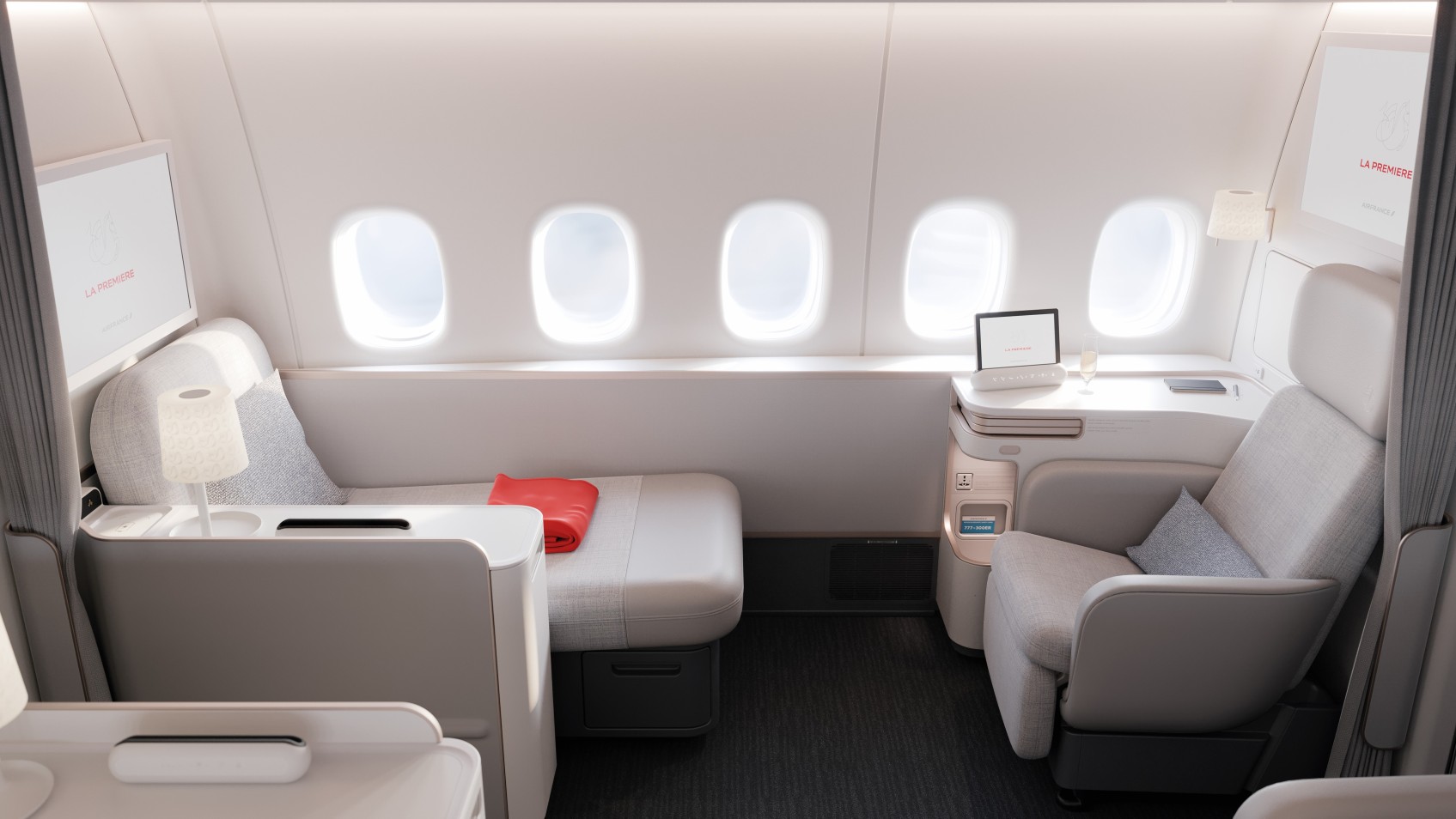
Hotels remain the most versatile graduate employer. Entry points include reception, reservations, concierge, sales, housekeeping supervision, food and beverage and guest relations. Large groups provide structured programmes; independent luxury properties can offer wider responsibility earlier. Front office can lead to rooms division, revenue or general management.
France Travail reported more than 320,000 hotel-and-restaurant recruitment projects in 2025. Onisep lists €2,400 gross per month as a starting director benchmark, although graduates normally reach that title after operational experience. Languages and confidence with property-management and revenue systems accelerate progression.
2. Airlines and airports: service under operational pressure
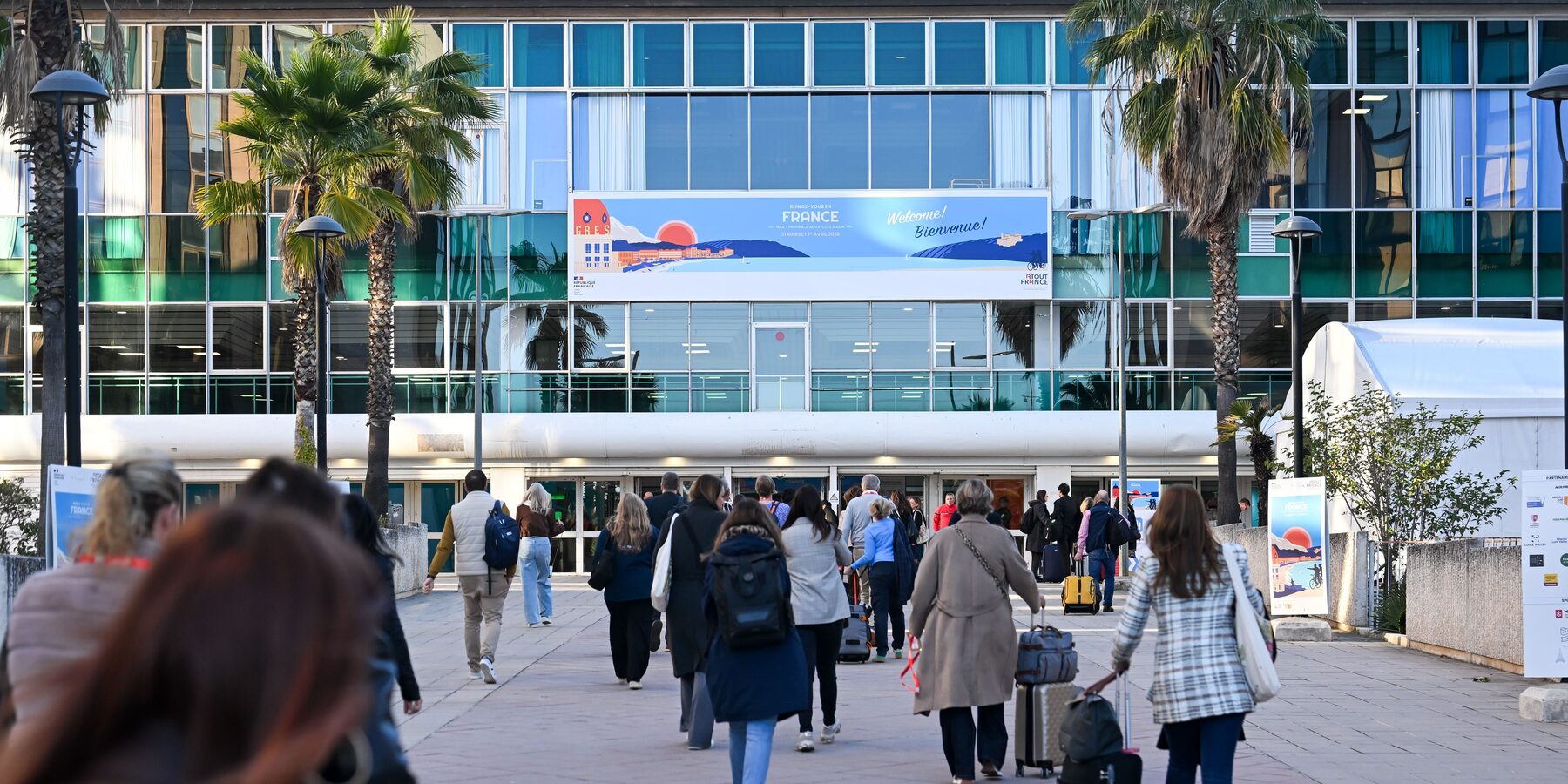
Airlines, airports, ground handlers and lounges recruit for passenger service, disruption management, station operations and VIP assistance. Onisep gives a starting benchmark of €2,000 gross per month for a passenger-service agent, plus some irregular-hours additions. Flight operations range from €1,867 to €2,500.
Shift work is the trade-off, but agents can progress to supervisor, station manager or customer-experience specialist. English is essential; another language adds value.

3. Luxury brands: hospitality beyond the hotel
French luxury houses hire hospitality graduates because premium retail depends on experience, not merchandise alone. Paths include client advising, private-client coordination, boutique hospitality, brand events and VIP relations. Graduate pay often begins around €24,000–€35,000 gross annually, depending on role and variable compensation.
Discretion, cultural awareness and customer lifetime value matter. Palace, restaurant or lounge experience can transfer into a maison. See the hospitality skills employers value most.
4. DMCs, tour operators and travel businesses: designing the journey
Destination management companies turn a brief into a working programme: hotels, guides, restaurants, vehicles and venues. Graduates start as operations coordinators, travel designers, contracting assistants or account executives. Tour operators add product and purchasing. Onisep places starting pay for a tourism product manager between €1,890 and €2,667 gross per month.
Margins, supplier contracts and deadlines matter as much as inspiration. Specialist DMCs compete through local judgment. At oui stars destination management, mobility, airport reception and local coordination form one operational chain.
5. Cruise industry: a floating hospitality city
Cruise companies need hotel operations, guest services, excursions, restaurants, retail and revenue teams. Graduates may join ships, river operators, ports or head offices. Onboard packages vary by flag, itinerary, accommodation, gratuities and rotation, so headline salaries require caution; shore-side roles follow local salary structures.
The lifestyle is intense, but graduates can gain international experience quickly and progress from guest services or food and beverage to department management.
6. Events and business tourism: where precision becomes visible
Congresses, fairs, fashion events and corporate meetings create roles in agencies, hotels, venues and DMCs. Graduates coordinate budgets, suppliers, guests and schedules. Onisep estimates €2,000–€2,500 gross per month for a starting event-project role.
The path leads to senior producer, congress manager or agency founder. Recruiters want evidence: an event delivered, a budget controlled, a crisis resolved.
7. Michelin restaurants: craftsmanship, hierarchy and global credibility
Michelin-starred restaurants hire commis, chefs de partie, pastry teams, sommeliers, reservation staff and maîtres d’hôtel. Standards are exacting, but the training value is exceptional. Onisep quotes €1,950–€2,350 gross per month for a starting chef de partie; luxury cruise lines recruit this profile too.
Graduates learn timing, product knowledge and the choreography of service—skills transferable to palace hotels, luxury brands and international restaurant groups.
8. Entrepreneurship: build a niche before building a company
Graduates create boutique agencies, concierge businesses, travel-tech products and culinary tours. Entrepreneurship offers no dependable starting salary: founders may earn little while validating demand. Solve a narrow problem, test pricing, understand French registration and consumer rules, then scale.
Experience inside an employer reveals supplier economics and what clients will pay. Strong founders combine hospitality instinct with cash-flow discipline, contracts and digital acquisition.
How to turn a French diploma into a first serious job
- Choose internships strategically. Aim for a function you may want—not simply a famous logo.
- Quantify your experience. Record guest-satisfaction scores, revenue handled, groups coordinated or projects delivered.
- Build language confidence. English is a baseline in international tourism; a third language can differentiate you.
- Learn the systems. PMS, CRM, distribution, event software, spreadsheets and responsible AI are employability tools.
- Check work authorization. International graduates must follow the rules applying to their nationality, qualification and contract.
- Use the school network. Alumni, career fairs and internship supervisors often provide the shortest route to an interview.
If you are still preparing your application, follow our step-by-step guide to applying to tourism and hospitality schools in France. Choose a programme whose internships, teaching language and employer relationships match the career you want to test.
Frequently Asked Questions
What jobs can I get after a hospitality degree in France?
Common entry routes include hotel front office, reservations, guest relations, food and beverage, events, airline passenger services, DMC operations, travel design and luxury client experience.
What is the average starting salary in French tourism and hospitality?
Many graduate and operational roles begin around €1,800–€2,500 gross per month. Specialist commercial, luxury or management-track roles can start higher, while bonuses, shift premiums and accommodation affect the total package.
Do I need to speak French to work in hospitality in France?
French is essential for many guest-facing and operational roles. International hotels and travel companies also require strong English, and another language can be a significant advantage.
Which tourism sector offers the best career progression?
Large hotel groups, airlines, luxury companies and international cruise operators often have the clearest internal ladders. DMCs and event agencies can offer broader responsibility earlier in a career.
Can international graduates stay and work in France?
Possibilities depend on nationality, diploma level, job offer and current immigration rules. Graduates should verify their individual situation through France-Visas, Campus France and the relevant prefecture.
The OUISTARS view
The most promising graduate is not the one who claims to love travel. It is the one who understands that tourism is an operating business: guests have emotions, companies have margins and destinations have limits. France offers an extraordinary classroom after graduation—but careers accelerate when curiosity is matched by discipline, mobility and measurable service.