




THE STORY BEHIND THE HOTEL · FRENCH RIVIERA SEASON · 09/12
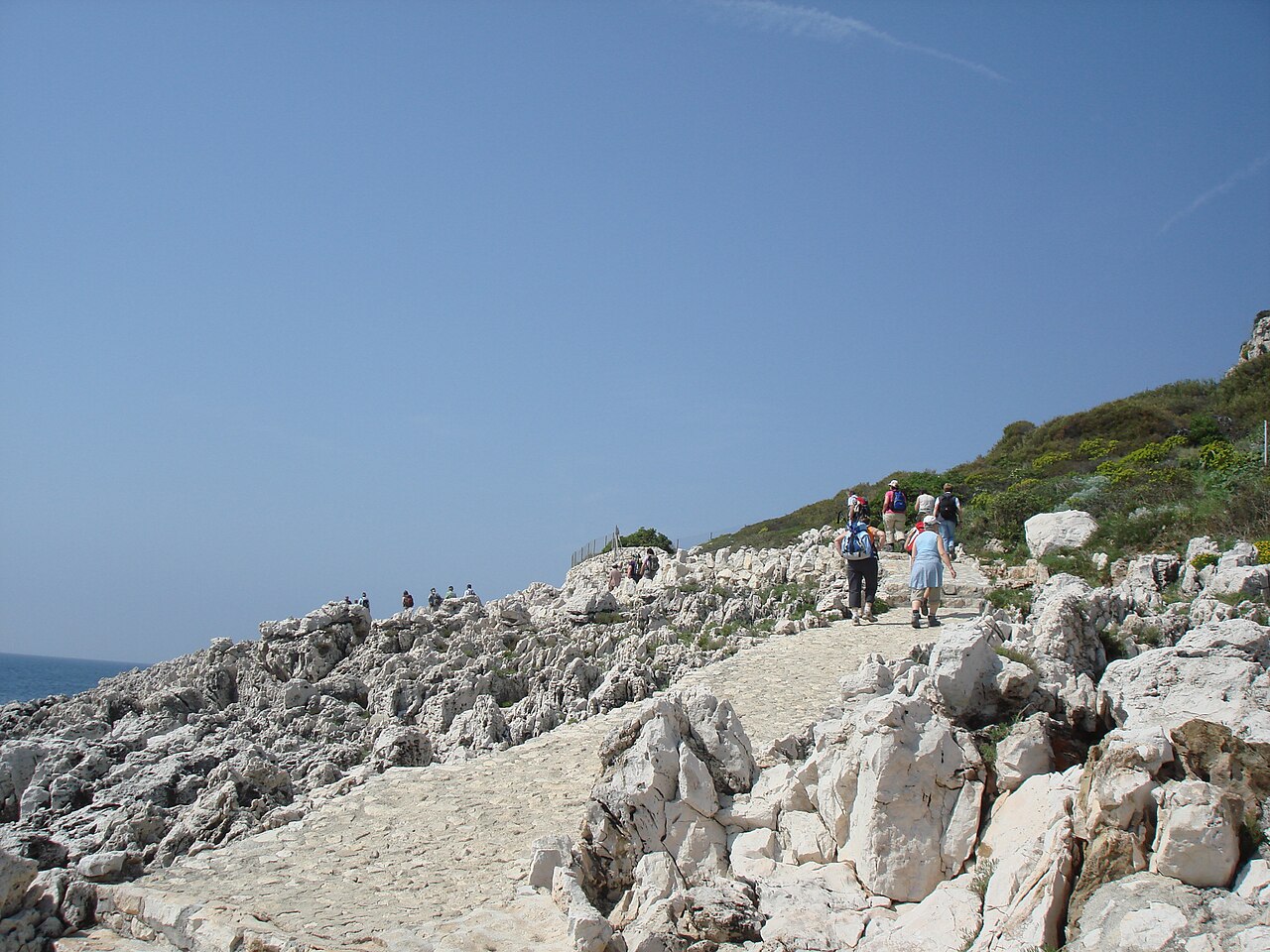
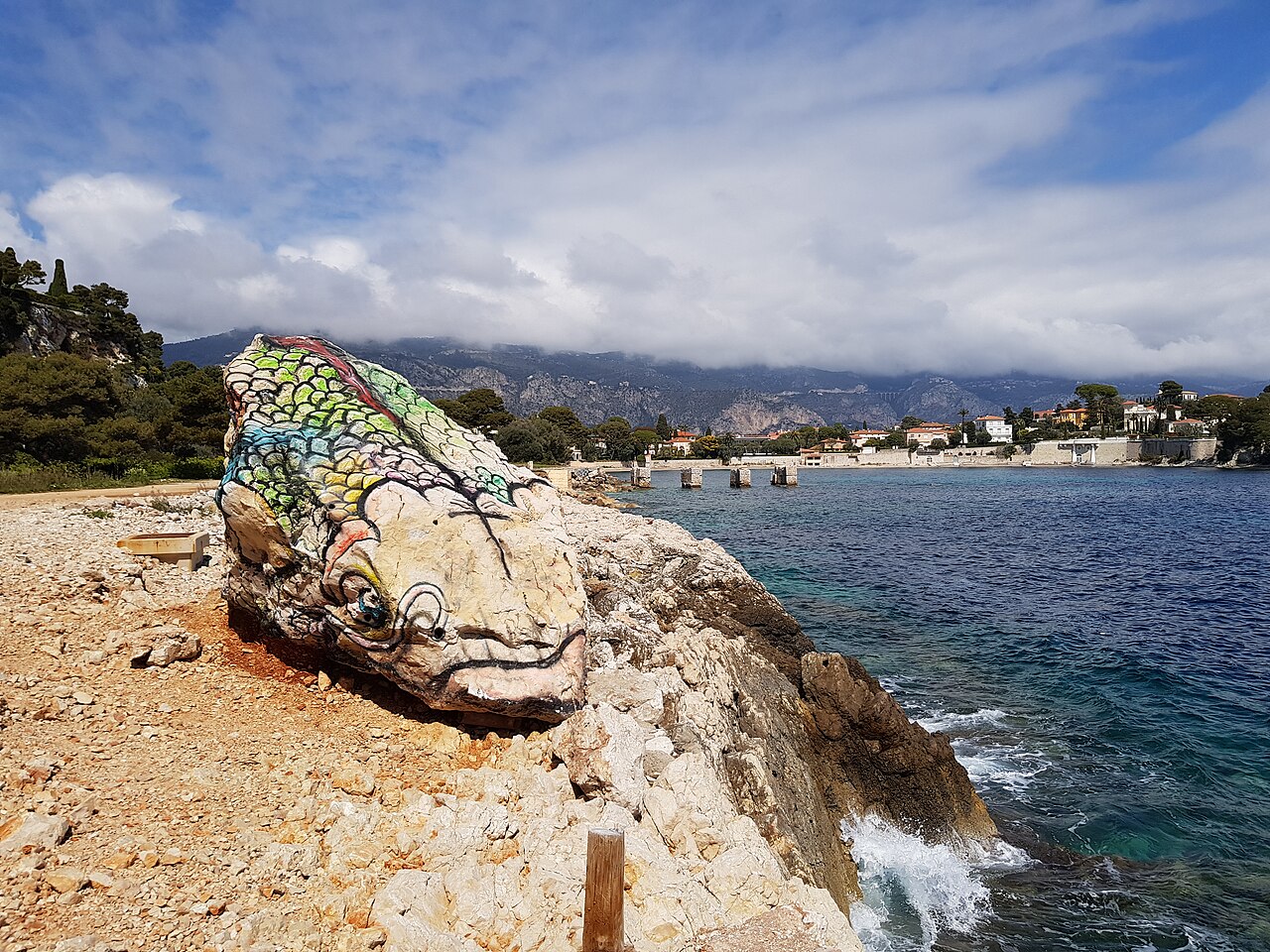
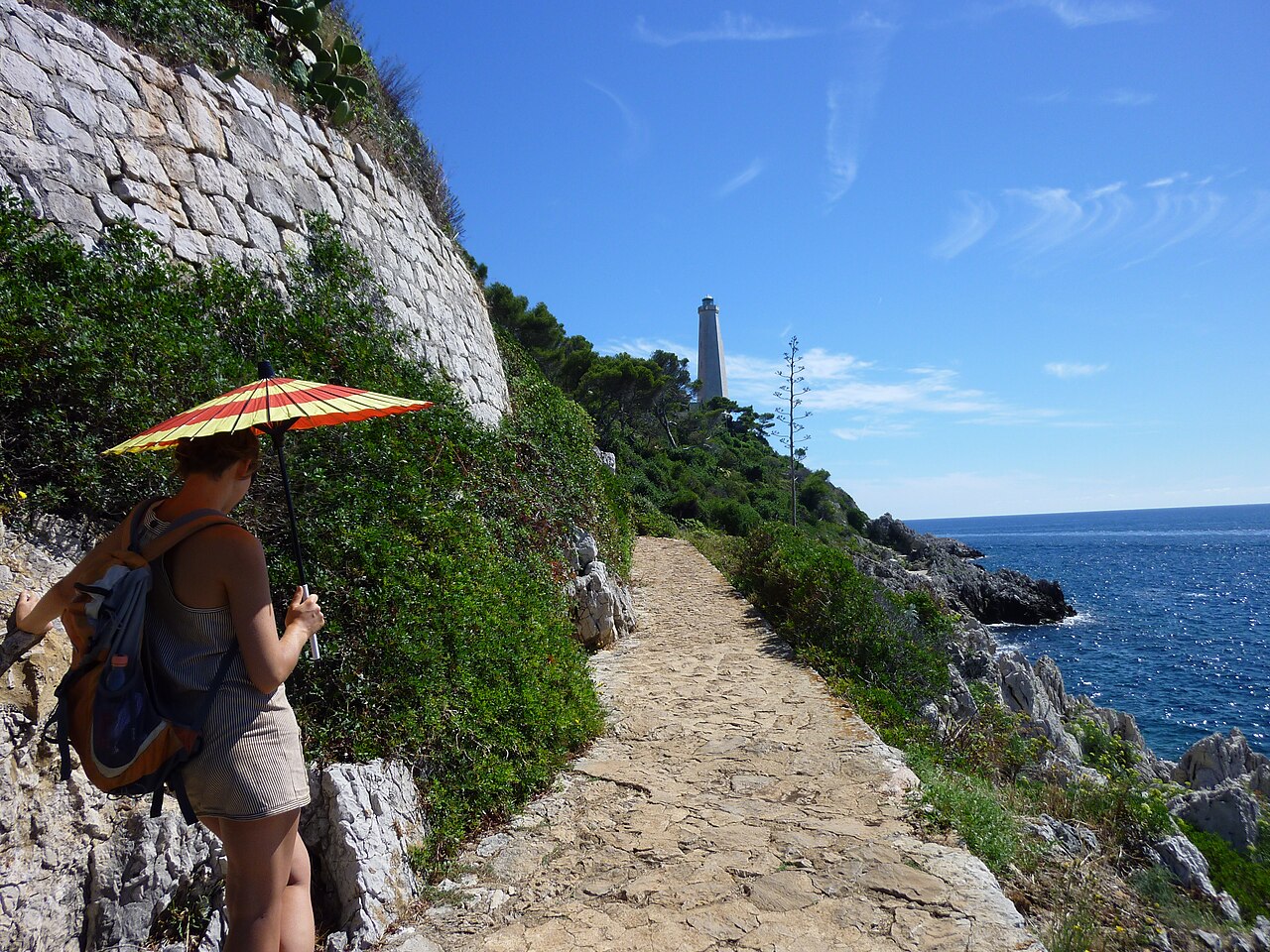
Before it was one of the Riviera’s most controlled landscapes, Cap-Ferrat was rock, scrub and dense woodland. King Leopold II bought into that wilderness; the hotel that followed turned a remote peninsula into an international address without entirely taming its horizon.
How the hotel was born
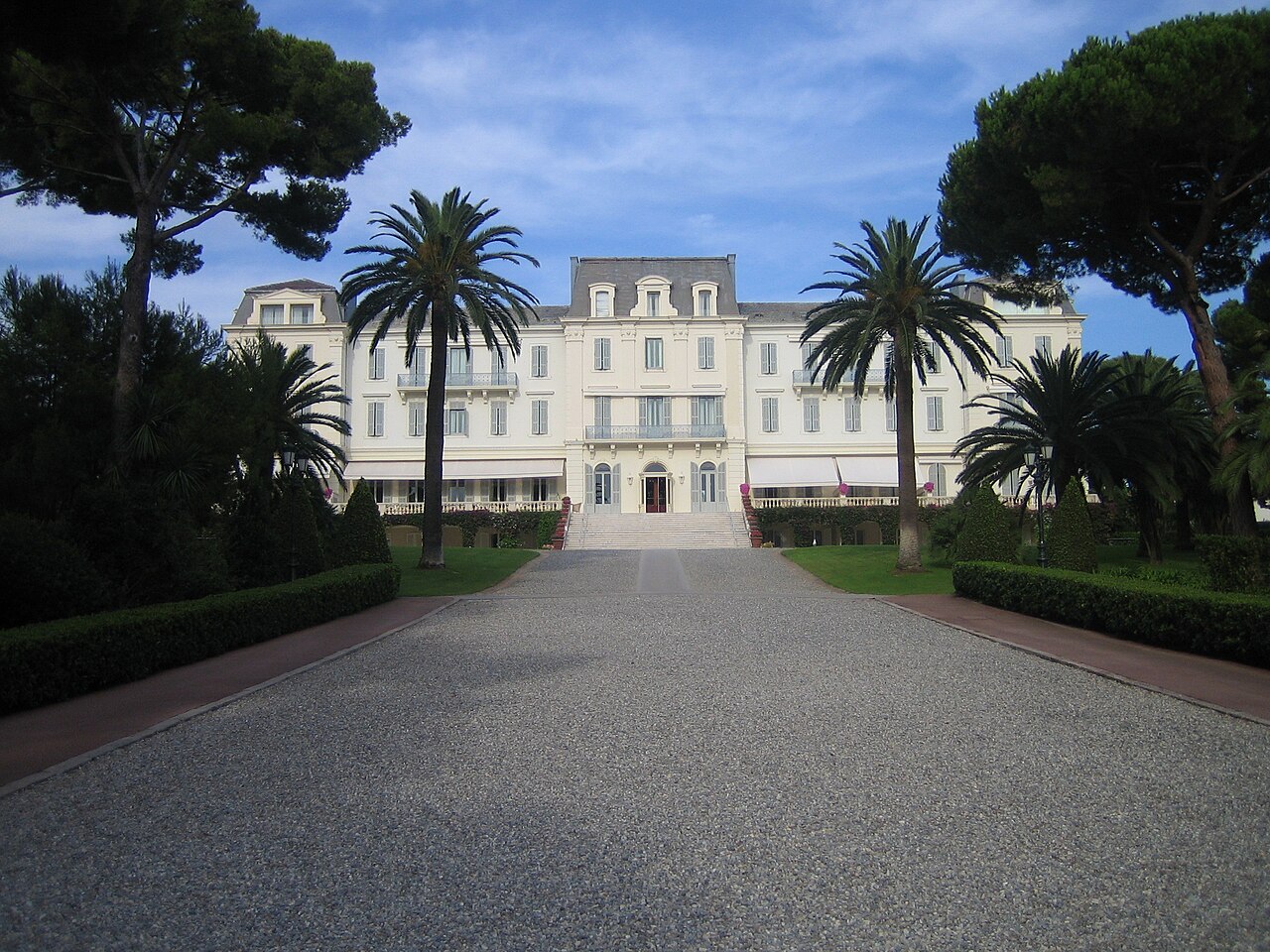
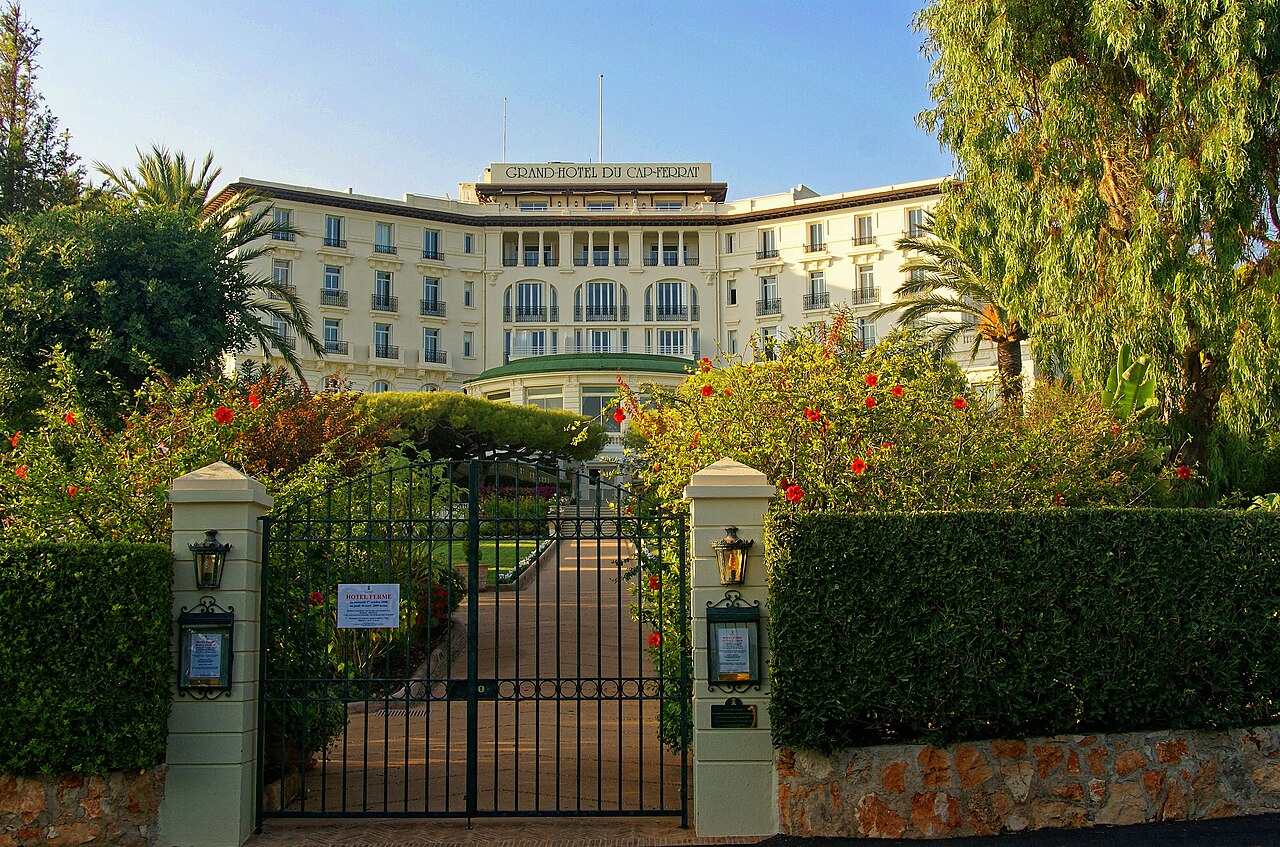
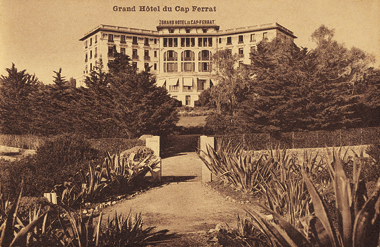
Leopold II of Belgium acquired much of the wooded peninsula and in 1895 sold nearly seven hectares for a luxury hotel. The Grand-Hôtel opened in 1908 with two wings set at an open angle toward the sea. It was a strategic act of place-making: create a palace first, and an elite geography would gather around it.
Architecture: a building that explains the place
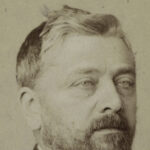
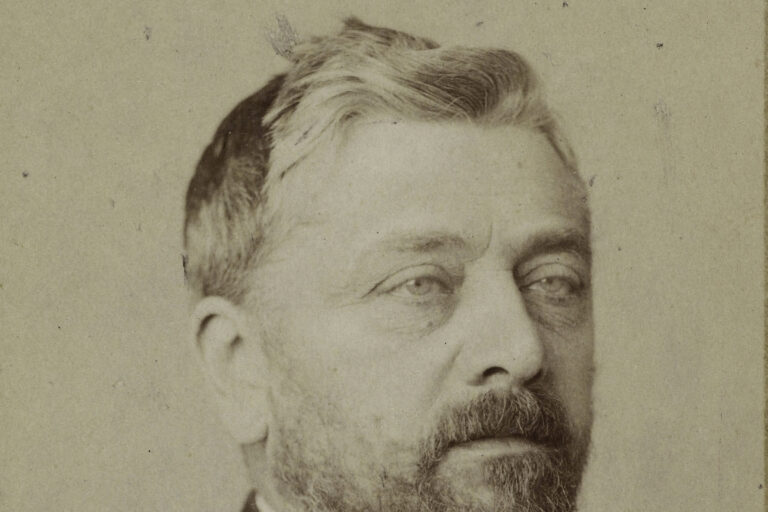
The original composition uses pale façades, terraces and a great axial relationship with gardens and water. Its celebrated Rotunda was designed by Gustave Eiffel, according to Four Seasons’ official history. Later pavilions and villas spread through the landscape, but the strongest architectural device remains emptiness—the sea and sky framed around the building.
The turning points
The palace survived two world wars and welcomed the social worlds that remade the Riviera. Club Dauphin opened in 1939 at sea level, reached from the hotel above, and made the pool a destination. A major Pierre-Yves Rochon renovation in 2009 refreshed the interiors; the hotel began operating as Four Seasons in 2015.
IF THESE WALLS COULD TALK
The Rotunda offers a compact engineering signature: the man associated with Paris’s iron tower also shaped a luminous circular room on this secluded cape. Its importance is not celebrity authorship alone. The structure translates Eiffel’s modernity into hospitality, replacing industrial scale with a controlled Mediterranean panorama.
The documented names
Four Seasons documents Somerset Maugham, Charlie Chaplin, Winston Churchill, Aristotle Onassis and Elizabeth Taylor among notable guests. Together they map the hotel’s appeal across literature, cinema, politics and shipping wealth—different forms of twentieth-century power drawn to the same remote headland.
The difficult chapters
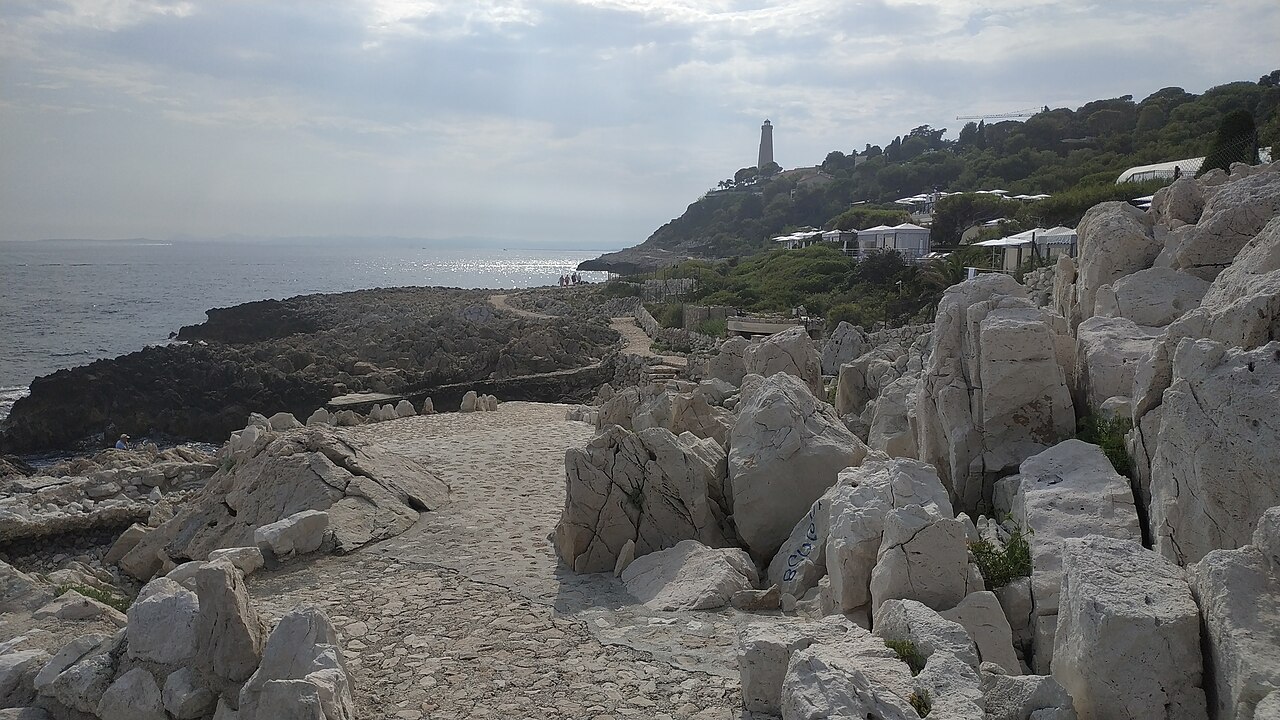
Isolation is both luxury and logistical challenge. Wars interrupted the season, fashions moved elsewhere and the old palace required large-scale modernisation. Any renovation risked replacing patina with generic polish; the successful moments preserve the proportions, gardens and rituals that make the setting recognisable.
Restoration without amnesia
Pierre-Yves Rochon’s 2009 work brought a lighter, residential classicism; Luc Svetchine shaped the newer residence and landscape architect Jean Mus reinforced the gardens. Four Seasons took over in 2015, adding operational consistency while keeping the property’s regional identity and seasonal rhythm.
The hotel today
The hotel offers 74 rooms and suites plus villa-style options, the Michelin-starred Le Cap, La Véranda, Spa and Club Dauphin with its famous pool. A funicular links the elevated palace to the sea-level club, turning the steep terrain into part of the experience.
Watch the story in motion
Why travellers still choose it
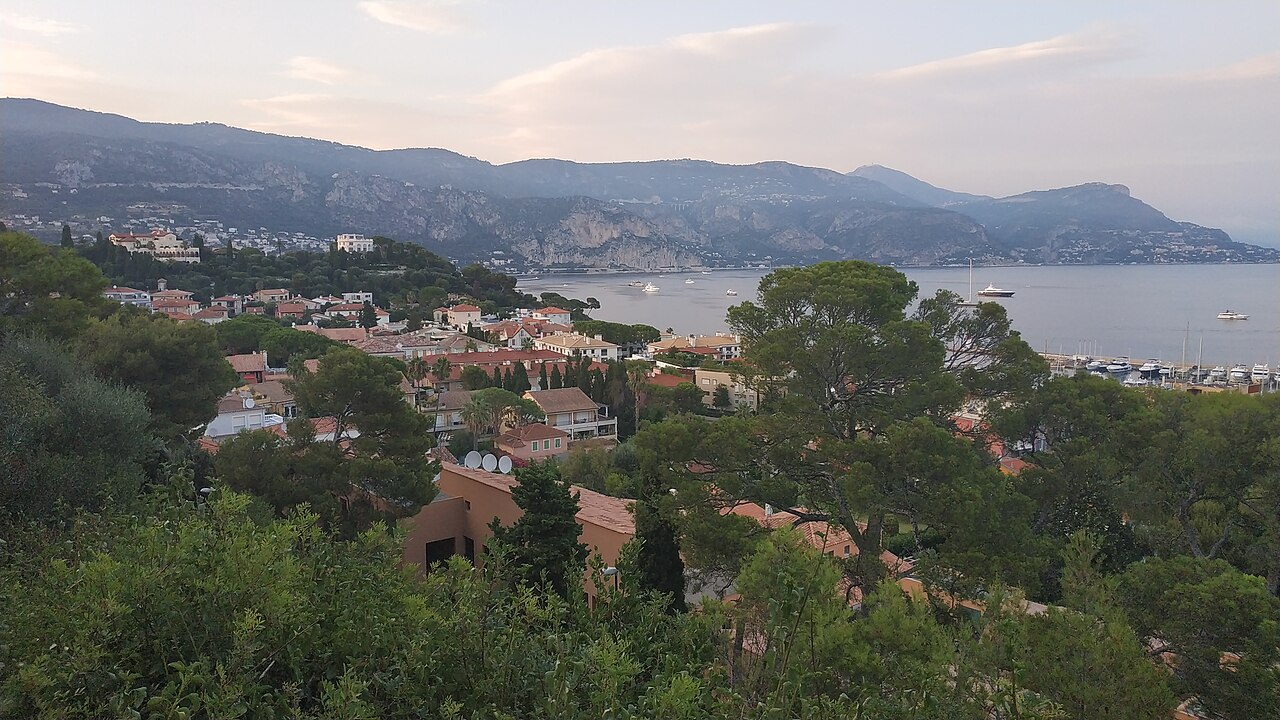
Choose it for landscape and privacy rather than urban convenience. The hotel suits travellers who want a self-contained Riviera retreat, significant gardens and one of the coast’s great pool settings, while retaining access by car to Nice, Monaco and the villages around Beaulieu.
Practical location
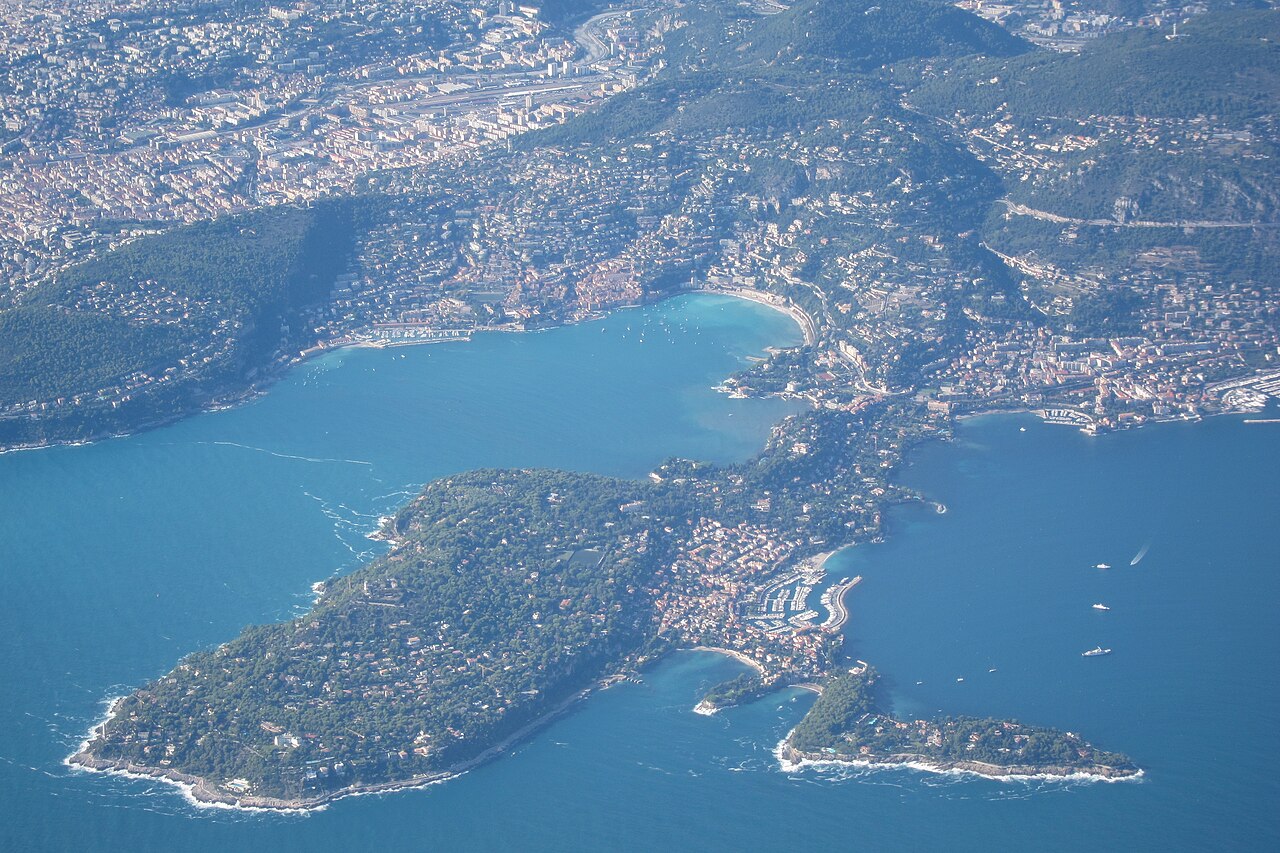
The Grand-Hôtel is at 71 Boulevard du Général de Gaulle in Saint-Jean-Cap-Ferrat, roughly midway between Nice and Monaco. A car or arranged transfer is the practical choice; the nearest rail stations are Beaulieu-sur-Mer and Villefranche-sur-Mer.
At a glance
- Address: 71 Boulevard du Général de Gaulle, 06230 Saint-Jean-Cap-Ferrat, France
- Official hotel website
Let OUISTARS shape the stay
A story can explain why a hotel matters; choosing the right room, dates and arrival plan is a different craft. OUISTARS can compare room and suite options, coordinate the route from airport or station, and help shape the wider Riviera itinerary—while keeping this article editorially independent.
Ask OUISTARS on WhatsAppExplore OUISTARS concierge
Editorial selection is independent. No partnership, sponsorship, complimentary stay or endorsement is implied. Availability, rates, taxes and cancellation terms must be confirmed before commitment.
Research desk: primary and authoritative sources
- Four Seasons — official history
- Four Seasons — official hotel facts
- Four Seasons — historic properties
All Wikimedia Commons images are used under the licence shown in each credit. Official hotel imagery, where used, is editorially credited and must be re-cleared for commercial print or paid reuse.
Osama Samaha
Editor-in-Chief — OUISTARS Travel