






Opinion & Analysis — Osama Samaha
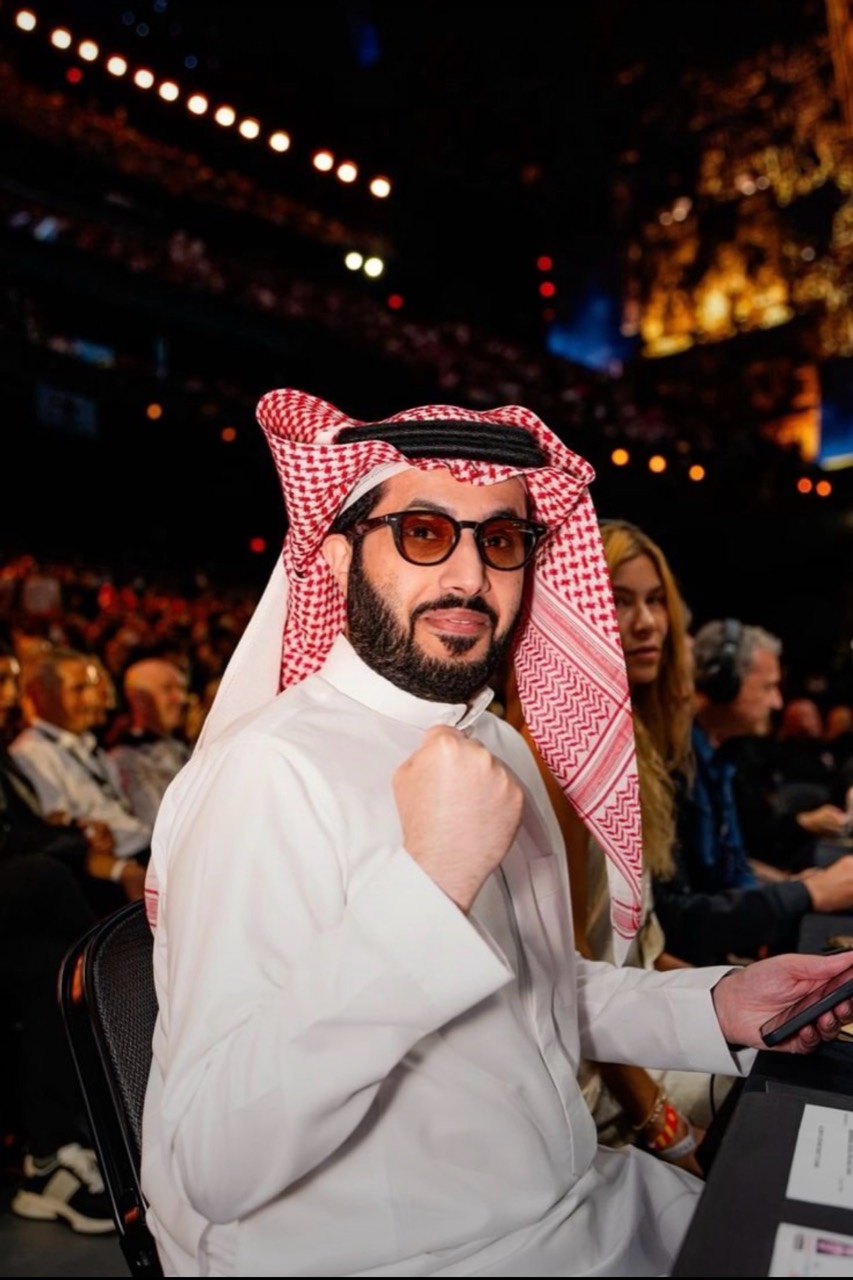
How many Arab societies wish they had a public official with a culture minister’s imagination, a tourism minister’s instinct and an investor’s nerve? The question kept returning as I watched Turki Alalshikh at work. He is, in my view, one of the region’s sharpest “opportunity hunters”. He spots the moment before everyone rushes towards it, turns a famous name into an event, then makes one night generate travel, hospitality, headlines and investment.
Alalshikh is not Saudi Arabia’s minister of culture, tourism or investment. He is chairman of the General Entertainment Authority. Still, a decision from his office can touch all three portfolios. Entertainment no longer stays inside a theatre: it means art and culture, flights and hotel rooms, restaurants, sponsorship, ticketing, broadcast rights and jobs.
Money cannot buy a place in the audience’s memory
Whenever Riyadh delivers a hit, somebody says: “Of course—it has money.” If it were that simple, every large budget would produce a full house. Money opens the door; it does not choose the moment or understand what an audience is waiting for. Who belongs on the stage? When? In what setting? How does one good night become a season discussed across the region? That is where the real work begins.
This is where Alalshikh’s method becomes visible: speed in decision-making, an appetite for competition, and an instinct for the performer, match or show capable of creating curiosity. An opportunity hunter does not manufacture talent. He recognises its value, places it on the right stage, and builds a story, a campaign and an experience around it.
The concert begins outside the theatre
A concert is not only a singer and a microphone. Its value chain begins before the curtain rises: a flight, a hotel room, a restaurant, transport, lighting designers, sound engineers, security companies, ticketing platforms, advertising and press coverage. A major sporting contest is not only the time on the clock; it is hospitality, media rights, sponsorship, visitors and a memory attached to the host city.
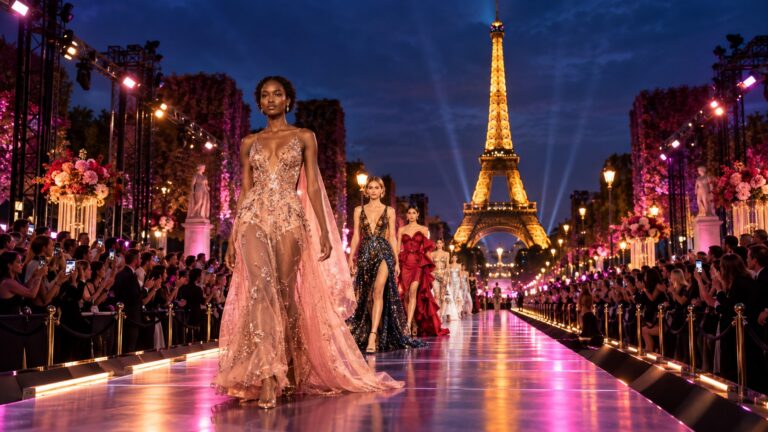
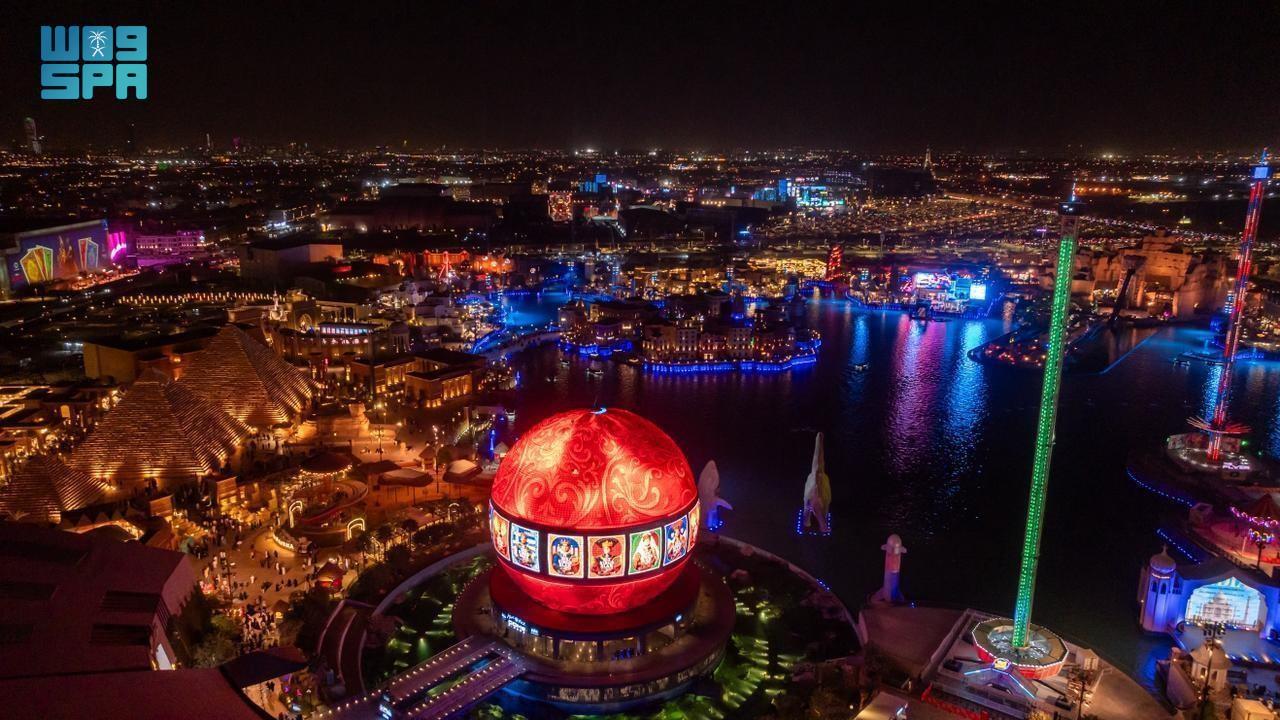
That is why Riyadh Season has expanded the meaning of entertainment. Concerts, fights, plays, family experiences and food districts become parts of a single destination product. Saudi official figures say the fifth edition of Riyadh Season reached 20 million visits, while the sixth concluded in February 2026 at 17 million. The figures refer to different editions, but together they show the scale of the audience now moving around this industry.
A match is more than the minutes on the clock
One of the model’s strongest features is the removal of old barriers between sectors. Boxing, tennis and wrestling are not isolated from music, food or tourism; they are different doors to the same audience. When an international star comes to Riyadh, a much larger ecosystem travels with that name: teams, media, sponsors, supporters and global conversation. One booking can activate hundreds of workers, thousands of visitors and millions of views.
Alalshikh understands the underlying equation: attention is an economic asset. Yet purchasing attention is not enough. It must be converted into an experience worth travelling for and an image that makes the visitor want to return.
There is no season without an audience
The transformation is bigger than one person. The leadership set Vision 2030, institutions built the framework, the private sector invested and delivered, and Saudi audiences gave the project its energy. Openness only works when a society is confident and curious enough to welcome others. Riyadh’s mix of visitors, performers, athletes and media from many countries could not have been created with the public standing on the sidelines.
The “green light” behind Alalshikh should also be understood as institutional backing, not a personal blank cheque. Vision 2030 assigns the sector a clear role: improve quality of life, diversify the economy, build sustainable industries, create jobs and retain more entertainment spending inside the Kingdom.
What remains when the lights go down?
Large projects deserve scrutiny: the cost of events, the sustainability of spending, the quality of local content, and the balance between international spectacle and the development of Saudi and Arab talent. These are legitimate questions. Lasting success cannot be measured only by celebrity names, but by what remains after the lights go down: local expertise, stronger companies, better jobs and a more discerning audience.
None of that erases what has already happened. Alalshikh has helped change the region’s relationship with entertainment. It is no longer simply content to consume, but an industry to plan; not one concert, but a season; not a match that ends at the final whistle, but a global platform that moves tourists and money.
What are other Arab cities missing?
Because the problem in many countries is not the absence of talent, heritage or remarkable places. It is the absence of an official capable of connecting them into one project—someone with an idea, a decision and a goal; someone who understands that culture cannot thrive far from economics, tourism cannot grow without content, and investment needs a story compelling enough to travel.
Turki Alalshikh is a skilled hunter of opportunities, but above all he is a hunter of timing. He recognised a moment when Saudi Arabia was ready for change, the region wanted a major entertainment hub, and global audiences were looking for a new destination. With institutional backing, public participation and commercial partners, that moment became an industry heard far beyond Riyadh.
So when we ask how many Arab peoples wish they had a culture, tourism or investment minister with Alalshikh’s drive, the point is neither the job title nor the personality. The point is a public official who knows that money alone never creates a miracle. Ideas, decisions, will and execution do.
Verification sources: GEA: fifth Riyadh Season reaches 20 million visits; Saudi Press Agency: sixth edition reaches 17 million; Vision 2030 PIF Program Delivery Plan. This is a signed opinion analysis.