






The People Who Shaped France | Architecture Season
By Osama Samaha, Editor-in-Chief, oui stars Travel
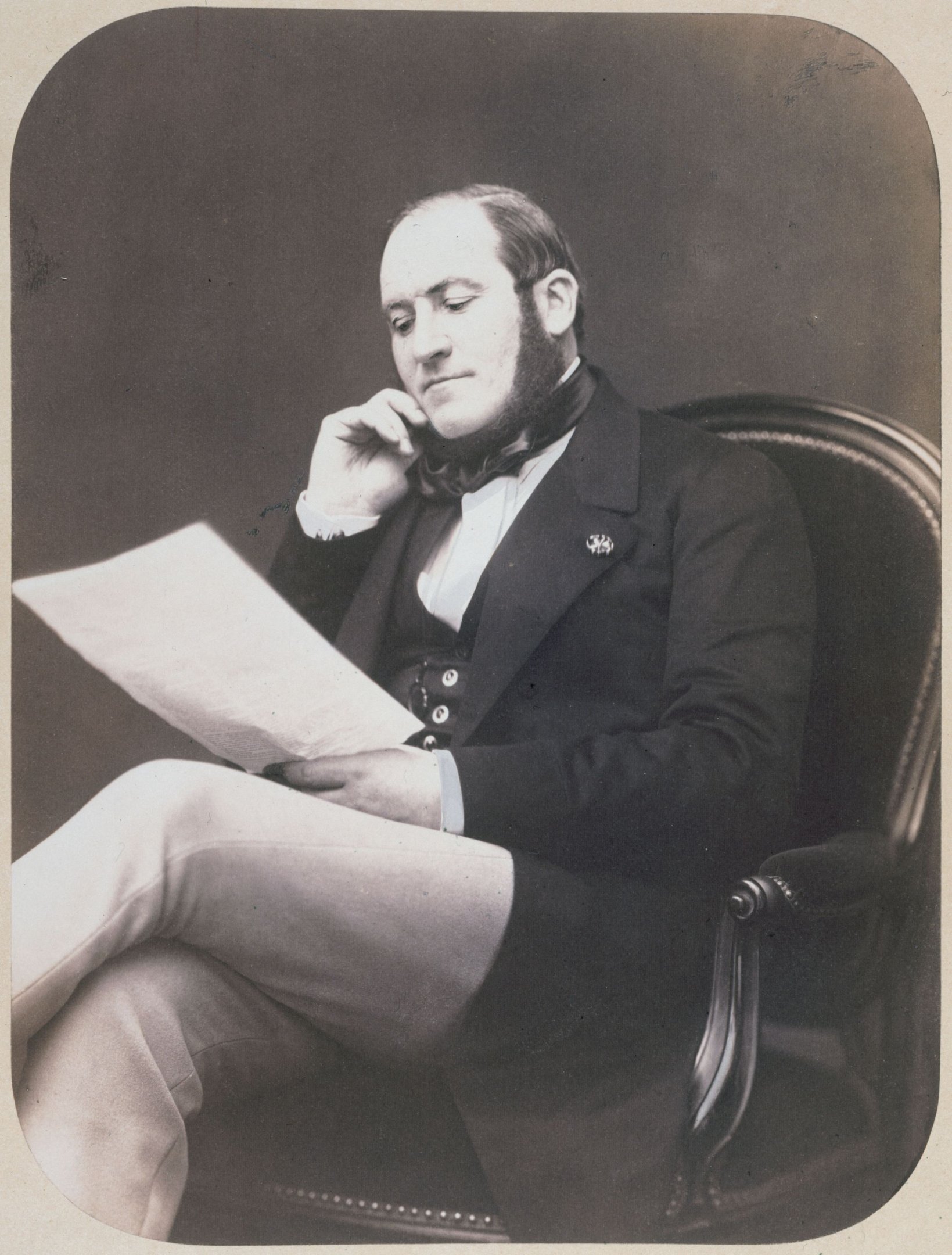
Paris did not become Paris by accident. Its long perspectives, pale stone façades, tree-lined boulevards, parks and hidden networks were assembled through one of the most ambitious urban operations of the nineteenth century. Georges-Eugène Haussmann gave that transformation its name. He also left the city with a question that has never disappeared: who pays when a capital remakes itself?
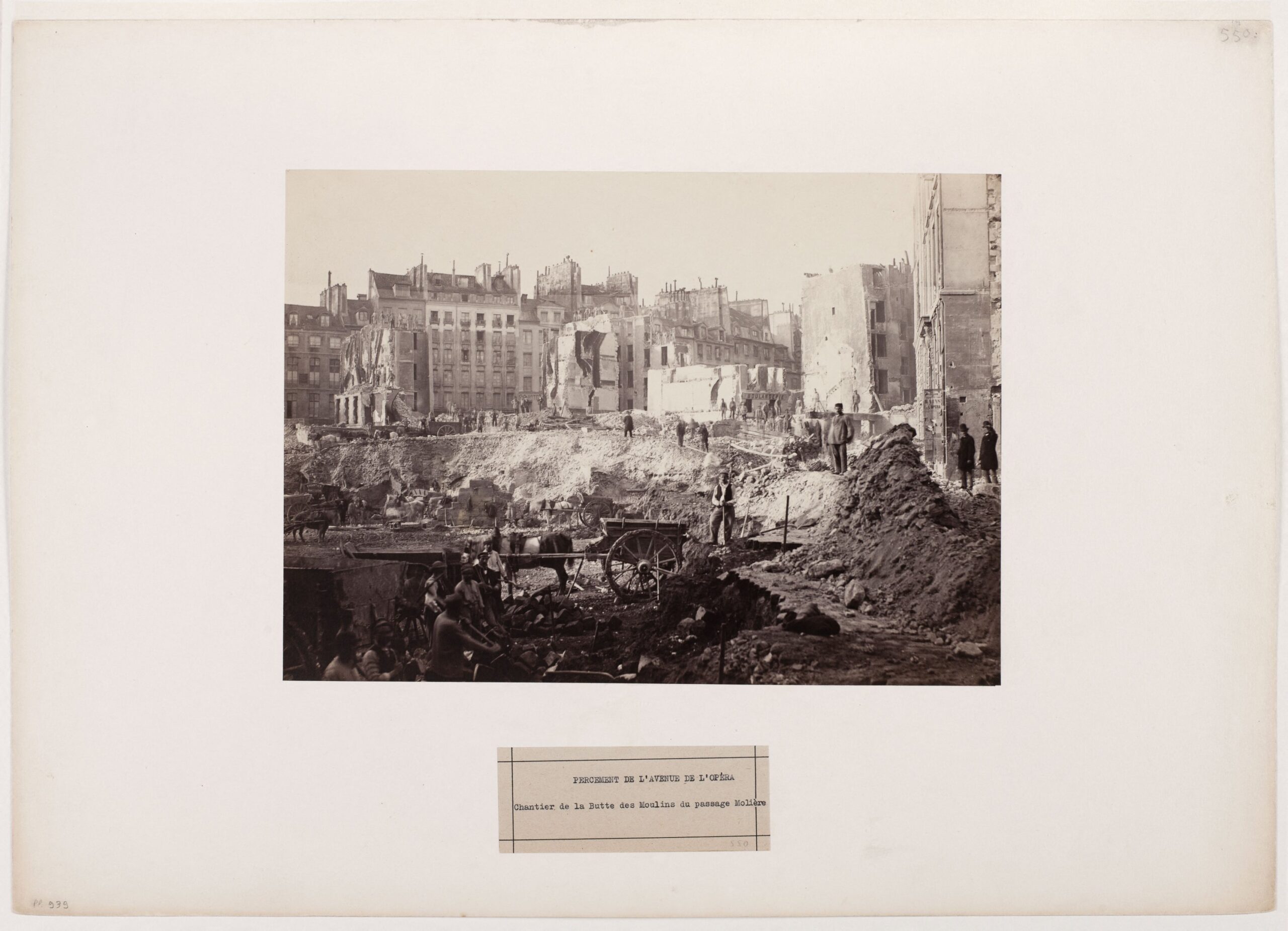
Stand at Place de l’Opéra early in the morning, before the traffic thickens. Avenue de l’Opéra runs toward the Louvre with almost theatrical clarity. Nearby, Boulevard des Capucines and Boulevard Haussmann distribute movement across a city that seems composed around views, crossings and destinations. The effect feels natural now. In the 1850s, it was a political decision expressed in stone.
Haussmann was not the architect of every building and he did not invent the entire plan alone. Napoleon III set the ambition. Engineers, landscape designers, architects, surveyors, contractors and tens of thousands of workers made it physical. Yet Haussmann became the operation’s defining intelligence: the administrator who could join roads, water, sewers, parks, public buildings, finance and regulation into a single urban system.
Before the boulevards, a city under pressure
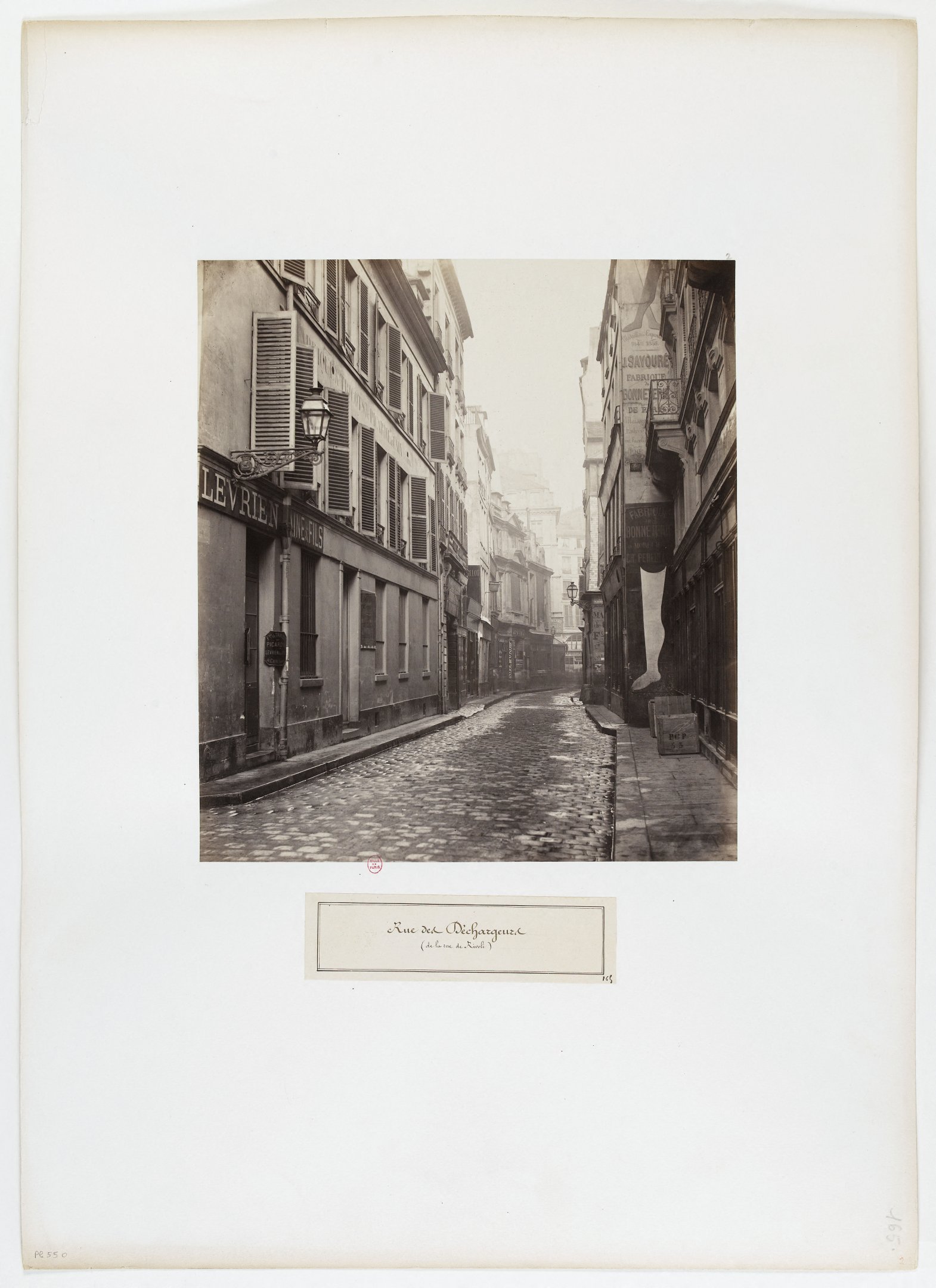
By the middle of the nineteenth century, Paris had more than one million inhabitants. Much of its centre was still a dense web of narrow streets with poor light, difficult circulation and inadequate sanitation. Cholera had devastated the capital in 1832. New railway stations were drawing people and goods into a street pattern that had not been designed for industrial-scale movement.
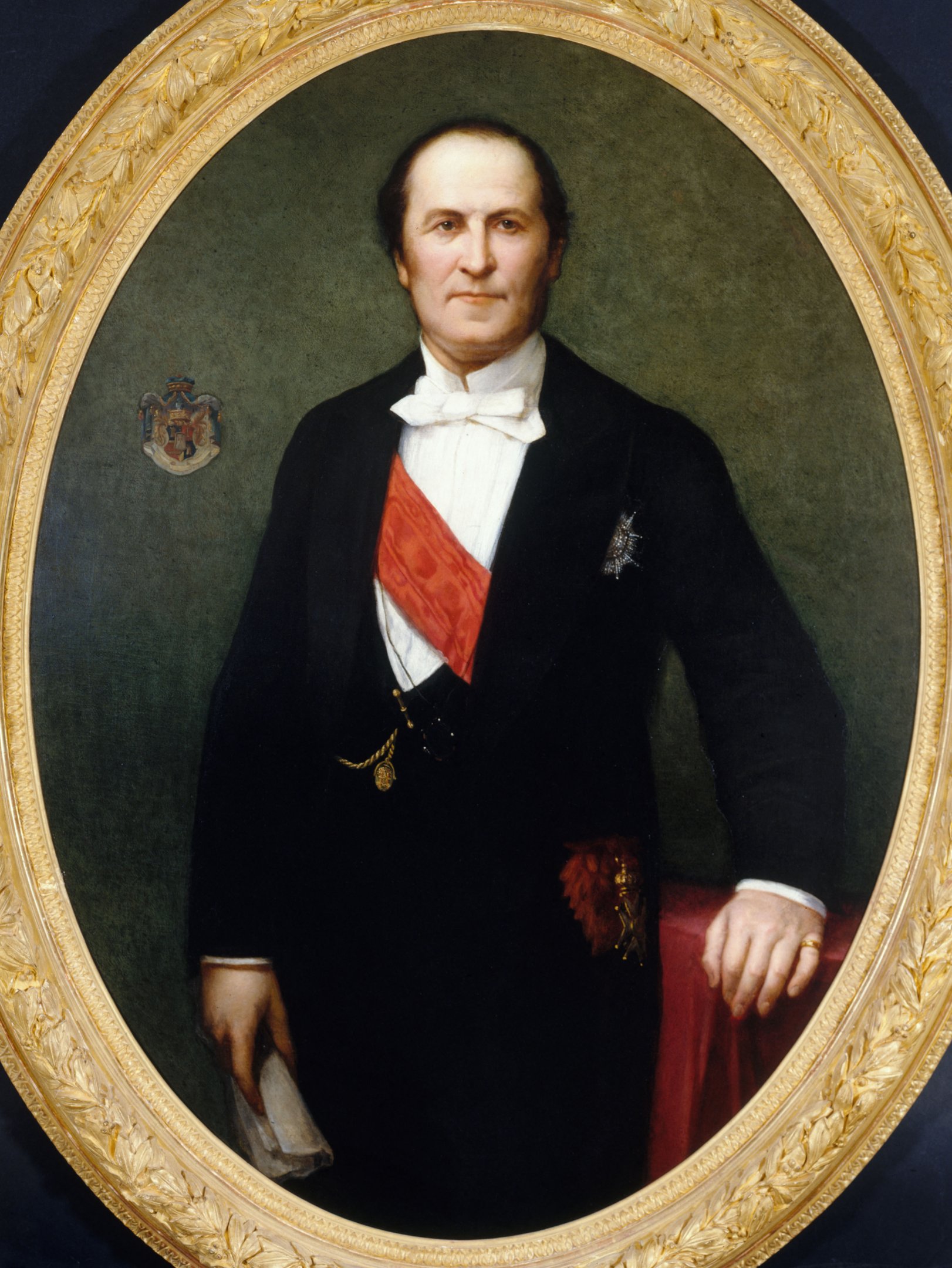
Louis-Napoleon Bonaparte, later Napoleon III, returned from exile in London impressed by its parks and broad modern districts. He wanted a capital that could breathe, circulate and project imperial authority. On 22 June 1853, he appointed Georges-Eugène Haussmann prefect of the Seine and gave him the machinery of government required to make that ambition real.
The making of a formidable administrator
Haussmann was born in Paris on 27 March 1809 into a family connected to the state and military administration. He entered the prefectural career after the Revolution of 1830 and spent more than two decades governing in the provinces. In the Var and then Gironde, he acquired a reputation for speed, discipline and political loyalty. Bordeaux offered an early laboratory: straighter roads, improved gas lighting and water supply.
He was not a romantic sketching an ideal city at a drawing board. He was a civil servant who understood decrees, budgets, expropriation, contracts and chains of command. That distinction explains both his effectiveness and the severity of his legacy. Haussmann could turn an urban idea into a coordinated programme, and he could do so with little patience for the lives and neighbourhoods obstructing its path.
His defining idea: make the city flow
Haussmann’s Paris was organised around circulation. People and goods had to move. Air and daylight had to enter. Clean water had to arrive and waste water had to leave. Railway stations needed connections to commercial and administrative centres. Parks were not decoration alone; they were part of a citywide system of public health, leisure and prestige.
This way of thinking was larger than the familiar cream-coloured apartment façade. The true Haussmannian project was infrastructural. Streets, buildings, trees, pipes, sewers, squares and monuments were designed to reinforce one another.
| Years as prefect of the Seine | 1853 to 1870 |
|---|---|
| New roads cut through Paris | 64 kilometres, according to the City of Paris |
| Houses demolished in ten years | About 25,000 |
| Sewer network | From roughly 100 km in 1850 to nearly 600 km by 1878 |
| Paris enlarged | 1860 annexation, bringing nearly half a million additional residents into the city |
| Labour mobilised | About 80,000 workers, artisans and specialists |
Paris was a team, not one man
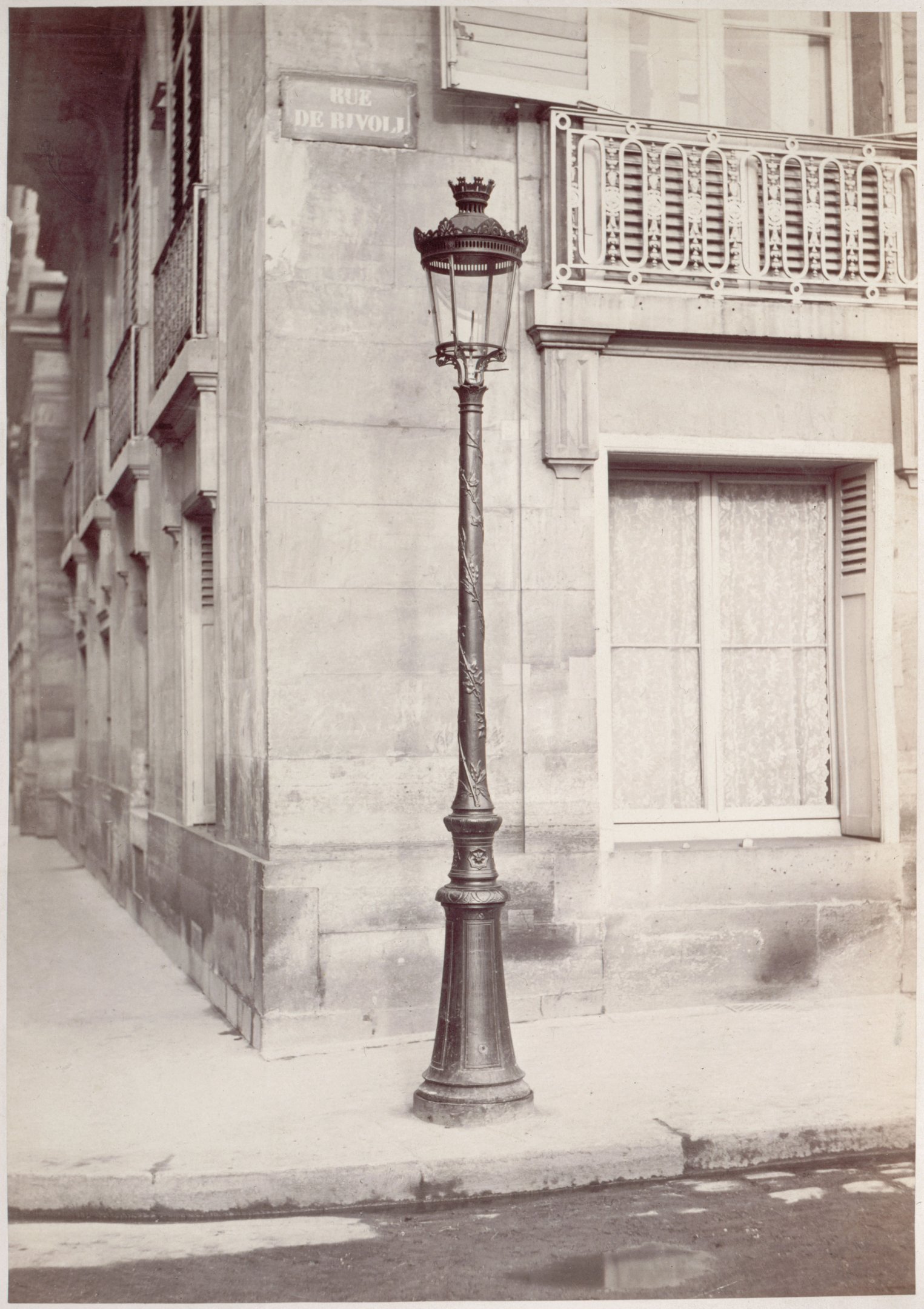
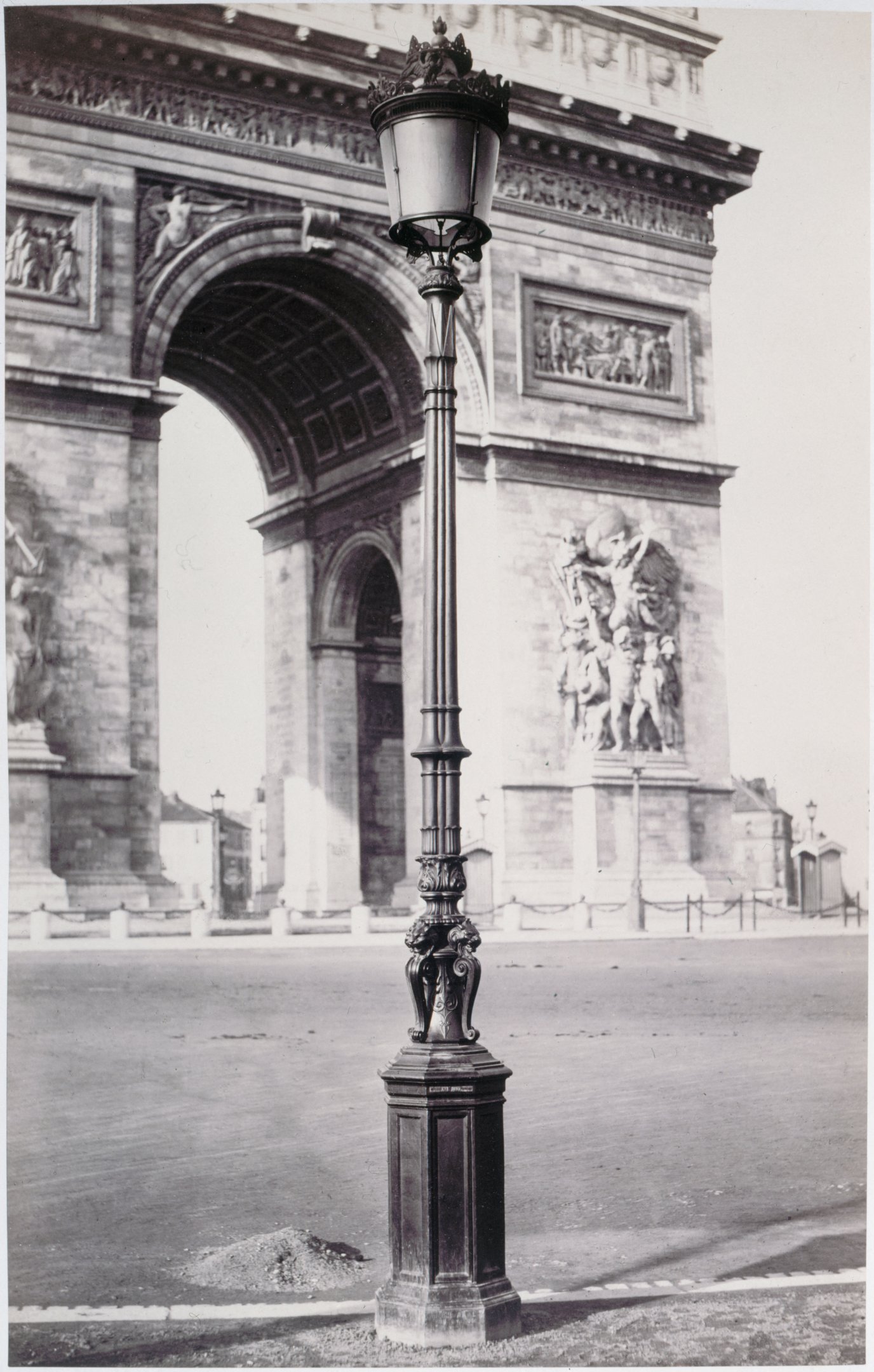
The shorthand “Haussmann’s Paris” can hide the depth of the collaboration. Napoleon III supplied the political vision and met his prefect regularly. Eugène Belgrand transformed water supply and sewerage. Jean-Charles Adolphe Alphand shaped parks, promenades and planted spaces. Gabriel Davioud designed street furniture and public architecture. Victor Baltard worked on Les Halles; Charles Garnier created the new opera house.
Haussmann’s genius was managerial and systemic. He aligned specialists with a programme, then used public authority and private capital to accelerate it. The city became a vast coordinated construction site.
What he changed
The great crossings
The extension of Rue de Rivoli, Boulevard de Sébastopol, Boulevard Saint-Michel and the approaches to Place du Châtelet opened long north-south and east-west routes. Avenue de l’Opéra created a monumental perspective, although it was finished after the fall of the Second Empire. The boulevards connected stations, markets, administrative buildings and places of spectacle.
The “street wall”
Along the new routes, regulation produced visual continuity. Building height related to street width. Cornice lines and balconies created horizontal rhythm. Stone façades met the pavement in an almost continuous plane. Shops occupied the ground floor; the prestigious piano nobile sat above; service rooms were placed beneath the roof.
Haussmann did not personally design a single universal apartment building, and several rules predated him. What his administration achieved was repetition at metropolitan scale. The result is the Parisian street wall: many private buildings reading as one public composition.
The invisible capital
Belgrand’s water and sewer works gave the visible city an invisible twin. New aqueducts brought cleaner water from distant sources. Enlarged sewers carried waste and also housed utility lines. By 1878, Paris had nearly six times the sewer length recorded in 1850. The boulevards above and conduits below were parts of the same modernisation.
Parks as urban infrastructure
Under Alphand, Parc Monceau was reshaped, Parc Montsouris was created and the former gypsum quarries of Buttes-Chaumont became an extraordinary engineered landscape. Squares and planted avenues distributed greenery across the enlarged city. The picturesque cliffs and lake at Buttes-Chaumont look natural, but they are among the period’s most ambitious works of urban artifice.
Major works and places that define Haussmannian Paris
- Rue de Rivoli extension: a decisive east-west route through central Paris.
- Boulevard de Sébastopol and Boulevard Saint-Michel: a north-south crossing on both sides of the Seine.
- Place du Châtelet: an urban hinge framed by theatres and aligned routes.
- Avenue de l’Opéra: a ceremonial perspective connecting the new opera district to the Louvre.
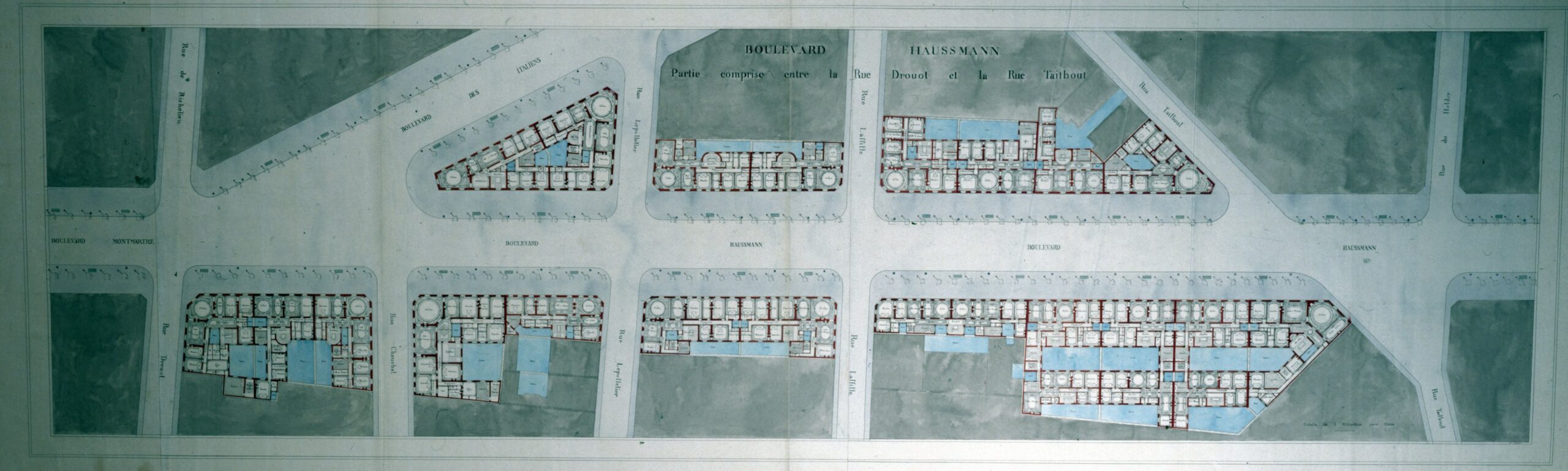
- Boulevard Haussmann: the prefect’s name attached to one of the capital’s most recognisable urban corridors.
- Parc Monceau, Parc Montsouris and Parc des Buttes-Chaumont: green infrastructure designed for the modern city.
- Water and sewer networks: the least visible and perhaps most consequential works.
- Public Paris: schools, town halls, barracks, hospitals, markets and new facilities across the enlarged capital.
Where to see Haussmann’s Paris
This route works best as two parts: a central walk for the monumental axes, then a separate park visit.
| Musée Carnavalet | 23 rue Madame de Sévigné, 75003. Begin with the Second Empire galleries and Haussmann’s painted portrait. The permanent collection is free; verify current access and opening information before visiting. |
|---|---|
| Place du Châtelet | Place du Châtelet, 75001. Read the crossing as infrastructure: Rue de Rivoli runs east-west and Boulevard de Sébastopol begins northward. |
| Avenue de l’Opéra | From Place André-Malraux, 75001, to Place de l’Opéra, 75009. Walk toward the Palais Garnier to experience the controlled perspective. |
| Boulevard Haussmann | Between Boulevard Montmartre and Avenue de Friedland, across the 8th and 9th arrondissements. The section around the grands magasins is busiest; the western stretch is calmer. |
| Parc Monceau | 35 boulevard de Courcelles, 75008. A refined example of the green Paris developed under Haussmann and Alphand. |
| Parc des Buttes-Chaumont | Place Armand-Carrel, 75019. In September 2026, central areas including the island and Temple de la Sibylle remain closed for major safety works; check the City of Paris page before travelling. |
Open the central Haussmann walk in Google Maps.
If photography is part of the journey, pair this route with our guide to the best photo locations in Paris. For a counterpoint, explore the older urban fabric of Le Marais, where the streets tell a different story of the capital.
The price of the modern city
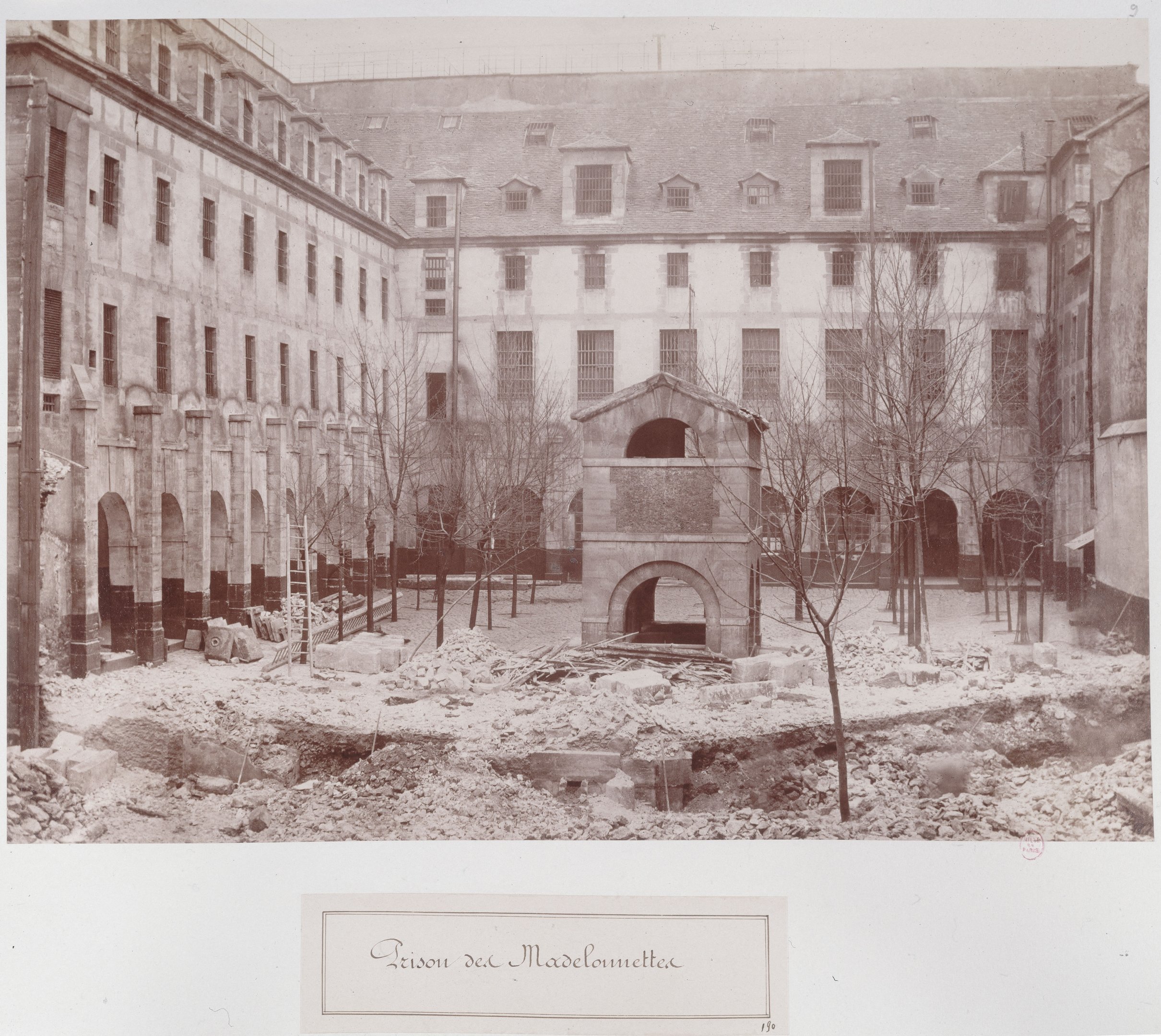
The transformation was spectacular, but it was not neutral. Expropriations and demolitions erased streets, homes and much of medieval Paris. Rising land and housing costs pushed poorer residents and many workers toward peripheral districts. The new city made movement easier while redistributing who could afford to live near its centre.
The works were also tied to an authoritarian regime. Broad avenues could improve sanitation and circulation, but contemporaries also understood that straight, wide streets were harder to barricade than the old lanes. Historians continue to debate how central military control was to the programme. What is certain is that modernisation and political power were never separate.
Finance brought another crisis. The programme relied heavily on borrowing and complex arrangements with private developers. In 1867, republican politician Jules Ferry attacked the system in Les Comptes fantastiques d’Haussmann. The City of Paris estimates total spending over more than twenty years at two billion gold francs, with interest carried by Parisian taxpayers until 1914. Haussmann was removed from office on 5 January 1870 as the Empire attempted a political liberalisation.
There is a final correction to make. The boulevards are often credited to one powerful man; the displacement is often treated as an abstract side effect. A responsible account must reverse that imbalance. Haussmann deserves recognition for administrative imagination, while the people uprooted by his programme remain part of the same history.
A legacy still under negotiation
Haussmannian planning travelled far beyond France. Monumental axes, regulated façades, parks and networked infrastructure influenced modernisation projects from Europe to the Americas and the Middle East. More enduringly, Haussmann helped establish the idea that a city could be managed as an integrated technical organism.
Paris now faces problems Haussmann could not foresee at today’s scale: extreme heat, air pollution, housing inequality and the need to give more street space to walking, cycling and trees. Yet these debates still take place inside his framework. The width of the boulevards makes new mobility possible. Their stone façades define the city’s property market. Their underground networks continue to serve millions.
His greatest legacy is therefore not a style. It is an argument about the modern city: coordination can produce extraordinary public value, but scale and speed can also silence the people most affected. Paris remains beautiful because of Haussmann. It also remains divided by choices made in his era.
Watch: Le Paris du baron Haussmann
TF1 INFO’s verified channel follows the boulevards and descends into the underground networks that made the transformation possible. The video remains hosted by YouTube and is embedded from the official publisher.
Editorial and image-rights note
This feature uses eight archival works released under CC0 by Paris Musées and held by the Musée Carnavalet. Every file was uploaded as a new article-specific media attachment after a duplicate audit. Captions identify the creator, date, institution and licence. The photographs are historical documents; they do not reconstruct scenes that were not recorded.
Sources and fact-checking
- City of Paris: Haussmann, the man who transformed Paris
- City of Paris: Haussmann and Marville, urbanism and photography
- FranceArchives / Archives nationales: Georges-Eugène Haussmann authority record
- French Senate: Baron Haussmann
- Musée Carnavalet: permanent route and Second Empire galleries
- Paris Musées Collections: Pierre Petit portrait of Haussmann, CC0
- Paris je t’aime: architecture of the Second Empire
- City of Paris: Parc des Buttes-Chaumont visitor information
Fact-check completed 14 September 2026. Visitor conditions can change; check official venue pages before travel.