









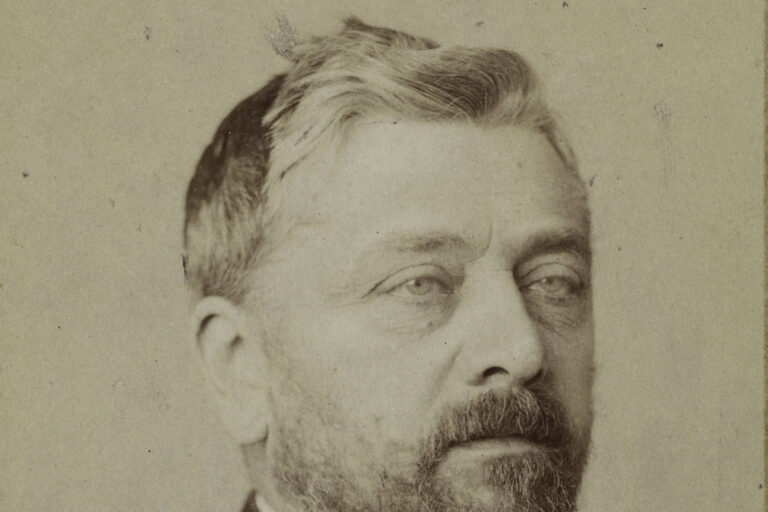









Photograph: supplied by its photographer for the magazine album. Capture date unspecified.
The name on a handbag, perfume bottle or shopfront can become one of a business’s most valuable assets. A beautiful logo and an available domain are a beginning. Before ordering packaging or arranging a launch shoot in Paris, however, decide what you need to protect and where your customers will be.
To register a trademark in Paris, use France’s national INPI procedure: there is no separate Paris trademark register. Online French filing starts at €190 for one class. An EU trademark application through EUIPO starts at €850. Belgium is covered by the Benelux system, while Spain has its own national OEPM route. These are official application fees, not the total price of forming a company or launching a brand. INPI; EUIPO.
Fees and information checked on 24 November 2026. Confirm the applicable tariff and requirements before payment. This is general guidance; disputed or complex cases require specialist advice.
Building a brand, registering a trademark and forming a company
Brand building is a commercial task: choose your customer, define your product and explain why it deserves its price. Keep packaging, imagery and customer service consistent with that promise. Trademark registration protects a sign identifying particular goods or services within a defined territory. Company formation establishes the entity operating the business, with separate procedures and costs. INPI explains the distinction between company names, trading names and signs.
A domain or social-media handle does not replace a search for earlier rights. Registering a company name does not automatically make every use of that name lawful in every product category or country. Decide who should own the trademark, especially when starting with a partner or planning a later transfer to a company.
European trademark registration costs at a glance
| Application route | Territory | One class, online | Additional classes |
|---|---|---|---|
| France — INPI | French national protection | €190 | €40 per additional class |
| Spain — OEPM | Spain | €127.88 | €82.84 per additional class |
| Benelux — BOIP | Belgium, Netherlands and Luxembourg | €244 | €27 for the second; €81 for each from the third |
| European Union — EUIPO | All 27 EU member states | €850 | €50 for the second; €150 for each from the third |
Sources: INPI tariffs, OEPM tariff effective from 1 April 2026, BOIP fees and EUIPO fees. Professional searches, representatives, disputes and renewals are outside these application figures. An EU trademark does not automatically cover the UK or Switzerland: geographical Europe extends beyond the EU. Your Europe’s trademark guide.
Prepare your application before paying
- Describe the actual business. List the goods and services precisely. Selling bags and manufacturing them are different activities; “general business” is not a useful specification.
- Map your markets. Where will you sell and promote your products? Choose protection around a credible customer and expansion plan, rather than the cheapest filing office.
- Search the name. Look for identical and similar words, sounds and earlier rights. Use DATA INPI, relevant national registers and TMview. No identical result does not mean no possible conflict.
- Choose the sign. Are you filing a word mark, a figurative logo or another form? The filed representation matters; a later redesign may require a fresh assessment.
- Identify the owner. Prepare the applicant’s name, address and contact details, the mark representation, a precise goods/services list and any required representative or priority information.
See INPI’s application instructions and the official TMview search tool. A professional clearance search becomes especially valuable when renaming would mean replacing stock, packaging or signage.
Can the name be protected at all?
An available name is not necessarily registrable. It must distinguish the offer, rather than merely describe the product, and must not mislead about origin or nature. Adding “Paris” or a golden design does not by itself solve that problem. Check validity before investing. INPI’s validity criteria.
What is a trademark class?
The Nice Classification groups goods and services. Clothing generally belongs to Class 25, perfumes to Class 3, and appropriately specified retail services may fall in Class 35. Retail-service protection does not replace specifying the products themselves. Select precise terms, rather than class numbers alone. Consult EUIPO’s classification guidance and WIPO’s classification.
A simple calculation: a French application in two classes costs €230 in official filing fees; an EU application in two classes costs €900. Unnecessary classes increase the bill, while omitting a core activity to save money can leave a gap in the plan.
Paris and France: filing and follow-up
After clearing the name and defining the owner and specification, create an account on INPI’s procedures portal. Select a French trademark application, enter the sign and goods/services, review the summary, pay and retain the receipt. You cannot broaden the goods/services list within that application after payment. Monitor the account and examination correspondence rather than treating the submission acknowledgement as the finish line. Official filing instructions.
Publication opens a two-month opposition period. Registration is not immediate: INPI describes a minimum five-month period, subject to completion of examination. Registered protection can be renewed every ten years. Registration stages; Post-filing management.
Spain and Belgium: the practical routes
Spain: search OEPM’s register, prepare the applicant details, mark representation and specification, then file electronically and pay the correct tariff. Follow publication and official notices. The opposition period is two months from publication; registration lasts ten years and can be renewed. Use the OEPM trademark portal and applicant’s handbook.
Belgium: the regional route is BOIP’s Benelux registration, covering Belgium, the Netherlands and Luxembourg together. Search the register, apply through My BOIP with the owner, sign and classes, then follow examination and publication. Registration covers ten years. BOIP explains the application and opposition stages in its Benelux registration guide.
When should you consider an EU trademark?
If your business plan includes several EU markets, compare a single EUIPO application with separate national filings. Consider earlier rights and the consequences of an objection in a unitary system, alongside the fee. Check representation rules too: applicants without a domicile, principal business or real and effective establishment in the European Economic Area generally need a qualified representative for proceedings before the office after filing. EU Trademark Regulation, Articles 119–120.
Launch budgeting: registration is one line in the plan
Separate four budgets: name clearance and protection; product development and compliance; identity, packaging and content; then sales channels, marketing and working capital. This is an editorial planning framework, not a service quotation. A glamorous shoot should not consume the money needed for a good sample or a properly checked name.
Test a specific offer for a specific customer at a price you can explain. Prepare packaging, a sales page and a consistent service experience. If you travel to Paris to meet suppliers or photograph a launch, organise appointments and image permissions in advance. The trip supports the business; distribution still needs a plan. Trademark registration does not grant a visa, residence rights or automatic permission to sell a regulated product, nor does it establish French manufacture.
Questions to answer before paying
Do I need a French company to apply in France?
An applicant can be an individual or a legal entity. INPI specifies mandatory representation for joint filings and applicants neither domiciled nor established in France, the EU or the EEA. Check the conditions applying to your situation before filing. INPI’s applicant rules.
Does an available domain mean the brand name is legally available?
No. Domain availability does not settle earlier trademark or other name rights. Check both separately.
Does paying guarantee registration?
No. Filing starts a procedure involving examination and possible opposition. Do not describe a pending application as a completed registration.
Tell us your activity and budget
Email OUISTARS Travel at info@ouistarstravel.com. Include your products or services, country of residence, target markets, whether you already have a name or company, approximate launch budget and intended timetable. Say whether the budget covers protection alone or the whole project.
We can help you organise the project’s needs and understand the relevant routes and institutions. Any paid service would have a defined scope and price agreed in advance; specialist legal procedures belong with the appropriate professional. An attractive name deserves an attractive image, backed by a plan that protects it and gives customers a reason to choose it.
Cite this guide — OUISTARS Travel: How to Build and Register a Brand in Europe: Paris, France, Spain and Belgium — 24/11/2026.
Cite this article
When citing the text or analysis, include the magazine, title, original URL and publication date. Preserve the stated attribution of statistics and photographs.
OUISTARS Travel — How to Build and Register a Brand in Europe: Paris, France, Spain and Belgium
Published: