










Think Paris has to be expensive? Think again. Summer 2026 has turned the French capital into one of Europe’s biggest free playgrounds: a city where you can swim in the Seine, watch films under the stars, hear live music, encounter monumental art and retrace the Olympic story without spending a euro.
The surprise is not simply the number of free events. It is their ambition. Paris is using its river, parks, churches, business district and Olympic infrastructure as a vast public stage. The result is a summer itinerary that can feel more memorable than many ticketed attractions—provided you know the dates, eligibility rules and reservation requirements.
1. Swim in the Seine at Bercy
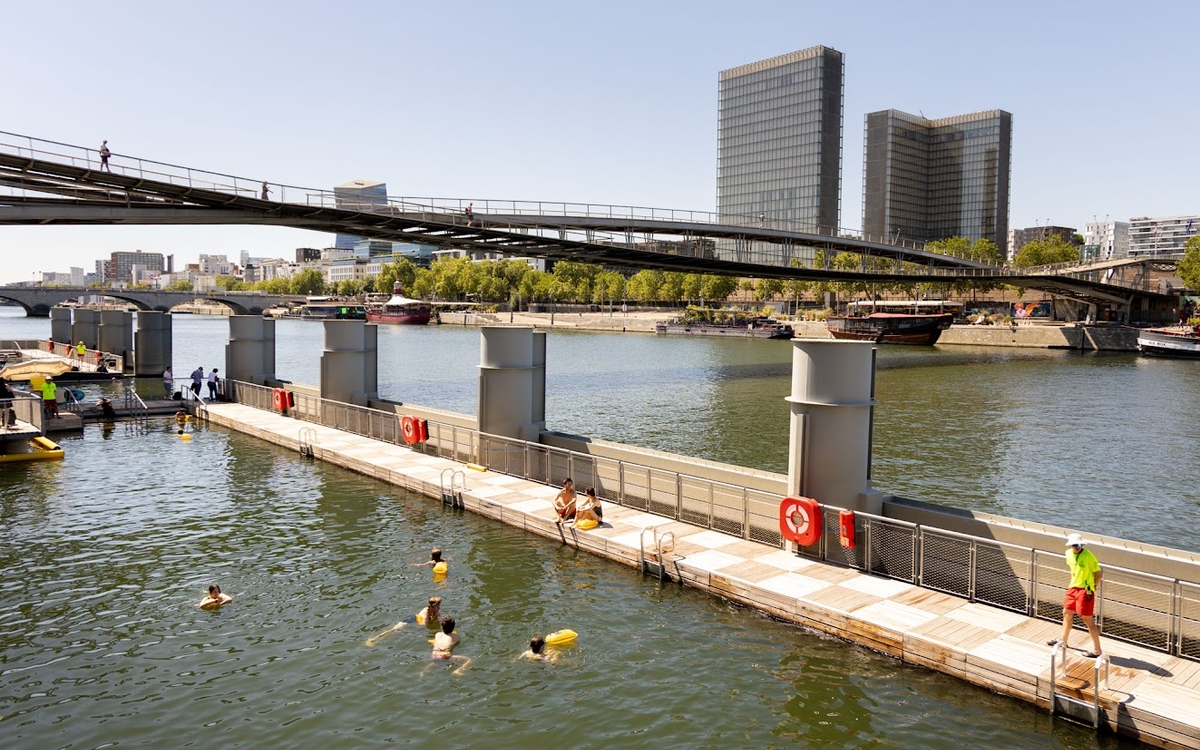
Location: Quai de Bercy, 183 quai de Bercy, 12th arrondissement, beneath the Simone-de-Beauvoir footbridge and opposite the Bibliothèque nationale de France.
Dates and hours: 4 July–30 August 2026, daily 11:00–21:00; swimmers leave the water 30 minutes before closing.
Who can attend: Free from age 10. Visitors under 14 must be accompanied by an adult, with no more than three under-14s per adult.
Swimming in the Seine is no longer a futuristic promise. Bercy is the largest of Paris’s authorized river-bathing sites, with supervised access, loaned flotation buoys, changing rooms, lockers, showers and a first-aid post. It is worth visiting for the surreal contrast: open-water swimming in the foreground, contemporary Paris and the BnF across the river.
Practical tip: arrive close to opening on hot days. Access is first come, first served and can be suspended for current, weather or water-quality reasons. Check the live official information from the Ville de Paris; swimming outside authorized, supervised zones is forbidden.
2. Find New York on the Seine at “Coney Island Queen”
Location: Rampe Châtelet, Berges de Seine, Paris Centre (4th arrondissement).
Dates and hours: 4 July–30 August 2026. It is an outdoor installation with no staffed visiting slot listed; access follows the public opening of the riverbanks.
Who can attend: Free and open to all.
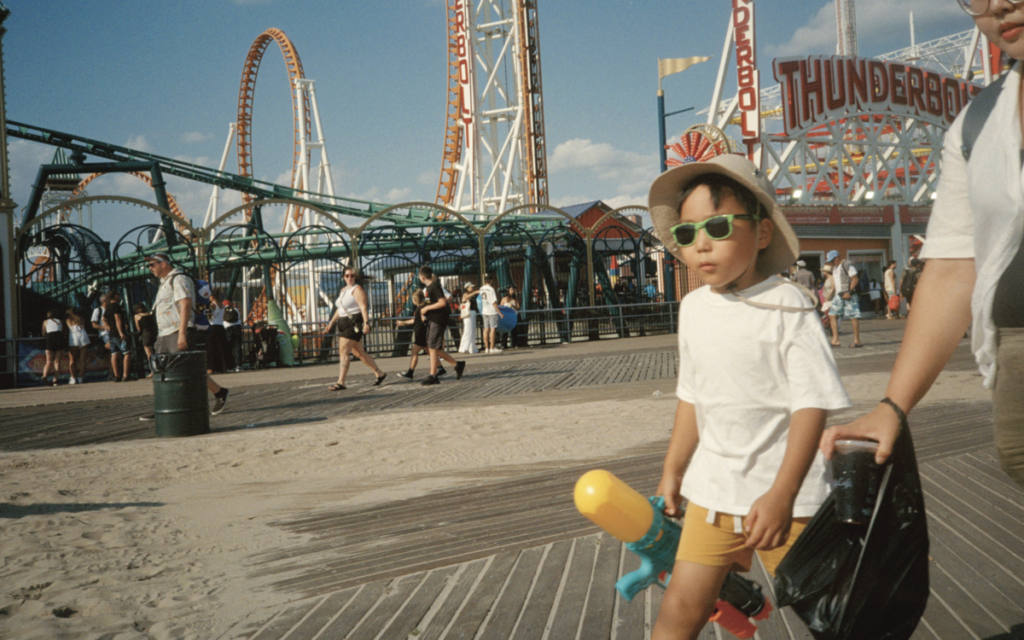
Photographer Ludivine Combe’s expired-film images turn the Seine into a portal to Coney Island: candyfloss, beach bodies, inflatable objects and the democratic theatre of a crowded shore. The delicate grain makes the exhibition feel both contemporary and strangely timeless. Visit in late afternoon, when the soft light on the river complements the photographs, then continue along the car-free embankment.
Practical tip: combine the exhibition with a picnic, but remember that outdoor displays are best viewed in dry weather. Confirm details on the official Paris event page.
3. Watch free films under the stars at La Villette
Location: Prairie du Triangle, Parc de la Villette, 19th arrondissement.
Dates and hours: 22 July–16 August 2026, Wednesday–Sunday. Family screenings begin at 18:00 and evening films at 21:00. La Villette advises arriving from 16:30 or 19:30 respectively.
Who can attend: Free, subject to capacity. Optional deckchairs cost €6 and can only be booked online on the day.
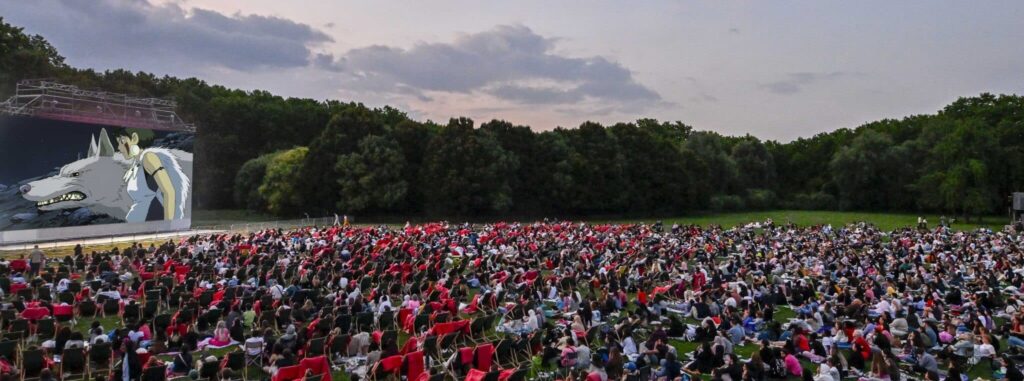
The 35th edition of Paris’s largest open-air cinema adopts “The Call of the Wild” as its theme, ranging from animation to contemporary drama and cult cinema. Bring a blanket, a picnic and a layer for after sunset. Glass containers and pets—except assistance dogs—are not admitted.
Practical tip: watch La Villette’s weather update at 15:00 on screening days; extreme heat or rain can cause cancellations. Review the official film programme and access rules.
4. Relive the Tour de France’s Montmartre spectacle
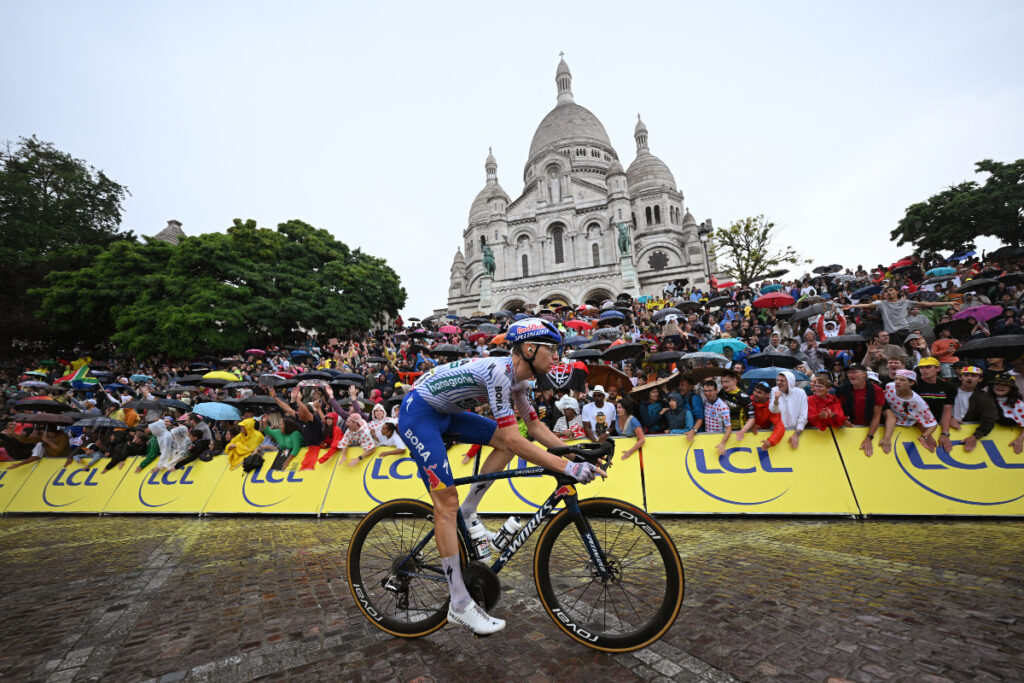
Location: Rue Lepic and the Montmartre circuit in the 18th arrondissement, followed by the Champs-Élysées finish.
Date and hours: Sunday 26 July 2026; the first Montmartre passage was scheduled around 18:45 and the Champs-Élysées finish around 19:30.
Who could attend: Street viewing was free and open to spectators, subject to security perimeters.
A useful factual correction: the Tour did not finish in Montmartre. Riders climbed Rue Lepic three times before racing to the official finish on the Champs-Élysées. That combination made the finale extraordinary—village-scale emotion around Sacré-Cœur, then the ceremonial grandeur of central Paris.
Practical tip: for future editions, arrive several hours early, travel by metro and expect extensive road closures. The Ville de Paris route update is the most useful source for timings and restrictions.
5. Remember the six-week Garden Parvis festival
Location: Parvis de La Défense, 92800 Puteaux.
Dates and hours: 18 June–30 July 2026. Monday 11:30–21:00; Tuesday and Wednesday 11:30–22:00; Thursday 11:30–23:00; Friday 11:30–22:00; Saturday 11:30–21:00; Sunday 11:30–19:00.
Who could attend: Free entry for all; food and drinks were charged separately.
Garden Parvis transformed Europe’s largest business district into a music-and-leisure destination with live concerts, emerging artists, DJ sets, dance, quizzes and outdoor cinema. The striking lesson was spatial: a corporate plaza became a relaxed public garden after office hours.
Practical tip: the 2026 edition has ended. Keep the official Garden Parvis page bookmarked for future editions and weather-related programme changes.
6. Catch the final days of Festival Paris l’Été
Location: multiple parks, schools, monuments, museums, churches and unusual venues across Paris and the wider region.
Dates: 11 July–4 August 2026; times vary by performance.
Who can attend: all audiences. Free events are offered within the programme, but conditions vary and many require advance reservation.
Paris l’Été deliberately moves theatre, dance, circus, music and installations beyond conventional auditoriums. Its appeal lies in discovery: a historic space or neighbourhood becomes part of the performance. This is the free-cultural Paris that visitors often miss because it cannot be reduced to one landmark.
Practical tip: filter the official programme by date, price and accessibility, and never assume “festival” means every production is free. Reserve even zero-price tickets early. For more seasonal planning, read our guide to the best times to visit Paris.
7. Enter the Musée d’Orsay free—if you qualify
Location: Esplanade Valéry Giscard d’Estaing, 75007 Paris.
Hours: Tuesday–Sunday 09:30–18:00; Thursday until 21:45; closed Monday. Last-admission rules apply.
Who can attend free: all visitors under 18, and visitors under 26 who are EU/EEA nationals or non-nationals with proof of long-term EEA residence of more than three months.
This is not a universal free-entry offer, but for eligible students and young travellers it is one of Paris’s greatest values. The former railway station holds a world-leading collection of Impressionist and post-Impressionist art, and the building itself is part of the experience.
Practical tip: reserve a free timed ticket and carry proof of age and eligibility. Thursday evening is atmospheric, while weekday mornings are usually calmer. Pair it with our selection of lesser-known Paris museums. Verify conditions on the Musée d’Orsay’s official visitor page.
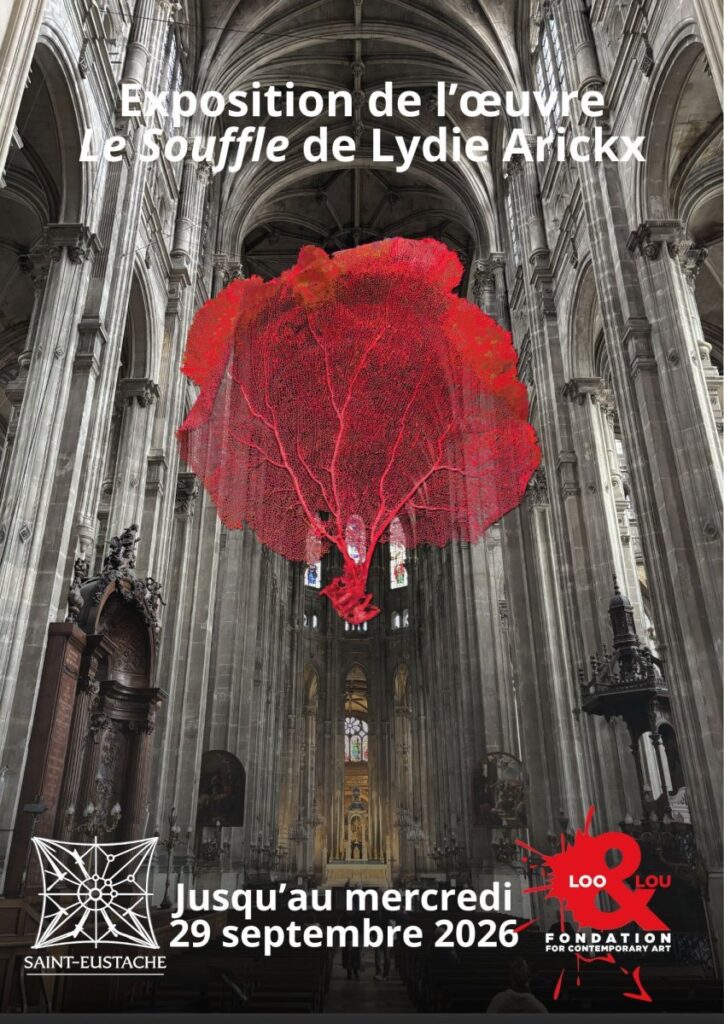
8. Stand beneath Lydie Arickx’s seven-metre “Le Souffle”
Location: Église Saint-Eustache, 146 rue Rambuteau, 1st arrondissement.
Dates and hours: 10 July–29 September 2026; the official listing gives access from 10:00 during church opening.
Who can attend: free entry for all, while respecting worship and services.
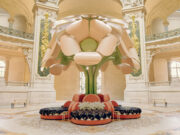
Suspended in the great nave, Arickx’s monumental coral-like form is beautiful and unsettling: a “breath” of life that also suggests ecological fragility. The scale of the church changes the work, and the work changes how visitors read the Gothic and Renaissance architecture.
Practical tip: enter quietly, avoid service times and check the church’s same-day schedule. Les Halles is busiest at lunchtime; early morning offers the calmest encounter. See the Diocese of Paris listing.
9. Walk the “Actresses of the Footbridges” exhibition
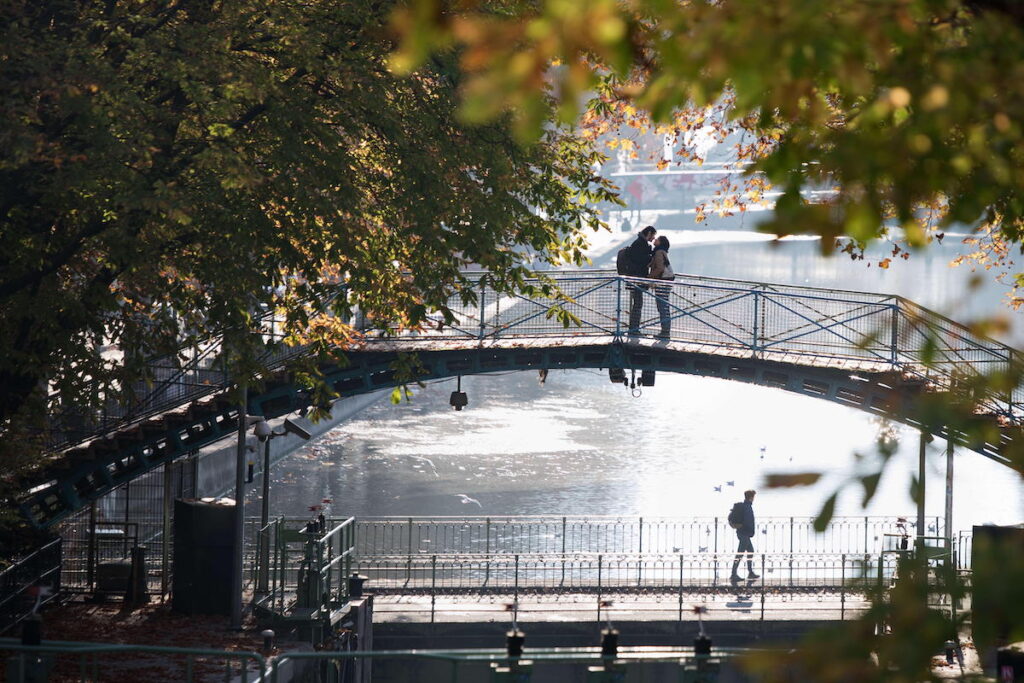
Location: Quai de Valmy at rue de Lancry, Canal Saint-Martin, 10th arrondissement.
Dates and hours: extended through 30 October 2026; open-air and freely accessible throughout the day.
Who can attend: free for all.
Nine bridges and footbridges now bear the names of major actresses, including Arletty, Michèle Morgan, Maria Casarès, Emmanuelle Riva, Bernadette Lafont, Maria Pacôme, Hélène Duc, Maria Schneider and Jane Birkin. Panels and podcasts turn a canal walk into a compact history of French stage and screen—and restore women’s names to the city’s public geography.
Practical tip: begin at rue de Lancry and follow the water north. Headphones make the linked podcasts easier to enjoy. Continue later with our guide to Paris rooftop bars with a view.
10. Explore the Olympic legacy on foot or by bicycle
Location: four departure areas—including Parc de la Villette, Porte de la Chapelle, Épinay-sur-Seine and another north-eastern route—with a shared finish in Saint-Denis.
Date and hours: Saturday 1 August 2026, 09:00–18:00.
Who can attend: free, all-public event, but reservation is mandatory and capacity is limited to 250 participants.
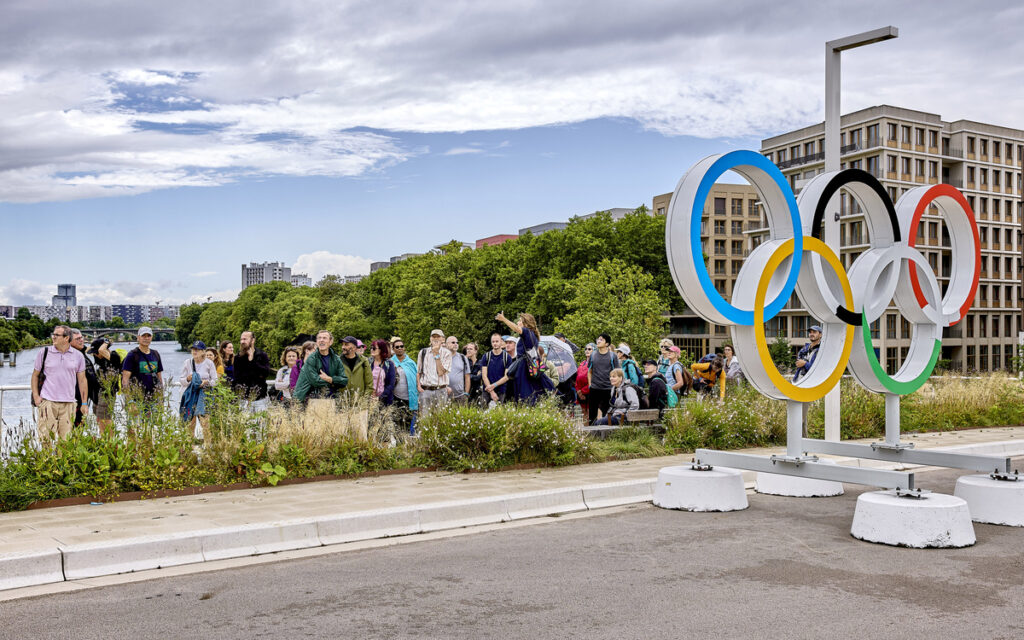
The Grande marche Héritage olympique offers four walking routes and one cycling route through places transformed by Paris 2024: the Athletes’ Village, Pleyel, the Olympic Aquatics Centre, the Cité du Cinéma and areas around the Stade de France. It is not nostalgia; it is a guided examination of how mega-events alter housing, transport and public space.
Practical tip: choose the distance and mode carefully, carry water, and treat registration confirmation as essential. Consult the official event page for the latest meeting point. If the date is full, many legacy sites remain visible independently, but guided access is not guaranteed.
OUISTARS Travel Tip
Paris becomes extremely busy during major summer events. Planning transportation in advance saves time and avoids long queues. For concerts, festivals and evening events, pre-booking a private chauffeur is often the smartest option, especially when thousands of visitors leave at the same time. International guests can review OUISTARS destination and mobility services or arrange chauffeur-driven transportation in Paris. For late plans, our guide to Paris nightlife adds useful context.
The real luxury is knowing where to look
Paris in summer 2026 proves that “free” does not have to mean marginal. A swim in a historic river, cinema beneath the sky, art in a church and the living legacy of the Olympics can form a richer itinerary than a checklist of paid monuments. The only price is attention: to dates, reservations, eligibility and the city around you.
Frequently Asked Questions
Is swimming in the Seine free in summer 2026?
Yes, authorized supervised sites including Bercy are free. Access depends on capacity, weather, current and daily water-quality checks.
Is La Villette open-air cinema completely free?
Lawn access is free subject to capacity. Optional deckchair rental costs €6 and is booked online on the day.
Did the 2026 Tour de France finish in Montmartre?
No. The final stage crossed Montmartre and climbed Rue Lepic three times, then finished on the Champs-Élysées.
Can every visitor enter the Musée d’Orsay free?
No. Free entry applies to defined groups, including under-18s and eligible under-26 EU/EEA nationals or long-term EEA residents. Proof is required.
Do free Paris summer events require reservations?
Some do. The Olympic Legacy Walk and many Paris l’Été events require advance booking even when the ticket price is zero.
Which free activities continue after August?
The Saint-Eustache installation runs through 29 September 2026 and the Canal Saint-Martin actresses exhibition through 30 October 2026.