















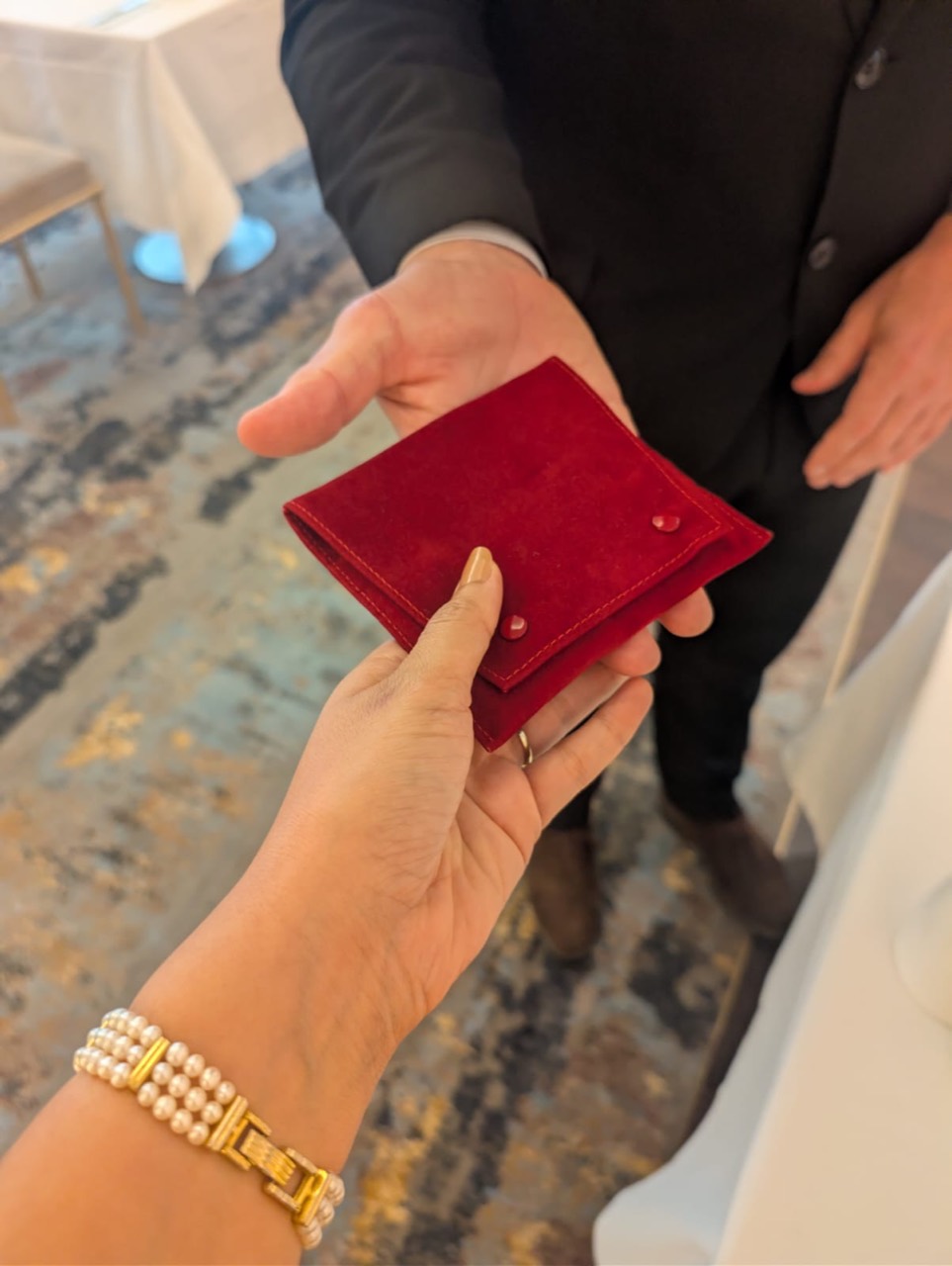
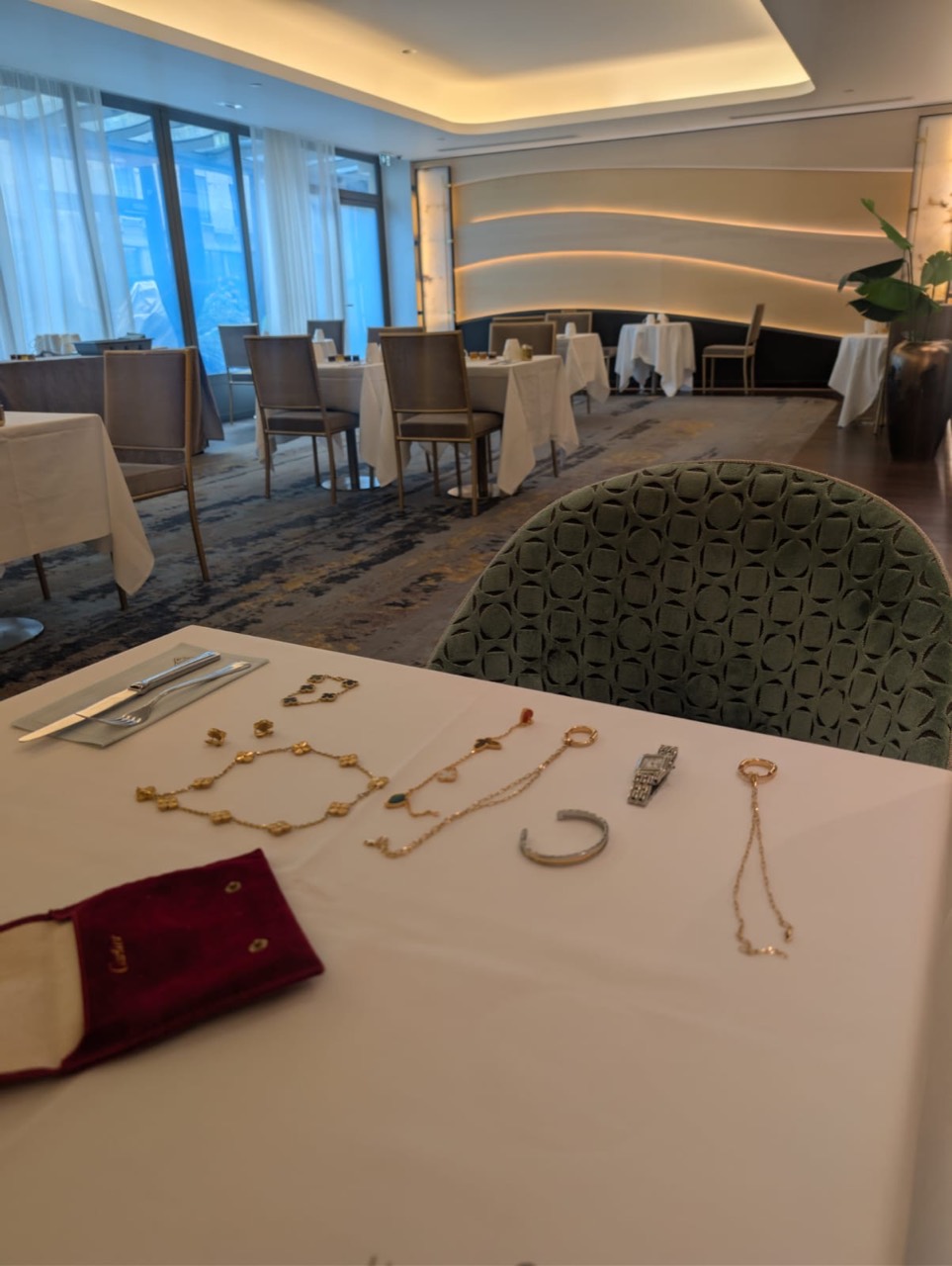
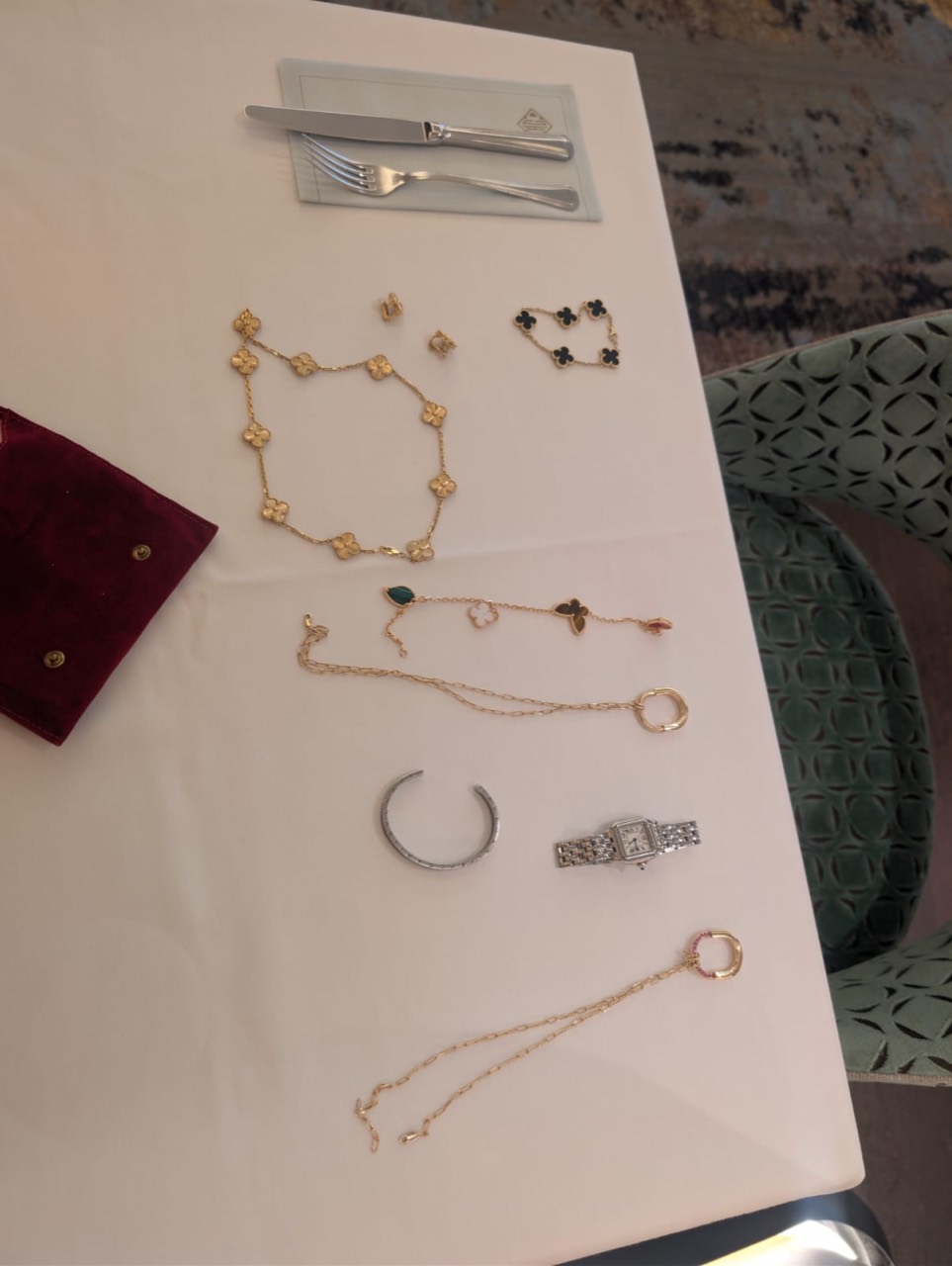
It began with seven missing valuables and an Arab family searching for an answer. It ended quietly in Paris: the OUISTARS Travel editorial team received the items and handed them to a relative of the family. No names, no spectacle—just property returned and a human task brought to a close.
This article follows our first report on valuables reported missing after a Paris hotel stay. At the family’s request, we are withholding the hotel’s name and the identities of everyone involved in receiving and returning the items. The purpose is not to reopen accusations. It is to record how the case ended and draw lessons that may protect another traveller.
- Seven items were included in the recovery.
- The OUISTARS Travel team received them during the return process.
- They were handed to a relative of the Arab family in Paris.
- The magazine’s role ended when that handover was completed.
The handover mattered more than the discovery
Finding valuable property is not the end of a case. A responsible conclusion requires an inventory, secure custody, an identified recipient and a clear record that the property reached the family’s representative. That is why the handover—not a celebratory photograph—was the decisive step.
We have removed every detail that could expose the hotel, its staff or the family’s relative. Privacy is not a gap in this account. It protects the people and the property, and prevents a resolved incident from becoming an invitation to speculation or online pursuit.
The larger lesson: memory is not a security system
Travel disrupts routine. Medical appointments, flights, children, medication and luggage compete for attention. In precisely those moments, memory becomes a fragile way to protect jewellery, watches, documents or other high-value belongings.
If carrying them is unavoidable, decide how they will be protected before arrival. Ask for the hotel’s written policy, distinguish between an in-room safe and property formally deposited with the hotel, and keep a record of what was handed over and returned.
A practical valuables protocol
- Before departure: take only what is necessary. Photograph each item and keep receipts, serial numbers and valuations in a separate secure file.
- At check-in: ask how the room safe differs from the hotel’s central safe or deposit service, including liability and insurance limits.
- When depositing property: deal only with an authorised employee and obtain a dated receipt describing the number and condition of the items.
- When using the room safe: test it, choose an unpredictable code and check that it has actually locked.
- Before leaving: inventory every item and make opening the safe part of the checkout list. Two people should verify it when possible.
- If something is missing: notify the hotel manager in writing, ask for access and camera records to be preserved, report the loss to police and contact the insurer promptly.
What French law says
Articles 1952 to 1954 of the French Civil Code set specific rules for hotel liability. France’s Ministry of the Economy says liability is unlimited when property was handed directly to the hotel or placed in the hotel’s central safe. Theft from a room, or of property kept under the guest’s own control, is generally subject to limited compensation depending on the circumstances. Exceptions include force majeure and serious fault by the guest.
A room safe and a hotel deposit are not the same
An in-room safe remains under the guest’s control and may carry different operational, legal and insurance conditions. Formal delivery to management or to the central hotel safe requires a clearer chain of custody: who accepted the property, what they accepted, when it happened and how it will be released.
If a hotel will not accept high-value property or will not document the procedure, do not improvise a hiding place. Ask the insurer about an acceptable alternative, use a reputable specialist storage service, or reconsider whether the items need to travel at all.
The three-minute checkout
- Safe, deposited property and receipts.
- Passports, wallets and medication.
- Jewellery, watches, electronics and chargers.
- Drawers, bathroom and wardrobe.
- One final photograph of the packed luggage.
Three organised minutes can prevent days of calls and anxiety. On a medical trip, assign documents and valuables to a family member other than the patient.
A happy ending with a lasting obligation
For this family, the story ended with all seven items returned. Its wider value lies in a new travel habit: valuable property is protected by carrying less, documenting carefully, depositing correctly and checking before departure—not by good intentions alone.
Send this checklist to someone preparing for a journey. Three minutes before leaving a hotel room can separate a quiet return home from the beginning of a long search.
Official sources
- French Ministry of the Economy: hotel guests’ rights and liability
- Legifrance: Civil Code articles 1949–1954
- SignalConso: reporting a consumer dispute