








Three days in Paris can feel impossibly short—or surprisingly complete. The difference is not how many landmarks you squeeze into a map. It is the order in which you see them. This Paris in 3 days itinerary follows the city’s geography, protects time for reservations and gives first-time visitors room to experience Paris rather than race through it.
Over 72 hours, you will move from the Eiffel Tower and the Seine to the Louvre, the Latin Quarter and Montmartre. You will also find practical 2026 prices, realistic walking times, the nearest Metro stations and the photo angles that justify carrying a camera.
Paris in 3 days: the plan at a glance
- Day 1: Eiffel Tower, Trocadéro, Seine cruise, Champs-Élysées, Arc de Triomphe and dinner near the tower.
- Day 2: Louvre, Palais Royal, Notre-Dame, Latin Quarter, Saint-Germain-des-Prés and Luxembourg Gardens.
- Day 3: Montmartre, Sacré-Cœur, Place du Tertre, Galeries Lafayette rooftop, Palais Garnier and sunset over Paris.
This route covers roughly 9–12 kilometres a day. Metro journeys replace the least interesting transfers, while the best streets remain walkable.
Day 1: the Eiffel Tower, the Seine and western Paris
08:00 — Breakfast at a serious Paris boulangerie
Begin with a crisp baguette, a croissant and coffee near Rue Saint-Dominique. An award-winning address such as La Parisienne is a better introduction than a hotel buffet. Allow 40 minutes.
Photo: a window display of viennoiseries. Metro: École Militaire (Line 8). Insider tip: arrive before 08:30, when neighbourhood queues are shorter.
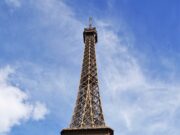
09:00 — Eiffel Tower
Early timed entries reduce queue risk. Reserve 90 minutes for the second floor and about two hours for the summit. In 2026, official adult lift tickets are €23.50 to the second floor and €36.70 to the summit.
Photo: Champ-de-Mars, the carousel side of Pont d’Iéna and the first platform’s ironwork. Metro: Bir-Hakeim or Trocadéro. Large luggage is prohibited and there is no cloakroom. Book only through the official Eiffel Tower website.
11:00 — Trocadéro
Cross Pont d’Iéna for the tower’s classic urban perspective. Allow 35–45 minutes. The terraces give symmetry; Avenue de Camoëns offers a quieter frame.
Best time: morning. Metro: Trocadéro. Tip: use the side steps; fountains add foreground depth.
12:00 — Seine River cruise
A one-hour cruise explains Paris faster than another hour underground. Bateaux Parisiens departs from Port de la Bourdonnais and currently lists sightseeing cruises from €18.
Photo: choose an open side for Notre-Dame, the Louvre and the bridges. Metro: Bir-Hakeim. Reserve through the official operator.
13:30 — Lunch near the Eiffel Tower
Les Cocottes Tour Eiffel suits a polished but relaxed meal. Les Ombres is the premium choice for a tower-facing setting. Allow 75–90 minutes and confirm current opening hours.
15:30 — Champs-Élysées
Take Line 9 to Franklin D. Roosevelt and walk west. Allow 60–75 minutes for the avenue, flagship stores and the Arc de Triomphe perspective.
Photo: the central view from a safe pedestrian island. Metro: Franklin D. Roosevelt. Tip: Avenue Montaigne reveals Paris luxury better than the busiest central pavement.
17:00 — Arc de Triomphe
The terrace gives one of Paris’s clearest radial views. Allow 60–75 minutes. Standard admission is €22; the official site lists a €16 individual rate on Wednesdays. The terrace is reached by 284 steps.
Photo: the Champs-Élysées axis. Metro: Charles de Gaulle–Étoile. Use the underground passage—never cross the roundabout. Check the official information.
19:30 — Dinner and the Eiffel Tower sparkle
Dine around Rue Cler or Rue Saint-Dominique. After dark, choose Pont de Bir-Hakeim or the Trocadéro gardens. The tower normally sparkles for five minutes at the start of each hour after nightfall. Verify the schedule that day.
Day 2: masterpieces, the island and the Left Bank
08:30 — Louvre Museum
The Louvre should anchor the morning. A timed reservation protects the rest of the day. Allow three hours; do not try to see every gallery.
Photo: the pyramid before opening, Cour Carrée and the Richelieu passage. Metro: Palais Royal–Musée du Louvre. Best time: the first slot, or Wednesday/Friday evening.
The museum closes on Tuesdays. In summer 2026, reservations are compulsory for almost all visitors from 1 July to 31 August. Official admission is €22 for eligible EEA visitors and €32 for non-EEA visitors. Buy through the official Louvre site.
12:00 — Palais Royal
Five minutes from the Louvre, Palais Royal offers arcades, clipped trees and Daniel Buren’s columns. Allow 40 minutes.
Photo: frame the columns beneath historic façades, then photograph the garden axis. Metro: Palais Royal–Musée du Louvre. Hidden experience: browse the specialist shops under the arcades.
13:00 — Lunch in central Paris
Le Grand Véfour is the grand historic choice. For a more accessible meal, reserve a well-reviewed contemporary bistro near Rue de Richelieu. Allow 75 minutes.
14:30 — Notre-Dame Cathedral
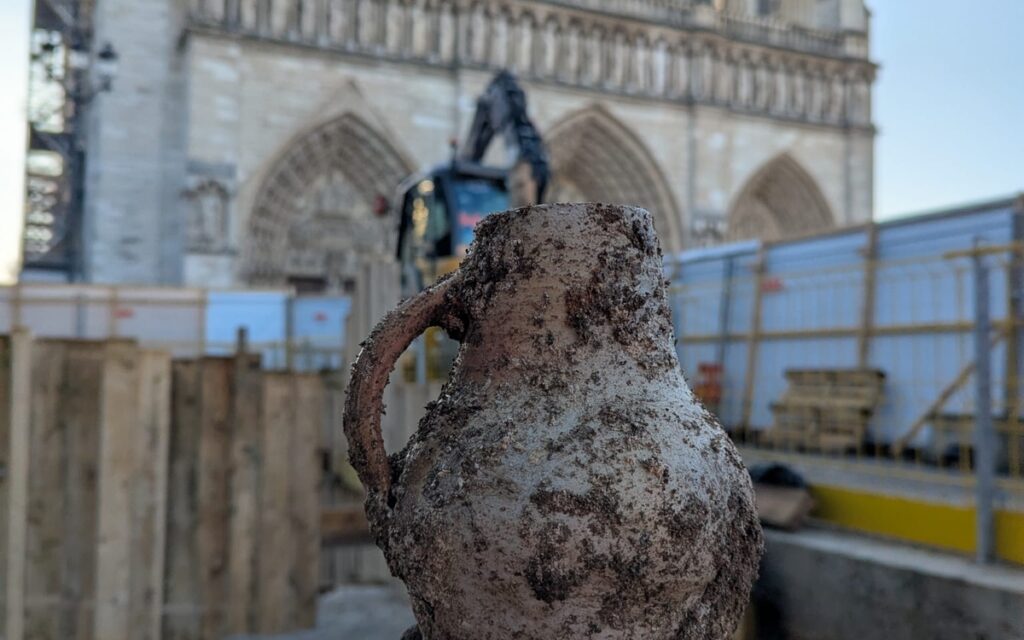
Notre-Dame’s restoration has returned one of Europe’s great Gothic interiors to daily life. Individual entry is free. A free optional reservation can reduce uncertainty in busy periods.
Time: 60 minutes. Photo: the western façade, Square Jean-XXIII and Pont de la Tournelle. Metro: Cité or Saint-Michel–Notre-Dame. Check official access information.
16:00 — Latin Quarter
Spend 75 minutes among university streets, bookshops and traces of Roman and medieval Paris. Walk Rue Galande, the Sorbonne surroundings and the Panthéon exterior.
Photo: Place de la Sorbonne and the Panthéon axis. Metro: Cluny–La Sorbonne. Tip: leave the busiest restaurant strip for Rue Mouffetard or the streets around Collège de France.
17:30 — Saint-Germain-des-Prés
The church, Café de Flore and Les Deux Magots form the famous triangle. The galleries and side streets are more intimate.
Time: one hour. Photo: Place de Furstenberg. Metro: Saint-Germain-des-Prés. In a historic café, enjoy the terrace rather than treating it as a quick photo stop.
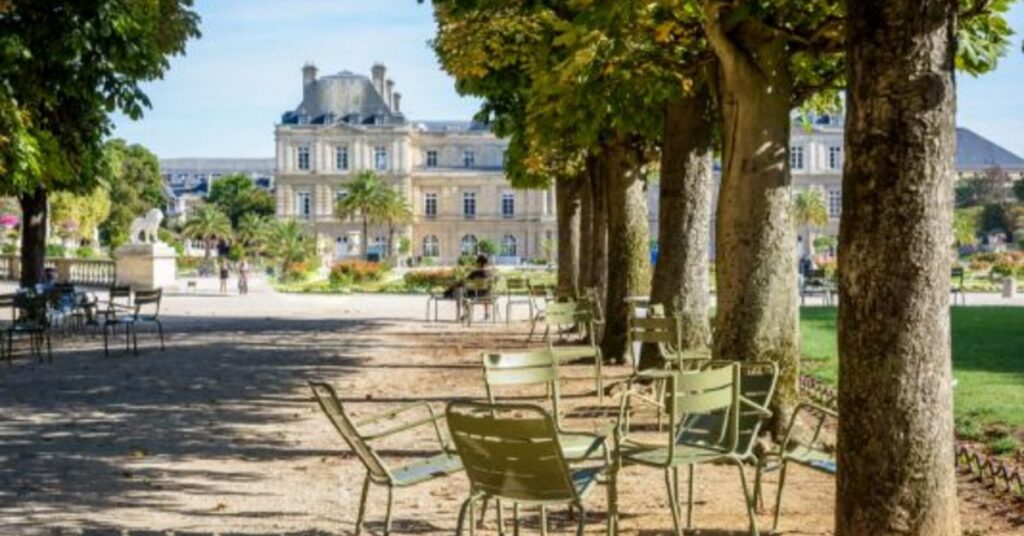
18:45 — Luxembourg Gardens
End among chestnut trees, green chairs and the Medici Fountain. The gates follow daylight and change every two weeks; summer closing ranges from about 20:15 to 21:30.
Photo: Medici Fountain, central basin and palace. Metro: Luxembourg or Odéon. Check the official schedule.
Day 3: Montmartre, grand Paris and a rooftop finale
08:30 — Montmartre before the crowds
Start at Abbesses and climb through Rue des Abbesses and Rue Lepic. Early Montmartre still feels like a village. Allow 60 minutes.
Photo: Abbesses Metro, the Wall of Love and Rue de l’Abreuvoir. Metro: Abbesses. Tip: use Anvers if many stairs are a concern.
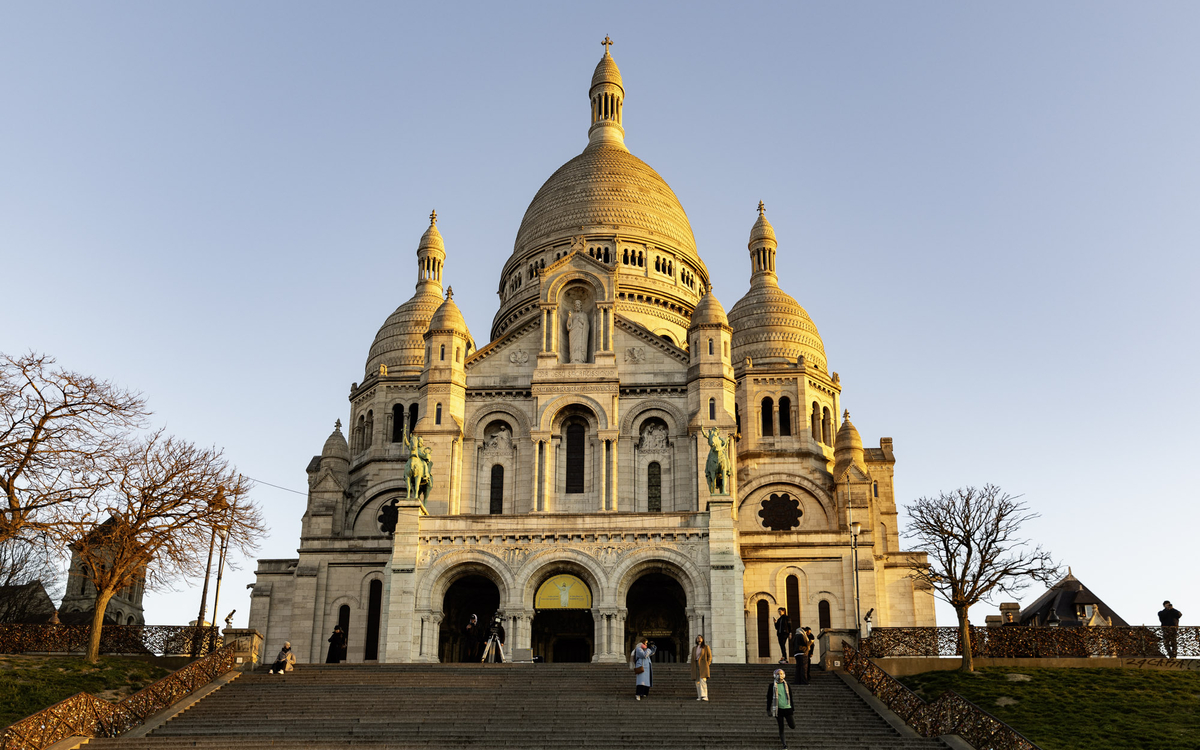
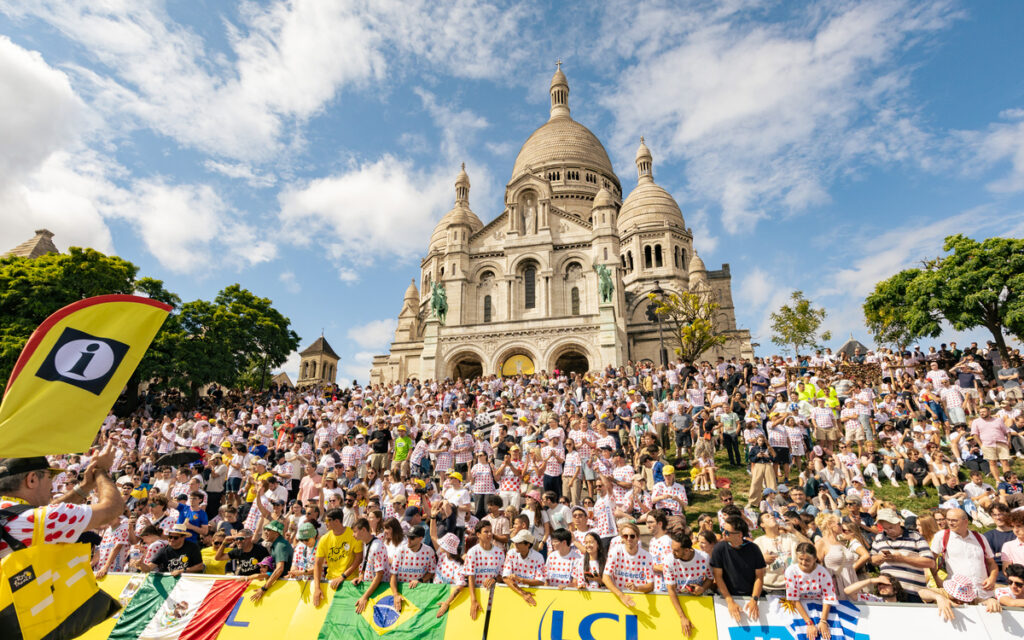
09:45 — Sacré-Cœur
The basilica is free and usually opens daily from 06:30 to 22:30. The forecourt gives a broad view. The dome requires nearly 300 steps and has no lift.
Time: 60 minutes, or 90 with the dome. Photo: the garden axis and Rue du Chevalier-de-la-Barre. Metro: Anvers or Abbesses. Verify the official conditions.
11:15 — Place du Tertre
The square is touristy, but its working artists remain part of Montmartre’s identity. Spend 40 minutes, then explore the lanes near the vineyard and Lapin Agile.
Photo: artists at work without intrusive close-ups. Metro: Abbesses. Tip: agree on price and format before commissioning a portrait.
12:30 — Lunch in Montmartre
Avoid multilingual menus around the busiest square. Reserve a bistro near Rue Caulaincourt. Bouillon Pigalle is affordable and energetic, though queues can be long.
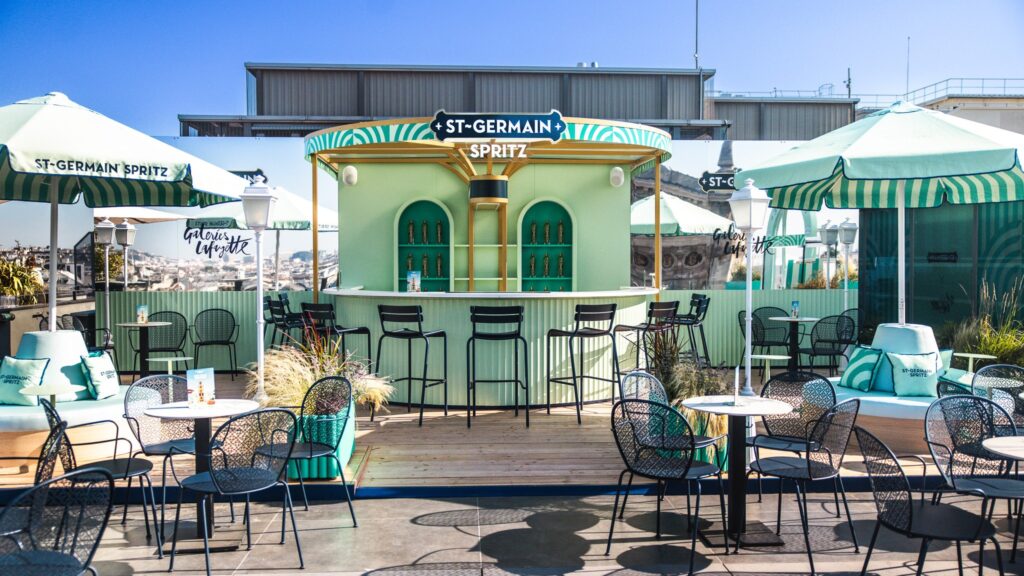
14:30 — Galeries Lafayette rooftop
The 8th-floor terrace gives a free 360-degree panorama. No reservation is normally required.
Time: 45 minutes. Photo: Palais Garnier in the foreground and the Eiffel Tower beyond the roofs. Metro: Chaussée d’Antin–La Fayette or Opéra. It usually opens 10:00–20:00 Monday–Saturday and 11:00–20:00 Sunday, subject to weather. Confirm on the official rooftop page.
15:45 — Palais Garnier
The grand staircase, salons and ceiling details reveal the theatrical ambition of 19th-century Paris. Allow 75–90 minutes.
Photo: the staircase, Grand Foyer and façade. Metro: Opéra or Auber. Online booking is required; on-site visit tickets are no longer sold. The auditorium may close for rehearsals. Summer visits generally run until 18:00, with last entry one hour earlier. Check official availability.
18:00 — A hidden passage and sunset
Walk through Passage Jouffroy or Passage des Panoramas, then continue toward the Seine. Pont Alexandre III, the Tuileries edge or the Arc terrace can deliver the finale.
Photo: Pont Alexandre III for golden light on Les Invalides. Metro: Concorde or Invalides. Tip: sunset time changes by more than four hours across the year; check it on the day.
Where to eat: practical and premium
- Boulangeries: 2026 Grand Prix de la Baguette winner Fournil Didot, or La Parisienne.
- Cafés: Café de Flore and Les Deux Magots for history; a local counter café for value.
- Dinners: Les Ombres for an Eiffel view, a reserved Left Bank bistro, or CoCo near Palais Garnier.
- Hidden experience: buy picnic provisions from a market street and leave no waste.
Realistic 2026 budget
- Careful: €95–€145 per person per day, excluding hotel and shopping.
- Comfortable: €180–€300 per day.
- Premium: from €400 per day.
A Metro–Train–RER ticket costs €2.55 and a Bus–Tram ticket €2.05 in 2026. A Navigo day pass costs €12.30 but excludes airports. Paris Visite for three days costs €63.80 and includes zones 1–5 and airports. Compare your journeys on the official fares page.
Booking, safety and money-saving advice
- Reserve the Eiffel Tower, Louvre and Palais Garnier on official websites.
- Book the Seine cruise for weekends, but keep weather flexibility.
- Validate every journey and keep the ticket until exit.
- Carry a zipped cross-body bag in crowds.
- Refuse unsolicited petitions, friendship bracelets and street gambling.
- Balance paid tickets with free views at Trocadéro, Sacré-Cœur and Galeries Lafayette.
OUISTARS Travel Tip
Three days reward travellers who remove friction before arrival. Pre-arranged airport meet & greet, hotel transfers and private sightseeing protect valuable time. OUISTARS provides airport pickup, hotel transfers and customised Paris tours with professional chauffeurs.
Explore our guides to Paris’s essential landmarks, the best season to visit Paris and private chauffeur travel in Paris.
Frequently asked questions
Are three days enough for Paris?
Yes for a strong first visit if timed attractions are booked and each day stays within one area.
Where should a first-time visitor stay?
The 1st, 4th, 5th, 6th, 7th and 9th arrondissements reduce travel time for this route.
Should I buy Paris Visite?
It depends. The 2026 three-day pass costs €63.80 and includes airports. Central visitors may spend less on single tickets.
Which attractions must be reserved?
Reserve the Eiffel Tower, Louvre and Palais Garnier. Notre-Dame entry is free, with an optional free reservation.
What is the best month?
April to June and September to October often combine long days with manageable temperatures.
OUISTARS travel planning: Travellers arranging a trip in France can review OUISTARS private chauffeur and luxury transportation services for airport meet-and-greet, hotel transfers and tailored journeys.