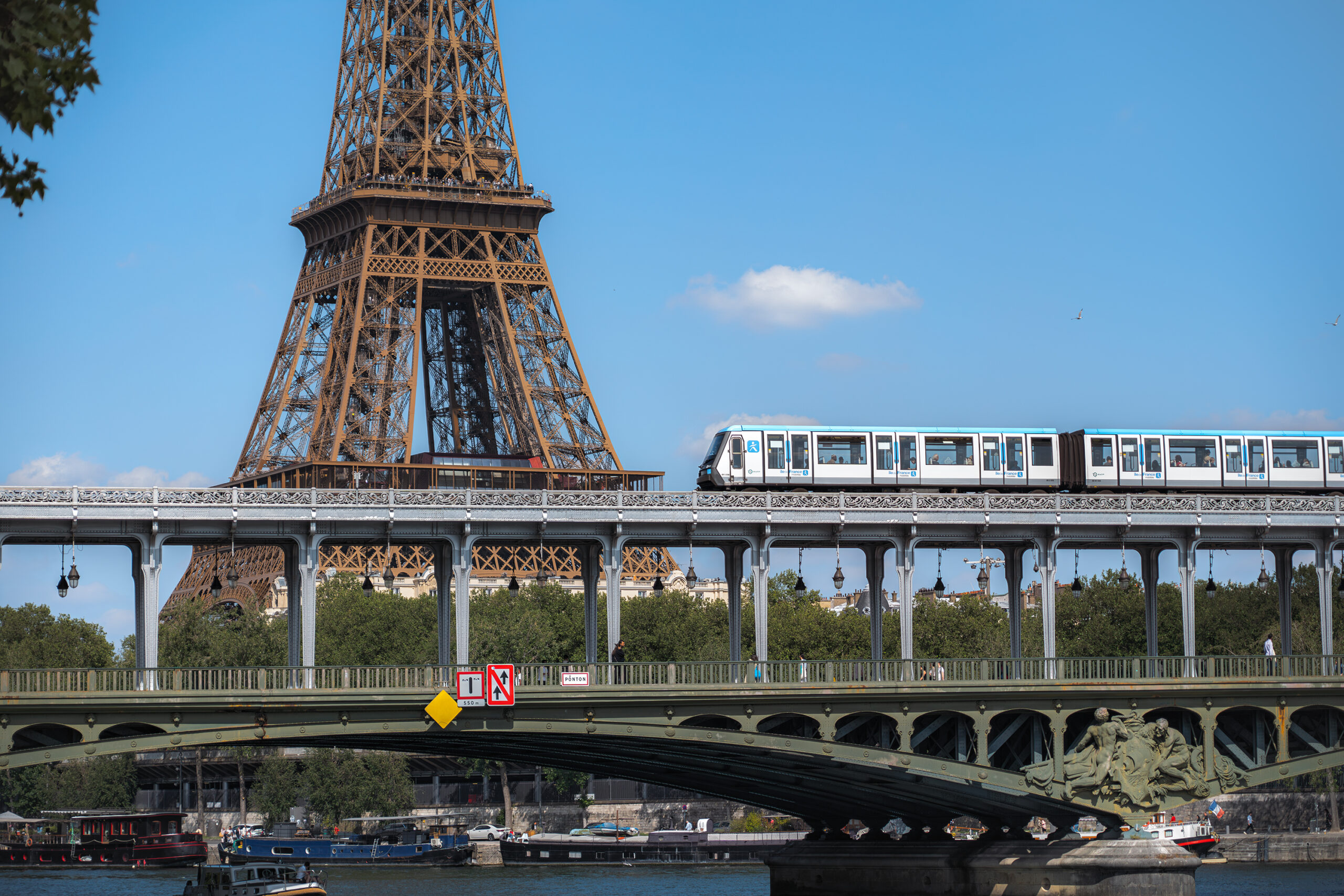
Paris is not difficult to navigate—but choosing the wrong transport at the wrong moment can turn a short journey into an expensive, exhausting detour. In 2026, the smartest visitors do not rely on one option. They walk through compact neighbourhoods, use the Metro for speed, choose taxis or VTCs when convenience matters, and reserve a private chauffeur when time, luggage, privacy or a demanding itinerary makes certainty more valuable than the lowest fare.
This independent OUISTARS guide compares the real strengths and limits of each option. Official public-transport prices were checked on 2 August 2026.
Getting around Paris in 2026: the quick answer
- Best for speed and value: Metro and RER.
- Best for street views and simpler boarding: bus and tram.
- Best for short central distances: walking.
- Best for a regulated ride: an official Paris taxi.
- Best for an app-booked trip: a licensed VTC such as Uber.
- Best for families, luggage, VIP schedules and several stops: a pre-booked private chauffeur.
- Best for confident riders in good weather: Vélib’ or another bicycle.
Paris transport comparison at a glance
| Option | Best for | Main advantage | Main limitation |
|---|---|---|---|
| Walking | Neighbourhood discovery | Free and immersive | Tiring over long distances |
| Metro/RER | Fast city crossings | Frequent and economical | Stairs, crowds and disruptions |
| Bus/tram | Views and easier access | See Paris while moving | Traffic can delay journeys |
| Taxi | Regulated door-to-door trips | Taxi ranks and fixed airport fares | Queues and congestion |
| VTC | App-based trips | Upfront app estimate | Dynamic prices and pickup rules |
| Private chauffeur | Families, luggage, business, luxury | Planned service and waiting time | Must be booked and priced in advance |
| Bicycle | Short scenic rides | Flexible and low-impact | Weather, traffic and confidence |
1. Walking: the best way to understand Paris
Central Paris rewards walking. The Louvre, Palais Royal, the Tuileries and Place Vendôme form a natural route. Notre-Dame, the Latin Quarter and Saint-Germain-des-Prés also work beautifully on foot. Walking reveals façades, bakeries and small streets that disappear from a car window.
Do not judge distance only by the map. Museum visits, bridges and station corridors add steps quickly. During heat, rain or late-night returns, combine walking with another mode.
2. Metro and RER: usually the fastest choice
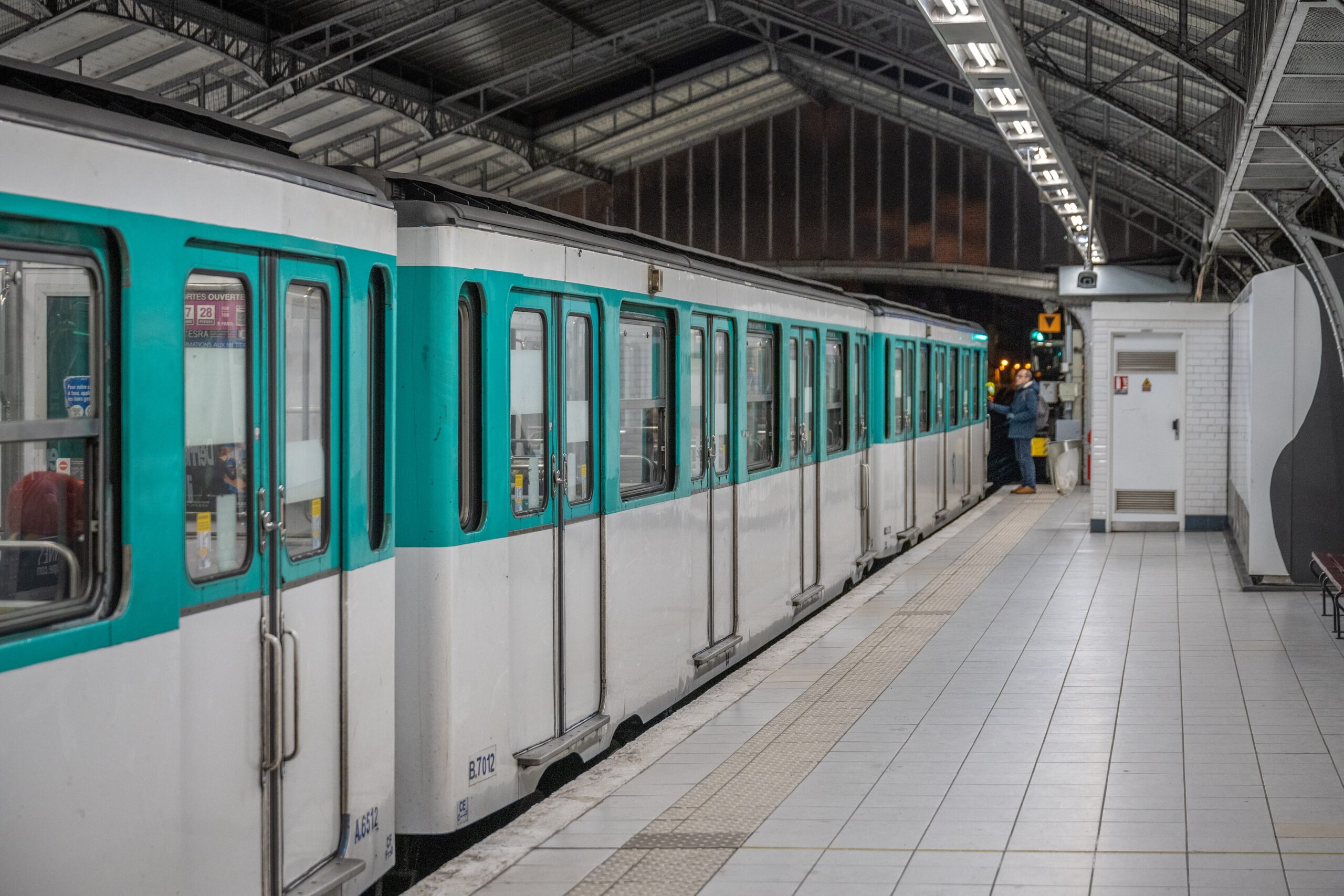
The Metro covers central Paris densely, while RER trains connect wider areas and destinations such as Charles de Gaulle Airport, Disneyland Paris and Versailles. For most first-time visitors, it is the quickest way to cross the city during busy road hours.
In 2026, the official Île-de-France Mobilités fare for a single Metro–Train–RER ticket is €2.55. A reduced fare is €1.30. The airport ticket is €14, or €7 at the reduced rate.
Buy only from official machines, counters or the official app. Keep a charged phone if your ticket is digital. Check live service information before an airport connection, timed museum entry or train departure.
When the Metro is not ideal
Some stations have long corridors, stairs and limited step-free access. Peak hours can be uncomfortable with children, a stroller or large suitcases. A journey with two changes may involve several staircases. A bus, taxi or booked vehicle can then be the better decision.
3. Bus and tram: slower, but more visual
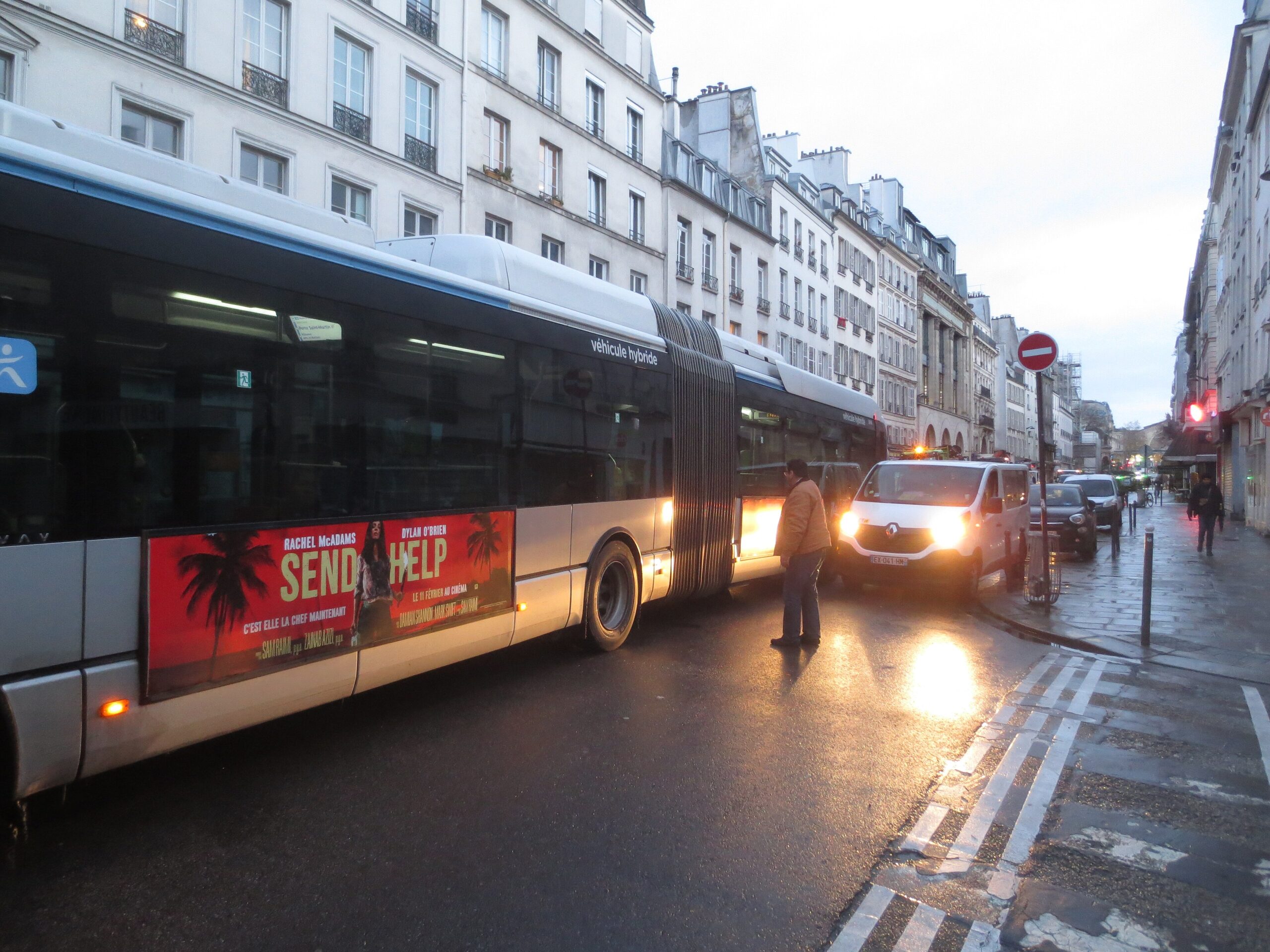
A 2026 Bus–Tram single ticket costs €2.05, with a €1.05 reduced fare. Buses are useful when you want to see the streets or avoid deep station corridors. They can also be more manageable for travellers with reduced mobility, although accessibility varies by stop and vehicle.
Traffic is the trade-off. Do not plan a tight airport, Eurostar or restaurant reservation around a bus crossing Paris at rush hour. Build in a buffer and follow the live route in the official transport app.
4. Official Paris taxis: regulated and practical
Official taxis can use taxi ranks and may be hailed when available. Look for the roof light, taximeter and professional identifiers. For airport trips, official fixed fares make budgeting easier: in 2026, Paris–CDG is €56 for the Right Bank and €65 for the Left Bank; Paris–Orly is €45 for the Right Bank and €36 for the Left Bank.
Outside fixed airport journeys, the meter and regulated supplements apply. Ask for a receipt. At airports and stations, ignore anyone soliciting passengers; follow official taxi signs.
5. VTC and Uber: convenient, but prices move
A VTC is booked before pickup through an app or company. Uber is one example, but it is not the only operator. The app usually shows an estimate. However, the price can change with demand, traffic, vehicle category and cancellation terms.
Verify the registration plate, driver name and vehicle before entering. At airports and large stations, use the designated pickup point shown in the app.
6. Private chauffeur: when planning is the real luxury
A professional chauffeur is not simply a more expensive taxi. The value is organisation: a confirmed pickup, suitable vehicle, direct company contact, planned waiting time, multiple stops and luggage assistance. This is useful for families, business travellers, older guests, shopping days and visitors moving between airports, hotels, stations and attractions.
Before booking, request the total price, included waiting time, luggage capacity, child-seat availability, cancellation terms and legal company details. Never assume that “full day” means unlimited hours or kilometres.
OUISTARS provides airport meet-and-greet, hotel transfers, hourly or full-day chauffeur service and customised sightseeing in Paris. The service should be chosen when it solves a real logistical problem—not presented as the only way to experience the city.
7. Cycling and Vélib’: freedom for confident riders
Paris has expanded cycling infrastructure. A bicycle can be efficient for short trips along the Seine, canals and protected routes. Check the Vélib’ tariff and deposit terms in the official app before unlocking a bike.
Wear a helmet, avoid blind spots beside buses and trucks, and do not cycle after drinking alcohol. Visitors unfamiliar with city traffic should start on a quiet protected route.
Which public-transport pass should you buy?
- Occasional rides: individual Metro–Train–RER or Bus–Tram tickets.
- Pay-as-you-go regular travel: Navigo Liberté+ (€2.04 for Metro–Train–RER and €1.64 for Bus–Tram in 2026).
- One busy day: Navigo Day, €12.30, excluding airport travel.
- A full week: Navigo Week, €32.40 for all zones.
- A visitor pass including airports: Paris Visite costs €30.60 for one day, €45.40 for two, €63.80 for three and €78 for five days. Children aged 4 to under 10 receive the reduced visitor fare.
Do the arithmetic before buying. An unlimited pass is convenient, but it is not automatically cheaper. Rules and eligibility matter.
Best transport by traveller type
Families with children
Use the Metro for direct, off-peak journeys. Choose buses for easier boarding when practical. For airport days, large luggage or late returns, reserve the correct-size vehicle and child seats.
Travellers with reduced mobility
Check station accessibility route by route. Paris Metro accessibility remains uneven. Buses, trams, accessible taxis and adapted pre-booked transport may provide a more reliable journey.
Business and VIP travellers
Protect the schedule. A booked driver with buffer time can be rational when several appointments, luggage or confidential calls are involved. For one uncomplicated trip, a taxi or VTC may be enough.
Budget travellers
Walk within neighbourhoods and use single tickets or the appropriate Navigo product. Do not buy an unlimited pass without calculating likely use.
Airport arrivals: choose before you land
Airport transport is where poor planning costs the most. Compare public transport, official taxi and private transfer before departure. Consider arrival time, terminal, hotel location, group size and luggage—not price alone.
Read the OUISTARS 2026 guide to CDG, Orly and Beauvais. Our Paris in three days guide helps group attractions by area.
Safety and disruption advice
- Check official traffic and strike updates on the day of travel.
- Keep phones and wallets secure near train doors and crowded escalators.
- Use official ticket channels, taxi ranks and verified bookings.
- Allow extra time for airports, Gare du Nord and timed attractions.
- Save your hotel address offline and keep a backup payment method.
Paris is generally safe for visitors, but awareness matters. See our guide: Is Paris safe? What tourists should know.
OUISTARS editorial verdict
The best Paris transport strategy is a combination. Walk when the city itself is the attraction. Take the Metro when speed and value lead the decision. Use a bus when the journey is part of the view. Choose an official taxi or licensed VTC for straightforward door-to-door travel. Reserve a private chauffeur when luggage, family comfort, multiple appointments or a premium schedule demands certainty.
The smartest choice is not always the cheapest ride. It is the option that protects the experience without paying for convenience you do not need.
Frequently asked questions
Is the Paris Metro easy for tourists?
Yes. The network is extensive and signs are generally clear. Check changes, disruptions and station accessibility.
How much is a Paris Metro ticket in 2026?
A single Metro–Train–RER ticket costs €2.55 at the full fare. Airport travel uses a different €14 ticket.
Is Uber cheaper than a taxi in Paris?
Not always. VTC prices vary with demand, while official taxi fares are regulated and airport routes use fixed prices.
Do I need a private chauffeur in Paris?
Most visitors do not need one for every trip. It becomes useful for airport arrivals, families with luggage, multiple stops and time-sensitive schedules.









[…] today’s real transport choices, see our guide to the Metro, taxi, VTC and private chauffeur in Paris and our analysis of choosing a ground-transport partner in […]
[…] practical planning, read our guides to getting around Paris in 2026 and choosing a ground-transport partner in […]