
















WELLNESS ECONOMY · UNITED STATES & GLOBAL
Luxury used to be measured by the view, the suite and the thread count. The next premium may be a better night’s sleep, faster recovery and a journey that sends the guest home feeling measurably better.
Why the 11.4% figure matters
The Global Wellness Institute’s 2026 monitor says wellness-tourism spending expanded 11.4% in 2025, while the wider wellness economy reached $7.5 trillion. This is not a niche spa story. It is a shift in what travellers are willing to pay for: sleep, movement, nutrition, recovery, nature and a sense that scarce holiday time improves life after checkout.
The report says every region set new records for wellness-tourism revenues and trips in 2025. The United States alone accounted for 36% of global spending, while the Middle East and North Africa recorded particularly rapid growth. For hotel owners, resorts and destination investors, the market is large enough to demand operational strategy rather than decorative wellness language.
Healthspan is not a medical promise
Healthspan—the years lived in good health—has become a powerful luxury theme, but hotels must use it carefully. A retreat can support sleep routines, fitness, nutritious food, stress reduction and access to qualified practitioners. It should not imply that a massage, supplement or weekend programme diagnoses or cures disease.
The strongest properties draw a bright line between hospitality, wellness and regulated medicine. They state who delivers each service, what credentials apply and when a guest should speak to a doctor. This distinction protects the traveller and the brand, while making credible programmes more valuable than vague claims about detox, immunity or reversing age.

What the new luxury guest is buying
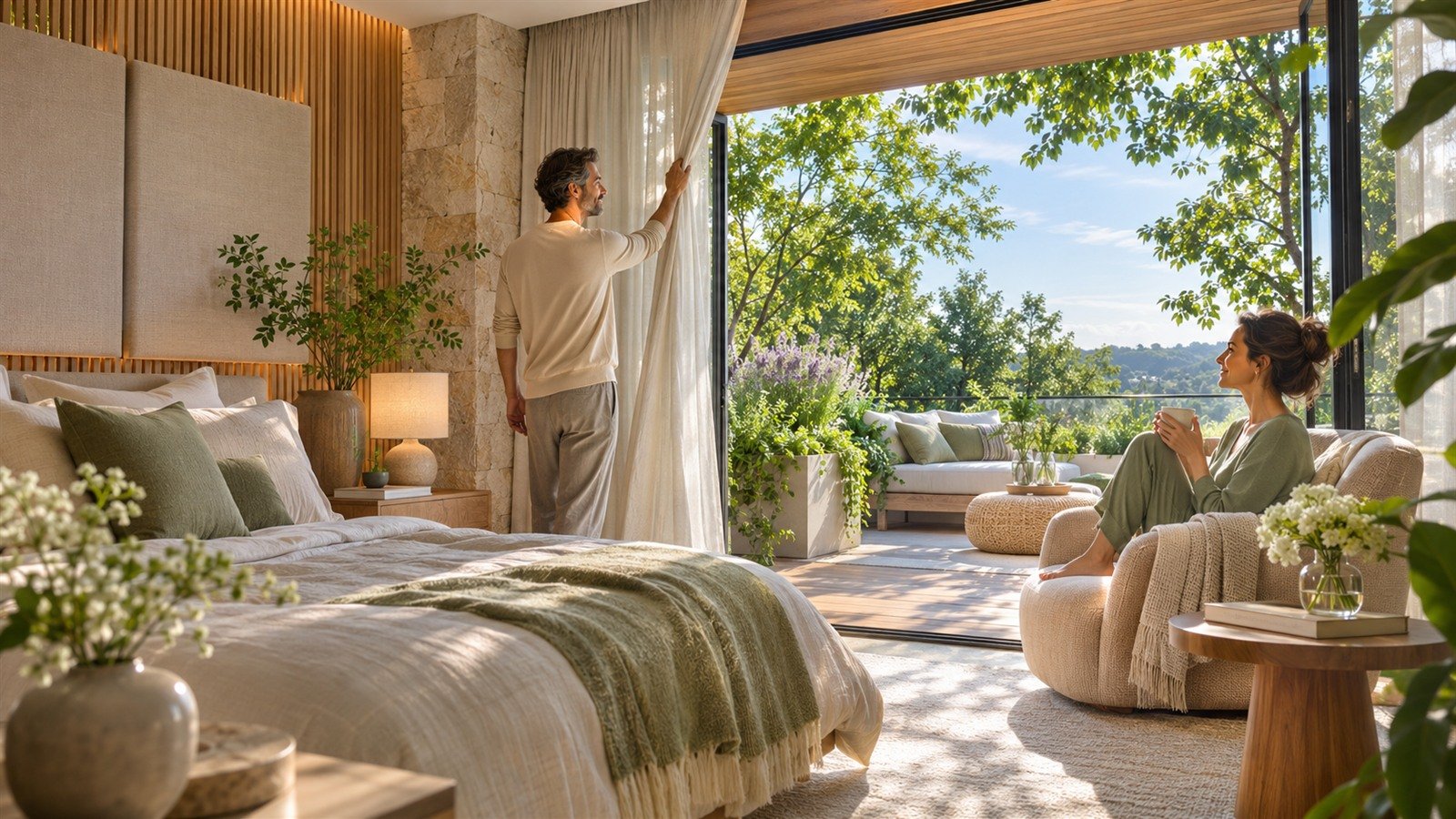
The guest is not only buying a treatment slot. They are buying an environment: blackout quality, acoustic comfort, clean air, temperature control, morning light, access to movement, food that fits personal needs and staff able to explain the programme without pressure. Those details require engineering, housekeeping, culinary and training—not only a spa brochure.
A healthspan journey can also extend before and after the stay. A hotel may collect preferences with clear consent, prepare a realistic schedule, then offer optional follow-up guidance. Privacy must be designed from the start. Health-adjacent data is sensitive, and guests should never be pushed to share more than the service genuinely needs.
Where hotels can make money
The commercial opportunity is broader than higher room rates. Properties can build multi-night recovery packages, paid diagnostics where legally appropriate, specialist consultations, sleep-friendly room categories, retreats in shoulder season and partnerships with credible local providers. The best packages increase length of stay and use facilities beyond the peak weekend.
But investors should ask whether revenue is repeatable. How many guests complete the programme? Which services generate margin after staffing? Does the experience improve reviews and return visits? Is demand year-round? A photogenic sauna can attract attention; a disciplined wellness operation creates durable cash flow.
A practical test for investors and travellers
A serious wellness property should be able to describe its programme in plain language, identify qualified professionals, separate evidence from aspiration, protect data and explain what is included in the price. It should also measure practical outcomes such as sleep satisfaction, programme completion, repeat bookings and guest complaints—without turning a holiday into surveillance.
For destinations, the opportunity connects hotels with food producers, thermal resources, nature, sport and local expertise. The winning model is not a copy of a Californian clinic everywhere. It is a credible local experience that uses hospitality to make healthier choices easier, while respecting culture, regulation and the traveller’s freedom.
Frequently asked questions
What is wellness tourism?
Travel in which maintaining or improving wellbeing is a significant motivation, including sleep, movement, spa, nutrition, nature and recovery experiences.
Is wellness tourism the same as medical tourism?
No. Medical tourism involves regulated diagnosis or treatment. Wellness travel generally supports wellbeing and must not make unqualified medical claims.
Why are hotels investing in healthspan?
It can support premium pricing, longer stays, off-season demand and repeat visits when the programme is credible and well operated.
What should guests verify?
Who delivers the service, their credentials, what is included, data-use rules, cancellation terms and whether medical claims are properly supported.
Official sources

Cite this article
When citing the text or analysis, include the magazine, title, original URL and publication date. Preserve the stated attribution of statistics and photographs.
OUISTARS Travel — From Hotel Room to Healthspan Journey: Why Wellness Tourism Grew 11.4%
Published: