












History × Education × Cultural Diplomacy
Two centuries ago, travelling from Cairo to Paris was more than movement between cities. It was a transfer of ideas, languages and educational systems. On 13 November 2026, Egypt’s embassy in Paris reopened that story and asked how individual journeys can produce collective consequences lasting 200 years.
The story in one minute
- In 1826, Muhammad Ali sent a major mission of 44 young men to France to study disciplines needed by a modernising Egyptian state.
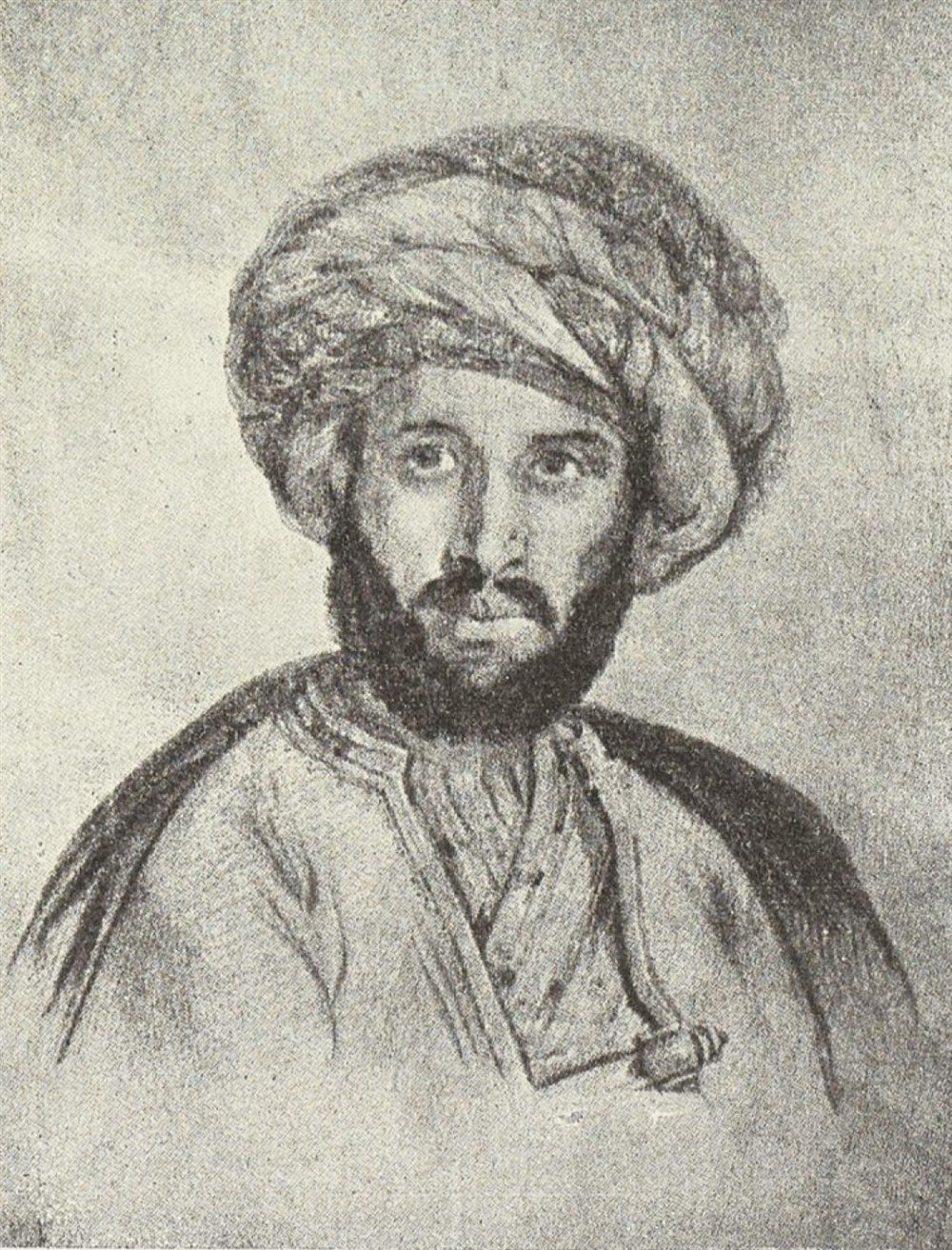
- Rifa’a al-Tahtawi accompanied them as an imam, then returned as one of modern Egypt’s most influential educators and translators.
- French scholar Edme-François Jomard helped organise the Egyptian school in Paris and guide the students.
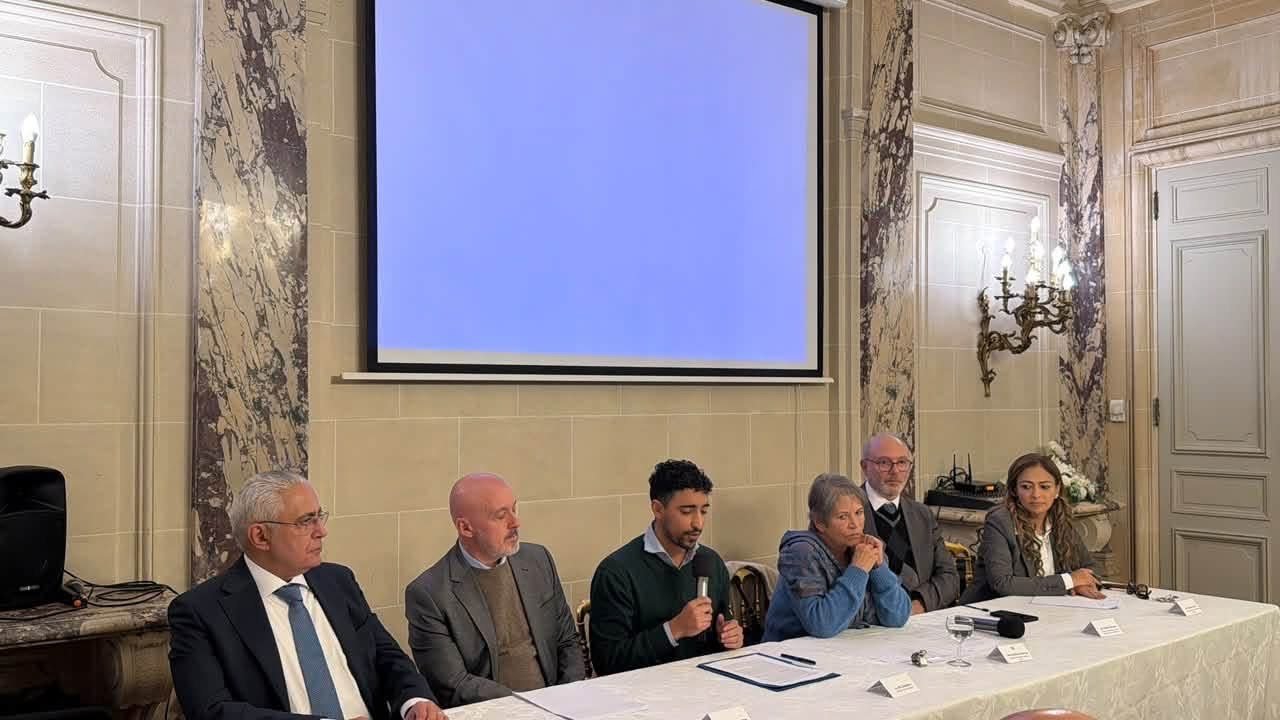
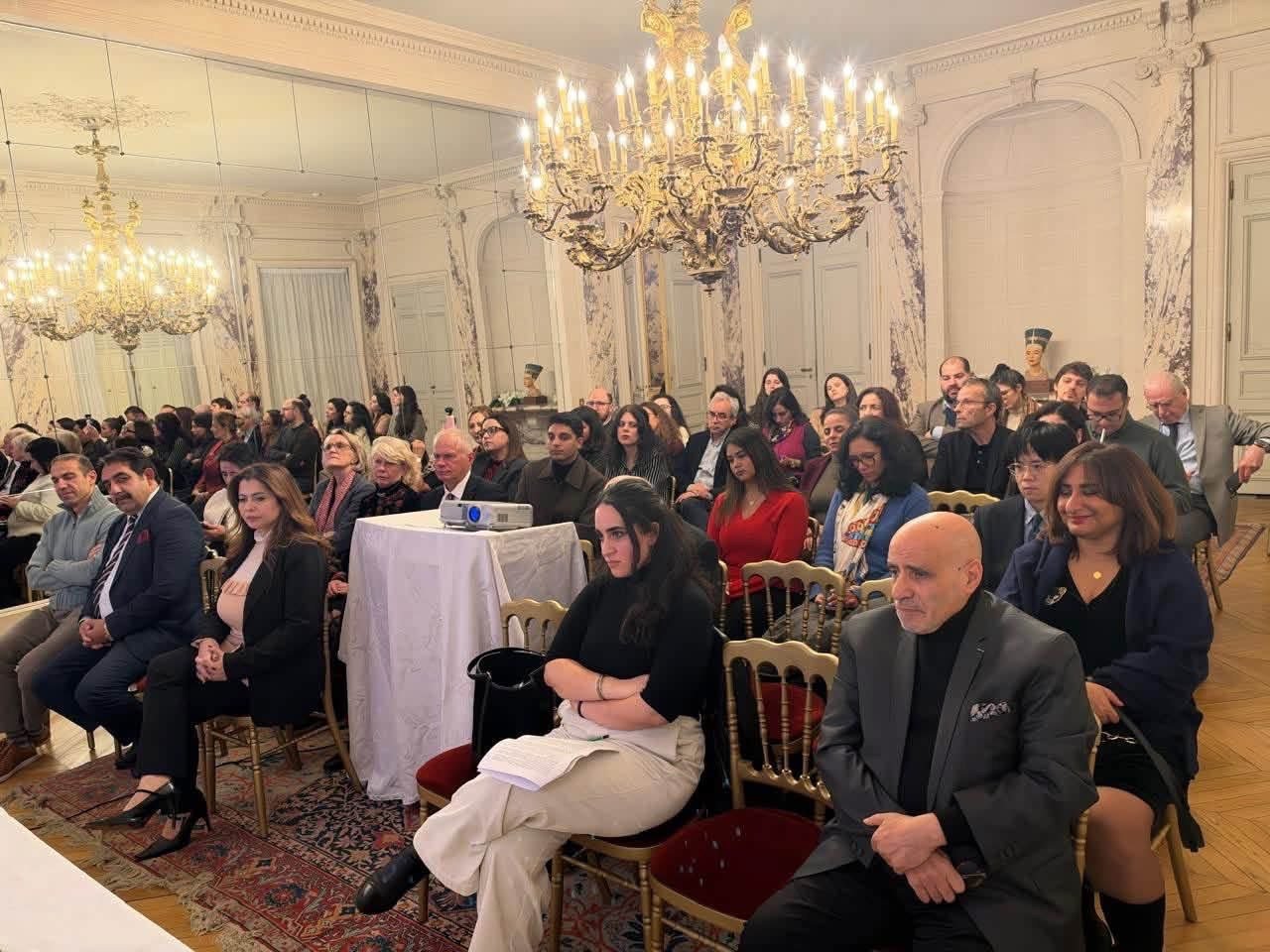
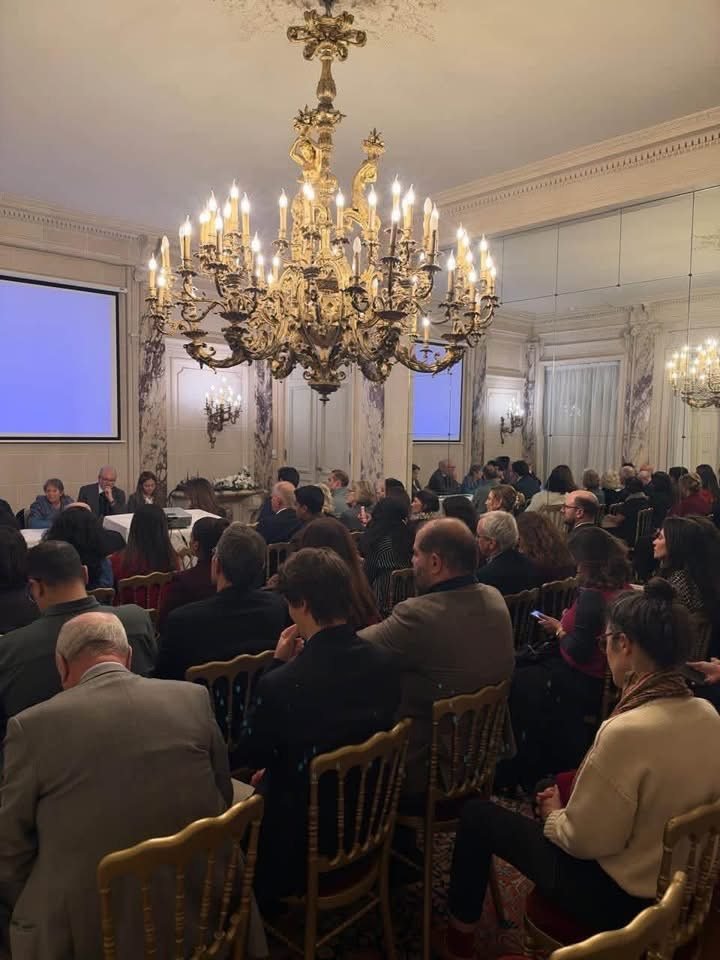
- On 13 November 2026, the Egyptian Embassy in Paris hosted a roundtable examining personal trajectories and the mission’s institutional legacy.
- The contemporary meaning reaches beyond commemoration: student and researcher mobility, academic cooperation, cultural diplomacy and knowledge-led travel.
More than a ceremonial anniversary
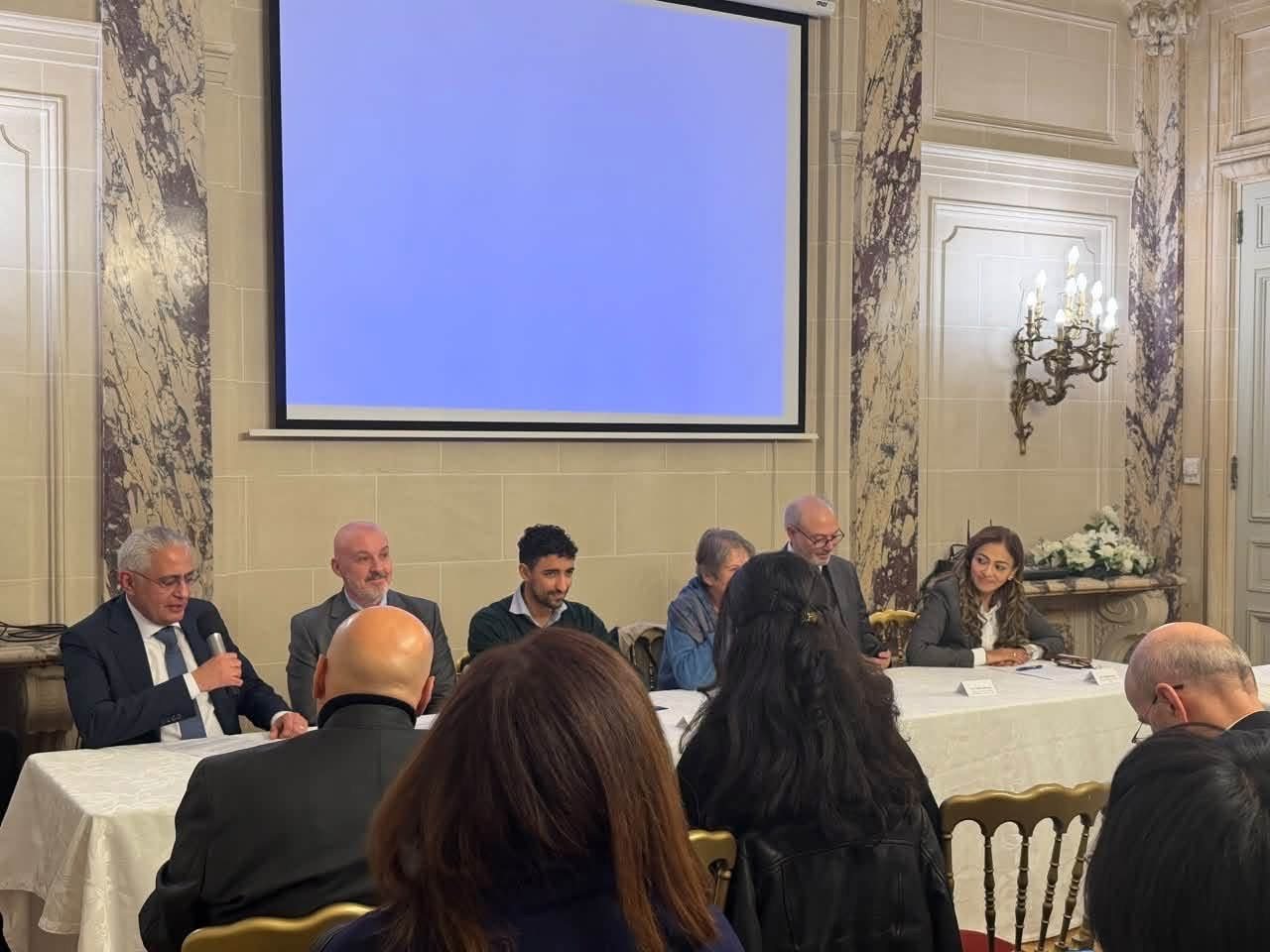
The roundtable was titled “Individual Paths and Collective Reflections”, placing people before institutions: a young traveller enters another language and society, acquires knowledge, then returns to turn experience into a school, a book or a working system. That thread linked the opening remarks of Ambassador Dr Tarek Dahroug — Egypt’s ambassador to France and permanent delegate to UNESCO — with the historians and researchers around the table.
The ambassador framed the 1826 mission not as an isolated episode of educational travel, but as part of a broader effort to modernise state institutions. Its central questions remain current: how can a country learn from the world without losing its identity, and how does knowledge become an institution?
Why 1826 became a turning point
Egypt had sent individuals to Europe before 1826, but this mission gained its historical weight as the first large, organised group sent to France. Academic research published through OpenEdition records 44 members, with areas of study spanning engineering, artillery, medicine, law, agriculture and administration.
An Egyptian school in Paris was organised with the support of French geographer and engineer Edme-François Jomard, a contributor to the Description de l’Égypte. The objective was not scattered learning. It was to prepare people who could return and work inside new institutions. Travel was therefore not the end of the journey, but its beginning.
Rifa’a al-Tahtawi: the traveller who translated a city
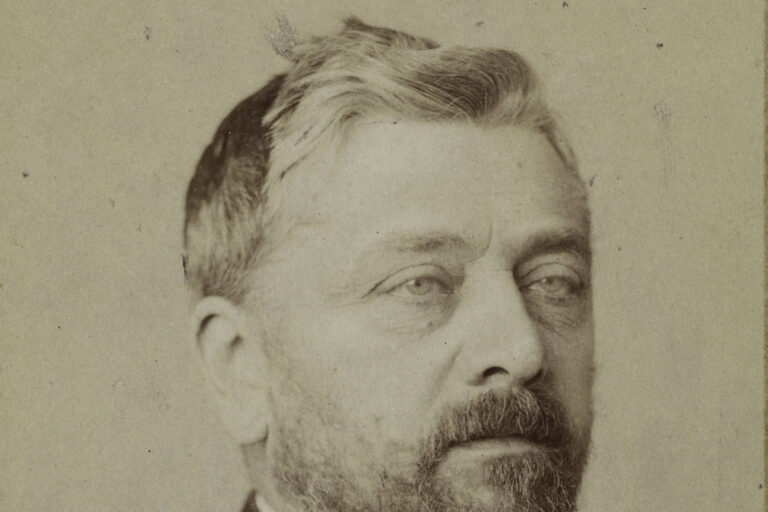
Rifa’a al-Tahtawi travelled with the mission as its imam and religious guide, yet he treated Paris as an open book. He learned French, read history, geography and law, and observed education, theatre, journalism and public life. When he returned to Egypt in 1831, he transformed those observations into his celebrated account, Takhlis al-Ibriz fi Talkhis Bariz.
His journey later became institutional work in translation and education, particularly through the School of Languages. The emotions of travel — wonder, comparison and anxiety about identity — produced a practical result: an Arabic intellectual vocabulary able to receive modern sciences and ideas while retaining its own roots.
Who joined the Paris conversation?
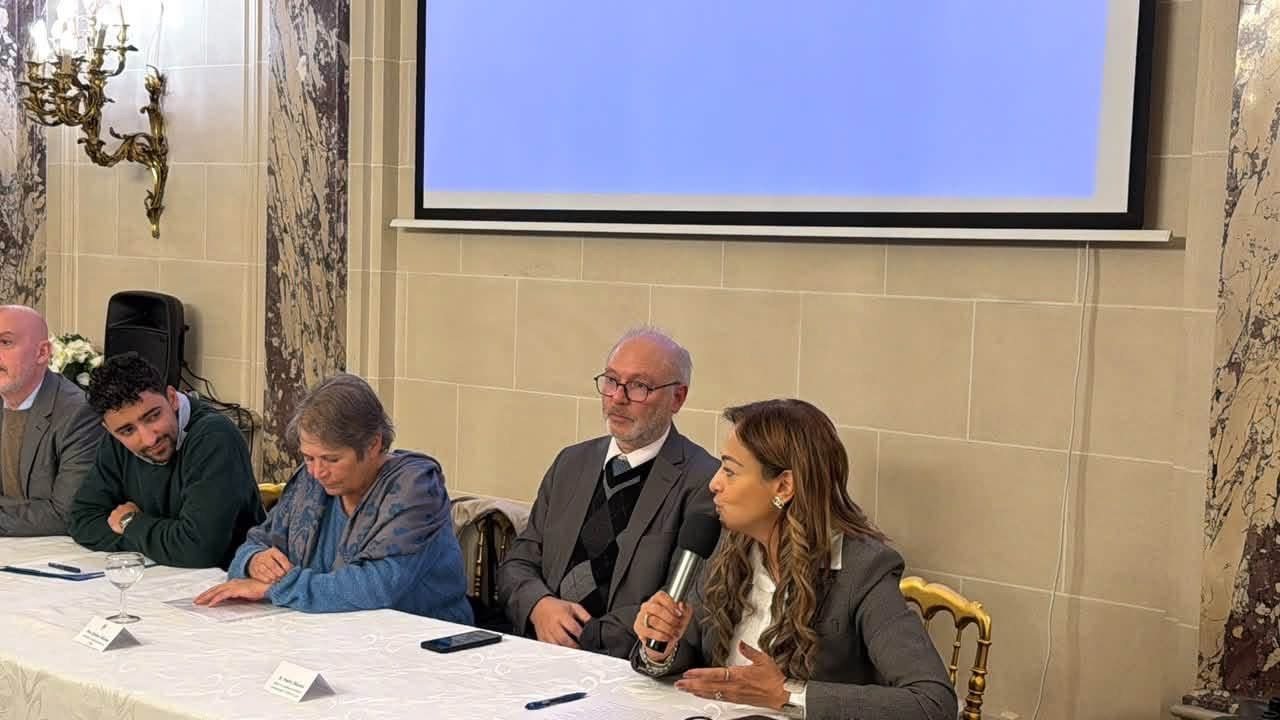
Participants included Dr Shahenda Ezzat, Egypt’s cultural counsellor in Paris; historian Frédéric Abécassis of the École normale supérieure de Lyon; honorary CNRS research director Ghislaine Alleaume; political science researcher Ali Chakroun; and Frédéric Lagrange, professor of Arab Studies at Sorbonne Université and director of CEDEJ in Cairo. The discussion was moderated by Sorbonne Université doctoral researcher Amani El Habibi.
The speakers moved from the mission’s historical setting and the daily experiences of its members to a more difficult question: how did personal encounters become changes in education, thought and administration? That shift turned a commemoration into an act of research and reassessment.
What the journey means now
Two centuries later, knowledge between Egypt and France no longer moves in one direction. Universities, research centres, exchange programmes and scholarships operate through more diverse networks, while students and researchers often become cultural interpreters between two languages and systems of knowledge.
The anniversary also has a cultural-travel dimension. Campuses, libraries, museums and archives are not merely facilities; they are destinations that create durable relationships. An Egyptian student arriving in Paris, or a French researcher working in Cairo, uses transport, accommodation and cultural services, but more importantly builds trust and a human network that cannot be reduced to visitor numbers.
The next result should not be nostalgia. It could be clearer joint scholarships, bilateral research, accessible archives, cultural itineraries following the students’ paths and digital storytelling for a new generation. A bicentenary can then become a departure point rather than a conclusion.
Between Cairo and Paris, the idea still travels
The photographs from the embassy say something simple: two hundred years later, people still gather around a table to ask what happened when young Egyptians crossed the sea in search of knowledge. Ships, trains and universities have changed, but the hope is familiar — to return from a journey with more than an image.
The legacy of 1826 is not merely that Egypt went to France. It is that knowledge crossing a border can return as a school, a book, a profession and an institution. Few journeys can hope for a more powerful result.
Frequently asked questions
When was Egypt’s major educational mission sent to France?
Muhammad Ali sent the major mission in 1826. Academic sources record a group of 44 connected with the first Egyptian school in Paris.
What was Rifa’a al-Tahtawi’s role?
He accompanied the mission as imam and guide, learned French and studied Parisian society and institutions, then became a major figure in translation and modern education in Egypt.
Where was the bicentenary event held?
The Embassy of the Arab Republic of Egypt in Paris hosted the roundtable on Friday, 13 November 2026.
How does this history relate to travel?
Educational travel creates long-term links among universities, cities and cultural institutions, generating student, researcher and event mobility beyond conventional tourism.
Sources and verification
- Embassy of the Arab Republic of Egypt in Paris — Egyptian Ministry of Foreign Affairs
- Egyptian Cultural Bureau in Paris — official website
- OpenEdition Books — Foreign students in Paris and Franco-Egyptian cooperation
- CEDEJ — research and administration
- ENS de Lyon — Frédéric Abécassis
- Sorbonne Université — Arab and Hebrew Studies
- Wikimedia Commons — Rifa’a al-Tahtawi portrait and public-domain statement
 Add OUISTARS Travel as a preferred source on Google
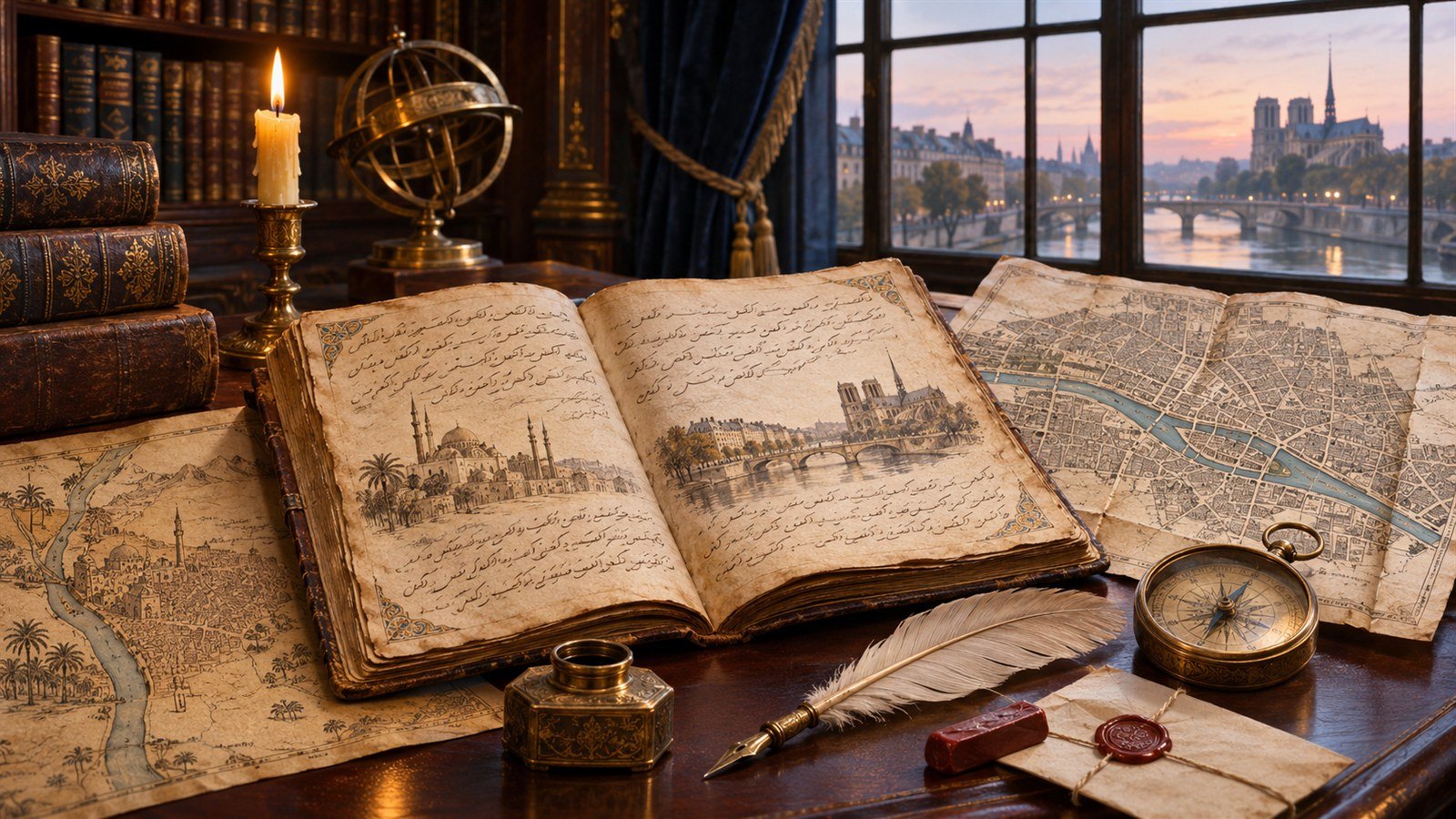
Original editorial reconstruction evoking the 1826 journey of knowledge between Cairo and Paris; it is not a documentary image of the mission. Image: OUISTARS Travel.
Cite this article
When citing the text or analysis, include the magazine, title, original URL and publication date. Preserve the stated attribution of statistics and photographs.
OUISTARS Travel — Cairo to Paris: How the 1826 Mission Reshaped Egyptian Knowledge
Published: